
Hair, often lauded as a crowning glory, plays a significant role in our self-perception and aesthetic. From sleek and voluminous styles to intricate braids, hair is a canvas for expression and a symbol of health and vitality. However, for many, this very symbol can become a source of distress as they experience hair fall. This article delves into the multifaceted world of hair fall, exploring its definition, the underlying biological processes, the myriad of triggers, and the innovative technological and branding strategies that are emerging to address this widespread concern.
Understanding the Biology of Hair Fall
At its core, hair fall, or alopecia, refers to the loss of hair from the scalp or any part of the body. While shedding a certain number of hairs daily is a natural and healthy part of the hair growth cycle, excessive or noticeable hair loss signals an underlying issue. To comprehend hair fall, we must first understand the intricate lifecycle of a hair strand.
The Hair Growth Cycle: An Essential Foundation
Each hair follicle on our skin, responsible for growing a single hair, operates in a cyclical manner. This cycle comprises three main phases:
-
Anagen (Growth Phase): This is the active growth phase, during which hair follicles produce new hair cells. The anagen phase can last anywhere from two to seven years, with the length of this phase determining the maximum length our hair can grow. During this time, the hair grows approximately half an inch per month.
-
Catagen (Transitional Phase): This is a brief, transitional phase that lasts about two to three weeks. During catagen, hair growth stops, and the outer root sheath shrinks and attaches to the root of the hair.
-
Telogen (Resting Phase): This is the resting phase, which typically lasts for about three months. During telogen, the hair strand detaches from the dermal papilla (the nourishing part of the follicle), and the follicle rests.
-
Exogen (Shedding Phase): This is the final phase where the old hair is shed, and a new hair begins to grow from the follicle. A small percentage of hairs are in this phase at any given time.
A healthy scalp typically has about 80-90% of its hair in the anagen phase, with a smaller percentage in the catagen and telogen phases. Hair fall becomes a concern when this cycle is disrupted, leading to more hairs entering the telogen phase prematurely, or when the anagen phase is significantly shortened, resulting in thinner and shorter hairs.
Types of Hair Fall: Identifying the Patterns
While the general term “hair fall” is used, the phenomenon can manifest in various forms, each with distinct characteristics and causes:
-
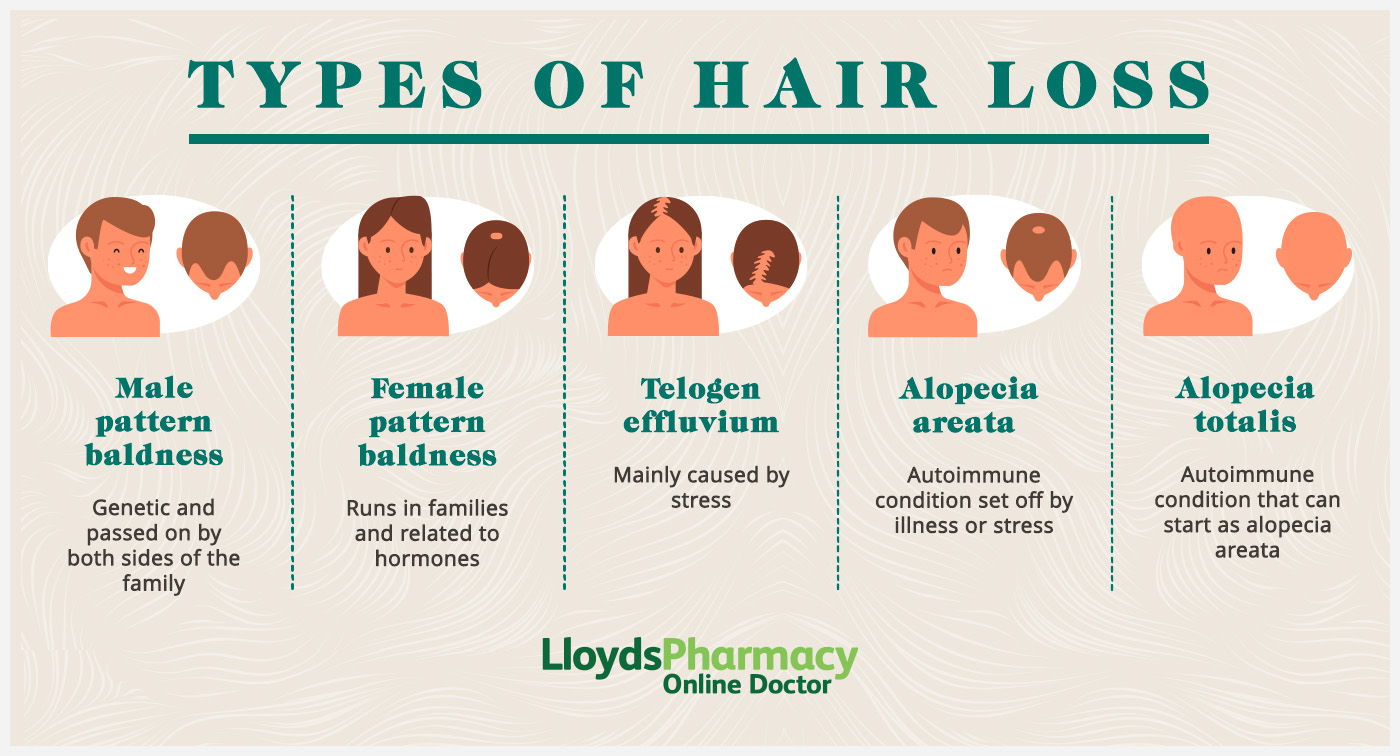
Androgenetic Alopecia (Male-Pattern Baldness/Female-Pattern Hair Loss): This is the most common cause of hair loss, characterized by a genetic predisposition and sensitivity to androgens (male hormones). In men, it typically presents as a receding hairline and thinning at the crown. In women, it often manifests as diffuse thinning across the top of the scalp, while the hairline usually remains intact.
-
Telogen Effluvium: This is a temporary form of hair loss that occurs when a significant number of hair follicles are prematurely pushed into the resting (telogen) phase. This is often triggered by a physical or emotional shock, such as surgery, childbirth, severe illness, extreme stress, or significant weight loss. Hair regrowth typically occurs once the underlying cause is addressed.
-
Alopecia Areata: This is an autoimmune condition where the body’s immune system mistakenly attacks hair follicles, leading to patchy hair loss. It can affect the scalp, eyebrows, eyelashes, and other parts of the body. In some cases, it can progress to total scalp hair loss (alopecia totalis) or complete body hair loss (alopecia universalis).
-
Traction Alopecia: This type of hair loss is caused by prolonged or repeated tension on the hair follicles, often due to tight hairstyles like braids, ponytails, cornrows, or extensions. It typically affects the hairline where the tension is greatest.
-
Scarring Alopecia (Cicatricial Alopecia): This is a rarer form of hair loss where inflammation destroys hair follicles and replaces them with scar tissue, making regrowth impossible. Causes can include infections, inflammatory skin conditions, or physical trauma.
The Multifaceted Triggers of Hair Fall
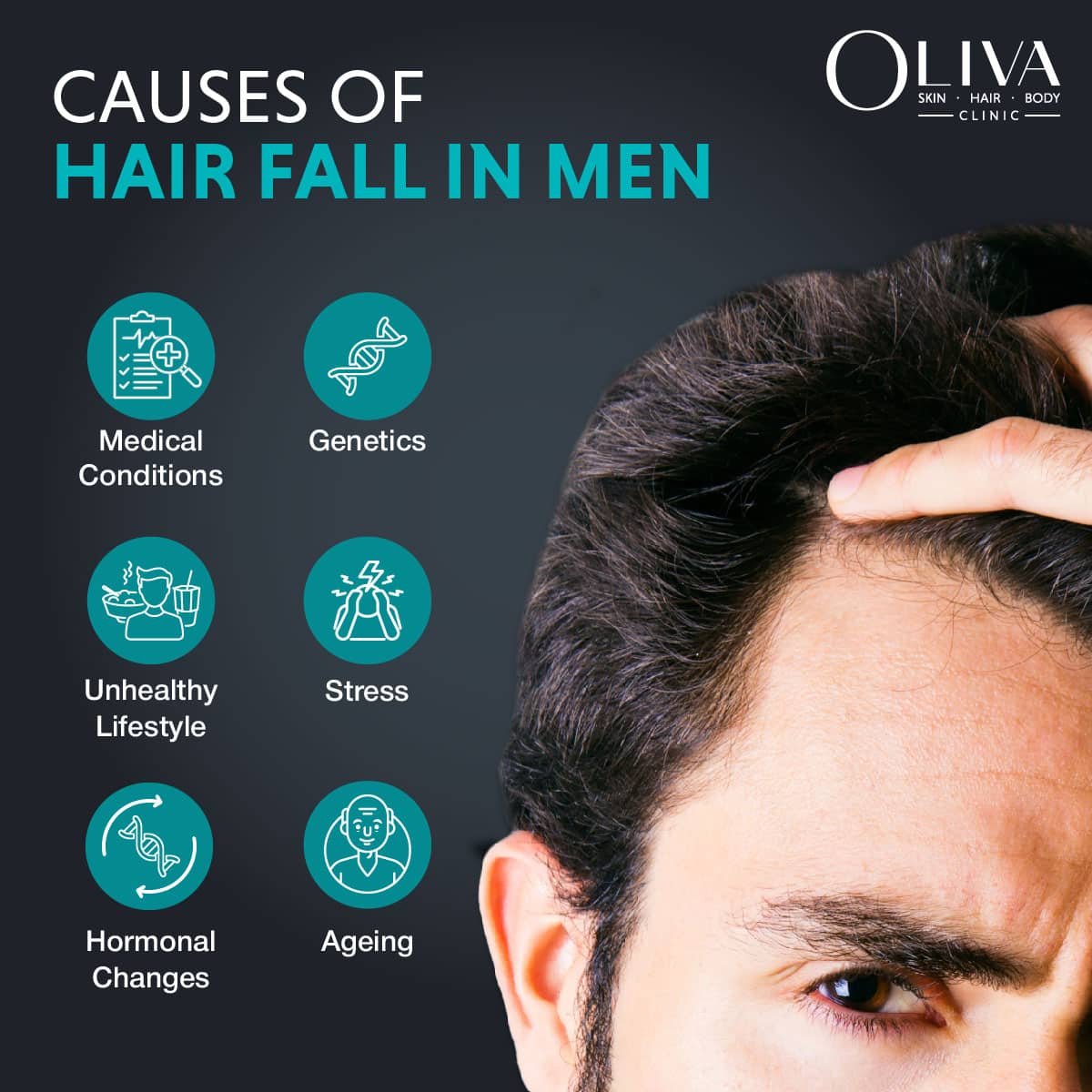
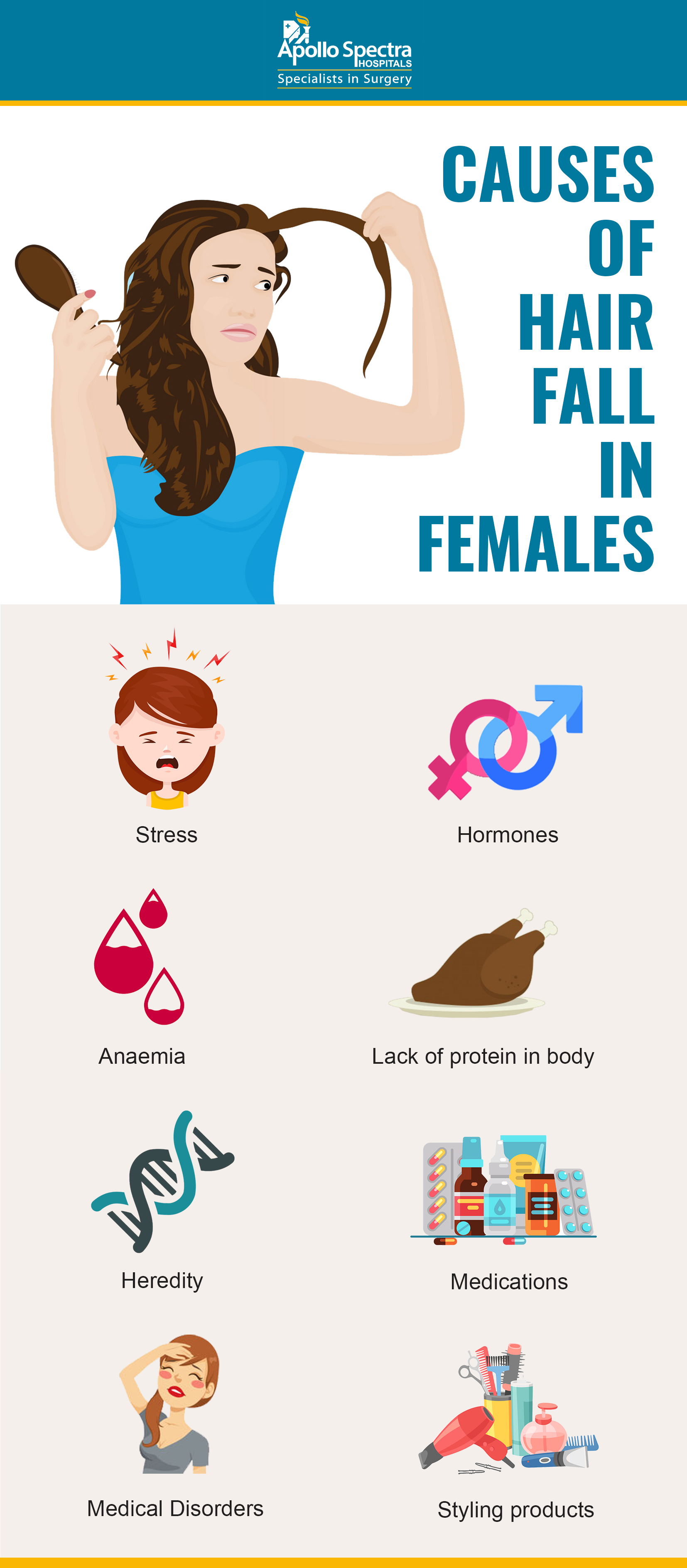
The reasons behind hair fall are as diverse as its manifestations. Understanding these triggers is crucial for effective management and prevention. These factors can range from biological and genetic predispositions to lifestyle choices and environmental influences.
Biological and Genetic Factors: The Unseen Architects
-
Genetics: As mentioned with androgenetic alopecia, genetics plays a pivotal role in predisposing individuals to certain types of hair loss. If hair loss runs in your family, you are more likely to experience it.
-
Hormonal Changes: Fluctuations in hormone levels are a significant contributor to hair fall. This is particularly evident during pregnancy, postpartum, menopause, and in conditions like Polycystic Ovary Syndrome (PCOS).
-
Age: With age, hair follicles can gradually shrink, leading to finer and thinner hair. The hair growth cycle may also become shorter, resulting in less dense hair.
-
Medical Conditions: A variety of medical conditions can lead to hair fall. These include thyroid disorders (both hypothyroidism and hyperthyroidism), autoimmune diseases like lupus, scalp infections (e.g., ringworm), and iron deficiency anemia.
Lifestyle and Environmental Influences: The Everyday Culprits
-
Stress: Chronic or acute stress can trigger telogen effluvium, leading to sudden and widespread hair shedding. The body’s “fight or flight” response can divert resources away from non-essential functions like hair growth.
-
Nutrition: A balanced diet is essential for healthy hair. Deficiencies in key nutrients such as iron, protein, zinc, biotin, and vitamins A, C, D, and E can impair hair growth and lead to hair fall.
-
Medications: Certain medications used to treat conditions like cancer (chemotherapy), arthritis, depression, heart problems, and high blood pressure can have hair loss as a side effect.
-
Hair Care Practices: Harsh chemical treatments like perms, relaxers, and dyes, along with excessive heat styling, can damage hair shafts and cause breakage, leading to a perception of hair fall. Tight hairstyles, as discussed with traction alopecia, also fall into this category.
-
Environmental Factors: Exposure to pollutants and harsh environmental elements can also contribute to hair damage and loss over time.
Modern Approaches: Technology, Branding, and Financial Strategies in Hair Fall Management
The growing concern over hair fall has spurred significant innovation across various sectors, from cutting-edge technology to sophisticated branding and even personal finance. These advancements offer new hope and diverse solutions for individuals seeking to understand, manage, and combat hair loss.
Technological Innovations: From Diagnostics to Restoration
The intersection of technology and haircare is a rapidly evolving landscape. New tools and techniques are emerging that provide more accurate diagnoses and effective treatments for hair fall.
-
AI-Powered Diagnostics and Personalization: Artificial intelligence is revolutionizing how hair fall is assessed and treated. AI algorithms can analyze images of the scalp and hair to identify patterns of hair loss, determine the underlying cause, and even predict future thinning with remarkable accuracy. This allows for highly personalized treatment plans, recommending specific ingredients, dosages, or therapies tailored to an individual’s unique genetic makeup and hair condition. Apps and online platforms are leveraging AI to offer virtual consultations and personalized hair growth recommendations, making expert advice more accessible.
-
Advanced Hair Loss Treatments: Beyond traditional topical solutions and oral medications, technology has paved the way for more advanced therapeutic interventions.
- Low-Level Laser Therapy (LLLT): Devices utilizing LLLT, such as combs, helmets, and caps, are becoming increasingly popular. These devices emit specific wavelengths of light that are believed to stimulate hair follicles, increase blood circulation to the scalp, and promote hair growth.
- Platelet-Rich Plasma (PRP) Therapy: This regenerative medicine technique involves drawing a patient’s blood, processing it to concentrate platelets, and then injecting this concentrated plasma into the scalp. The growth factors present in platelets are thought to stimulate dormant hair follicles and promote hair regrowth.
- Minimally Invasive Hair Restoration Techniques: Surgical hair transplantation has seen significant advancements, with techniques like Follicular Unit Transplantation (FUT) and Follicular Unit Extraction (FUE) becoming more refined. These procedures involve transplanting hair follicles from donor areas to balding or thinning areas of the scalp, offering a more permanent solution for hair loss. Robotic hair transplant systems are also emerging, promising greater precision and efficiency.
-
Biotechnology and Hair Follicle Regeneration: Research into stem cells and regenerative medicine holds immense promise for the future of hair fall treatment. Scientists are exploring ways to stimulate dormant hair follicles or even grow new ones, potentially offering a cure for various forms of alopecia. This involves understanding the intricate signaling pathways that govern hair follicle development and regeneration.
Brand Strategy and Reputation Management: Building Trust and Empowering Consumers
In a market often saturated with products making unsubstantiated claims, effective brand strategy is paramount for companies addressing hair fall. Building trust and demonstrating genuine efficacy are key to consumer loyalty and success.
-
Science-Backed Branding: Leading brands are emphasizing scientific research and clinical trials to support their product claims. This involves transparently communicating the ingredients, their mechanisms of action, and the results of efficacy studies. The branding often focuses on innovation, expertise, and a commitment to solving hair loss problems through evidence-based solutions.
-
Personal Branding and Influencer Marketing: Individuals experiencing hair fall are increasingly turning to trusted voices and relatable stories for guidance. Personal branding efforts by dermatologists, trichologists, and even individuals who have successfully managed their hair loss can be highly influential. Collaborations with micro-influencers who authentically share their hair loss journeys and product experiences can resonate deeply with consumers.
-
Empathy and Inclusivity in Marketing: Modern brands recognize the emotional toll that hair loss can take. Marketing campaigns that depict diverse individuals experiencing hair fall with empathy and understanding, rather than solely focusing on idealized images, are gaining traction. This fosters a sense of community and validates the struggles of consumers. The focus is shifting from simply selling a product to offering a comprehensive solution that addresses both the physical and emotional aspects of hair loss.
-
Reputation and Trust Building: For brands in the hair fall sector, maintaining a sterling reputation is non-negotiable. This involves consistent product quality, excellent customer service, and ethical marketing practices. Positive reviews, testimonials, and endorsements from credible sources are vital for building trust. Addressing customer concerns promptly and transparently is also crucial for long-term reputation management.
Financial Planning and Investment in Hair Health
While not a direct treatment, the financial aspect of hair fall management is becoming increasingly relevant. Individuals are considering the long-term costs and benefits of various solutions.
-
Budgeting for Treatments: Advanced treatments like hair transplantation, PRP therapy, and even premium hair care products can represent significant financial investments. Individuals are increasingly incorporating these potential costs into their personal financial planning, treating them as investments in their well-being and self-confidence.
-
Insurance and Reimbursement: While cosmetic procedures are often not covered by insurance, certain medical treatments for hair loss conditions (e.g., those related to underlying medical issues) might be eligible for reimbursement. Understanding insurance policies and exploring options for coverage is an important financial consideration.
-
Side Hustles and Entrepreneurship: The burgeoning demand for hair care solutions has also opened avenues for entrepreneurial ventures. This could range from developing niche hair care products to offering consulting services for hair loss management or creating educational content. For some, this can become a lucrative side hustle or even a full-time business.
-
Investing in Knowledge: For many, the most valuable “investment” in managing hair fall is in acquiring knowledge. Understanding the causes, exploring different treatment options, and consulting with qualified professionals are essential steps that can prevent costly mistakes and lead to more effective outcomes. This involves allocating time and resources to research and education.
Conclusion: A Holistic Approach to Hair Fall
Hair fall is a complex issue with a myriad of causes, ranging from genetics and hormones to stress and lifestyle. However, the landscape of solutions is continuously evolving, driven by technological advancements, innovative branding strategies, and a growing awareness of its financial implications. By understanding the underlying biology, identifying personal triggers, and leveraging the ever-expanding array of modern solutions, individuals can navigate the challenges of hair fall with greater confidence and achieve healthier, more resilient hair. A holistic approach, encompassing scientific understanding, technological integration, empathetic branding, and mindful financial planning, offers the most promising path forward in addressing this common yet deeply personal concern.
aViewFromTheCave is a participant in the Amazon Services LLC Associates Program, an affiliate advertising program designed to provide a means for sites to earn advertising fees by advertising and linking to Amazon.com. Amazon, the Amazon logo, AmazonSupply, and the AmazonSupply logo are trademarks of Amazon.com, Inc. or its affiliates. As an Amazon Associate we earn affiliate commissions from qualifying purchases.