
In the world of finance and business, the legal landscape is as critical as the economic one. When individuals or corporations encounter disagreements regarding contracts, debts, or financial injuries, they do not turn to the criminal justice system—which is reserved for crimes against the state—but rather to the civil court system. Understanding what civil court is, how it functions, and the financial implications of entering its halls is a vital skill for any entrepreneur, investor, or professional.
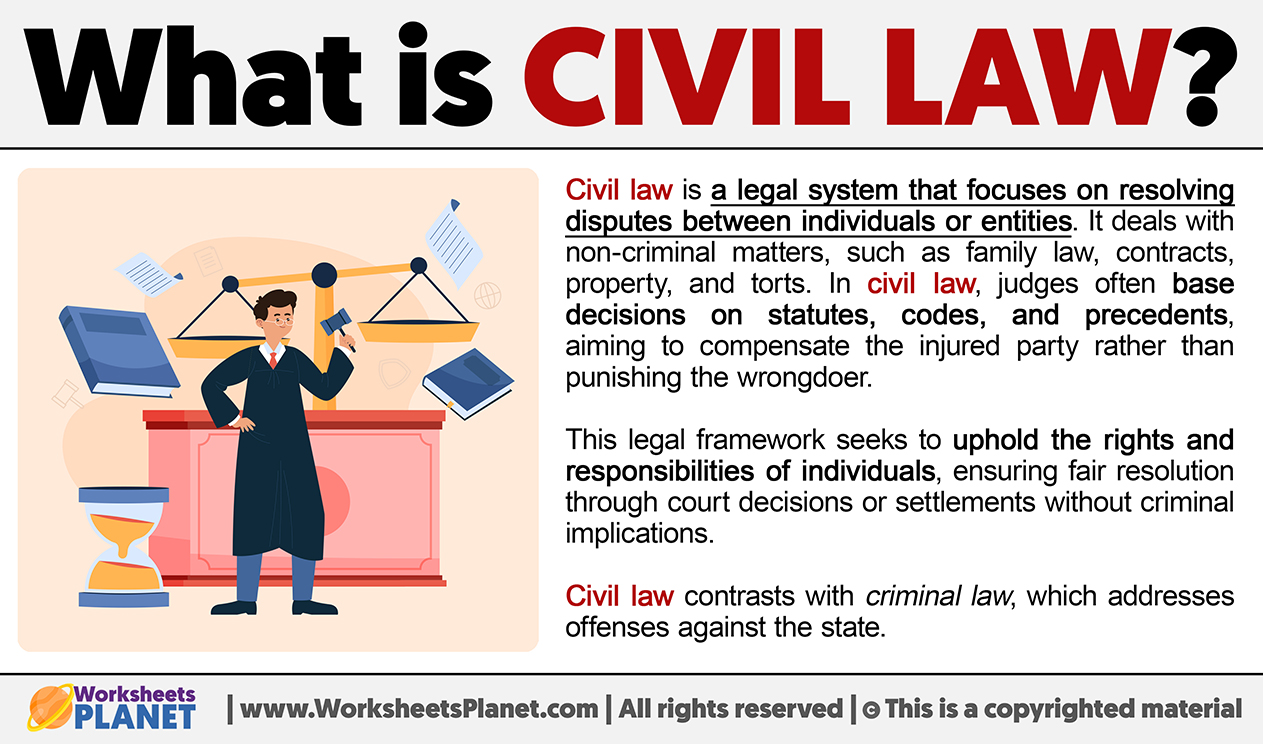
At its core, civil court is a judicial forum designed to resolve disputes between two or more parties, typically involving a request for monetary compensation or specific performance rather than imprisonment. In the “Money” niche, the civil court is the ultimate arbiter of financial accountability. This article explores the mechanics of civil court through the lens of business finance, personal wealth protection, and the strategic management of financial disputes.

The Financial Foundation of Civil Litigation
The primary objective of a civil court is to “make the plaintiff whole.” Unlike criminal court, where the goal is often punishment or rehabilitation, civil court focuses on restitution. This means that the entire system is built upon the transfer of value—usually in the form of currency—from one party to another to settle a grievance.
The Role of Restitution and Damages
In financial litigation, the term “damages” refers to the money claimed by, or ordered to be paid to, a person as compensation for loss or injury. There are several types of damages that a civil court may award. “Compensatory damages” are the most common, intended to cover the actual financial loss suffered by the plaintiff. For example, if a vendor fails to deliver goods that a business already paid for, the compensatory damages would equal the amount paid plus any lost profits resulting from the missing inventory.
“Punitive damages,” while less common in standard business disputes, are intended to punish a defendant for particularly egregious or reckless behavior. From a wealth management perspective, understanding these categories is essential for assessing the potential risks and rewards of pursuing a lawsuit.
Differences Between Civil and Criminal Proceedings
For those managing personal or business finances, the distinction between civil and criminal proceedings is a matter of “burden of proof.” In a criminal case, the state must prove guilt “beyond a reasonable doubt,” a very high bar. In civil court, however, the standard is usually a “preponderance of the evidence.” This means the judge or jury only needs to believe that it is more likely than not (greater than 50% probability) that the defendant is liable.
This lower threshold makes civil court a powerful tool for financial recovery. If a business partner embezzles funds, the state might not have enough evidence for a criminal conviction, but the victimized partner may still successfully sue for the return of those funds in civil court.
Common Types of Civil Cases in the Business Finance World
Most civil litigation involving significant sums of money falls into a few specific categories. For investors and business owners, these categories represent the primary legal risks to their bottom lines.
Breach of Contract and Financial Loss
Contracts are the lifeblood of the global economy. A breach occurs when one party fails to fulfill their end of a bargain, leading to a financial setback for the other party. Whether it is a real estate purchase agreement, a software licensing deal, or an employment contract, civil courts are the designated venues for enforcing these agreements. When a breach occurs, the court analyzes the contract to determine the exact financial obligations and awards a judgment that reflects the economic reality of the failure.
Debt Collection and Creditor Rights
A significant portion of civil court dockets is dedicated to debt collection. When a borrower defaults on a loan or a client refuses to pay an invoice, the creditor uses the civil court to obtain a legal judgment. This judgment is a powerful financial instrument; once obtained, it allows the creditor to use legal mechanisms such as wage garnishment, bank account levies, and property liens to recoup their money. For businesses, mastering the civil court process for collections is often the difference between a healthy cash flow and insolvency.

Tort Claims and Professional Liability
In the context of money and business, “torts” usually involve negligence or professional malpractice that results in financial ruin. If an investment advisor provides advice that violates their fiduciary duty, or if an accountant makes a negligent error that leads to a massive tax penalty, the civil court provides a pathway for the client to sue for professional liability. These cases are often complex and involve expert testimony to quantify the exact financial impact of the negligence.
The Financial Anatomy of a Civil Lawsuit
Entering a civil lawsuit is not just a legal decision; it is a major financial investment. Like any investment, it requires a thorough analysis of costs, risks, and potential returns.
Evaluating the Cost-Benefit of Litigation
The first thing any financially savvy individual should consider before filing a lawsuit is the “ROI of litigation.” Civil lawsuits are expensive. Costs include attorney fees (often ranging from $200 to $1,000+ per hour), filing fees, expert witness fees, and the “soft cost” of the time lost by company leadership during the discovery process.
Before proceeding, one must ask: Is the potential judgment significantly higher than the projected legal spend? If you are suing to recover $50,000 but the legal fees are projected to be $40,000, the financial risk might outweigh the reward, especially when considering the possibility that the defendant might be “judgment proof” (meaning they have no assets to pay even if you win).
Out-of-Court Settlements vs. Trial Verdicts
The vast majority of civil cases—estimated at over 90%—never reach a trial. Instead, they end in a settlement. From a financial perspective, a settlement is often the most rational outcome. It provides “certainty of value.” A trial is a gamble; you could win everything or lose everything. A settlement allows both parties to agree on a fixed sum, avoiding the escalating costs of trial preparation. Strategic negotiators use the civil court process as leverage to reach a favorable financial settlement as quickly as possible.
Small Claims Court: A Tool for Solopreneurs and Small Businesses
While high-stakes litigation happens in superior or district courts, many financial disputes are handled in “Small Claims Court.” This is a simplified branch of the civil court system designed for smaller monetary amounts, typically ranging from $2,500 to $10,000 depending on the jurisdiction.
When to Use Small Claims for Financial Recovery
For freelancers, solopreneurs, and small business owners, small claims court is an invaluable financial tool. It is designed to be accessible without a lawyer, which eliminates the single largest cost of civil litigation. If a client refuses to pay a $3,000 invoice, the cost of a traditional lawyer would exceed the value of the claim. In small claims court, however, the filing fee is nominal, and the process is expedited, making it a cost-effective way to protect one’s income.
Preparing Documentation for Success
Success in civil court, especially regarding money, depends almost entirely on documentation. To win a financial judgment, one must provide a clear paper trail:
- Signed Contracts: Proving the existence of an agreement.
- Invoices and Receipts: Quantifying the exact amount owed.
- Communication Logs: Showing that an attempt was made to resolve the debt amicably.
- Bank Statements: Demonstrating the actual transfer (or lack thereof) of funds.
In the eyes of a civil court judge, financial “truth” is found in the ledger, not in oral testimony.
Conclusion: Navigating the Civil System as a Strategic Financial Move
The civil court system is a foundational pillar of the modern economy. Without a venue to resolve financial disputes and enforce contracts, the level of risk in business would be untenable. For those focused on building wealth and managing business finances, the civil court should be viewed not as a place of conflict, but as a mechanism for risk management and asset protection.
By understanding the types of damages available, the cost-benefit of litigation, and the utility of small claims, you can navigate the legal world with the same precision you apply to your investment portfolio. Whether you are defending your brand’s financial interests or pursuing a breach of contract, a deep knowledge of civil court is a powerful asset in any financial toolkit. Ultimately, the goal of civil court is to ensure that financial promises are kept and that economic harm is rectified, maintaining the integrity of the marketplace for everyone involved.
aViewFromTheCave is a participant in the Amazon Services LLC Associates Program, an affiliate advertising program designed to provide a means for sites to earn advertising fees by advertising and linking to Amazon.com. Amazon, the Amazon logo, AmazonSupply, and the AmazonSupply logo are trademarks of Amazon.com, Inc. or its affiliates. As an Amazon Associate we earn affiliate commissions from qualifying purchases.