
In the landscape of global consumer culture, few movements have demonstrated the sheer resilience and branding power of Gyaru fashion. While often dismissed by casual observers as a mere aesthetic trend involving tanned skin, bleached hair, and extravagant accessories, Gyaru is, in reality, a sophisticated study in subcultural branding, niche market positioning, and the psychology of identity-based consumerism. Originating in Japan during the late 1970s and reaching its commercial zenith in the 1990s and early 2000s, Gyaru represents a radical departure from traditional Japanese beauty standards, offering a template for how a brand—personal or corporate—can thrive by positioning itself as an “outsider” movement.
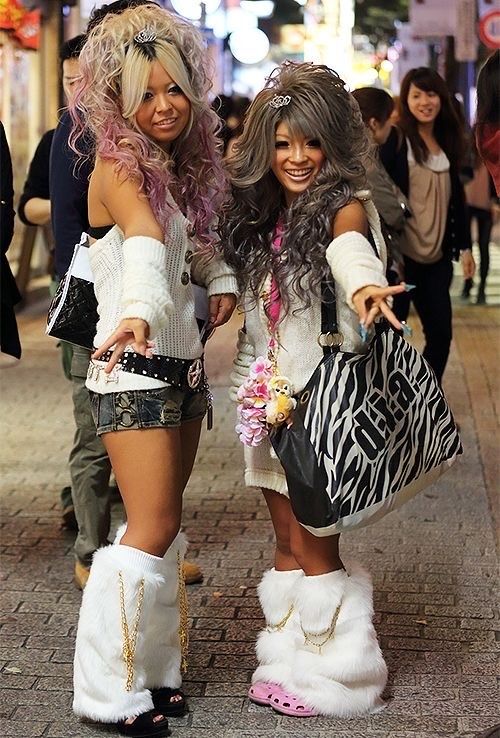
To understand what Gyaru fashion is from a brand strategy perspective, one must look beyond the garments. It is a comprehensive lifestyle brand that encompasses music, social behavior, language, and retail ecosystems. For brand managers and marketers, the evolution of Gyaru provides critical insights into how community-led movements can disrupt established industries and create lasting brand equity through sheer cultural force.
The Anatomy of a Subcultural Brand: Defining the Gyaru Aesthetic
At its core, the Gyaru brand is built on the foundation of non-conformity. In a society that historically valued the “Yamato Nadeshiko” (the traditional ideal of the demure, dark-haired, and pale-skinned woman), Gyaru emerged as a visual rebellion. From a branding standpoint, this was a “blue ocean strategy”—creating a market space where none existed by offering a product (an identity) that was the antithesis of the status quo.
The Rebellion Against Traditional Beauty Standards
Gyaru fashion functioned as a disruptive brand by intentionally alienating the mainstream to foster extreme loyalty within its target demographic. By adopting tanned skin (ganguro), neon colors, and dramatic makeup, the followers of this style were not just wearing clothes; they were signaling their membership in an exclusive, high-engagement community. For a brand, this level of “in-group” signaling is the holy grail of customer loyalty. It creates a barrier to entry for the uninitiated while deepening the emotional connection for those within the circle.
Visual Identifiers as Brand Assets
The “visual identity” of Gyaru is as rigorous and recognizable as any Fortune 500 corporate style guide. Key assets included:
- The Palette: A high-contrast mix of artificial tans and platinum blonde hair.
- The Typography of Style: Intricate nail art and heavy lashes served as the “logo” of the movement.
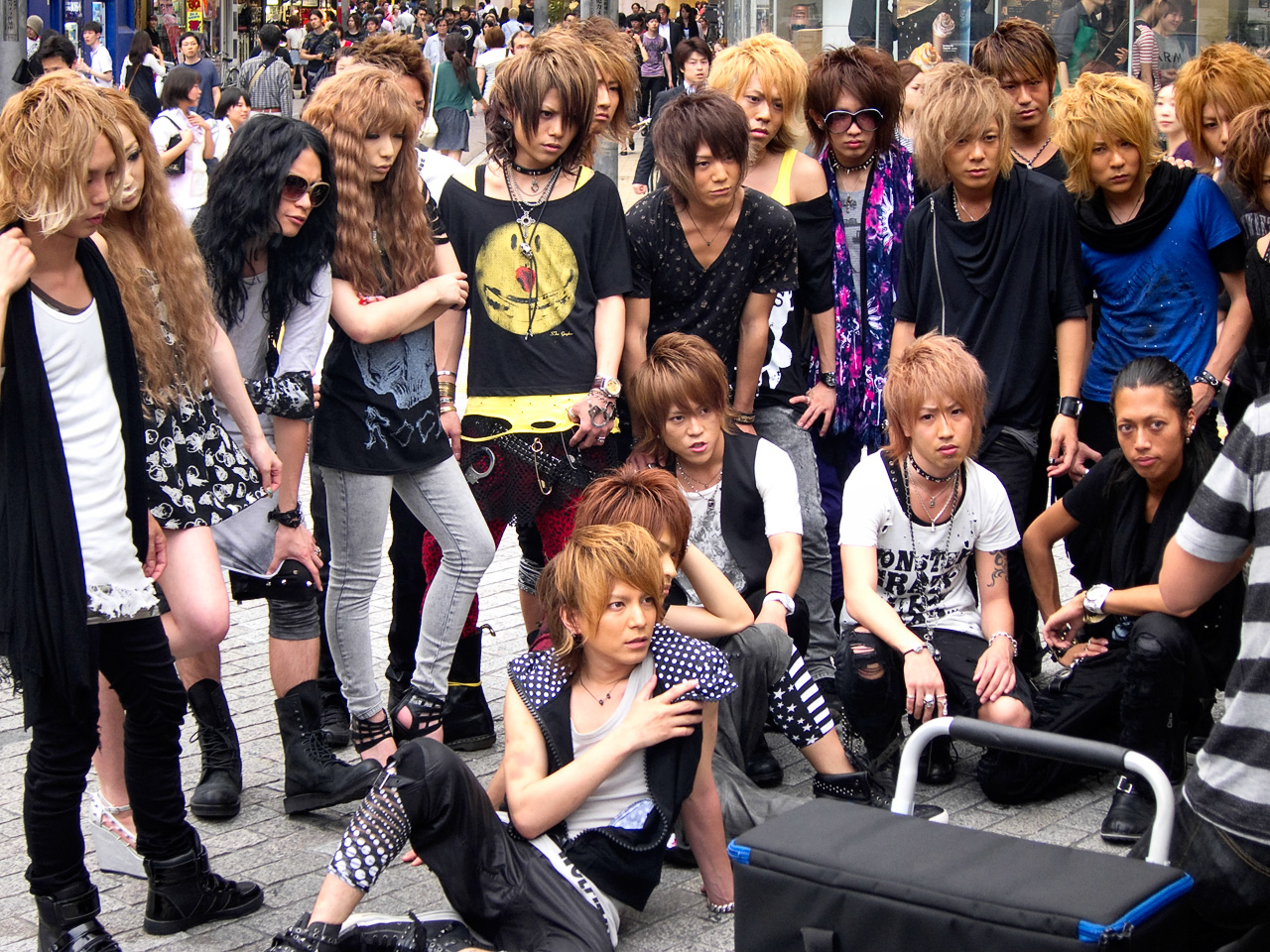
- The Uniforms: Specific sub-brands (such as the schoolgirl-influenced kogyaru or the surf-inspired manba) allowed for brand extension within the niche, catering to different psychographic segments of the youth market.
The Business of Gal Culture: How Japanese Street Style Built a Corporate Identity
The commercialization of Gyaru fashion transformed a street subculture into a multi-billion yen industry. This transition was fueled by a unique retail ecosystem centered in Tokyo, specifically the Shibuya 109 department store. This building became more than a shopping mall; it became a corporate incubator for brands that would define Japanese youth culture for decades.
The Shibuya 109 Ecosystem
Shibuya 109 functioned as a physical marketplace where brand identity was hyper-localized. Each floor and each shop stall was a laboratory for market research. Brands like EGOIST, Cecil McBee, and d.i.a. did not rely on traditional advertising; instead, they utilized experiential marketing. The music, the scent of the stores, and the “Charisma Sales Clerks” (charism tenin) created an immersive brand experience that converted casual visitors into brand evangelists.
Case Study: The Rise and Strategy of “EGOIST” and “Cecil McBee”
EGOIST is perhaps the most significant example of Gyaru brand strategy. They pioneered the “Charisma Sales Clerk” model, where the staff were not just employees but influencers. These women were the living embodiment of the brand’s identity, often appearing in magazines and becoming celebrities in their own right. This was a precursor to modern influencer marketing.
Cecil McBee, on the other hand, focused on “aspirational accessibility.” By offering high-fashion looks at price points achievable for teenagers and young office workers, they secured the “dominant share of mind” in the Gyaru market for nearly two decades. Their strategy was built on rapid inventory turnover and staying ahead of the trend cycle, a precursor to the fast-fashion models utilized by global giants like Zara.
Personal Branding and the Cult of the ‘Charisma Model’

Long before the advent of Instagram and TikTok, the Gyaru movement perfected the art of personal branding. This was facilitated by “Gal magazines” such as egg, Popteen, and Koakuma Ageha. These publications did not just report on fashion; they manufactured personalities.
From Magazines to Influencers: The Evolution of Gyaru Endorsements
The models in these magazines, such as Tsubasa Masuwaka or Kumiko Funayama, were not the distant, untouchable figures found in Western high-fashion glossies. They were “reachable” icons. Their personal lives, struggles, and makeup routines were documented in detail, building a parasocial relationship with the audience. From a brand strategy perspective, this humanized the products they endorsed. When Tsubasa Masuwaka launched her “Dolly Wink” eyelash line, it became a massive commercial success because the brand was an extension of her established personal identity, not just a random celebrity endorsement.
Building an Authentic Narrative in Niche Markets
The success of these personal brands relied on authenticity—or the carefully curated appearance of it. They spoke the specific slang of the Gyaru community and frequented the same spots as their fans. This taught modern marketers a vital lesson: in niche branding, authenticity is the primary currency. If a brand feels corporate or “manufactured” from the outside, it loses its “street cred” and its ability to influence the subculture.
Global Expansion and Digital Transformation: Scaling the Gyaru Brand
As the 2010s progressed, many predicted the death of Gyaru fashion. However, the brand did not die; it underwent a digital transformation and a global expansion. What was once a localized Tokyo phenomenon evolved into a global aesthetic framework, leveraged by digital creators and international retailers.
Cross-Cultural Adaption and International Brand Equity
Through the internet, Gyaru fashion found a new audience in the West. “International Gals” began forming communities online, adapting the Japanese aesthetic to their own local contexts. This global expansion proved that the core brand values of Gyaru—self-expression, defiance, and extreme glamor—were universally marketable. Brands that could pivot to serve this international audience found a second life, leveraging digital platforms to bypass traditional geographic retail barriers.
The Digital Revival: Gen Z and the Algorithmic Branding of Neo-Gyaru
The current “Y2K” trend revival has brought a “Neo-Gyaru” aesthetic back into the mainstream. On platforms like TikTok, the Gyaru brand is being repackaged for Gen Z. This new iteration focuses on the “vibe” and the “aesthetic” (visual branding) rather than the strict social codes of the original 90s movement. From a marketing standpoint, this represents the “rebranding” phase of a product lifecycle. By stripping away the more controversial elements (like the extreme tanning) and focusing on the high-energy, DIY aspects of the fashion, the Gyaru brand has been made palatable and viral for a new generation.
Strategic Lessons for Modern Brands from the Gyaru Movement
The history and current state of Gyaru fashion offer several sophisticated lessons for brand strategists and marketers looking to build high-engagement communities.
Community-Centric Marketing
Gyaru was never about the clothes alone; it was about belonging. Successful brands today—whether in tech, finance, or fashion—must build a “tribe.” The Gyaru movement showed that when a consumer feels that a brand represents their social identity and values, they become more than customers; they become defenders of the brand.
Longevity through Evolution
The brands that survived the decline of the initial Gyaru boom were those that were willing to evolve their corporate identity while keeping their core brand promise intact. Evolution is not a sign of brand weakness; it is a necessity for survival. Whether it is shifting from physical magazines to digital platforms or updating visual styles to match modern sensibilities, the Gyaru movement teaches us that the “essence” of a brand must remain stable even as its “form” changes.
The Power of Niche Dominance
Gyaru fashion proves that you do not need to appeal to everyone to be a commercial powerhouse. By focusing intensely on a specific, often misunderstood demographic, the brands associated with Gyaru were able to charge premium prices and maintain high margins. In a crowded marketplace, niche dominance is often more profitable and sustainable than broad-market mediocrity.
In conclusion, Gyaru fashion is far more than a stylistic choice; it is a robust framework of subcultural branding that has influenced global marketing, personal branding, and retail strategies. Its ability to turn a counter-cultural identity into a commercial engine serves as a vital case study for any brand looking to create a deep, lasting impact in the modern consumer landscape. By understanding the mechanisms of Gyaru—its visual rigor, its community-driven growth, and its digital adaptability—brands can learn how to cultivate a loyal following that transcends mere trends.
aViewFromTheCave is a participant in the Amazon Services LLC Associates Program, an affiliate advertising program designed to provide a means for sites to earn advertising fees by advertising and linking to Amazon.com. Amazon, the Amazon logo, AmazonSupply, and the AmazonSupply logo are trademarks of Amazon.com, Inc. or its affiliates. As an Amazon Associate we earn affiliate commissions from qualifying purchases.