
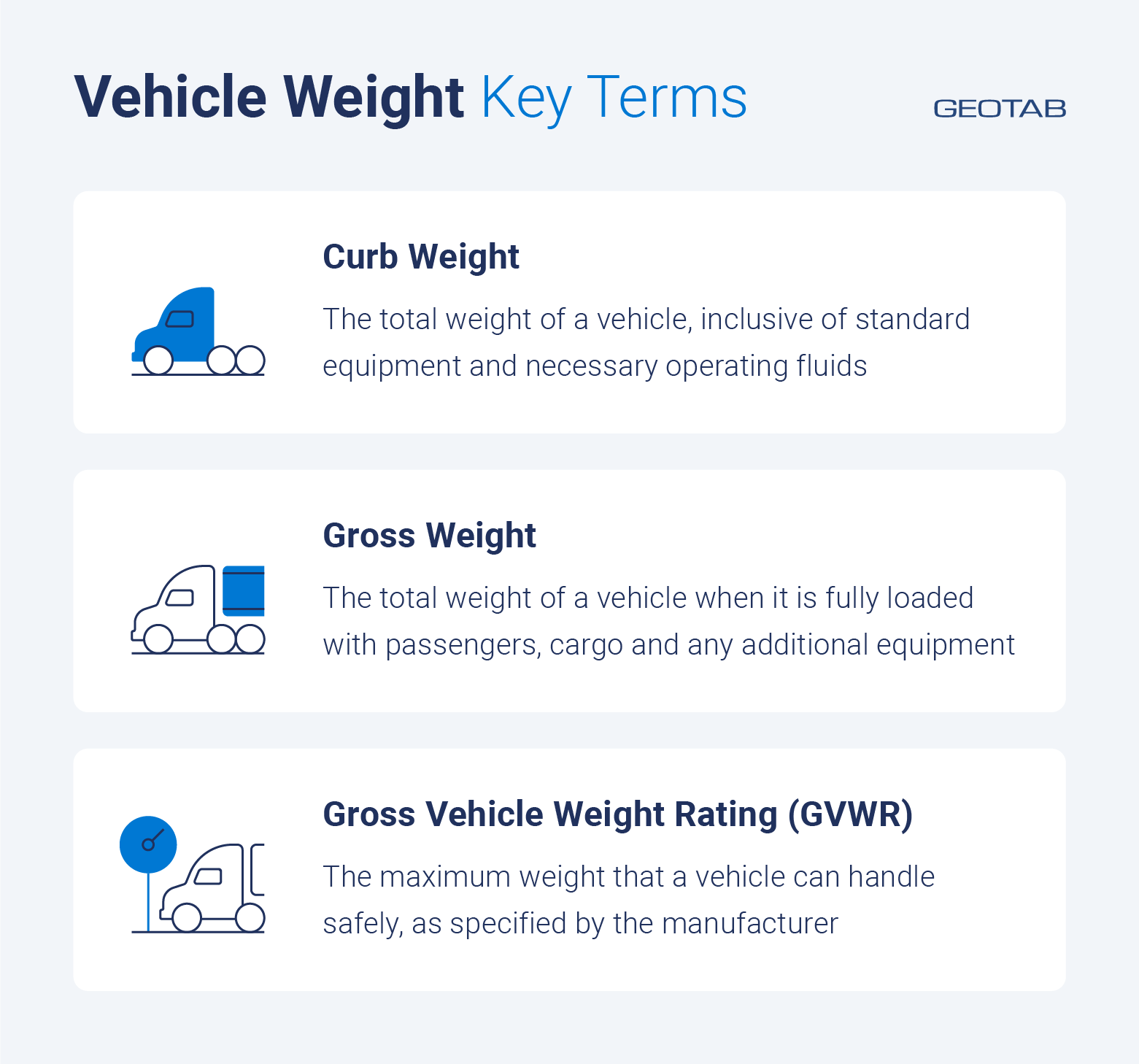
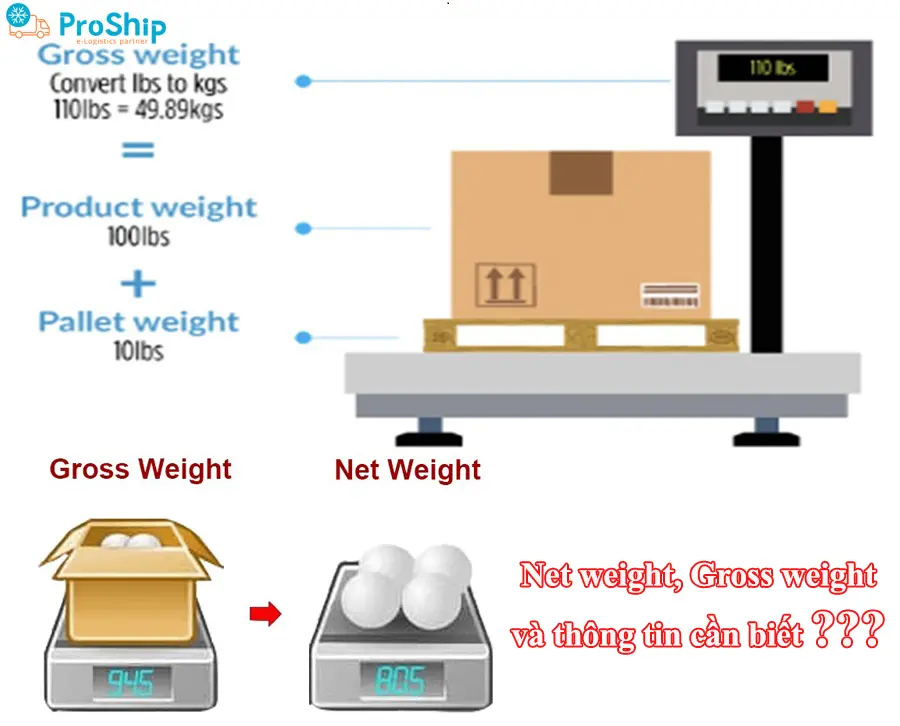
The term “gross weight” is a fundamental concept that permeates various industries, from logistics and manufacturing to aviation and everyday consumerism. Understanding its meaning and implications is crucial for accurate calculations, efficient operations, and adherence to regulations. In essence, gross weight represents the total laden weight of a vehicle, vessel, or container, encompassing everything it carries. This includes the unladen weight of the vehicle itself, plus the weight of its payload, crew, fuel, passengers, and any other accessories or equipment. This comprehensive definition is vital for a multitude of financial and operational decisions.
The significance of gross weight extends far beyond a simple numerical value. It directly influences operational costs, safety protocols, regulatory compliance, and even the profitability of businesses. For instance, in transportation, exceeding gross weight limits can lead to hefty fines, vehicle damage, and compromised safety. In manufacturing, understanding the gross weight of a product is essential for packaging, shipping, and inventory management. In the realm of business finance, gross weight plays a role in determining shipping costs, insurance premiums, and the overall financial feasibility of transporting goods. This article delves into the intricacies of gross weight, exploring its definition, its various applications across industries, and its profound financial implications.

Understanding the Components of Gross Weight
To truly grasp the concept of gross weight, it’s essential to dissect its constituent parts. It’s not merely the weight of the cargo; rather, it’s a holistic summation of all elements contributing to the total mass. This understanding is critical for accurate financial forecasting and cost management within any business.
The Unladen Weight: The Foundation of Gross Weight
The unladen weight, also known as the tare weight or curb weight for vehicles, represents the weight of the item in its operational state but without any payload. For a truck, this includes the chassis, engine, cabin, fuel, and all standard equipment. For a shipping container, it’s the weight of the empty container itself. This foundational weight is the baseline upon which the gross weight is built. In financial terms, this unladen weight can be considered a fixed asset cost. The depreciation of this asset and its inherent maintenance costs contribute to the overall operational expenses before any revenue-generating activity begins. For businesses, investing in lighter, more fuel-efficient vehicles, which have a lower unladen weight, can directly translate into reduced operational costs over time, impacting the bottom line significantly. Accurate tracking of unladen weight is also crucial for financial audits and asset management, ensuring that the company’s fixed assets are accurately represented on its balance sheet.
The Payload: The Revenue-Generating Element
The payload is the weight of the goods, materials, or passengers being transported. This is the variable component of gross weight that directly relates to the business’s revenue-generating activities. For a trucking company, it’s the cargo; for an airline, it’s the passengers and their baggage; for a delivery service, it’s the packages. The payload is the primary driver of income, and its weight directly impacts how much can be transported in a single trip. From a financial perspective, optimizing payload is paramount for maximizing profitability. Efficient load planning can increase the amount of revenue generated per trip, thereby reducing the cost per unit of cargo. Conversely, underutilizing payload capacity means paying for transportation services without generating commensurate revenue, leading to financial inefficiencies. Businesses often employ sophisticated software to optimize cargo loading, considering factors like density, fragility, and delivery routes to maximize payload within legal gross weight limits. This directly impacts logistics costs, a significant line item in many business budgets.
Additional Contributing Factors: Fuel, Crew, and Equipment
Beyond the unladen weight and payload, several other factors contribute to the gross weight. Fuel is a significant contributor, especially for long-haul transportation, and its weight fluctuates as it is consumed. The weight of the crew, including drivers, pilots, or ship captains, and any passengers also adds to the total. Furthermore, any essential equipment, such as cranes, lifting gear, or safety apparatus, must also be accounted for. From a financial standpoint, the cost of fuel is a variable operational expense that directly impacts profitability. Efficient fuel management, including route optimization and vehicle maintenance, can lead to substantial cost savings. The cost associated with crew wages and benefits, as well as the provisioning for passengers, are also crucial financial considerations. Accurately accounting for these additional factors ensures that all operational expenses are factored into pricing strategies and budget allocations, preventing unexpected cost overruns.
The Financial Implications of Gross Weight
The concept of gross weight is intrinsically linked to financial management and business operations. Understanding these implications is vital for profitability, compliance, and strategic decision-making in numerous industries.
Shipping and Logistics Costs: A Direct Correlation
The most apparent financial implication of gross weight lies within shipping and logistics. Shipping costs are often calculated based on weight, volume, or a combination of both, with weight being a primary factor for heavier shipments. Carriers charge more for heavier loads because they require more fuel, put more strain on the vehicle, and can impact delivery timelines. Therefore, a higher gross weight directly translates to higher shipping expenses. Businesses that frequently ship goods must meticulously manage their gross weights to control these costs. This can involve optimizing packaging to reduce unnecessary weight, consolidating shipments to achieve economies of scale, or negotiating better rates with carriers based on predictable shipping volumes and weights. For businesses operating internationally, understanding gross weight regulations in different countries is crucial to avoid costly delays and penalties at customs. Accurate weight calculations are essential for creating precise shipping quotes and managing freight budgets effectively, directly impacting a company’s cost of goods sold and overall profit margins.
Regulatory Compliance and Fines: The Cost of Non-Adherence
Governments and regulatory bodies worldwide impose strict limits on the gross weight of vehicles and vessels to ensure public safety and protect infrastructure. Exceeding these limits can result in significant fines, impoundment of vehicles, and even legal action. These penalties represent a direct financial cost that can severely impact a business’s bottom line. Beyond the immediate fines, a history of non-compliance can lead to increased insurance premiums, damage to a company’s reputation, and loss of business opportunities. For businesses involved in transportation, maintaining a fleet that consistently operates within legal gross weight limits is not just a matter of compliance but a fundamental aspect of sound financial management and risk mitigation. Investing in load-weighing equipment and training staff on proper loading procedures are proactive measures that can prevent costly violations and ensure continuous, profitable operations. The cost of compliance is significantly less than the cost of non-compliance.
Insurance Premiums: Risk and Weight
Insurance providers assess risk when determining premiums, and gross weight plays a crucial role in this assessment. Vehicles or vessels that operate at or near their maximum gross weight are considered to be at a higher risk of accidents, mechanical failure, and premature wear and tear. This increased risk often translates into higher insurance premiums. For businesses with large fleets, the cumulative effect of higher premiums due to gross weight considerations can be substantial. Therefore, maintaining vehicles and managing loads to operate comfortably within gross weight limits can lead to significant savings on insurance costs. Furthermore, accurate declaration of gross weight to insurance companies is essential. Misrepresenting weights can lead to denied claims in the event of an incident, resulting in substantial financial losses. A proactive approach to managing gross weight can therefore contribute to both operational efficiency and financial stability by reducing insurance overheads.
Vehicle and Infrastructure Maintenance: The Wear and Tear Factor
The cumulative impact of gross weight on vehicles and the infrastructure they use is a significant, albeit often overlooked, financial consideration. Heavier loads put increased stress on vehicle components such as tires, brakes, suspension systems, and engines, leading to accelerated wear and tear. This necessitates more frequent maintenance, higher repair costs, and potentially a shorter vehicle lifespan. Similarly, heavier vehicles contribute to the deterioration of roads, bridges, and other infrastructure, which can lead to increased public spending on maintenance and repairs, or in some cases, tolls and usage fees that businesses must bear. For companies relying on fleets, understanding the relationship between gross weight and maintenance expenditure is vital for accurate budgeting and cost forecasting. Investing in vehicles designed for heavier loads, implementing regular maintenance schedules, and optimizing load distribution can help mitigate these costs and extend the operational life of both vehicles and infrastructure. This foresight directly impacts a company’s capital expenditure and operational expenditure planning.
Applications of Gross Weight Across Industries
The concept of gross weight is not confined to a single sector; its influence is pervasive across a multitude of industries, each with its unique considerations and financial ramifications.
Transportation and Logistics: The Bedrock of Commerce
In the transportation and logistics sector, gross weight is arguably the most critical metric. Trucks, trains, ships, and airplanes all operate under strict gross weight regulations. For trucking companies, understanding the gross vehicle weight (GVW) is paramount for determining legal load capacities, route planning, and adhering to bridge weight limits. For shipping lines, the gross weight of containers and vessels dictates cargo capacity and port fees. Airlines must meticulously calculate the gross weight of aircraft, including passengers, baggage, cargo, and fuel, to ensure safe takeoff, flight, and landing, impacting fuel efficiency and operational costs. The financial health of these companies is directly tied to their ability to maximize payload within these gross weight constraints, thereby optimizing revenue generation while minimizing operational expenses like fuel and maintenance. Effective management of gross weight is the bedrock of profitability in the global commerce that underpins the world economy.
Manufacturing and Warehousing: From Production to Distribution
Within manufacturing and warehousing, gross weight plays a vital role in several stages of the product lifecycle. When designing and manufacturing products, engineers consider the gross weight for packaging, material handling, and shipping feasibility. The gross weight of a finished product determines the type of packaging required, the lifting equipment needed in a warehouse, and the cost of transportation to distributors and end consumers. Warehouses must be designed with weight capacities for shelving and flooring, which are directly influenced by the gross weight of stored goods. Accurate gross weight data is essential for inventory management systems, ensuring that storage space is utilized efficiently and that handling equipment is not overloaded. Financially, an accurate understanding of gross weight impacts warehousing costs, material handling equipment investments, and the overall cost of delivering products to market, influencing pricing strategies and competitive positioning.
Aviation and Aerospace: Safety and Efficiency in the Skies
The aviation industry operates under some of the most stringent gross weight regulations due to the inherent risks involved. For aircraft, gross weight is a complex calculation that includes the empty weight of the aircraft, the weight of fuel, the payload (passengers, baggage, and cargo), and any additional equipment. This figure, known as the maximum takeoff weight (MTOW), is a critical parameter for flight planning and safety. Exceeding MTOW can have catastrophic consequences, leading to significant financial liabilities and reputational damage. Airlines invest heavily in lightweight materials for aircraft construction and employ sophisticated software to optimize load distribution, thereby maximizing passenger and cargo capacity while adhering to safety limits. The financial implications are direct: more efficient use of an aircraft’s weight capacity can lead to increased revenue per flight, reduced fuel consumption, and lower operational costs, all contributing to profitability in a highly competitive industry.
Construction and Heavy Industry: Powering Progress
In construction and heavy industry, gross weight is a fundamental consideration for equipment and materials. Cranes, excavators, bulldozers, and other heavy machinery have specified gross weight limits that dictate their operational capabilities and safety. Transporting these large pieces of equipment to construction sites also involves careful consideration of gross weight for road permits and logistics. The weight of building materials, such as concrete, steel, and aggregate, also contributes to the overall gross weight of construction vehicles and projects. Financially, understanding gross weight ensures the appropriate selection and utilization of heavy machinery, preventing costly damage or accidents. It also impacts the planning and budgeting for material transportation, site preparation, and the overall efficiency of construction projects. In industries where safety and efficiency are paramount, meticulous attention to gross weight is non-negotiable for financial success and operational integrity.
aViewFromTheCave is a participant in the Amazon Services LLC Associates Program, an affiliate advertising program designed to provide a means for sites to earn advertising fees by advertising and linking to Amazon.com. Amazon, the Amazon logo, AmazonSupply, and the AmazonSupply logo are trademarks of Amazon.com, Inc. or its affiliates. As an Amazon Associate we earn affiliate commissions from qualifying purchases.