
NVIDIA Corporation (NVDA) has undeniably been one of the most talked-about and scrutinized stocks in recent years, particularly in the wake of the artificial intelligence (AI) boom. For investors, understanding the trajectory and underlying dynamics of NVIDIA’s stock performance is not merely a matter of tracking daily price fluctuations but delving into its financial health, market position, growth drivers, and potential risks. As a pioneer in graphics processing units (GPUs) and a critical enabler of the AI revolution, NVIDIA’s market valuation has soared, reflecting both its innovative prowess and the immense investor confidence in its future. However, the question “how is NVIDIA stock doing?” demands a comprehensive financial and market analysis, moving beyond headlines to examine the tangible metrics that define its current standing and future prospects.
NVIDIA’s Ascent: A Dominant Force in the Market
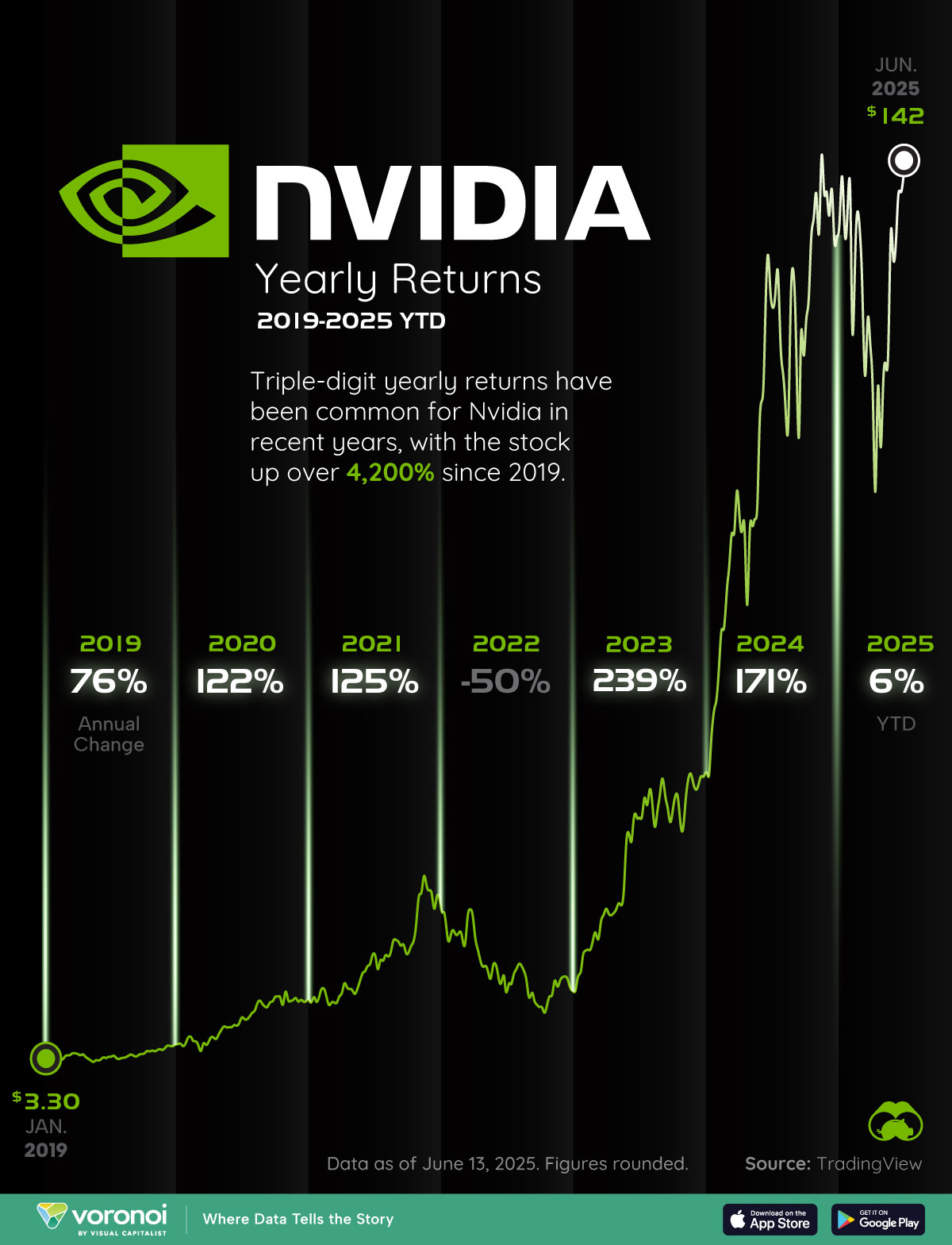
NVIDIA’s journey from a niche graphics card manufacturer to a trillion-dollar market cap behemoth is a testament to strategic innovation and market timing. Its stock performance has been nothing short of extraordinary over the past decade, outpacing many established tech giants. This meteoric rise is intrinsically linked to its foresight in positioning GPUs as the indispensable engine for parallel processing, a capability that proved foundational for modern AI and machine learning.
The AI Revolution and GPU Leadership
At the core of NVIDIA’s stock performance lies its unparalleled leadership in high-performance computing, specifically in the realm of AI. While initially designed for rendering complex graphics in video games, GPUs found their true calling in accelerating the intensive computations required for training AI models. NVIDIA’s CUDA platform further cemented its dominance, creating a powerful ecosystem that developers embraced, making it difficult for competitors to catch up. The company’s data center segment, which supplies these powerful AI chips and software platforms, has become its primary growth engine, overshadowing its traditional gaming business in terms of revenue contribution and growth rate. This strategic shift positioned NVIDIA at the epicenter of the most transformative technological wave of our time, directly translating into robust investor interest and a rapidly appreciating stock price.
Historical Performance Overview
Examining NVIDIA’s historical stock performance reveals a pattern of sustained growth punctuated by periods of significant acceleration. Over the last five years, for instance, the stock has delivered multi-bagger returns, reflecting successive quarters of strong earnings, beat-and-raise guidance, and an expanding total addressable market (TAM). While short-term volatility is inherent to any growth stock, NVIDIA has consistently demonstrated its ability to recover and set new highs, largely driven by fundamental improvements in its business segments. Even during broader market downturns, the structural tailwinds of AI and high-performance computing have often provided a cushion, though it is not immune to macro pressures or industry-specific cycles. Investors who bought into NVIDIA years ago have reaped substantial rewards, making it a case study in identifying companies at the forefront of paradigm-shifting technologies.
Key Financial Metrics and Valuation Insights
To assess “how NVIDIA stock is doing,” a deep dive into its financial statements and valuation multiples is crucial. These metrics provide a quantifiable basis for understanding its operational efficiency, profitability, and how the market perceives its intrinsic worth.
Revenue Growth and Profitability Trends
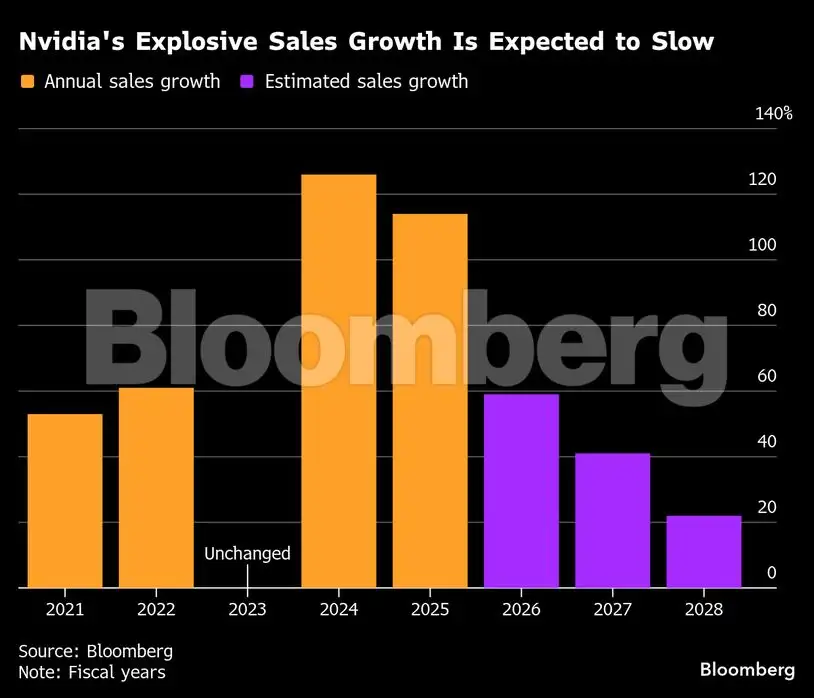
NVIDIA’s financial reports consistently highlight impressive revenue growth, particularly from its data center division. This segment’s expansion, driven by demand from hyperscalers, cloud service providers, and enterprises building AI infrastructure, has been the primary catalyst for its top-line performance. Gross margins have remained exceptionally strong, often exceeding 60-70%, indicative of the company’s proprietary technology, pricing power, and efficient manufacturing processes. Net income has also surged, leading to robust earnings per share (EPS) growth, which is a key driver of stock price appreciation. Analyzing these trends reveals not just growth, but highly profitable growth, signifying a healthy and well-managed business.
Market Capitalization and Investor Sentiment
NVIDIA’s market capitalization has entered the exclusive club of trillion-dollar companies, a clear indicator of overwhelming investor confidence and its perceived future growth potential. This valuation reflects not only current performance but also a significant premium placed on its anticipated dominance in the evolving AI landscape. While a high market cap suggests widespread belief in the company’s prospects, it also means that future growth expectations are already substantially baked into the stock price. Investor sentiment, often fueled by analyst upgrades, positive news flow regarding AI advancements, and strategic partnerships, plays a crucial role in sustaining this high valuation, but also makes the stock sensitive to any negative surprises.
Debt, Cash Flow, and Financial Health
Beyond revenue and profit, a company’s financial health is best gauged by its balance sheet and cash flow statements. NVIDIA maintains a strong balance sheet, typically with a healthy cash reserve and manageable debt levels. This financial prudence provides flexibility for strategic investments, acquisitions, and navigating potential economic downturns. Its free cash flow generation is particularly impressive, indicating its ability to convert profits into tangible cash that can be reinvested into research and development, returned to shareholders through buybacks or dividends, or used to strengthen its market position. Strong cash flow is a vital sign of operational efficiency and a key factor for long-term financial stability, underpinning investor confidence in NVIDIA’s resilience.
Driving Factors Behind NVIDIA’s Stock Performance
NVIDIA’s stock performance is not a static phenomenon; it is propelled by a confluence of dynamic market forces and strategic business decisions. Understanding these drivers is essential for any investor tracking NVDA.
Data Center and AI Computing Demand
The insatiable demand for AI computing power is arguably the single most significant driver of NVIDIA’s stock. Every major technological shift requires an underlying infrastructure, and for AI, that infrastructure is powered by NVIDIA’s GPUs and software platforms like CUDA. From large language models (LLMs) to advanced machine learning applications, the need for faster, more powerful AI accelerators continues to grow exponentially. Hyperscale cloud providers (AWS, Azure, Google Cloud) are NVIDIA’s largest customers, constantly upgrading their data centers with NVIDIA’s latest offerings to support their AI-as-a-service offerings. This continuous upgrade cycle and the proliferation of AI applications across industries ensure a robust and expanding market for NVIDIA’s data center products.
Gaming Market Resilience and Innovation
While data center has taken the spotlight, NVIDIA’s roots are in gaming, and this segment remains a substantial, though more cyclical, contributor to its revenue. The gaming market continues to grow, driven by new game releases, the rise of esports, and advancements in visual fidelity. NVIDIA’s GeForce GPUs, known for their performance and features like real-time ray tracing and DLSS (Deep Learning Super Sampling), maintain a dominant market share. The company consistently innovates with new architectures and technologies, ensuring gamers continue to upgrade their hardware. Though less explosive than AI, the stable demand from the gaming community provides a foundational revenue stream that diversifies NVIDIA’s business model.
Professional Visualization and Automotive Segments
Beyond AI and gaming, NVIDIA has successfully diversified into other high-growth segments. Its professional visualization products, powered by Quadro GPUs, are critical for designers, engineers, and content creators working in fields like architecture, engineering, media, and entertainment. The demand for realistic simulations, complex CAD designs, and virtual production environments drives this segment. Furthermore, the automotive sector represents a nascent but potentially massive opportunity. NVIDIA’s DRIVE platform for autonomous vehicles and AI cockpit solutions positions it at the forefront of the self-driving car revolution. As car manufacturers increasingly adopt sophisticated AI for advanced driver-assistance systems (ADAS) and fully autonomous capabilities, NVIDIA stands to capture significant market share, adding another long-term growth vector.
Competitive Landscape and Strategic Acquisitions
NVIDIA operates in highly competitive markets, facing rivals like AMD, Intel, and increasingly, custom chip designs from its own customers (e.g., Google’s TPUs, Amazon’s Inferentia). However, NVIDIA has largely maintained its competitive edge through relentless innovation, strategic ecosystem building (CUDA), and timely acquisitions (e.g., Mellanox for high-speed networking, though ARM acquisition faced regulatory hurdles). Its ability to integrate hardware and software into comprehensive platforms provides a sticky ecosystem that is difficult for competitors to dislodge, contributing significantly to its sustained market leadership and, by extension, its stock performance.
Risks and Challenges for NVIDIA Investors
Despite its impressive trajectory, investing in NVIDIA is not without its risks. Prudent investors must consider potential headwinds that could impact its stock performance.
Geopolitical Tensions and Supply Chain Vulnerabilities
NVIDIA operates in a highly globalized industry, making it susceptible to geopolitical tensions, particularly those involving trade relations between the U.S. and China. Export restrictions on advanced AI chips to certain regions, while potentially impacting short-term revenue, also raise concerns about market access and competitive dynamics. Furthermore, the semiconductor industry is known for its complex supply chains. Any disruptions due to natural disasters, pandemics, or political instability can lead to manufacturing delays, chip shortages, and increased costs, directly affecting NVIDIA’s ability to meet demand and, consequently, its financial performance.
Regulatory Scrutiny and Market Concentration
As NVIDIA’s market power grows, it naturally attracts increased regulatory scrutiny. Concerns around anti-competitive practices, market concentration, and the potential for monopolistic behavior could lead to investigations, fines, or restrictions on future growth strategies. The failed acquisition of ARM Holdings due to regulatory challenges is a prime example of this risk. Furthermore, while its dominance in AI is currently an advantage, an over-reliance on a few key customers (e.g., large cloud providers) or a narrow range of products could make it vulnerable if those relationships sour or if a disruptive technology emerges.
Cyclical Nature of Semiconductor Industry
The semiconductor industry has historically been cyclical, characterized by periods of boom and bust. While AI provides a structural growth driver, NVIDIA’s gaming and professional visualization segments are still subject to these cycles, driven by consumer spending, economic conditions, and product refresh cycles. A significant slowdown in enterprise IT spending or consumer demand could impact these segments, even if data center remains strong. Investors need to be prepared for potential periods of slower growth or even declines in revenue for certain segments, which could pressure the stock price.
Valuation Concerns and Potential for Volatility
NVIDIA’s stock trades at a premium valuation relative to many other companies, reflecting its high growth prospects and market leadership. While justified by its strong fundamentals, this high valuation also means that the stock is particularly sensitive to any perceived slowdown in growth, earnings misses, or negative industry news. Any signs of competition catching up, a moderation in AI spending, or broader market corrections could trigger significant volatility. Investors must weigh the growth potential against the elevated valuation and understand that future returns may be more modest than past performance, especially if expectations become overly inflated.
The Future Outlook: What’s Next for NVIDIA Stock?
Looking ahead, NVIDIA remains exceptionally well-positioned to capitalize on the secular growth trends in AI, high-performance computing, and parallel processing. The question for investors is less about “if” it will continue to grow, but “at what pace” and “how sustainable” that growth will be.
Continued AI Dominance and Ecosystem Expansion
NVIDIA’s commitment to research and development, coupled with its robust ecosystem (CUDA, libraries, developer tools), suggests it will likely maintain its lead in AI accelerators for the foreseeable future. The company is constantly innovating with new chip architectures (e.g., Blackwell), interconnections, and software platforms designed to address ever-more complex AI models. As AI becomes ubiquitous across industries, from healthcare and finance to manufacturing and retail, NVIDIA’s total addressable market will only expand. Its strategic investments in AI software and services further lock in customers and create additional revenue streams, strengthening its ecosystem advantage.
Innovation in New Markets (Omniverse, Robotics)
NVIDIA is not resting solely on AI chips. Its ventures into new markets like the Omniverse (a platform for 3D design collaboration and simulation in the metaverse) and robotics represent significant long-term growth opportunities. The Omniverse aims to become the foundational platform for industrial digitalization, enabling enterprises to create “digital twins” for factories, cities, and products, simulating complex environments before physical deployment. Similarly, its work in robotics, combining AI, vision, and simulation, positions it to power the next generation of intelligent machines. These emerging segments, while currently smaller contributors, could become substantial revenue drivers in the coming decade, diversifying NVIDIA’s growth profile even further.
Analyst Projections and Long-Term Investment Thesis
Market analysts largely maintain a positive outlook on NVIDIA, often citing its irreplaceable role in AI infrastructure, strong financial performance, and extensive pipeline of innovation. While price targets vary, the consensus typically points to continued strong performance, albeit with an acknowledgment of its premium valuation. The long-term investment thesis for NVIDIA hinges on its ability to sustain its technological leadership, effectively monetize the widespread adoption of AI, and successfully expand into new frontier technologies. For investors with a long-term horizon and a high tolerance for volatility, NVIDIA continues to present a compelling, albeit high-risk, growth story within the technology sector.

Conclusion: Balancing Enthusiasm with Prudence
In conclusion, “how is NVIDIA stock doing?” is a question with a multi-faceted answer. Financially, the company is performing exceptionally well, driven by robust revenue growth, high profitability, and strong cash flow, predominantly fueled by its data center and AI segments. Its market capitalization reflects immense investor confidence and its pivotal role in the AI revolution. However, a prudent investor must also acknowledge the inherent risks: geopolitical uncertainties, supply chain complexities, the cyclical nature of its industry, and a premium valuation that leaves little room for error.
NVIDIA is not just participating in the AI boom; it is enabling it. Its technological prowess, strategic vision, and ecosystem leadership position it for continued success. For those looking at NVIDIA from a “Money” perspective, the stock represents a high-growth investment opportunity with significant upside potential, tethered to the most transformative technology of our era. Yet, as with any high-growth, high-valuation stock, vigilance and a clear understanding of both its immense strengths and potential vulnerabilities are paramount for navigating its future journey in the investment landscape.
aViewFromTheCave is a participant in the Amazon Services LLC Associates Program, an affiliate advertising program designed to provide a means for sites to earn advertising fees by advertising and linking to Amazon.com. Amazon, the Amazon logo, AmazonSupply, and the AmazonSupply logo are trademarks of Amazon.com, Inc. or its affiliates. As an Amazon Associate we earn affiliate commissions from qualifying purchases.