
The term “gringo” is a fascinating and often complex linguistic artifact, rich with cultural nuance and evolving meaning. Far from a simple descriptor, its usage and perception carry significant weight, particularly in the realm of brand identity, marketing, and cross-cultural communication. For individuals and corporations operating across borders, understanding “what gringos are” — both in its literal definition and its perceived implications — is not merely an academic exercise but a strategic imperative. It speaks to how identities are formed, how perceptions are shaped, and ultimately, how brands are built or undermined in diverse global landscapes.
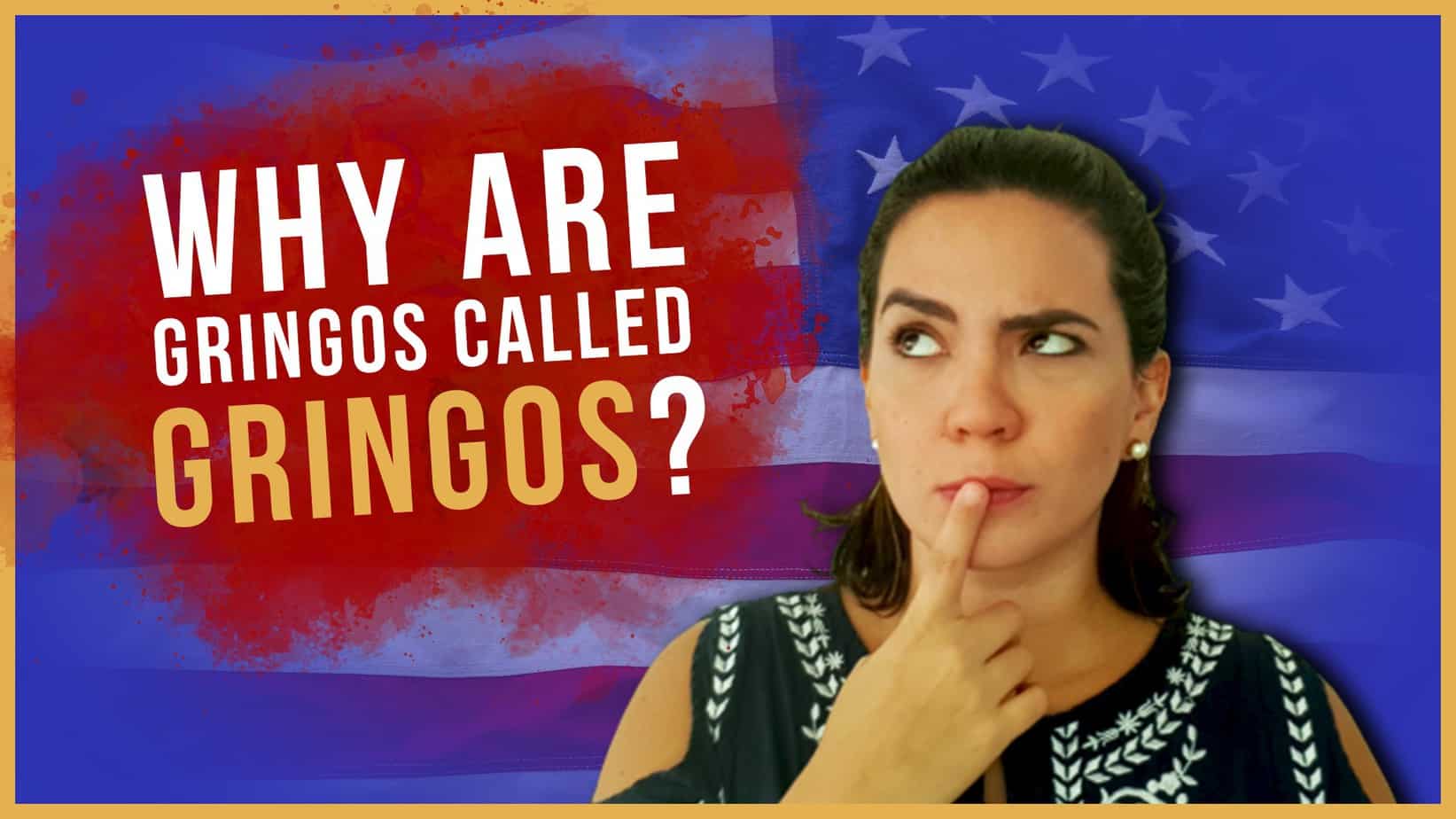
Decoding the Term: Origins and Evolution
To grasp its branding implications, one must first unpack the historical and cultural layers embedded within “gringo.” The term’s journey from an obscure colloquialism to a widely recognized identifier reveals much about linguistic evolution and societal perception.
Etymological Roots and Early Usage
The precise etymology of “gringo” is debated, contributing to its enigmatic nature. One popular, albeit likely apocryphal, theory attributes its origin to the Mexican-American War, suggesting it derived from Mexican citizens hearing American soldiers sing “Green Grow the Rushes, O” or similar songs, shortening “green grow” to “gringo.” Another widely cited theory, supported by linguistic research, points to the Spanish word “griego,” meaning Greek. The phrase “hablar en griego” (“to speak in Greek”) traditionally signifies speaking unintelligibly, much like the English idiom “it’s Greek to me.” Over time, “griego” could have transformed into “gringo” to describe anyone whose language was incomprehensible, particularly foreigners.
Early documented uses appear in 19th-century Spanish dictionaries. For instance, the 1859 Diccionario nacional by Ramón Joaquín Domínguez defined “gringo” as “foreigner, especially one who speaks English, and in general any who speaks a language not understood in Spain.” This early definition highlights its initial broad application to any unintelligible speaker, rather than exclusively Americans.
Cultural Diffusion and Shifting Meanings
As geopolitical landscapes shifted, particularly with increased interaction between Latin America and English-speaking countries, the term’s application narrowed. In Mexico and Central America, it predominantly came to refer to people from the United States, and by extension, often those of Anglo-Saxon descent or from Western European countries. In South America, its meaning can be even more expansive, sometimes used for any fair-skinned foreigner or even specific European nationalities, depending on the region.
Crucially, the connotation of “gringo” is not static. It exists on a spectrum from neutral and descriptive (simply identifying a foreigner) to pejorative, carrying implications of otherness, cultural insensitivity, or even economic exploitation. The specific context, tone of voice, and relationship between speakers heavily influence its perceived meaning. This fluidity is paramount for branding professionals, as misinterpreting or mismanaging these connotations can have profound impacts on market acceptance and brand reputation.
The Brand Perception: Navigating “Gringo” Identity
The complex nature of “gringo” makes it a potent factor in brand perception, affecting both individual personal brands and the corporate identities of global enterprises. Understanding how this identity is projected and received is vital for strategic positioning.
Personal Branding: Self-Perception vs. External View
For individuals living or working abroad, particularly in Latin America, being labeled a “gringo” is a common experience. How one responds to this label, and how it informs their personal brand, is critical. For some, it might be an affectionate, neutral term acknowledging their foreignness. For others, it can feel like an exclusionary or even demeaning label.
The challenge in personal branding lies in bridging the gap between self-perception and external perception. An expatriate professional might see themselves as a global citizen, a cultural bridge-builder, or an expert in their field. However, if the local perception, colored by the “gringo” label, views them as an outsider, someone disconnected from local realities, or even someone carrying historical baggage, their personal brand can suffer. This disparity can impact networking, career progression, and the ability to build trust and rapport. Effective personal branding in such contexts requires a deep understanding of local culture, active engagement, and a conscious effort to demonstrate respect and integration, thereby mitigating potentially negative “gringo” stereotypes.
Corporate Identity: Global Brands in Local Markets
For international corporations, particularly those originating from countries whose citizens are often labeled “gringos,” managing this perception is a cornerstone of corporate identity strategy. A brand might represent innovation, quality, and progress in its home market, but upon entering a new region, it could inadvertently inherit the “gringo” baggage. This can manifest as skepticism towards the brand’s motives, distrust of its practices, or resistance to its products or services, regardless of their intrinsic value.
Take, for example, a U.S.-based fast-food chain expanding into Mexico. Its corporate identity must not only convey its culinary offerings but also navigate the complex socio-economic and cultural landscape where “gringo” might evoke historical grievances or contemporary concerns about cultural homogenization. Brands that fail to acknowledge and proactively address these underlying perceptions risk being seen as opportunistic outsiders rather than integrated community members. Crafting a corporate identity that is genuinely locally resonant, respectful, and inclusive becomes paramount to overcoming potential “gringo” biases.
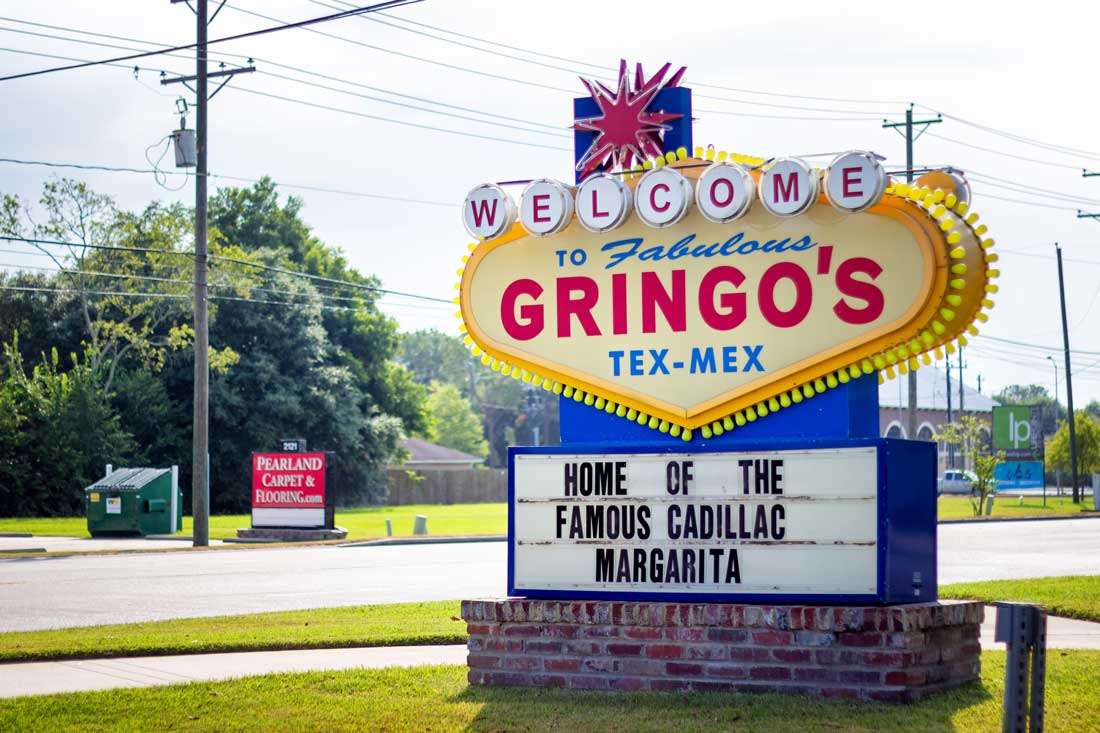
Strategic Implications for Branding and Marketing
The term “gringo” is more than a cultural curiosity; it’s a powerful lens through which marketing and branding strategies must be filtered. Ignoring its implications can lead to significant missteps, while leveraging a nuanced understanding can foster profound connection.
Market Entry and Cultural Sensitivity
When a brand, especially one with origins in a “gringo-associated” country, plans market entry into Latin American regions, cultural sensitivity is not merely a nicety—it’s a foundational strategic requirement. A brand’s initial approach can set the tone for its entire market trajectory. Rushing in with a “one-size-fits-all” global campaign, without localizing content, messaging, and even product offerings, risks being perceived as arrogant or culturally tone-deaf. This can immediately trigger negative “gringo” connotations of outsiders imposing their ways.
Successful market entry strategies involve extensive qualitative research into local perceptions, including attitudes towards foreign brands and the specific implications of the “gringo” label in that particular region. This research informs product adaptation, pricing strategies, distribution channels, and, most importantly, the overarching brand narrative. Brands that collaborate with local talent, invest in local communities, and genuinely adapt their operations to local customs are more likely to be embraced as part of the fabric of the community, rather than being seen as transient “gringo” invaders.
Communication Strategies and Tone
The language and tone used in marketing communications are critical. A brand originating from a “gringo” country must be acutely aware of how its messaging is translated and interpreted. Literal translation is often insufficient; cultural translation is essential. Jokes, idioms, visual metaphors, and even color schemes that work well in one cultural context can be offensive or nonsensical in another.
Beyond specific elements, the overall tone of communication matters. Brands should avoid anything that could be construed as patronizing, overly dominant, or culturally insensitive. Instead, communications should aim for humility, respect, and a genuine desire to connect with the local audience on their terms. This might mean using local dialects, celebrating local holidays, or featuring local influencers in campaigns. The goal is to demonstrate a deep understanding and appreciation for the target culture, signaling that the brand is not merely an external “gringo” entity, but a thoughtful and integrated participant.
Building Authenticity and Trust
In markets where the “gringo” perception might elicit skepticism, authenticity and trust become the brand’s most valuable assets. These are not built overnight but through consistent, transparent, and respectful engagement. Brands must demonstrate a long-term commitment to the market, beyond just extracting profit.
This includes ethical business practices, fair labor standards, environmental responsibility, and genuine contributions to local development. Social responsibility initiatives, when authentically executed and aligned with local needs, can be powerful tools for building trust and mitigating negative “gringo” associations. When a brand invests in local education, supports local entrepreneurs, or champions local causes, it transcends the “foreign” label and begins to forge a deeper, more meaningful connection with consumers, evolving its identity from a mere “gringo” brand to a trusted community partner.
Beyond the Stereotype: Cultivating Cross-Cultural Understanding
Ultimately, navigating the complexities of “gringo” perceptions in branding is part of a larger mission: fostering genuine cross-cultural understanding. For brands, this isn’t just about avoiding pitfalls; it’s about seizing opportunities to build bridges and create inclusive global identities.
Education as a Brand Imperative
Both internally and externally, brands have an imperative to educate. Internally, this means training employees—from leadership to ground staff—on cultural nuances, historical context, and the specific implications of terms like “gringo” in their target markets. A culturally literate workforce is better equipped to avoid missteps and build rapport. Externally, brands can use their platforms to promote understanding, challenge stereotypes, and celebrate cultural diversity. This positions the brand as a thought leader and a champion of inclusivity, enhancing its reputation and fostering goodwill.
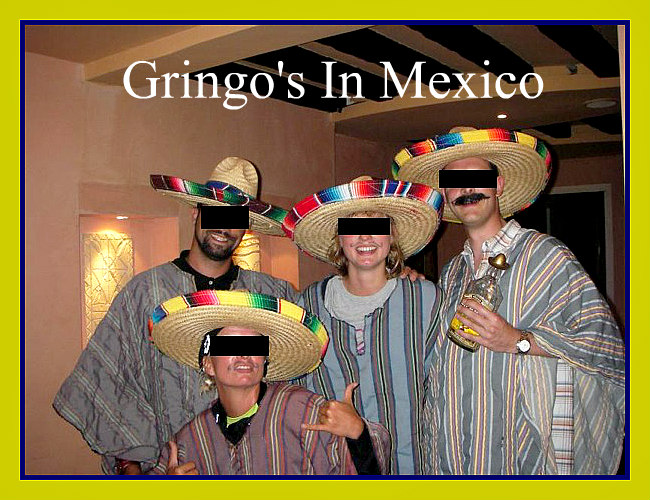
Fostering Inclusivity and Belonging
The most advanced brand strategies move beyond simply adapting to local cultures; they actively seek to create a sense of inclusivity and belonging. This means designing products, services, and experiences that resonate deeply with diverse audiences, making everyone feel seen, valued, and respected. For a brand operating in a market where the “gringo” label exists, this could involve co-creating with local artists, designers, and community leaders, ensuring that the brand’s offerings reflect and empower local identities, rather than overshadowing them.
By consciously working to dismantle negative perceptions and replace them with narratives of shared values and mutual respect, brands can transcend the limitations of labels like “gringo.” They can evolve into entities that are truly global in their reach but deeply local in their heart, demonstrating that understanding “what gringos are” is merely the starting point for building powerful, respectful, and enduring brand relationships across the world.
aViewFromTheCave is a participant in the Amazon Services LLC Associates Program, an affiliate advertising program designed to provide a means for sites to earn advertising fees by advertising and linking to Amazon.com. Amazon, the Amazon logo, AmazonSupply, and the AmazonSupply logo are trademarks of Amazon.com, Inc. or its affiliates. As an Amazon Associate we earn affiliate commissions from qualifying purchases.