
In the narrative of human progress, few inventions are as monumental as the power grid. Often described as the largest and most complex machine ever built by humanity, the power grid is the invisible architecture that supports every facet of modern life. However, to view the grid simply as a collection of wires and poles is to miss the profound technological revolution currently underway. Today’s power system is evolving from a static, mechanical infrastructure into a dynamic, software-defined ecosystem driven by artificial intelligence (AI), the Internet of Things (IoT), and advanced digital security.
Defining the Power Grid: From Physical Circuits to Digital Ecosystems
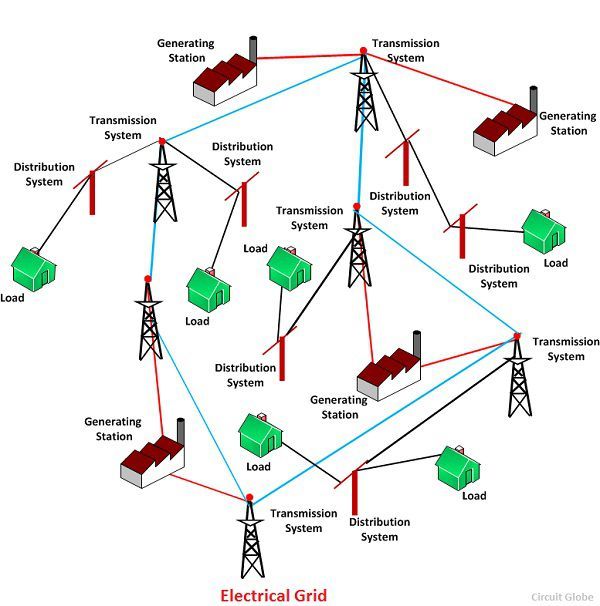
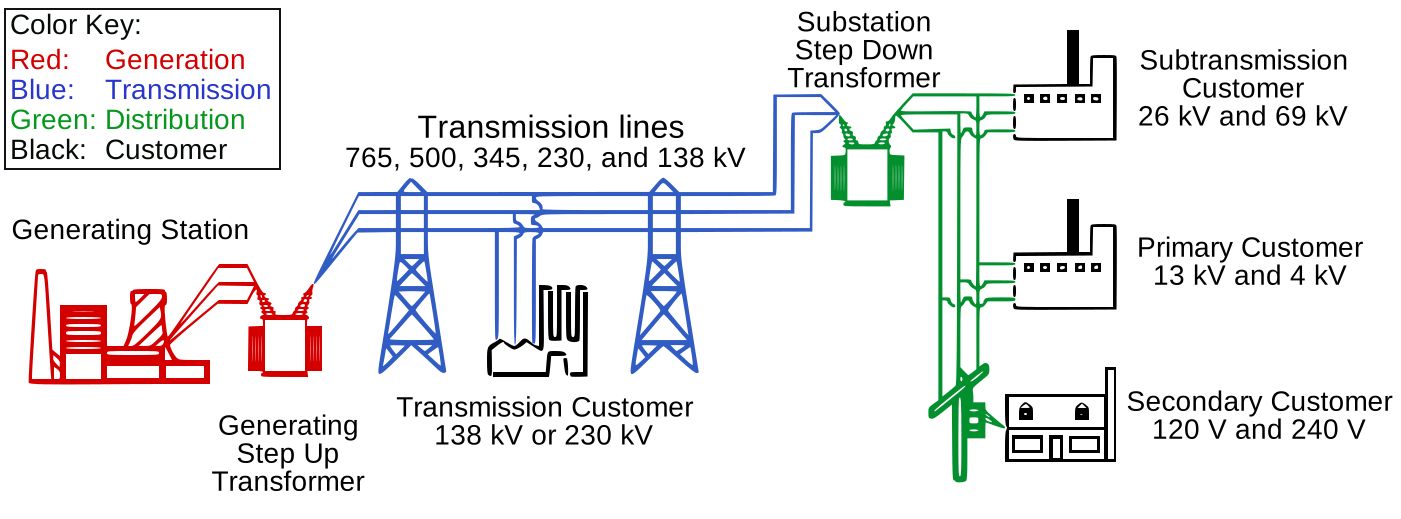
At its most fundamental level, a power grid is a network of interconnected components designed to deliver electricity from producers to consumers. For over a century, this system operated on a “hub-and-spoke” model: large, centralized power plants generated electricity, which was then pushed through high-voltage transmission lines and stepped down through transformers for local distribution.
The Core Components of Energy Transmission
The technological framework of a grid consists of three primary stages: generation, transmission, and distribution. Generation involves the conversion of mechanical or chemical energy into electrical energy. Transmission is the “superhighway” phase, utilizing high-voltage lines to move electricity over vast distances with minimal loss. Finally, distribution is the local network that delivers usable voltage to homes and businesses. Traditionally, this was a one-way street, but the integration of digital sensors has turned these physical pathways into data-rich environments.
The Shift Toward Bi-Directional Flow
One of the most significant technological shifts in the modern era is the transition from one-way delivery to bi-directional flow. Modern grids must now accommodate “prosumers”—individuals or businesses that both consume and produce energy (often via solar panels). This requires advanced switching technology and sophisticated software to manage the influx of energy from the “edge” of the grid back into the main system. This transition represents a shift from a purely electrical engineering challenge to a complex data management challenge.
The Rise of the Smart Grid: IoT and Real-Time Data Analytics
The “Smart Grid” is the term used to describe the integration of digital communication technology with the electrical infrastructure. By overlaying a digital layer on top of the physical wires, utility providers can monitor, analyze, and control energy flow in real-time. This is where the power system firmly enters the realm of “Big Tech.”
Sensor Networks and Advanced Metering Infrastructure (AMI)
The backbone of the smart grid is the Advanced Metering Infrastructure (AMI). Unlike traditional analog meters that required manual reading, smart meters are IoT devices that provide two-way communication between the utility and the customer. These devices collect granular data on consumption patterns, allowing for “Time-of-Use” pricing and demand-response programs. Beyond the home, thousands of sensors called Phasor Measurement Units (PMUs) are deployed across transmission lines to measure the health of the grid in milliseconds, preventing cascading failures before they begin.
Predictive Maintenance and Edge Computing
In the tech world, downtime is the enemy. For the power grid, downtime can be life-threatening. Utilities are now leveraging edge computing—processing data locally at the site of the sensor rather than in a distant cloud server—to make instantaneous decisions. By applying machine learning algorithms to the data collected from transformers and lines, companies can practice predictive maintenance. They can identify a component likely to fail due to heat or wear and replace it during a scheduled window, rather than reacting to a catastrophic blackout.
Integrating Renewable Energy: The Tech-Driven Balancing Act
As the world pivots toward sustainability, the technology behind the grid faces its greatest hurdle: intermittency. Unlike coal or gas, which provide a steady “baseload,” wind and solar energy fluctuate based on weather conditions. Managing this volatility requires a suite of high-tech solutions.
Energy Storage Systems (ESS) and Battery Management
To bridge the gap when the sun isn’t shining or the wind isn’t blowing, the grid relies on Energy Storage Systems (ESS). While the hardware (lithium-ion or flow batteries) is impressive, the real “magic” is in the Battery Management System (BMS) software. These AI-driven platforms decide exactly when to store energy and when to discharge it into the grid to maintain frequency stability. This involves complex algorithms that track market prices, weather forecasts, and grid load in real-time.
Virtual Power Plants (VPPs) and Distributed Energy Resources
A Virtual Power Plant (VPP) is a cloud-based distributed power plant that aggregates the capacities of heterogeneous Distributed Energy Resources (DERs). Through sophisticated software, a utility can “bundle” thousands of home batteries, electric vehicle (EV) chargers, and solar inverters to act as a single, reliable power source. This decentralized tech approach reduces the need for “peaker” plants (expensive, polluting plants used only during high demand) and creates a more resilient, software-managed energy network.
Cybersecurity in the Grid: Protecting Critical Infrastructure
As the power grid becomes more connected, it also becomes more vulnerable to digital threats. In the niche of digital security, the power grid is considered “Critical Infrastructure,” making it a primary target for state-sponsored actors and cybercriminals. A breach in the grid’s control systems could theoretically shut down entire cities.
Defending Against Digital Threats to Utilities
The primary tech challenge in grid security is protecting SCADA (Supervisory Control and Data Acquisition) systems. These are the software systems that control the physical hardware of the grid. Modern security protocols involve implementing “Zero Trust” architectures, where every device and user must be continuously verified. Furthermore, utilities are using “digital twins”—virtual replicas of the physical grid—to run simulations and identify vulnerabilities in a safe, sandboxed environment before they can be exploited in the real world.
The Role of Blockchain in Decentralized Energy Trading
To secure transactions and data integrity in a decentralized grid, some tech innovators are looking toward blockchain technology. Blockchain can provide a transparent, tamper-proof ledger for peer-to-peer (P2P) energy trading. In this model, if your neighbor’s solar panels produce excess energy, you can buy it directly from them via an automated smart contract. The blockchain ensures that the transaction is secure and that the energy is accounted for without the need for a centralized intermediary, effectively “democratizing” the technological architecture of the grid.
The Future of Energy Technology: AI and Autonomous Grids
The ultimate goal of grid evolution is the “Self-Healing Grid.” This represents the pinnacle of AI integration, where the system is capable of diagnosing and repairing itself without human intervention.
Machine Learning for Demand Forecasting
The most difficult part of running a grid is matching supply with demand in real-time. If there is too much or too little power on the lines, the frequency shifts, and equipment breaks. Tech companies are now deploying deep learning models that ingest trillions of data points—historical usage, local weather patterns, even major televised events that cause spikes in appliance use—to forecast demand with unprecedented accuracy. This allows for a much tighter “margin of error,” making the entire system more efficient and reducing wasted energy.

The Path to a Self-Healing Infrastructure
Imagine a scenario where a storm knocks down a power line. In a traditional grid, a blackout occurs, and workers must manually find the break. In an autonomous grid, smart switches (reclosers) detect the fault, communicate with each other, and automatically reroute power through alternate paths in seconds. This automated response—powered by high-speed communication and localized logic—minimizes the impact of outages and represents the future of resilient technological design.
The modern power grid is no longer a “dumb” utility; it is a sophisticated, data-driven machine. As we integrate more AI, more IoT sensors, and more robust cybersecurity measures, the grid will continue to transform. It is the silent engine of the digital age, a masterpiece of technology that ensures the lights stay on, the data stays flowing, and the future remains bright.
aViewFromTheCave is a participant in the Amazon Services LLC Associates Program, an affiliate advertising program designed to provide a means for sites to earn advertising fees by advertising and linking to Amazon.com. Amazon, the Amazon logo, AmazonSupply, and the AmazonSupply logo are trademarks of Amazon.com, Inc. or its affiliates. As an Amazon Associate we earn affiliate commissions from qualifying purchases.