
In the world of visual communication, color is far more than a decorative choice; it is a psychological trigger, a silent language, and a foundational pillar of corporate identity. When we ask the fundamental question, “What color do green and red make?” the answer depends entirely on the medium of the brand—whether it lives in the digital glow of a smartphone screen or the physical texture of printed packaging.
For brand strategists and designers, the intersection of red and green represents one of the most challenging yet rewarding puzzles in color theory. By understanding how these two powerful hues interact, brands can navigate the thin line between visual harmony and sensory overload, ultimately creating a visual identity that resonates with their target audience on a subconscious level.
The Science of Color Mixing: Additive vs. Subtractive Models
To understand what happens when red and green meet, a brand strategist must first distinguish between the two primary ways color is created: the additive model (light) and the subtractive model (pigment). This distinction is critical because it dictates how a brand’s logo will appear across different touchpoints, from a high-resolution Instagram ad to a cardboard shipping container.
RGB and the Digital Golden Glow
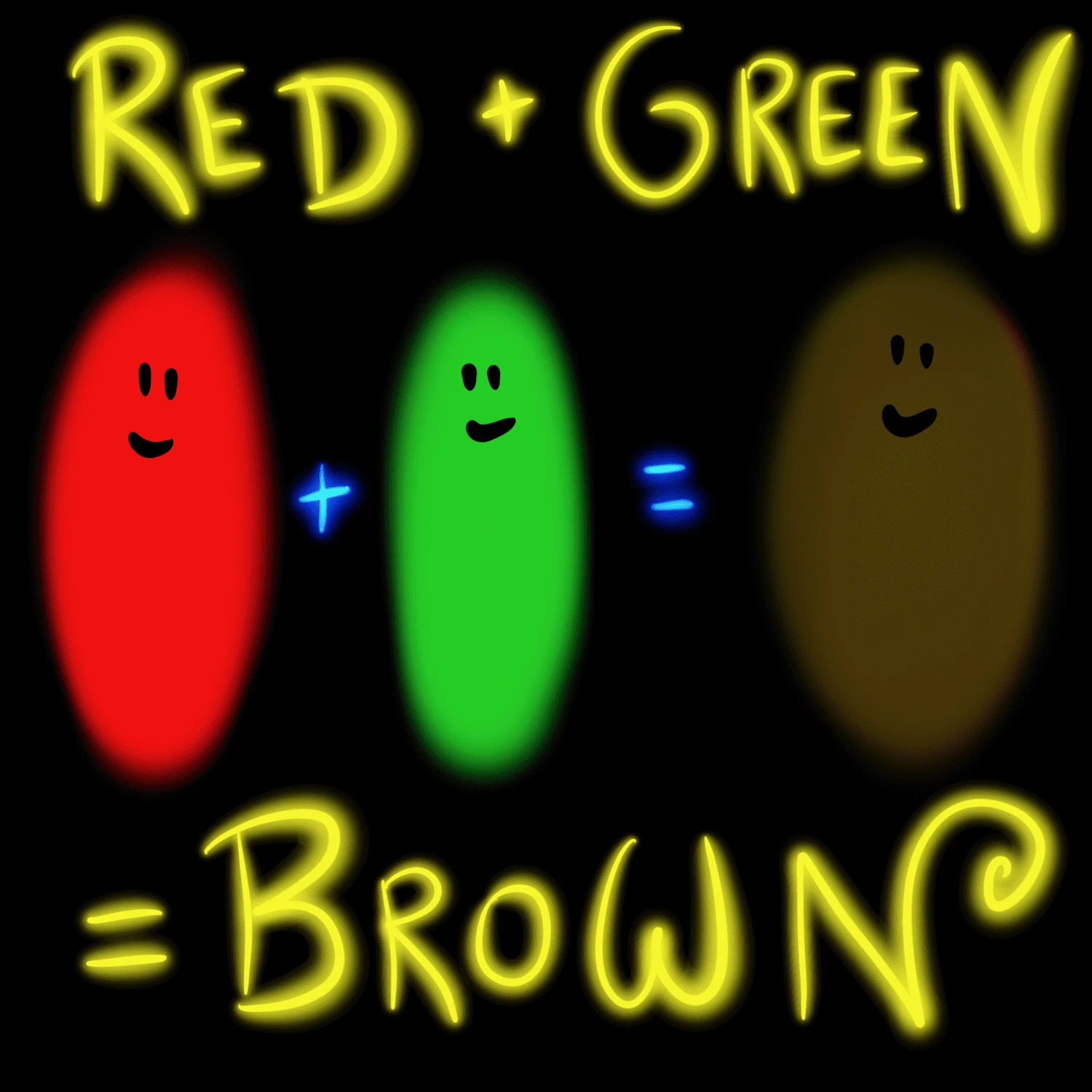
In the digital realm—monitors, television screens, and mobile devices—brands operate within the RGB (Red, Green, Blue) color model. This is an additive process where light is projected to create color. When you mix red light and green light at full intensity, the result is yellow.
This is a profound realization for digital branding. Yellow is the color of optimism, clarity, and energy. By strategically balancing red and green pixels, digital designers can evoke a sense of warmth and visibility. Brands that want to appear “illuminated” or “vibrant” in the digital space often utilize the transition between red and green to create gradients that suggest sunrises or high-energy environments.
CMYK and the Physical Earth Tones
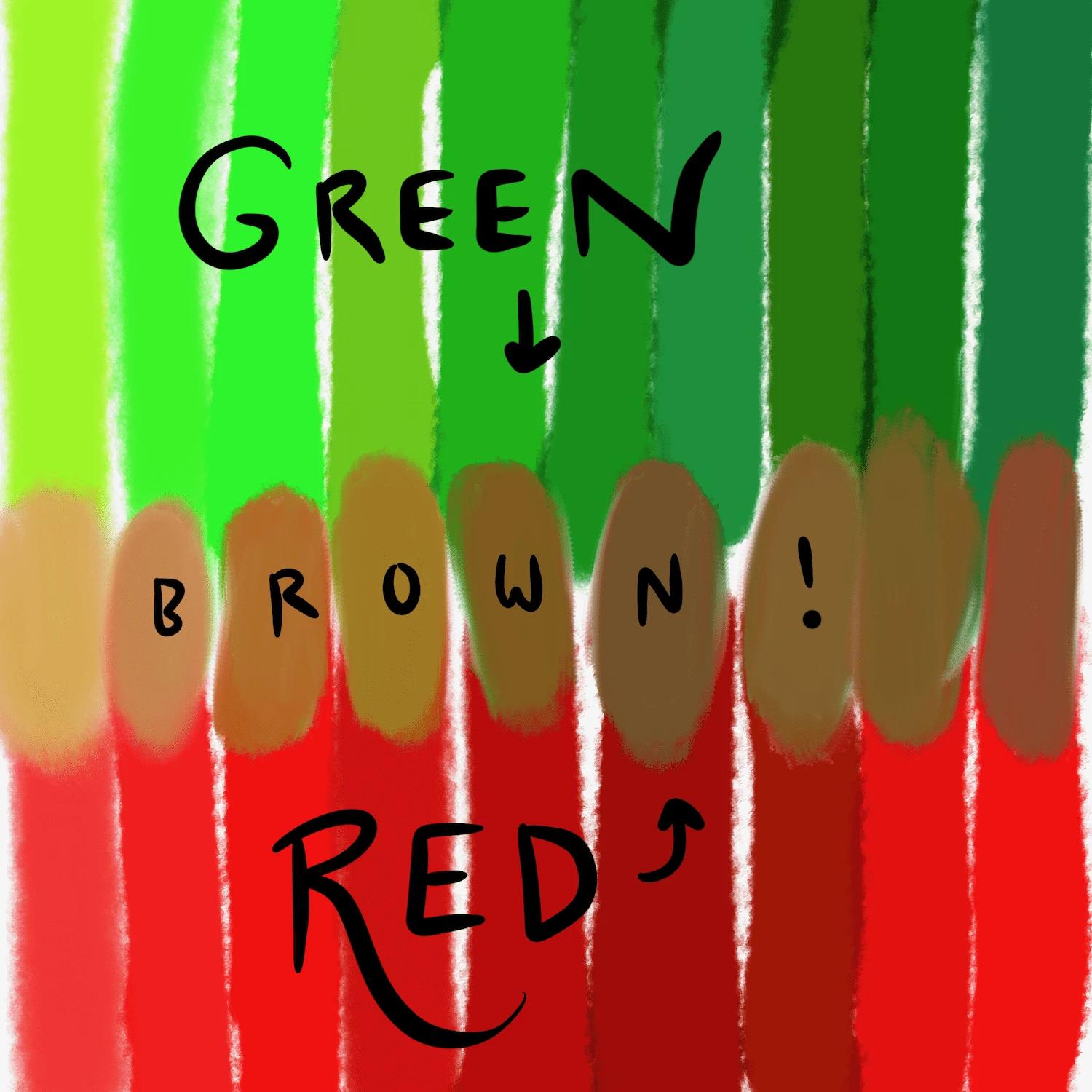
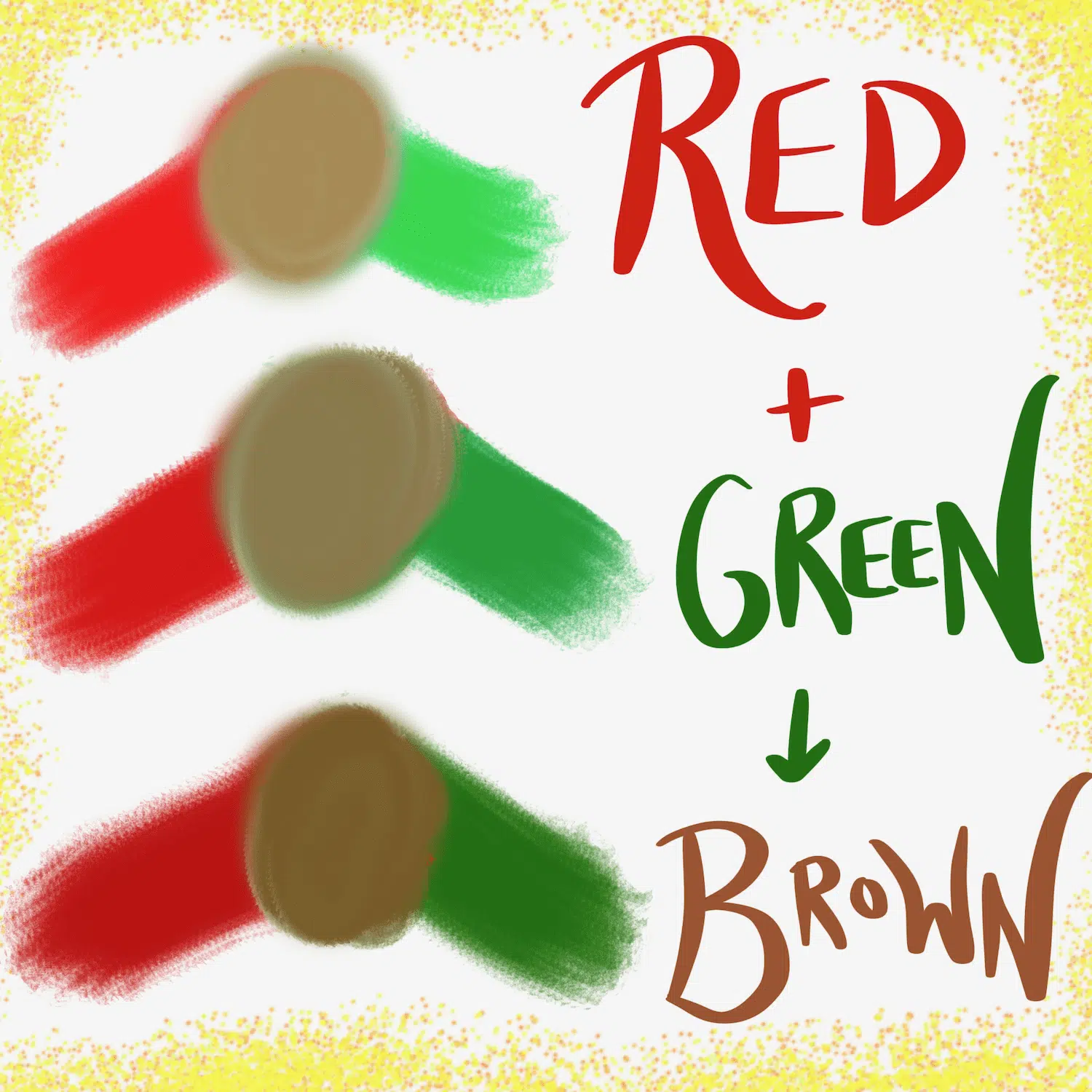
Conversely, when dealing with physical products, apparel, or print media, we use the subtractive model (CMYK or RYB). In this context, red and green are “complementary colors,” meaning they sit opposite each other on the traditional color wheel. When you mix red paint and green paint, they effectively cancel each other out, resulting in a brownish-grey or “muddy” neutral.
For a brand, this “muddy” result is often seen as a risk, but in the hands of a sophisticated corporate identity designer, it represents a path to organic, earthy, and sophisticated tones. High-end lifestyle brands often use these neutralized blends to communicate stability, heritage, and groundedness—qualities that pure, vibrant colors sometimes lack.
The Psychological Collision: Navigating Red and Green in Brand Strategy
Every color carries a psychological weight. When a brand decides to utilize both red and green, it is attempting to bridge two vastly different emotional spectrums. The success of the brand depends on how well these two competing energies are synthesized.
Red: The Pulse of Urgency and Passion
Red is the most physically stimulating color in the brand palette. It is known to increase heart rates, stimulate appetite, and create a sense of urgency. Brands like Coca-Cola, Netflix, and Target use red to demand attention and signify leadership. In the context of brand strategy, red is the “hook”—it is the call to action that tells the consumer to “look here” or “buy now.”
Green: The Anchor of Growth and Stability
Green, on the other hand, is the color of the natural world. It signals safety, health, renewal, and prosperity. From Whole Foods to Starbucks, green is used to build trust and suggest a commitment to sustainability or wellness. It provides a calming counterpoint to the aggressive nature of red. In brand architecture, green acts as the “reassurance”—it tells the consumer that while the brand is powerful, it is also safe and ethical.
The Synergy of Opposites
When these two colors are used together in a brand’s visual identity, they create a high-contrast relationship. This tension can be used to represent a “complete” brand—one that is both exciting (Red) and sustainable (Green). However, because they are complementary, they can also cause “color vibration,” a visual phenomenon where the edges of the colors seem to move or glow, which can be fatiguing for the eye if not managed through proper saturation and value adjustments.
Beyond the “Holiday Trap”: Mastering Complementary Contrast
One of the greatest hurdles for a brand strategy involving red and green is the immediate cultural association with Christmas. For a global brand seeking a year-round identity, falling into the “Holiday Trap” can limit the brand’s perceived versatility. Strategic branding requires a more nuanced approach to the red-green relationship.
Shifting Values and Saturation
To avoid the festive association, brand designers rarely use primary red and primary green together. Instead, they shift the “values” (lightness or darkness) or the “saturation” (intensity) of the colors.
For example, a luxury brand might pair a deep, desaturated forest green with a muted terracotta red. This moves the identity away from “tinsel and ornaments” and toward “heritage and craftsmanship.” Brands like Gucci or Rolex utilize specific shades of green and red that feel institutional and prestigious rather than seasonal. By darkening the green and choosing a more sophisticated, slightly orange-leaning red, the brand creates a palette that feels timeless.
The Role of Neutral “Breathing Room”
What color do green and red make when they aren’t physically mixed but are placed side-by-side? They create a visual vibration that requires a “mediator.” Successful brand strategies often introduce a third, neutral color—such as white, cream, or charcoal—to act as a buffer.
In the branding for 7-Eleven, the red and green are separated by white space and accented with orange. This allows the red and green to coexist without competing for the viewer’s focus. The white provides “breathing room,” ensuring that the brand feels energetic and clean rather than cluttered or overwhelming.
Practical Applications: When to Blend and When to Contrast
In modern brand strategy, the choice between mixing these colors (to create a third tone) or contrasting them (to create a visual hierarchy) depends on the brand’s core message and market positioning.
Accessibility and Inclusive Design
A critical consideration for any brand today is accessibility. Approximately 8% of men and 0.5% of women have some form of color vision deficiency, with red-green color blindness being the most common. If a brand relies solely on the distinction between red and green to communicate information (such as “stop/go” or “error/success”), it risks alienating a significant portion of its audience.
Inclusive brand strategy dictates that when red and green are used, they must be accompanied by different shapes, icons, or text labels. Furthermore, ensuring a high contrast in brightness between the two colors allows color-blind users to distinguish them as different shades of grey, maintaining the brand’s functionality across all user demographics.
Sector-Specific Case Studies
The application of the red-green dynamic varies wildly across sectors:
- The Food Industry: Red stimulates appetite, while green suggests fresh ingredients. This is why many fast-casual dining brands utilize this pairing to suggest “Freshly Made, Fast.”
- The Financial Sector: In trading platforms, red and green represent loss and gain. A brand in this space might use a “muted” red-green palette to reduce the user’s stress levels during market volatility, opting for teal and coral instead of neon green and blood red.
- The Outdoor/Adventure Sector: Brands in this niche often blend red and green into the “brown” subtractive result mentioned earlier. This creates a palette of khakis, olives, and rusts that signals durability and an outdoor lifestyle.
Conclusion: The Strategic Palette
So, what color do green and red make? To a scientist, they make yellow or brown. To a brand strategist, they make an opportunity.
The combination of red and green represents the ultimate balance of human emotion—the drive of passion and the peace of nature. When managed with technical precision and psychological insight, this color pair allows a brand to stand out in a crowded marketplace. By understanding the additive brilliance of digital yellow and the subtractive depth of physical earth tones, designers can craft identities that are not only visually striking but also strategically sound.
In the end, branding is about more than just choosing colors; it is about mastering the alchemy of how those colors interact, ensuring that every hue serves the brand’s ultimate mission: to be seen, to be understood, and to be remembered.
aViewFromTheCave is a participant in the Amazon Services LLC Associates Program, an affiliate advertising program designed to provide a means for sites to earn advertising fees by advertising and linking to Amazon.com. Amazon, the Amazon logo, AmazonSupply, and the AmazonSupply logo are trademarks of Amazon.com, Inc. or its affiliates. As an Amazon Associate we earn affiliate commissions from qualifying purchases.