
The world of commodities often conjures images of oil, gold, or agricultural staples. Yet, beneath the surface of mainstream financial markets lies a fascinating array of niche commodities, each with its own unique value proposition and economic ecosystem. “Gray salt,” a term that might initially evoke images of a simple seasoning, actually represents a specialized segment within the global salt market, one that carries significant economic weight due to its distinct properties and applications. Understanding what constitutes gray salt, where it originates, and how it functions within financial and trade spheres is crucial for grasping its true economic significance. This exploration delves into the multifaceted financial landscape of gray salt, from its market dynamics to its investment potential.
The Economic Genesis of Gray Salt: Beyond the Kitchen Pantry
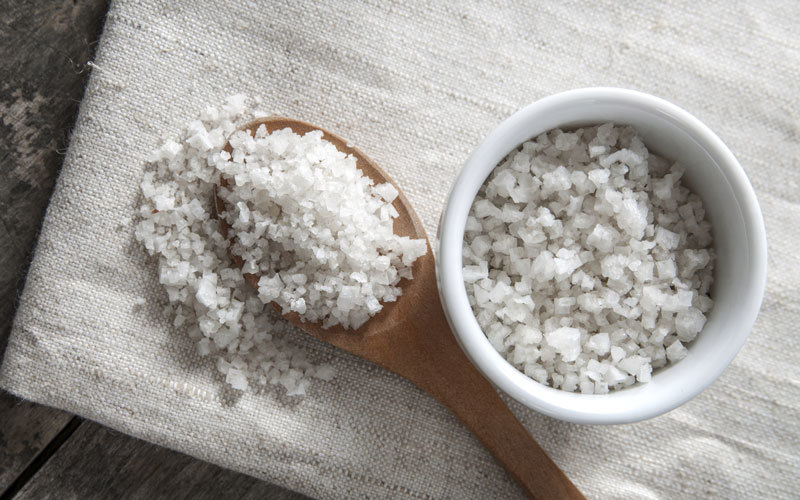
Gray salt is not a mere culinary ingredient; it’s a classification of salt defined by its production methods, mineral content, and purity, which directly influence its market price and its utility in various industrial and specialized applications. Unlike common table salt, which is typically refined to a high degree of purity (sodium chloride), gray salt retains a greater proportion of its natural mineral impurities. These trace minerals, such as magnesium, potassium, and calcium, are what give gray salt its characteristic hue and, more importantly, its unique properties that command higher value in specific markets.
Defining Gray Salt: A Spectrum of Purity and Origin
The term “gray salt” is often used to encompass a range of sea salts and rock salts that have undergone minimal processing. The coloration, ranging from light to dark gray, is a direct result of the presence of these naturally occurring minerals and sometimes organic matter absorbed during the salt’s formation.
- Sea Salt Varieties: Many gray salts are derived from pristine marine environments. The specific location of harvesting plays a critical role in the mineral profile. For instance, Celtic sea salt, often categorized as a gray salt, is harvested from the Guérande marshes in France, where the clay-rich seabed imparts a distinct mineral composition. Similarly, other artisanal sea salts from regions like Brittany, or even certain Himalayan pink salts (which can sometimes appear gray due to mineral content), fall under this broader umbrella. The harvesting process itself is often traditional and labor-intensive, contributing to its premium pricing.
- Rock Salt and Ancient Deposits: Certain types of gray rock salt, formed from ancient evaporated seabeds, also fit this classification. These salts might be mined and then minimally processed to remove larger debris, but their natural mineral matrix remains largely intact. The geological conditions under which these salts formed dictate their unique mineral makeup.
The economic value here lies in the naturalness and uniqueness of the product. Consumers and industries willing to pay a premium for these specific qualities drive the market demand. This differentiates gray salt from bulk industrial salt, where cost-efficiency and high purity are paramount.
The Value Chain: From Harvest to Premium Market
The journey of gray salt from its origin to its end-user involves a distinct value chain that reflects its specialized nature. Unlike commodities traded in massive volumes on global exchanges, gray salt often operates within smaller, more specialized markets.
- Artisanal Production and Harvesting: The initial stage is characterized by meticulous and often labor-intensive harvesting methods. This can include traditional methods like hand-raking sea salt from evaporating ponds or carefully mining rock salt. The cost of labor and the specialized knowledge required for these processes are significant factors in the initial pricing.
- Processing and Packaging: While minimal processing is key to retaining its “gray” characteristics, some sorting, drying, and packaging are necessary. This stage also adds value, as packaging often emphasizes the artisanal origin and premium nature of the product. Brands investing in attractive and informative packaging can significantly influence consumer perception and willingness to pay.
- Distribution and Retail: Gray salt is typically distributed through specialty food stores, gourmet markets, and online retailers. Its target market is often discerning consumers, chefs, and businesses seeking high-quality ingredients for specific culinary or industrial purposes. This selective distribution model contributes to its premium price point.
- Industrial Applications: Beyond culinary uses, certain gray salts find applications in specialized industrial processes, such as in certain types of water softening, de-icing (though less common than bulk salt due to cost), or even in cosmetic and therapeutic products where mineral content is valued. These industrial demands, though niche, can add a stable layer of demand.
The economic principle at play is scarcity and perceived value. The limited geographical areas for harvesting, the traditional methods employed, and the specific mineral profiles create a sense of rarity. This, combined with marketing that highlights health benefits or superior taste profiles, allows for a premium pricing strategy.
Market Dynamics and Investment Opportunities
The financial landscape of gray salt is not characterized by high-frequency trading on major exchanges. Instead, it is a market driven by supply, demand, brand perception, and niche consumer preferences. Understanding these dynamics is key for anyone looking to invest in or profit from this commodity.
Supply and Demand: Factors Influencing Price Stability
The supply of gray salt is inherently limited by geographical availability and the often weather-dependent harvesting seasons for sea salts. This natural limitation provides a degree of price stability, as large-scale overproduction is difficult.

- Geographical Constraints: The specific coastal regions or geological formations that yield high-quality gray salt are finite. This geographical exclusivity acts as a natural barrier to entry for new large-scale producers, protecting existing suppliers.
- Seasonal and Environmental Factors: Sea salt harvesting, in particular, is heavily influenced by weather patterns. Droughts can reduce evaporation rates, while excessive rainfall can dilute salt ponds. These environmental variables introduce an element of unpredictability into the supply chain, which can lead to price fluctuations.
- Consumer Tastes and Trends: The demand for gray salt is significantly influenced by evolving consumer preferences for natural, unprocessed foods and a growing interest in artisanal products. Trends towards “wellness” and a focus on mineral intake can further boost demand. Conversely, shifts in dietary trends or negative publicity surrounding specific salt types could impact demand.
- Brand Loyalty and Consumer Perception: For premium gray salts, brand reputation and consumer trust are paramount. Brands that effectively communicate their quality, origin, and benefits can cultivate strong customer loyalty, creating a consistent demand that is less susceptible to short-term market shifts.
The economic implication here is that gray salt operates more like a luxury good or a fine wine than a bulk commodity. Its price is less about raw volume and more about its unique attributes and the narrative surrounding it.
Investment Avenues: Beyond Direct Commodity Trading
Direct investment in gray salt as a tradable commodity on major financial markets is generally not feasible. The market is too fragmented and specialized for typical commodity futures contracts. However, investment opportunities exist through alternative channels.
- Investing in Brands and Producers: A more accessible approach is to invest in companies that specialize in the production, branding, and distribution of premium gray salts. This could involve investing in publicly traded companies with significant gourmet food divisions or acquiring stakes in private, well-established artisanal salt producers. Due diligence in assessing the brand’s market position, marketing strategy, and operational efficiency is crucial.
- Niche Market Funds and ETFs: While rare, there might be specialized investment funds or Exchange Traded Funds (ETFs) that focus on niche agricultural products or gourmet food ingredients. These could offer indirect exposure to the gray salt market by holding a basket of related assets.
- Direct Participation in Harvesting Operations: For individuals with specific expertise or access to relevant regions, direct investment in or participation in small-scale harvesting operations could be an option. This is a high-risk, high-reward strategy that requires significant operational knowledge and capital.
- Building a Premium Brand: Entrepreneurs can see an opportunity to establish their own gray salt brand, focusing on a unique origin, a compelling narrative, and superior quality. The financial success would hinge on effective marketing, building distribution channels, and capturing a share of the premium market. This involves significant upfront investment in sourcing, processing, branding, and marketing.
The financial strategy in this context is about identifying and capitalizing on the premium pricing potential and the niche market demand for gray salt. It’s less about speculation on massive price swings and more about investing in established value and potential for steady growth within a specific consumer segment. The economic success is tied to brand equity, quality control, and effective market positioning.
The Financial Footprint: Profitability and Market Valuation
The financial success associated with gray salt is a testament to the power of market segmentation and value-added positioning. While the raw material itself might not be exceptionally expensive to extract, the transformation through branding, perceived quality, and targeted marketing allows for significant profit margins.
Profitability Factors in the Gray Salt Market
The profitability of gray salt ventures is influenced by a confluence of economic factors, primarily revolving around cost management and revenue generation.
- Premium Pricing Power: The most significant driver of profitability is the ability to command premium prices. This is achieved through meticulous branding, highlighting the unique origin and mineral composition, and appealing to consumers who prioritize quality and natural ingredients. A kilogram of premium gray salt can sell for many times the price of common refined salt, purely based on these perceived attributes.
- Controlled Supply and Reduced Competition: The inherent limitations in supply due to geographical constraints and traditional harvesting methods create a less competitive environment compared to bulk commodities. This allows established players to maintain stable pricing and healthy profit margins.
- Efficient Branding and Marketing: Effective marketing is crucial. Brands that can articulate a compelling story about their salt—its heritage, its health benefits, its unique taste profile—can foster brand loyalty and justify higher price points. Investment in professional packaging and digital marketing targeted at discerning consumers directly translates into higher revenue.
- Operational Efficiency: While artisanal methods are often employed, efficiency in the harvesting, processing, and distribution stages is still vital. Minimizing waste, optimizing labor, and establishing reliable supply chains can significantly impact the bottom line.
- Diversification of Applications: Brands that can successfully position their gray salt for multiple uses—culinary, cosmetic, therapeutic—can broaden their market reach and increase sales volume, thereby enhancing overall profitability.
The economic principle of differentiation is at the heart of gray salt’s profitability. By offering a product that is perceived as distinct and superior to mass-produced alternatives, producers can capture a higher share of consumer spending in the premium segment.

Market Valuation and Growth Potential
Valuing the gray salt market is challenging due to its fragmented nature. It’s not a single, easily quantifiable global market like crude oil. Instead, it comprises numerous niche markets and brands, each with its own valuation.
- Brand Equity as a Key Valuation Metric: For many gray salt businesses, brand equity is the most significant component of their valuation. A well-established brand with a loyal customer base and a strong reputation for quality can be worth considerably more than its physical assets. This is similar to how the valuation of a luxury fashion house is driven by its brand name and perceived exclusivity.
- Growth Driven by Consumer Trends: The growth potential of the gray salt market is largely tied to ongoing consumer trends favoring natural, healthy, and artisanal food products. As awareness of the differences between various types of salt grows, so too does the demand for premium varieties.
- Expansion into New Markets: Opportunities for growth exist in expanding into new geographical markets where premium food products are in demand, or in developing new product lines that cater to specific consumer needs (e.g., salt blends with herbs and spices, salt for specific cooking techniques).
- Acquisition Potential: Larger food conglomerates looking to diversify their portfolios or enter the premium specialty food market may acquire successful gray salt brands. These acquisitions can lead to significant valuations for the acquired companies, often driven by market share and brand recognition.
The financial outlook for gray salt, therefore, is one of steady, albeit not explosive, growth. It appeals to a segment of consumers who are willing and able to pay for perceived quality and unique attributes. For astute investors and entrepreneurs, understanding the nuanced economic drivers of this niche commodity can unlock significant financial rewards. The key lies in recognizing that gray salt’s value is not merely in its chemical composition, but in the narrative, the origin, and the premium experience it offers.
aViewFromTheCave is a participant in the Amazon Services LLC Associates Program, an affiliate advertising program designed to provide a means for sites to earn advertising fees by advertising and linking to Amazon.com. Amazon, the Amazon logo, AmazonSupply, and the AmazonSupply logo are trademarks of Amazon.com, Inc. or its affiliates. As an Amazon Associate we earn affiliate commissions from qualifying purchases.