
In the modern economic landscape, healthcare costs remain one of the most volatile variables in a household budget. For millions of Americans, the price of a single prescription can fluctuate wildly between pharmacies, often without a clear explanation. This lack of price transparency has birthed a unique financial technology niche, led predominantly by GoodRx. While many view it simply as a “coupon app,” GoodRx is more accurately described as a financial intermediary and price discovery tool that has fundamentally altered the economics of the pharmaceutical retail market.
To understand what GoodRx is from a financial perspective, one must look beyond the interface and into the complex world of Pharmacy Benefit Managers (PBMs), insurance co-pays, and the “cash price” of medications. This article explores the financial mechanics of GoodRx, how it fits into a personal finance strategy, and the business model that sustains its massive market presence.
The Financial Mechanics of GoodRx: Decoding the Pharmaceutical Marketplace
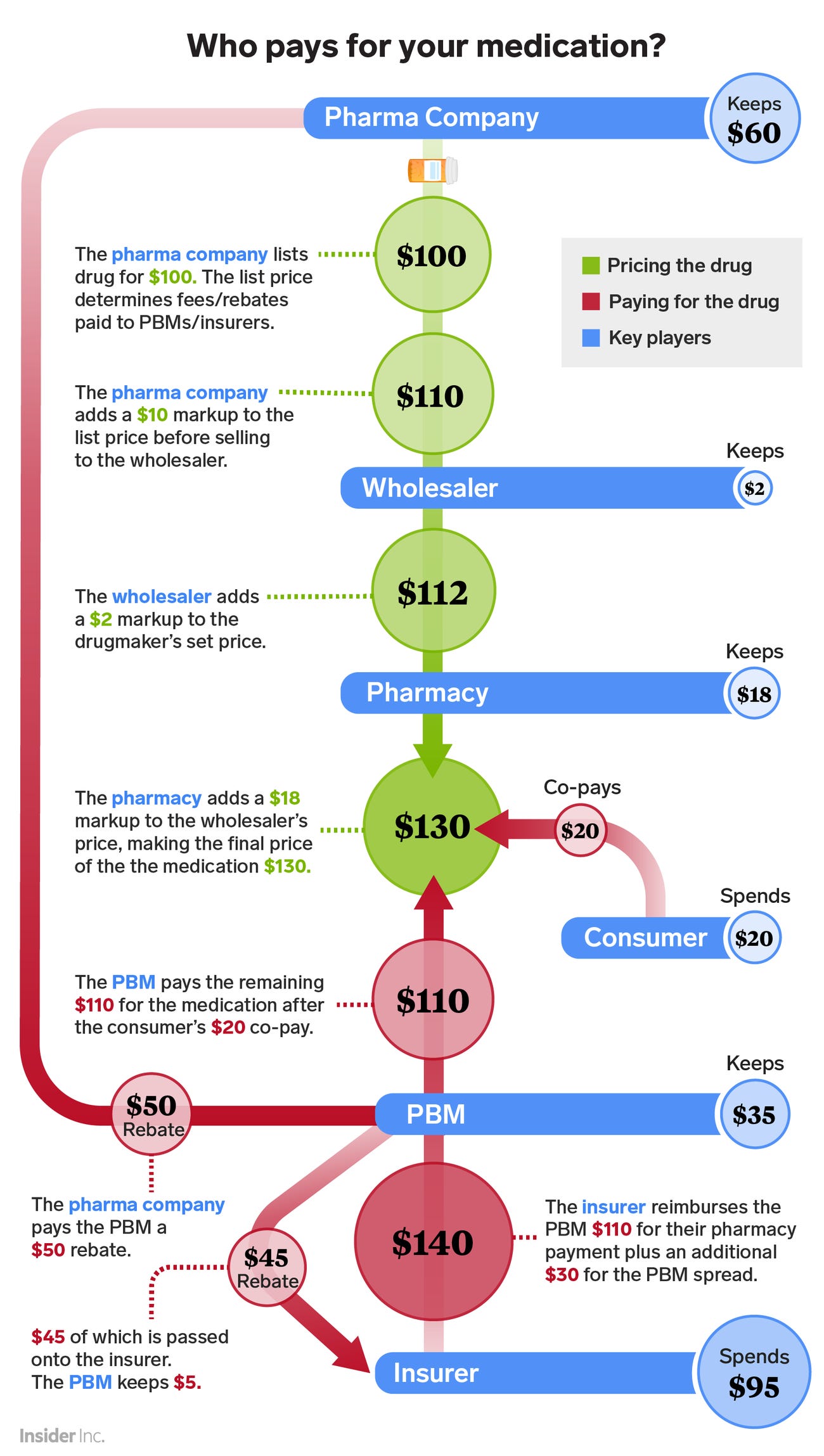
At its core, GoodRx functions as a price aggregator. In the world of finance, price discovery is the process of determining the price of an asset through interactions between buyers and sellers. GoodRx applies this concept to medications. The pharmaceutical supply chain is notoriously opaque, with prices set through a web of negotiations between manufacturers, wholesalers, PBMs, and insurers.
Navigating the PBM Landscape
To understand how GoodRx secures its discounts, one must understand Pharmacy Benefit Managers (PBMs). PBMs are the “middlemen” of the drug world; they negotiate with pharmacies and manufacturers to create “formularies” or lists of covered drugs. GoodRx partners with several PBMs to access their negotiated rates. When a consumer uses a GoodRx coupon, they are essentially tapping into a pre-negotiated “contract rate” that was originally intended for an insurance group but is made available to the “cash-paying” public through the GoodRx platform.
The Math Behind the Savings: Coupon vs. Insurance
One of the most significant financial insights GoodRx provides is that the “insurance co-pay” is not always the lowest price. In a traditional financial model, insurance is supposed to mitigate costs. However, due to high-deductible health plans (HDHPs) and tiered co-pays, the insurance price can sometimes exceed the negotiated cash price available via GoodRx.
For a consumer, the financial decision-making process involves a “buy-side” analysis: Is it more beneficial to pay the insurance co-pay (which counts toward a deductible) or pay the lower GoodRx price (which usually does not count toward a deductible)? For those with high deductibles they are unlikely to meet within the calendar year, the immediate liquidity saved by using GoodRx often outweighs the long-term benefit of insurance accumulation.
Maximizing Personal Savings: A Strategic Approach to Prescription Costs
From a personal finance standpoint, GoodRx acts as a risk-mitigation tool against “sticker shock” at the pharmacy counter. By providing real-time data on local drug prices, it allows consumers to perform a cost-benefit analysis before they even leave their doctor’s office.
Comparing Cash Prices and the GoodRx Advantage
The “Usual and Customary” (U&C) price—also known as the retail cash price—is what a pharmacy charges a customer without insurance or discounts. These prices can vary by as much as 400% between two pharmacies on the same street. GoodRx standardizes this volatility. By providing a platform where prices are transparent, it forces a level of competition among retail giants like CVS, Walgreens, and Walmart. For the consumer, this turns a blind purchase into a strategic transaction, allowing for significant capital preservation over the course of a fiscal year.
GoodRx Gold: Is the Subscription Model Worth the Investment?
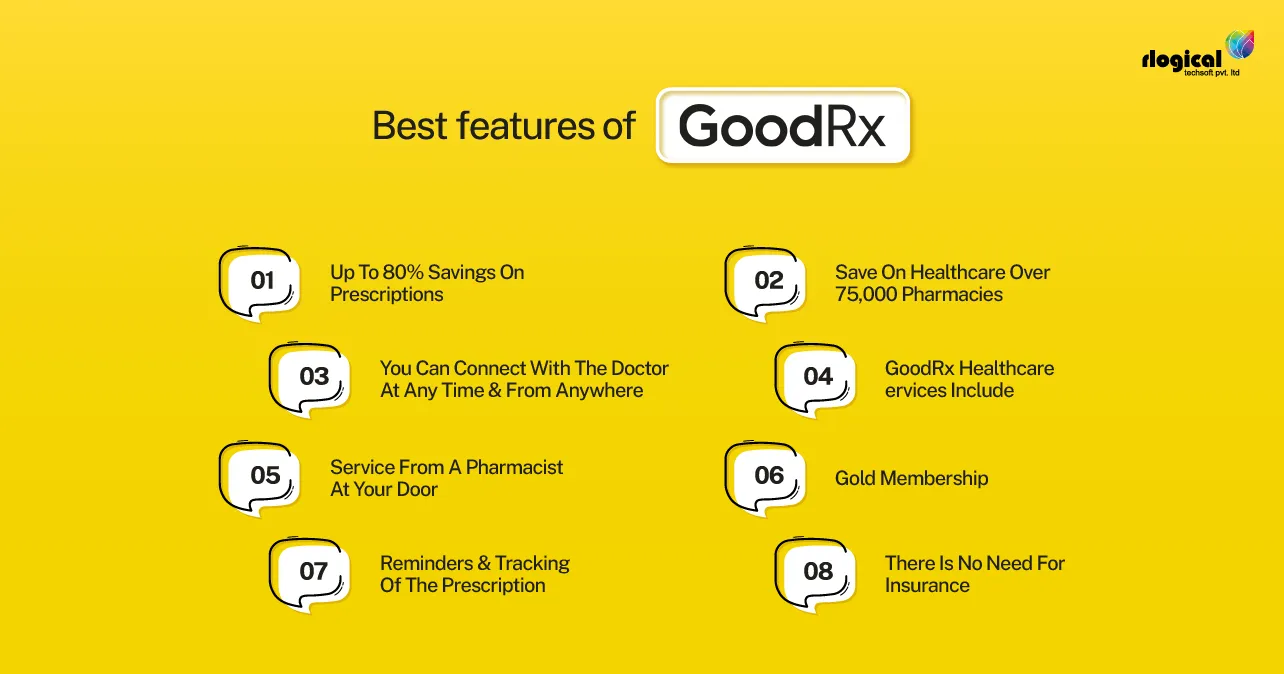
GoodRx further diversified its financial offerings by introducing GoodRx Gold, a subscription-based loyalty program. From an investment perspective, the consumer must calculate the Return on Investment (ROI).
- The Cost: A monthly fee for individuals or families.
- The Benefit: Deeper discounts (often up to 90%) and lower prices on over 1,000 common medications.
- The Break-even Analysis: If a household’s monthly savings on recurring chronic medications exceed the monthly subscription fee, the “investment” in GoodRx Gold yields a positive net return. For families managing multiple prescriptions, this subscription can act as a fixed-cost hedge against the variable pricing of the standard healthcare market.
The Impact on Household Budgeting and Financial Planning
Prescription drugs are a “sticky” expense—they are often non-discretionary. If a person needs insulin or blood pressure medication, they cannot simply opt out of the purchase when the price rises. This makes medication costs a significant threat to financial stability.
Mitigating the “Doughnut Hole” in Medicare
For retirees, the “doughnut hole” or coverage gap in Medicare Part D represents a major financial hurdle. Once a senior spends a certain amount on drugs, their coverage temporarily drops, and their out-of-pocket costs skyrocket. GoodRx serves as a vital financial bridge during this period. By using GoodRx instead of Medicare during the coverage gap, seniors can maintain their cash flow and avoid depleting their retirement savings on essential healthcare.
Managing Recurring Costs for Chronic Conditions
In long-term financial planning, predictability is king. Chronic conditions require a predictable monthly outflow of capital. GoodRx provides a level of price stability that insurance—with its shifting formularies and “prior authorization” hurdles—often lacks. By utilizing the platform to find the lowest local price, individuals can bake a fixed number into their monthly budget, reducing the risk of emergency fund depletion due to a sudden hike in medical expenses.
The Business Side of GoodRx: How the Platform Generates Revenue
A common question in business finance is: “If the product is free, how does the company make money?” GoodRx is a masterclass in the “platform business model,” where value is created by connecting different stakeholders in a fragmented market.
Lead Generation and Referral Fees
GoodRx does not sell drugs; it sells information and access. Every time a consumer uses a GoodRx discount code at a pharmacy, the PBM involved pays GoodRx a referral fee or a portion of the transaction fee. This is a classic “win-win-win” financial structure:
- The Consumer saves money.
- The Pharmacy gains a customer and foot traffic (which often leads to high-margin “front-of-store” purchases like snacks or toiletries).
- GoodRx earns a commission for facilitating the transaction.
Manufacturer Solutions and Direct-to-Consumer Advertising
Beyond transaction fees, GoodRx leverages its massive user base to offer “Manufacturer Solutions.” Pharmaceutical companies often want to provide co-pay cards or discounts directly to patients to encourage the use of brand-name drugs over generics. GoodRx acts as a high-intent advertising platform where manufacturers can place these financial incentives directly in front of the people searching for that specific medication. This diversified revenue stream ensures that GoodRx remains a high-growth entity in the health-tech and financial services space.
Conclusion: GoodRx as a Financial Necessity in the Modern Economy
What is GoodRx? While the casual observer may see a simple utility, a financial analysis reveals it to be a sophisticated market disruptor. It is a tool for price discovery, a mechanism for PBM arbitrage, and a vital component of modern household budgeting.
By bringing transparency to an opaque industry, GoodRx empowers the consumer to treat healthcare like any other major financial decision: through comparison, analysis, and strategic spending. In an era where healthcare costs continue to outpace inflation, the ability to manage these expenses through platforms like GoodRx is no longer just a “perk”—it is a fundamental pillar of sound personal finance. Whether through its free search tool or its Gold subscription model, GoodRx has successfully commoditized the pharmaceutical transaction, proving that in the world of medicine, information is just as valuable as the medication itself.
aViewFromTheCave is a participant in the Amazon Services LLC Associates Program, an affiliate advertising program designed to provide a means for sites to earn advertising fees by advertising and linking to Amazon.com. Amazon, the Amazon logo, AmazonSupply, and the AmazonSupply logo are trademarks of Amazon.com, Inc. or its affiliates. As an Amazon Associate we earn affiliate commissions from qualifying purchases.