
Good Manufacturing Practices (GMP) represent the rigorous operational standards required to ensure that products are consistently produced and controlled according to quality standards. While traditionally associated with the pharmaceutical, medical device, and food industries, the modern interpretation of GMP has shifted significantly toward the technological sphere. In an era defined by Industry 4.0, GMP is no longer just a set of manual checklists; it is a sophisticated framework of software, automated systems, and data integrity protocols designed to minimize risks that cannot be eliminated through testing the final product.
The core philosophy of GMP is that quality must be built into the manufacturing process rather than inspected into the finished item. This proactive approach relies heavily on a robust technological infrastructure. From the software that tracks raw materials to the sensors monitoring cleanroom environments, technology is the engine that drives compliance and safety in the modern global market.
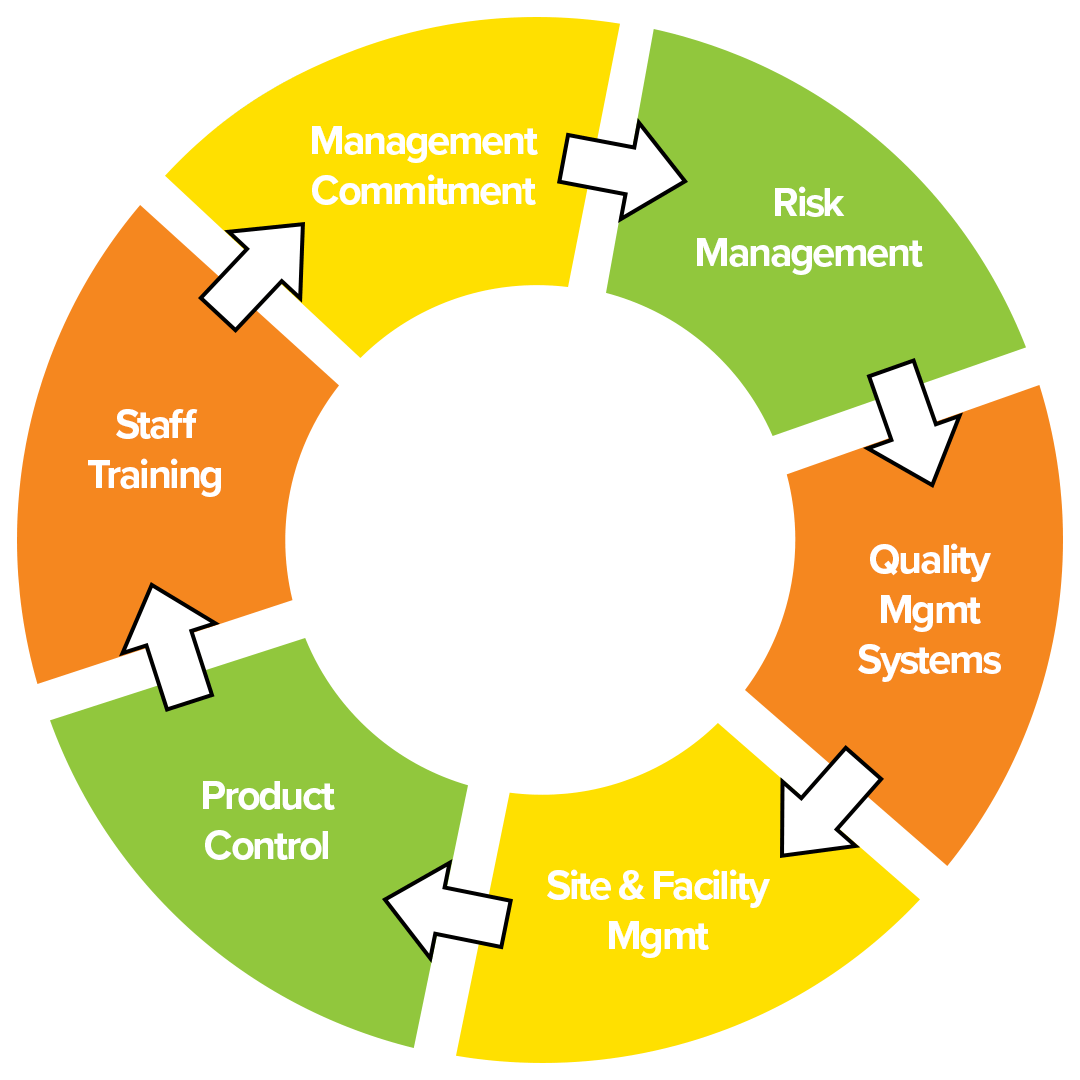
The Digital Transformation of Compliance: From Paper to Pixels
Historically, GMP compliance was a paper-intensive endeavor. Massive binders filled with Standard Operating Procedures (SOPs), handwritten batch records, and manual logs were the norm. However, the tech revolution has rendered these manual systems obsolete, replacing them with Digital Quality Management Systems (eQMS) and Electronic Batch Records (EBR).
The transition to digital compliance is not merely about convenience; it is about precision and the reduction of human error. Digital systems allow for real-time data entry, ensuring that records are “contemporaneous”—a key requirement of regulatory bodies like the FDA. When a technician records a measurement in a digital interface, the system can automatically time-stamp the entry, verify it against pre-set tolerances, and trigger an immediate alert if the data point falls outside of acceptable limits.
Furthermore, the integration of Enterprise Resource Planning (ERP) software with GMP protocols allows for seamless end-to-end visibility. This “digital thread” connects the procurement of raw materials to the distribution of the finished product. If a specific component is found to be defective, technology allows manufacturers to perform a targeted recall within minutes, rather than days, by tracing the specific digital footprint of the affected batch.
The Role of Industry 4.0 in GMP
Industry 4.0 introduces the concept of the “Smart Factory,” where cyber-physical systems communicate with each other via the Internet of Things (IoT). In a GMP context, this means that the equipment itself becomes a guardian of quality. Machines equipped with advanced sensors can self-calibrate and report their own status to a centralized dashboard. This removes the variability of human interpretation and ensures that the manufacturing environment remains within strict regulatory parameters 24/7.
The Technological Pillars of Modern GMP
To understand what GMP is today, one must look at the specific technologies that sustain it. These tools form a stack that ensures every aspect of production—from the environment to the personnel—is optimized for safety and efficacy.
Electronic Quality Management Systems (eQMS)
An eQMS is the central nervous system of a GMP-compliant facility. It automates workflows for document control, CAPA (Corrective and Preventive Actions), and audits. By utilizing cloud-based eQMS platforms, companies can ensure that only the most current versions of SOPs are available to staff, eliminating the risk of someone following outdated instructions. The software also provides high-level analytics, identifying recurring quality issues that might indicate a systemic failure in the production line.
Laboratory Information Management Systems (LIMS)
In sectors like biotechnology and pharmaceuticals, the lab is where GMP is most rigorously tested. LIMS software manages the complex data generated during testing. It tracks samples, integrates with lab instrumentation to capture raw data automatically, and ensures that all testing is performed by qualified personnel. By automating data capture, LIMS eliminates the “transcription errors” that are a frequent cause of regulatory non-compliance.
IoT and Environmental Monitoring
Modern GMP environments require strict control over temperature, humidity, and air pressure. Tech-driven environmental monitoring systems use a network of IoT sensors to provide a constant stream of data to the cloud. If a cooling unit fails in a warehouse or a HEPA filter loses pressure in a cleanroom, the system can send automated alerts to mobile devices, allowing for immediate intervention before the product is compromised.
Manufacturing Execution Systems (MES)
The MES serves as the bridge between the high-level planning of an ERP and the low-level control of the factory floor. It provides a real-time view of the entire manufacturing process. For GMP compliance, the MES is critical because it enforces “poka-yoke” (error-proofing). For example, a machine governed by an MES will not start if the operator has not completed the required safety training or if the raw materials used have passed their expiration date.
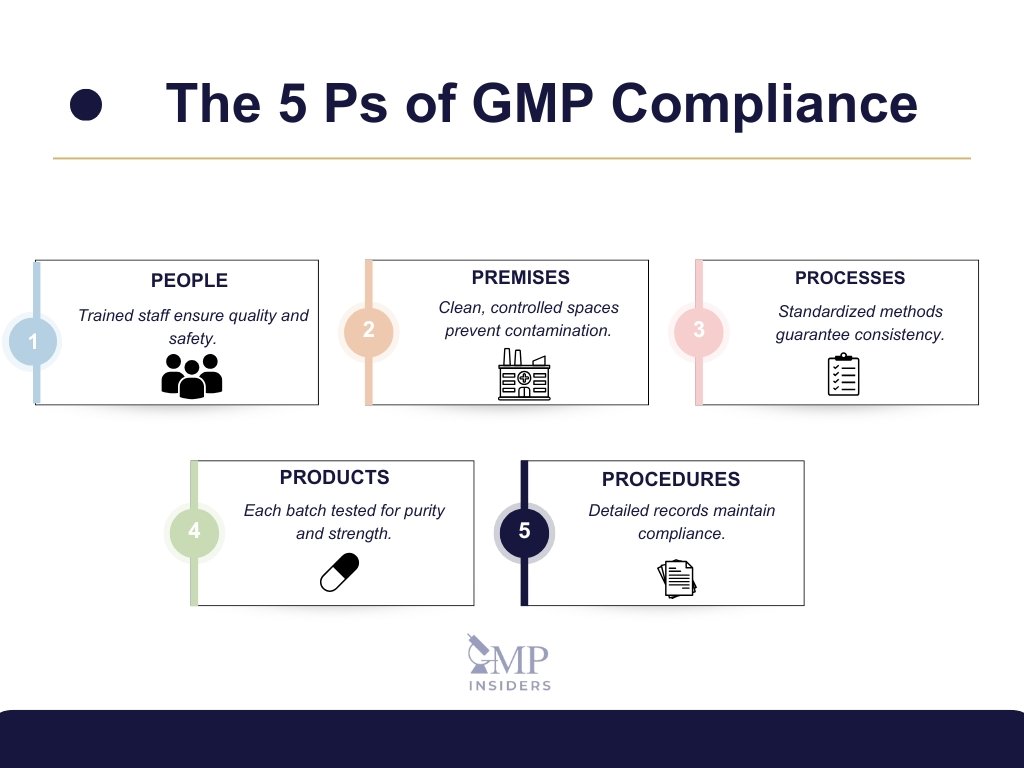
Data Integrity and the ALCOA+ Framework
In the tech niche, the most critical aspect of GMP is data integrity. Regulatory agencies have moved their focus from physical product samples to the integrity of the data that describes those products. This is where the ALCOA+ framework becomes essential for any software or hardware developer working in the manufacturing space.
Understanding ALCOA+
ALCOA+ is an acronym used to define the standards for data integrity in a digital GMP environment:
- Attributable: Who performed the action and when? This is handled through unique digital signatures and audit trails.
- Legible: Data must be readable and permanent.
- Contemporaneous: Data must be recorded at the time it is generated.
- Original: The first record of the data must be preserved.
- Accurate: The data must be a true reflection of the event.
The “+” adds requirements for data to be complete, consistent, enduring, and available. Modern software solutions are designed specifically to meet these criteria, using encrypted databases and redundant storage to ensure that data can never be altered or deleted without a recorded justification.
Cybersecurity as a GMP Requirement
As manufacturing becomes more digitized, cybersecurity has become a fundamental component of GMP. If a hacker gains access to a pharmaceutical company’s manufacturing system, they could potentially alter a recipe or change the labeling of a product, leading to catastrophic health outcomes. Therefore, digital security measures—such as multi-factor authentication (MFA), network segmentation, and end-to-end encryption—are now considered essential GMP controls. A breach of data is now viewed with the same severity as a breach of a physical sterile barrier.
Artificial Intelligence and the Future of Predictive Compliance
The next frontier of GMP lies in the application of Artificial Intelligence (AI) and Machine Learning (ML). We are moving away from reactive compliance toward a model of “Predictive Compliance.”
AI-Driven Quality Control
Traditional QC involves testing a subset of a batch and assuming the rest is identical. AI-powered computer vision systems can change this by inspecting 100% of the products on a high-speed assembly line. These systems use deep learning models to identify microscopic defects in vials, tablets, or packaging that would be invisible to the human eye. This level of scrutiny ensures a near-zero failure rate, significantly enhancing the safety profile of the manufacturer.
Predictive Maintenance and Risk Mitigation
Machine learning algorithms can analyze historical data from manufacturing equipment to predict when a component is likely to fail. In a GMP environment, a machine failure during a production run can lead to the loss of an entire batch, costing millions. By using AI to schedule maintenance before a failure occurs, tech-savvy manufacturers can maintain continuous compliance and operational efficiency.
Digital Twins
A “Digital Twin” is a virtual replica of a physical manufacturing process. Before a company implements a new manufacturing line or changes a process, they can simulate it in the digital twin. This allows engineers to identify potential GMP bottlenecks or safety risks in a virtual environment, ensuring that the physical rollout is optimized for compliance from day one.

Implementing a Tech-First GMP Strategy
For organizations looking to lead in their respective industries, implementing a tech-first GMP strategy is no longer optional. The complexity of modern supply chains and the increasing demands of global regulators make manual systems unsustainable.
The first step in this implementation is the selection of “validated” software. In the tech world, validation is a formal process of proving that a software system does exactly what it is intended to do, consistently and reliably. This involves rigorous testing phases, known as Installation Qualification (IQ), Operational Qualification (OQ), and Performance Qualification (PQ).
Furthermore, the “human-tech interface” must be managed carefully. GMP is as much about the culture of the company as it is about the tools. Employees must be trained not only on how to use the software but on why the data they enter is vital to consumer safety. The technology should be seen as an empowerer, removing the drudgery of paperwork and allowing staff to focus on high-level process improvement.
Ultimately, Good Manufacturing Practices in the digital age are about creating a transparent, traceable, and tamper-proof ecosystem. By leveraging the latest in software, IoT, and AI, manufacturers can achieve a level of quality and safety that was previously unimaginable. In the modern marketplace, a company’s technological sophistication is the clearest indicator of its commitment to the principles of GMP. Quality is no longer a goal; it is a digital reality, coded into every line of a manufacturer’s operations.
aViewFromTheCave is a participant in the Amazon Services LLC Associates Program, an affiliate advertising program designed to provide a means for sites to earn advertising fees by advertising and linking to Amazon.com. Amazon, the Amazon logo, AmazonSupply, and the AmazonSupply logo are trademarks of Amazon.com, Inc. or its affiliates. As an Amazon Associate we earn affiliate commissions from qualifying purchases.