
Embarking on the entrepreneurial journey is often fraught with both excitement and uncertainty. The perennial question, “What is a good business to start?” isn’t merely about finding a novel idea; it’s fundamentally about identifying an enterprise that offers sustainable financial viability, robust growth potential, and a clear path to profitability. In an economy increasingly shaped by digital transformation and evolving consumer behaviors, understanding the financial underpinnings of various business models is paramount. This article delves into what constitutes a “good” business from a purely financial perspective, exploring lucrative niches, essential financial considerations, and strategies for building an enterprise designed for long-term monetary success. Our focus will strictly remain on the financial dimensions, including income generation, investment, business finance, and wealth creation.
Defining “Good”: More Than Just Profit Margins
While profit is undoubtedly the lifeblood of any business, defining a “good” business extends beyond merely observing a healthy bottom line. A truly good business, from a financial standpoint, possesses intrinsic characteristics that contribute to its longevity, resilience, and potential for wealth creation for its founders.
Market Demand & Problem Solving
At its core, a financially sound business fulfills a genuine need or solves a pressing problem for a specific market segment. Businesses that address clear market demand inherently have a built-in customer base, reducing the financial strain of marketing and customer acquisition in the initial stages. A profound understanding of market gaps or inefficiencies allows entrepreneurs to position their offerings as indispensable, thereby commanding stronger pricing power and ensuring consistent revenue streams. This “problem-solution” paradigm is a cornerstone for financial stability, as it underpins customer loyalty and recurring purchases, which are critical for predictable income. Without a demonstrable market need, even the most innovative product or service will struggle to generate revenue, leading to financial distress.
Sustainable Profitability & Scalability
A good business isn’t just profitable today; it’s designed for sustainable profitability well into the future. This involves analyzing not only gross profit margins but also net profitability after all operating expenses. Sustainability also implies a business model that isn’t overly reliant on fleeting trends but rather taps into enduring human needs or technological shifts. Furthermore, scalability is a key financial indicator. A scalable business is one that can increase its revenue significantly without a proportional increase in costs. This ability to grow without a corresponding exponential rise in expenditure is what allows businesses to achieve exponential profit growth and offers significant financial upside for investors and owners alike. Examples include software-as-a-service (SaaS) models, digital products, and highly automated service offerings.
Low Barrier to Entry vs. High-Value Niches
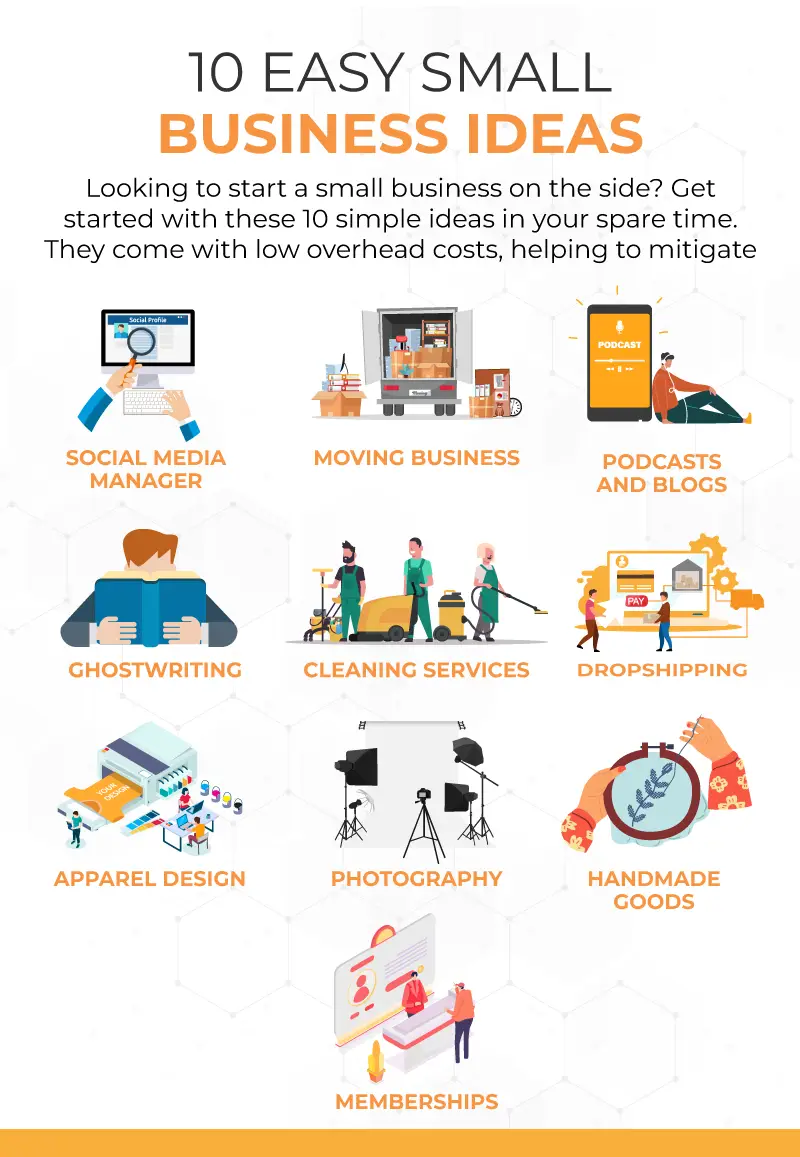
The financial landscape for startups often presents a dichotomy: businesses with a low barrier to entry typically require minimal initial capital, making them accessible to more entrepreneurs. This can include services like freelancing, online coaching, or dropshipping. While these can offer quicker paths to initial income, they often face intense competition, potentially compressing profit margins over time. Conversely, businesses in high-value niches, even if they have a slightly higher barrier to entry (e.g., specialized tech consulting, bespoke manufacturing), can command premium pricing and attract a more dedicated clientele. The “good” business often strikes a balance, finding a niche with sufficient demand and reasonable entry costs, yet offering enough unique value to ensure healthy financial returns. The financial decision lies in weighing upfront investment against potential long-term profitability and market differentiation.
Identifying High-Potential Business Models for Financial Success
In today’s dynamic economic climate, certain business models have consistently demonstrated high financial potential, offering promising avenues for income generation and wealth accumulation. These models often leverage digital platforms, recurring revenue streams, or specialized expertise to optimize profitability.
Online Service-Based Businesses
The digital age has dramatically lowered the barriers to entry for service professionals. Online service-based businesses, such as freelance writing, digital marketing consultancy, web development, virtual assistance, and online coaching, typically require minimal startup capital. The primary investment is often in one’s own skills, time, and perhaps a professional website. This model boasts high-profit margins because there’s little to no inventory, physical overhead, or extensive equipment. Income is directly tied to the value of the service provided, and professionals can scale by raising rates, taking on more clients, or even building an agency model. The financial upside here is significant, with the potential to earn substantial online income without the traditional costs associated with brick-and-mortar businesses.
E-commerce & Dropshipping
The realm of online retail continues to be a fertile ground for financial opportunity. E-commerce allows entrepreneurs to reach a global customer base with ease. Within e-commerce, dropshipping stands out for its particularly low financial barrier to entry. In dropshipping, the entrepreneur doesn’t hold any inventory. Instead, when a customer places an order, the retailer purchases the item from a third-party supplier, who then ships it directly to the customer. This model eliminates the substantial capital investment and risk associated with inventory management, making it highly attractive for those seeking online income with minimal upfront costs. Success hinges on astute product selection, effective digital marketing, and managing supplier relationships to ensure customer satisfaction, all of which directly impact financial outcomes like revenue and profit margins.
Subscription-Based Models
The allure of recurring revenue is a powerful financial motivator, and subscription-based models capitalize on this. Whether it’s Software-as-a-Service (SaaS), curated product boxes, online content platforms, or membership sites, these businesses generate predictable income streams. This predictability significantly aids financial planning, cash flow management, and valuation for potential investors or future sale. While acquiring initial subscribers requires marketing investment, the long-term customer value (LTV) can be extremely high. Businesses like Adobe, Netflix, and even local gym memberships illustrate the financial power of consistent, recurring payments. For new entrepreneurs, exploring niches that can be packaged into a subscription – from digital tools to specialized content – can build a robust financial foundation.
Content Creation & Monetization
For individuals with expertise, passion, or a unique voice, content creation offers a multifaceted pathway to financial success. Blogging, podcasting, YouTube channels, and social media platforms can be transformed into significant online income generators. Monetization strategies include advertising revenue (e.g., Google AdSense, podcast sponsorships), affiliate marketing (earning commissions on referred sales), direct product sales (e.g., digital courses, merchandise), and premium content subscriptions (e.g., Patreon). While building an audience requires consistent effort and time, the startup financial costs are typically low. Over time, a strong content platform becomes a valuable digital asset, generating passive income and opening doors to further business opportunities, making it a compelling option for long-term financial growth.
Essential Financial Considerations Before Launching
Before committing to any business venture, a thorough understanding of its financial implications is non-negotiable. Prudent financial planning and analysis can significantly mitigate risks and enhance the likelihood of success.
Startup Capital & Funding Strategies
Every business, no matter how lean, requires some level of initial capital. A critical first step is to accurately estimate startup costs, which can range from business registration fees and software subscriptions to initial marketing spend and equipment. Once estimated, entrepreneurs must identify appropriate funding strategies. Options include bootstrapping (self-funding), which minimizes debt but can limit growth speed; seeking small business loans, which provide capital but incur interest; or attracting angel investors or venture capitalists, who offer significant capital and expertise in exchange for equity. The choice of funding heavily impacts the business’s financial structure, future profitability, and control. Understanding debt vs. equity financing is crucial for long-term financial health.

Understanding Operating Costs & Cash Flow
Beyond startup, ongoing operating costs are a perpetual financial consideration. These include fixed costs (rent, salaries, software subscriptions) and variable costs (cost of goods sold, transaction fees). Meticulous tracking of these expenses is vital for maintaining profitability. Equally important is managing cash flow – the movement of money into and out of the business. Positive cash flow means more money is coming in than going out, indicating financial health. Many businesses fail not due to lack of profit, but due to poor cash flow management, making it impossible to meet short-term financial obligations. Implementing robust budgeting and forecasting tools is essential for maintaining a healthy financial flow.
Pricing Strategies for Profit Maximization
How a business prices its products or services directly impacts its revenue and profitability. Effective pricing strategies require a deep understanding of production costs, perceived customer value, and competitive landscape. Common approaches include cost-plus pricing (adding a markup to costs), competitive pricing (matching or beating competitors), and value-based pricing (setting prices based on the perceived value to the customer, often yielding higher margins). For a “good business,” pricing isn’t just about covering costs; it’s about optimizing profit maximization while ensuring market acceptance and customer satisfaction. Regularly reviewing and adjusting pricing based on market feedback and financial performance is an ongoing financial imperative.
Financial Projections & Break-Even Analysis
Developing comprehensive financial projections – including sales forecasts, profit and loss statements, and cash flow statements – is a cornerstone of sound business planning. These projections help visualize the business’s potential financial trajectory over the next 1-5 years. A critical component of this is break-even analysis, which determines the point at which total costs and total revenues are equal, meaning the business is neither making nor losing money. Understanding the break-even point is crucial for setting sales targets and evaluating the financial feasibility of the venture. It provides a clear financial benchmark that informs operational strategies and helps manage financial expectations.
Building a Financially Resilient Business for Long-Term Growth
Financial resilience is the capacity of a business to withstand economic shocks and sustain growth. It’s built through strategic financial management and a proactive approach to income and investment.
Diversifying Income Streams
Reliance on a single income stream can leave a business vulnerable to market fluctuations or shifts in customer preference. A financially resilient business actively seeks to diversify its revenue sources. This could mean offering different product tiers, expanding into related services, developing multiple monetization channels for content, or even exploring licensing opportunities. For example, a web design agency might also offer SEO services, managed hosting, or sell website templates. This diversification not only stabilizes financial inflows but also opens new avenues for growth and reduces overall financial risk.
Smart Reinvestment & Growth Capital
Once profitable, a good business strategically reinvests its earnings back into growth initiatives. This isn’t about spending frivolously but about allocating capital to areas that promise the highest return on investment (ROI). This could include investing in new product development, expanding marketing efforts, hiring key talent, upgrading technology, or acquiring complementary businesses. The judicious use of retained earnings as growth capital allows the business to scale without relying solely on external funding, thereby preserving equity and increasing long-term financial value for the owners.
Leveraging Financial Tools & Technologies
In the modern business landscape, a plethora of financial tools and technologies exist to optimize financial management. Accounting software (e.g., QuickBooks, Xero) automates bookkeeping, tracks expenses, and generates crucial financial reports. Budgeting tools help control spending, while payment processors (e.g., Stripe, PayPal) streamline transactions. Integrating these tools can save significant time, reduce errors, and provide real-time financial insights, enabling more informed decision-making. For a business aiming for financial success, leveraging technology to streamline financial operations is not just an advantage; it’s a necessity.
Exit Strategy Considerations (Even at the Start)
While it might seem premature, thinking about an exit strategy even at the outset is a sign of financial foresight. An exit strategy defines how an entrepreneur plans to eventually leave the business and realize its accumulated value. Options include selling the business outright, passing it on to family, or taking it public. Considering an exit strategy early on influences financial decisions regarding business structure, asset valuation, and growth trajectory. It encourages building a business that is financially attractive to potential buyers, thereby maximizing the ultimate financial return for the founder.
From Idea to Income: Actionable Steps for Aspiring Entrepreneurs
Transforming a promising business idea into a financially successful venture requires a structured approach and a relentless focus on financial viability.
Validating Your Business Idea Financially
Before investing significant time and capital, financially validate your business idea. This involves more than just market research; it means testing the willingness of customers to pay for your solution. This can be done through surveys, pre-sales, minimum viable product (MVP) launches, or pilot programs. Understanding the price sensitivity, perceived value, and demand for your offering before a full launch can prevent costly mistakes and provide crucial financial insights. This early validation mitigates financial risk and confirms that a viable income stream is possible.
Crafting a Robust Business Plan with Financial Focus
A business plan is your roadmap, and its financial section is its compass. This section should detail your startup costs, funding requests, financial projections (P&L, cash flow, balance sheet), break-even analysis, and revenue models. A well-researched and realistic financial plan is essential not only for internal guidance but also for securing external funding. It demonstrates a clear understanding of how the business will generate revenue, manage expenses, and ultimately achieve profitability and financial growth.
Setting Financial Milestones & KPIs
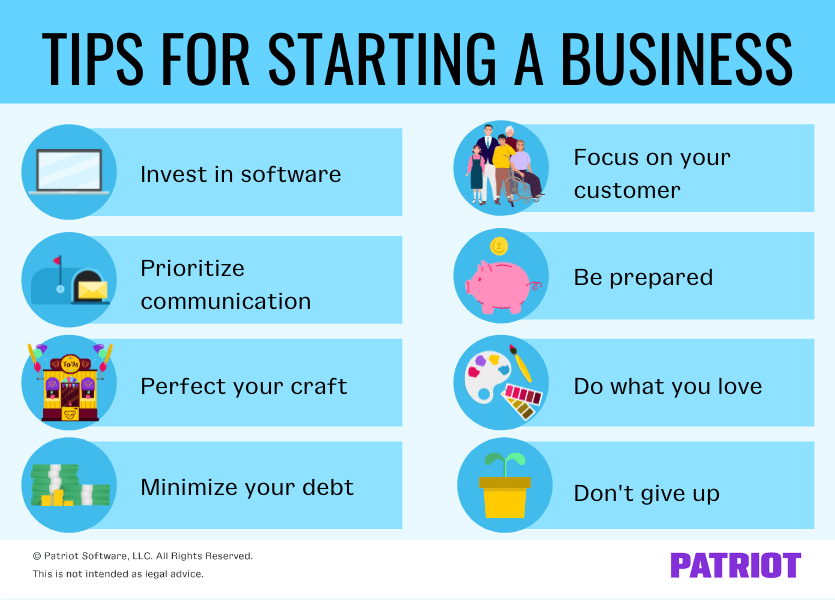
To track progress and ensure the business stays on its financial course, establish clear financial milestones and Key Performance Indicators (KPIs). Milestones could include reaching a certain revenue target, achieving profitability within a specific timeframe, or securing a certain number of paying customers. KPIs might include customer acquisition cost (CAC), customer lifetime value (LTV), gross profit margin, monthly recurring revenue (MRR), or burn rate. Regularly monitoring these metrics allows entrepreneurs to make data-driven financial decisions, pivot quickly if necessary, and ensure the business remains financially healthy and on track for success.
In conclusion, a “good business to start” is one that not only sparks passion but, more importantly, is built on a solid financial foundation. It’s a venture conceived with market demand in mind, designed for sustainable profitability and scalability, meticulously planned for its financial inflows and outflows, and proactively managed for long-term resilience and wealth creation. By prioritizing these financial principles, aspiring entrepreneurs can significantly increase their chances of launching a business that truly generates substantial and lasting income.
aViewFromTheCave is a participant in the Amazon Services LLC Associates Program, an affiliate advertising program designed to provide a means for sites to earn advertising fees by advertising and linking to Amazon.com. Amazon, the Amazon logo, AmazonSupply, and the AmazonSupply logo are trademarks of Amazon.com, Inc. or its affiliates. As an Amazon Associate we earn affiliate commissions from qualifying purchases.