
In the intricate landscape of modern finance, investors are continually seeking avenues to diversify their portfolios, protect against inflation, and navigate economic uncertainties. Among the myriad options available, gold has consistently stood out as a timeless store of value, a safe-haven asset, and a hedge against volatility. However, directly investing in physical gold presents logistical challenges, from storage and insurance to authenticity verification. This is where the innovation of the Gold Exchange Traded Fund (ETF) steps in, offering a streamlined, accessible, and often more cost-effective way to gain exposure to the precious metal.
A Gold ETF is essentially an investment fund that tracks the price of gold. Traded on stock exchanges just like company shares, these funds allow investors to participate in the gold market without the complexities associated with owning physical bullion. Over the past two decades, Gold ETFs have exploded in popularity, transforming how both institutional and retail investors approach gold as an asset class. They democratize gold investment, making it accessible to a broader audience and integrating it seamlessly into standard investment portfolios. This article will delve into the mechanics of Gold ETFs, explore their advantages and disadvantages, and guide you through the considerations for incorporating them into your financial strategy.
Understanding Gold ETFs: The Basics
To truly grasp the essence of a Gold ETF, it’s crucial to first understand what an ETF is in a broader sense and then narrow down to how this structure applies specifically to gold.
What is an ETF?
An Exchange Traded Fund (ETF) is a type of investment fund that holds assets like stocks, commodities, or bonds and trades on stock exchanges throughout the day, much like ordinary stocks. Unlike mutual funds, which are priced once at the end of each trading day, ETFs offer continuous trading opportunities. They are designed to track the performance of a specific index, sector, commodity, or other asset, providing investors with diversified exposure through a single security. The creation and redemption mechanism of ETFs, involving large institutional investors, helps ensure their market price remains closely aligned with the net asset value (NAV) of their underlying holdings. This blend of diversification, flexibility, and transparency has made ETFs incredibly popular across various asset classes.
How Gold ETFs Work
When you invest in a Gold ETF, you are not buying physical gold directly. Instead, you are purchasing shares in a fund that holds physical gold or gold-related derivatives. The value of these shares is designed to mirror the price movements of gold. The vast majority of popular Gold ETFs are “physically-backed,” meaning the fund actually holds physical gold bullion (bars) in secure vaults, typically with a reputable custodian bank. Each share you own represents a fractional, undivided interest in the gold held by the fund.
For example, an ETF might state that one share represents 1/10th of an ounce of gold. When the price of gold moves up or down, the value of your ETF shares follows suit, minus any expense ratios or tracking errors. The fund manager ensures that the amount of gold held in the vault matches the number of outstanding shares, maintaining the integrity of the ETF’s correlation to gold’s price. This robust structure is critical for investor confidence, as it means the investment is grounded in a tangible asset, even if the investor doesn’t physically possess it.
Types of Gold ETFs
While the term “Gold ETF” often brings to mind funds backed by physical bullion, it’s important to recognize that there are several variations, each with distinct characteristics and risk profiles.
Physically Backed Gold ETFs
These are the most common and direct way to invest in gold through an ETF. Funds like SPDR Gold Shares (GLD) and iShares Gold Trust (IAU) fall into this category. They hold actual gold bullion in secure vaults and aim to track the spot price of gold as closely as possible. For most investors seeking pure gold exposure, these ETFs are the preferred choice due to their simplicity and direct correlation to the metal’s price. They mitigate concerns about counterparty risk often associated with synthetic products.
Gold Futures ETFs
Instead of holding physical gold, these ETFs invest in gold futures contracts. Futures contracts are agreements to buy or sell a commodity at a predetermined price on a specified future date. While they also track the price of gold, they introduce complexities like “contango” and “backwardation” (the relationship between futures prices and spot prices), which can lead to tracking error and impact returns, especially over longer periods. These are generally more suitable for sophisticated investors or those with a specific short-term trading strategy.
Gold Miner ETFs
These funds do not invest directly in gold itself but rather in the stocks of companies involved in gold mining, exploration, and production. Examples include VanEck Gold Miners ETF (GDX) or VanEck Junior Gold Miners ETF (GDXJ). While they offer exposure to the gold industry, their performance is influenced by more than just gold prices. Factors like company-specific operational efficiency, management decisions, geopolitical risks in mining regions, and broader equity market trends also play a significant role. Investing in a gold miner ETF is more akin to investing in a sector-specific equity fund than a pure gold commodity play, and it typically carries a higher risk profile but also potentially higher upside if the underlying companies perform well.
Why Invest in Gold ETFs? The Advantages
Gold ETFs have revolutionized gold investing by offering a compelling blend of benefits that address many of the drawbacks of traditional gold ownership.
Accessibility and Liquidity
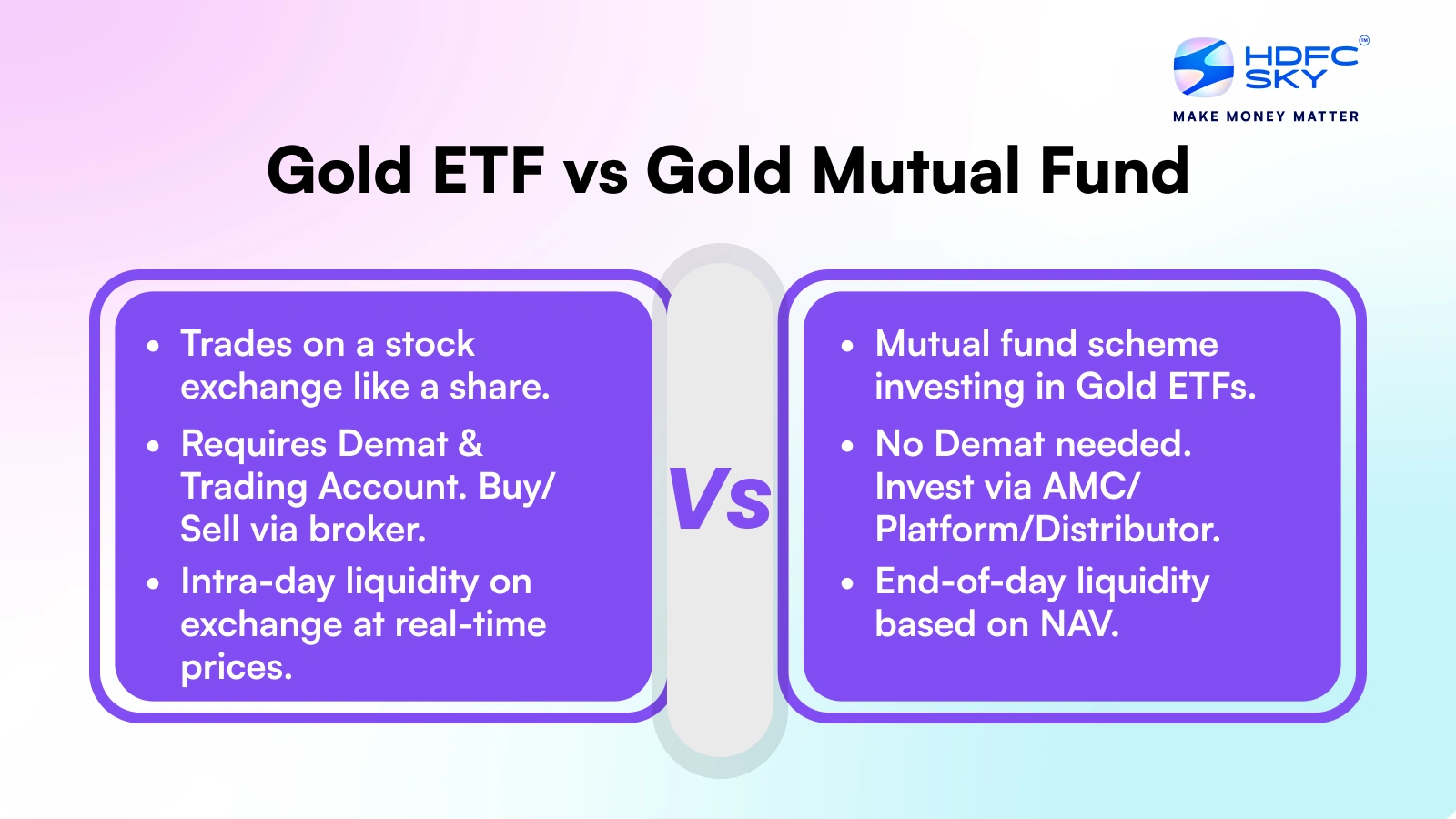
One of the primary advantages of Gold ETFs is their unparalleled accessibility. Unlike purchasing physical gold bars or coins, which might require a trip to a specialized dealer, secure storage arrangements, and minimum purchase quantities, Gold ETFs can be bought and sold through any standard brokerage account. This means you can invest in gold with as little as the price of a single share, making it highly democratic. Furthermore, because they trade on major stock exchanges, Gold ETFs are highly liquid. You can buy and sell shares throughout the trading day at market prices, offering immediate execution and flexibility that is not available with physical gold or even some gold mutual funds.
Cost-Effectiveness
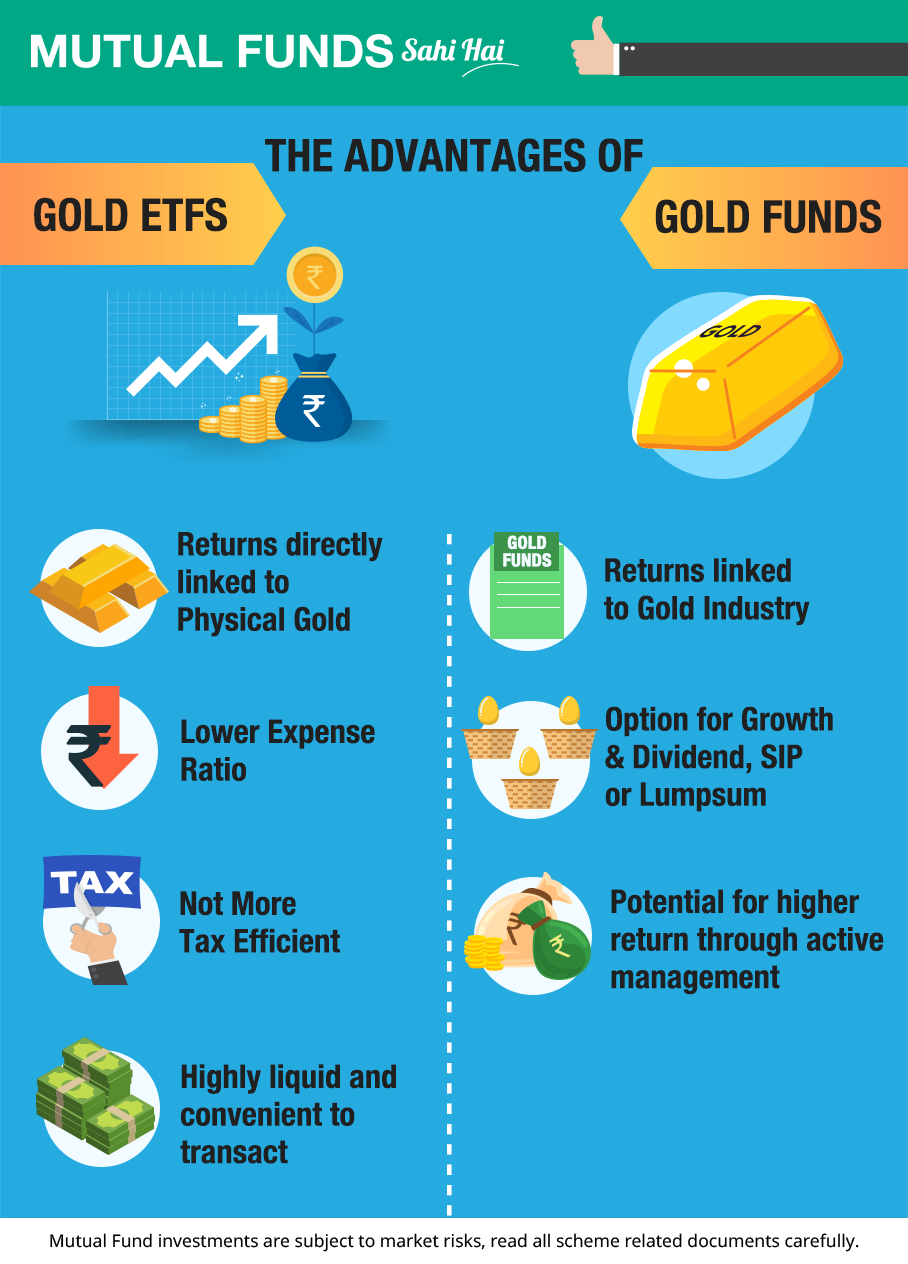
Owning physical gold involves numerous hidden and overt costs. These include markups from dealers, storage fees for secure vaulting, insurance premiums, and potential assaying costs to verify purity upon sale. Gold ETFs largely eliminate these expenses. While ETFs do charge an annual expense ratio (a small percentage of your investment that covers administrative, storage, and management costs), these fees are typically much lower than the cumulative costs of owning physical gold. The ease of transaction also means lower brokerage commissions compared to the often higher bid-ask spreads associated with physical bullion transactions.
Diversification and Hedge Against Inflation/Uncertainty
Gold has historically served as a critical tool for portfolio diversification. Its price movements often exhibit a low or inverse correlation with traditional asset classes like stocks and bonds, particularly during periods of economic instability or market downturns. This makes gold an effective “safe-haven” asset that can help cushion a portfolio’s decline when other investments are struggling. Beyond market volatility, gold is also widely regarded as a hedge against inflation. When the purchasing power of fiat currencies erodes, gold often maintains or increases its value, preserving wealth. In an era marked by geopolitical tensions and economic uncertainties, the role of gold as a reliable store of value becomes even more pronounced.
Transparency and Pricing
Gold ETFs offer a high degree of transparency. Their holdings (the amount of gold in their vaults) are often disclosed daily, and their pricing is directly linked to the real-time spot price of gold, which is readily available on financial news platforms. This contrasts sharply with the often opaque pricing and less transparent holding structures of some other gold investment vehicles. The ability to see exactly what the fund holds and how its value tracks the underlying asset provides investors with confidence and clarity.
The Potential Downsides and Risks
While Gold ETFs offer numerous benefits, they are not without their considerations and risks. A balanced perspective requires understanding these potential drawbacks before committing capital.
Expense Ratios

Although generally lower than the costs associated with physical gold, Gold ETFs do charge an annual expense ratio. This fee, expressed as a percentage of your investment, is deducted from the fund’s assets and can accumulate over time, eating into your returns, especially if gold prices remain stagnant or decline. For instance, an ETF with a 0.25% expense ratio means that 0.25% of your investment’s value is paid in fees annually. While this might seem small, compounded over decades, it can significantly impact your total return.
Tracking Error
No ETF perfectly mirrors the performance of its underlying asset. Gold ETFs can experience “tracking error,” which is the difference between the ETF’s return and the actual return of the gold spot price. This discrepancy can arise from various factors, including the expense ratio, operational inefficiencies, market trading conditions, and the timing of gold purchases and sales by the fund manager. While reputable Gold ETFs strive to minimize tracking error, it’s a reality that investors must acknowledge.
No Direct Ownership of Physical Gold
Perhaps the most significant philosophical distinction for some investors is that owning a Gold ETF does not confer direct ownership of physical gold. You own shares in a fund that owns gold, but you cannot redeem your shares for actual gold bullion (at least not in the quantities typical for retail investors). For those who value the tangible security and absolute control that comes with possessing physical metal, this lack of direct ownership might be a deterrent. In extreme scenarios, such as the collapse of financial systems, the ability to physically hold and transact in gold could become a critical advantage over an electronic asset.
Price Volatility
While gold is often touted as a safe haven, its price is not immune to volatility. Geopolitical events, changes in interest rates, fluctuations in the strength of the US dollar, and shifts in investor sentiment can all cause significant price swings. Investors in Gold ETFs are thus exposed to these price fluctuations. It’s crucial not to view gold as a purely stable asset but rather as an asset with its own unique set of market dynamics and potential for price swings, both upwards and downwards.
How to Choose a Gold ETF
Selecting the right Gold ETF involves more than simply picking the ticker symbol with the lowest price. A thoughtful approach considering your investment goals and the nuances of each fund is essential.
Understand Your Investment Goals
Before investing, clarify what you aim to achieve. Are you looking for a pure hedge against inflation and market volatility? In that case, a physically-backed gold ETF is likely your best bet. Are you seeking higher potential returns by investing in the companies that mine gold, accepting higher equity-related risks? Then a gold miner ETF might be more appropriate. Or are you a short-term trader looking to capitalize on price movements using futures-based ETFs? Your objectives will dictate the type of Gold ETF best suited for your portfolio.
Research Expense Ratios and Liquidity
Always compare expense ratios among similar Gold ETFs. Lower fees mean more of your returns stay in your pocket. However, also consider liquidity. Highly liquid ETFs (those with high trading volumes and tight bid-ask spreads) are easier to buy and sell at fair market prices, which is crucial for efficient trading, especially for larger positions. A low expense ratio on an illiquid ETF might not be a good trade-off if you cannot execute trades effectively.
Custodian and Physical Backing (for Physically-Backed ETFs)
For physically-backed ETFs, investigate the fund’s custodian. Reputable banks with secure, audited vaults (often in multiple locations) provide a greater sense of security regarding the actual gold holdings. Transparency in reporting and independent audits of the gold reserves are vital. Look for ETFs that explicitly state their gold is allocated (meaning specific bars are earmarked for the fund) and regularly audited.
Tax Implications
An often-overlooked aspect of Gold ETFs is their tax treatment, which can differ significantly from other ETFs. In many jurisdictions, including the United States, physically-backed Gold ETFs are often treated for tax purposes as “collectibles.” This means that long-term capital gains on Gold ETFs (held for more than one year) may be taxed at a higher rate than long-term capital gains on traditional equity ETFs (which typically enjoy lower preferential rates). Short-term gains are taxed at ordinary income rates regardless. It’s crucial to understand these tax implications for your specific country and consult with a tax advisor to understand how Gold ETFs will impact your tax liability.
Gold ETFs vs. Other Gold Investment Options
To fully appreciate the role of Gold ETFs, it’s helpful to compare them with other common ways to invest in gold.
Physical Gold (Bars, Coins, Jewelry)
Pros: Tangible asset, complete control, privacy for some transactions, no counterparty risk (if held directly).
Cons: High storage costs and security risks, insurance needed, illiquid (can be slow and costly to sell), difficulty verifying purity, potential for high dealer markups.
ETF Advantage: Superior liquidity, lower transactional costs, no storage/insurance hassles.
Gold Futures Contracts
Pros: High leverage (potential for significant gains with smaller capital outlay), can profit from both rising and falling prices.
Cons: Extremely high risk, requires significant expertise, subject to margin calls, fixed expiration dates, complexities of contango/backwardation.
ETF Advantage: Far less complex, no margin calls, lower risk (no leverage unless self-leveraged), suitable for passive investment.
Gold Mining Stocks
Pros: Equity exposure with potential for dividends, leverage to gold price (miner profits can rise disproportionately to gold price increases), potential for active management alpha.
Cons: Exposure to company-specific risks (management, operational issues, labor disputes, geopolitical risk), not a pure gold play (stock performance also depends on broader equity market, production costs), can be highly volatile.
ETF Advantage: Direct exposure to gold’s price, diversified away from company-specific risks (unless it’s a miner ETF).
Gold Mutual Funds
Pros: Professional management, can diversify across various gold-related assets (physical, miners, derivatives).
Cons: Often higher expense ratios than ETFs, less liquid (only priced at day’s end), can be less transparent with holdings.
ETF Advantage: Generally lower fees, intraday trading flexibility, higher transparency.
Conclusion
Gold ETFs have firmly established themselves as a cornerstone of modern portfolio diversification, offering an accessible, liquid, and often cost-effective way to gain exposure to the precious metal. They provide a compelling alternative to direct physical ownership, sidestepping many logistical hurdles and costs. By holding shares in a fund that directly or indirectly tracks gold prices, investors can harness gold’s historical role as a hedge against inflation and a safe haven during economic uncertainty, without the complexities of physical storage or the high risk of futures trading.
However, like any financial instrument, Gold ETFs require due diligence. Investors must weigh the advantages of accessibility and cost-effectiveness against potential drawbacks like expense ratios, tracking error, and the lack of direct physical ownership. Understanding the different types of Gold ETFs, from physically-backed funds to those investing in futures or mining stocks, is crucial for aligning your investment with your specific financial goals and risk tolerance. Furthermore, recognizing the unique tax implications associated with Gold ETFs is paramount for informed decision-making.
Ultimately, for many investors seeking to incorporate gold into a well-diversified portfolio, Gold ETFs present a highly practical and efficient solution. As with all investment decisions, it is advisable to conduct thorough research and consider consulting with a qualified financial advisor to ensure that Gold ETFs fit appropriately within your broader financial strategy.
aViewFromTheCave is a participant in the Amazon Services LLC Associates Program, an affiliate advertising program designed to provide a means for sites to earn advertising fees by advertising and linking to Amazon.com. Amazon, the Amazon logo, AmazonSupply, and the AmazonSupply logo are trademarks of Amazon.com, Inc. or its affiliates. As an Amazon Associate we earn affiliate commissions from qualifying purchases.