
The stock market often feels like a living, breathing entity, reacting in real-time to a global cacophony of data points, political shifts, and corporate earnings. For the modern investor, checking a portfolio can feel like a rollercoaster ride where the tracks are being built just seconds before the car arrives. To understand what is happening in the stock market today, one must look past the flashing red and green numbers on a ticker tape and analyze the structural forces driving these movements.
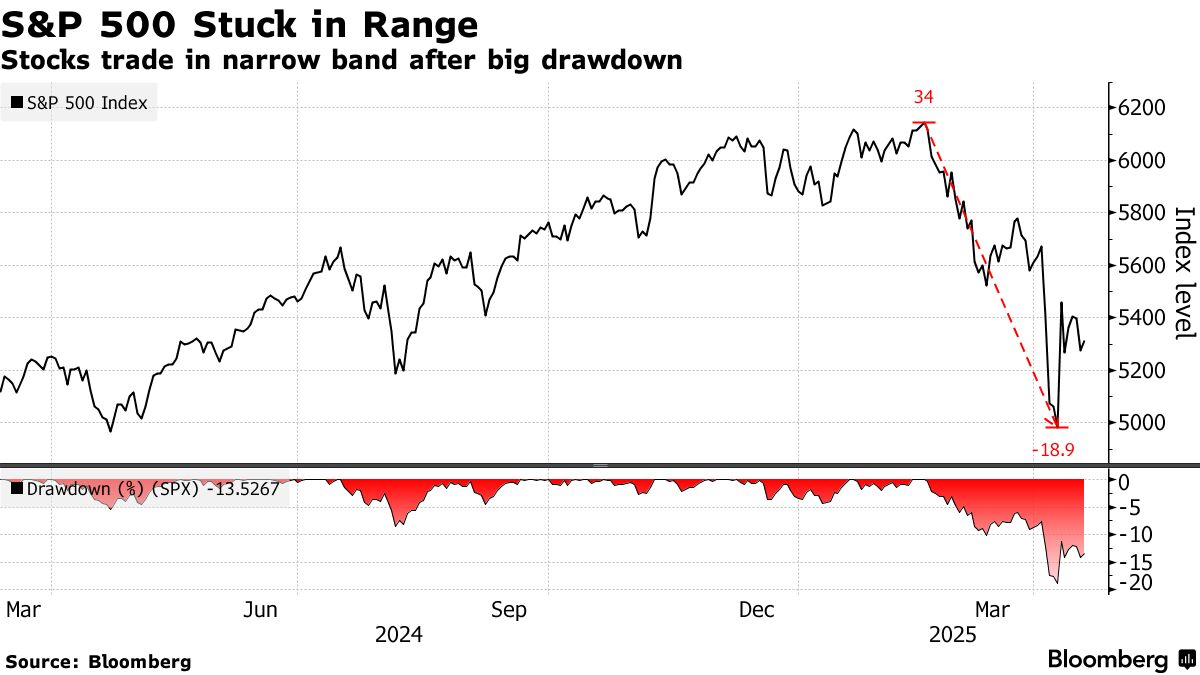
Today’s market is characterized by a unique tug-of-war between resilient economic data and the looming shadow of restrictive monetary policy. While historical bull markets were often driven by simple growth narratives, the current environment is far more nuanced, dictated by interest rate expectations, sector-specific rotations, and a shifting global geopolitical landscape.
The Macroeconomic Drivers: Interest Rates and Inflation
At the heart of every major market move today is the Federal Reserve and its counterparts across the globe. For the past several years, the narrative has been dominated by the battle against inflation. This remains the primary lens through which institutional investors view every piece of economic data.
Interest Rates and Central Bank Policy
The “Price of Money”—the federal funds rate—is the single most influential factor in equity valuations. When interest rates are high, the present value of future corporate cash flows diminishes, leading to compressed Price-to-Earnings (P/E) multiples. Today, the market is hypersensitive to “Fed speak.” Every speech by a central bank official is scrutinized for clues regarding the pivot from a tightening cycle to a neutral or easing cycle. If the market senses that rates will remain “higher for longer,” growth stocks often see a sell-off. Conversely, any hint of an upcoming rate cut acts as a tailwind for equities, as it suggests lower borrowing costs for companies and more liquidity in the financial system.
Inflation Data and the Consumer Price Index (CPI)
The stock market’s daily volatility is frequently tied to the release of the Consumer Price Index (CPI) and the Producer Price Index (PPI). Investors are looking for a “Goldilocks” scenario: inflation that is cooling fast enough to justify rate cuts, but not so fast that it signals an impending economic collapse. When inflation prints come in higher than expected, the market reacts negatively, fearing that the central bank will have to keep the brakes on the economy. Today’s market is particularly focused on “sticky” inflation—service-sector costs and housing—which have proven more difficult to tame than energy or goods prices.
Sector Performance and the AI Narrative
While the broad indices like the S&P 500 or the Nasdaq Composite provide a snapshot of market health, the real story lies in sector divergence. We are currently witnessing a massive disparity between the “haves” and the “have-nots” of the digital and industrial economy.
The Dominance of Mega-Cap Tech and AI
A significant portion of the market’s recent gains has been concentrated in a handful of companies, often referred to as the “Magnificent Seven.” These tech giants are seen as the primary beneficiaries of the Artificial Intelligence (AI) revolution. Today, when you ask what is going on with the market, you are often asking about the performance of semi-conductor manufacturers and cloud infrastructure providers. The massive capital expenditure into AI integration has created a high-growth pocket that remains somewhat insulated from broader economic headwinds. However, this concentration also creates a “crowded trade” risk, where any disappointing earnings report from a single tech leader can drag down the entire index.
Defensive vs. Cyclical Rotation
Beyond tech, there is an ongoing rotation between defensive sectors (like Utilities and Consumer Staples) and cyclical sectors (like Industrials and Energy). When investors are nervous about a potential recession, they flock to defensive stocks that pay reliable dividends. When they are optimistic about a “soft landing”—where inflation falls without a major spike in unemployment—they move capital into cyclicals. Observing this rotation provides a clear window into the collective psyche of the market. Today, we see a cautious balance, as investors hedge their AI growth bets with stable, value-oriented positions.
Geopolitical Instability and Market Psychology
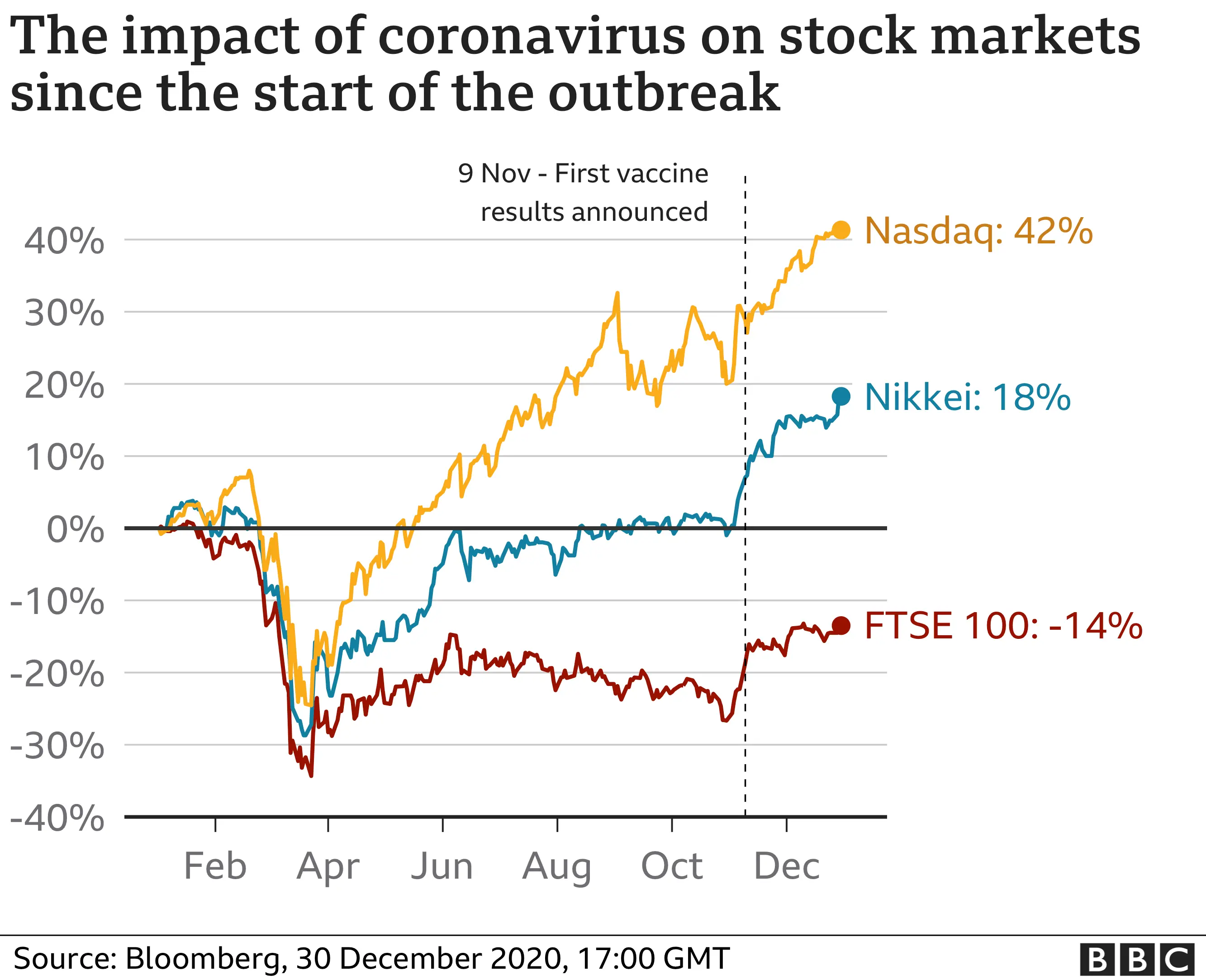
The stock market does not exist in a vacuum; it is deeply affected by the state of the world. Geopolitical tensions and the psychological state of the investing public play a massive role in daily price discovery.
Global Instability and Energy Markets
Conflict in key geographic regions often leads to volatility in the energy sector, which has a ripple effect across the entire economy. Higher oil prices act as a “tax” on consumers, reducing discretionary spending and increasing transport costs for almost every business. Today’s market is constantly pricing in the risk of supply chain disruptions. Furthermore, as the world moves toward an energy transition, the volatility in traditional energy markets often creates short-term trading opportunities while causing long-term uncertainty for institutional portfolios.
The “Fear and Greed” Index and Sentiment
Market psychology often overrides fundamental data in the short term. The “Fear and Greed” index, which measures factors like market momentum, stock price strength, and put/call ratios, is a vital tool for understanding today’s price action. When greed is high, the market may be overbought and due for a correction, regardless of how good the economic news is. Conversely, during periods of “extreme fear,” stocks often trade below their intrinsic value as emotional selling takes over. Today’s retail trading environment, fueled by social media and zero-commission apps, has amplified these psychological swings, leading to “meme stock” phenomena and rapid, sentiment-driven rallies.
Navigating Uncertainty: Strategies for Today’s Investor
Understanding what is going on in the market is only half the battle; the other half is knowing how to position a portfolio in response to these complex dynamics. In a high-volatility environment, the most successful investors are those who rely on discipline rather than impulse.
The Power of Dollar-Cost Averaging
In a market defined by daily swings, trying to “time the bottom” is a losing game for most. Dollar-cost averaging (DCA)—the practice of investing a fixed amount of money at regular intervals—is a proven strategy to mitigate the impact of volatility. By buying more shares when prices are low and fewer when prices are high, investors lower their average cost per share over time. In today’s market, DCA allows investors to participate in the long-term growth of the economy without being paralyzed by the fear of a sudden daily drop.
Diversification and Risk Management
If the current market has taught us anything, it is the danger of being over-concentrated in one sector. While AI and Tech have seen meteoric rises, a diversified portfolio that includes international equities, fixed income, and perhaps alternative assets like commodities or real estate provides a necessary safety net. Rebalancing—the act of selling winners and buying laggards to maintain a target asset allocation—is particularly important today. It forces investors to “buy low and sell high,” ensuring that a portfolio does not become too heavily weighted in a single, potentially overvalued sector.
Focus on Earnings Quality and Cash Flow
In an era of high interest rates, “growth at any cost” is no longer the preferred mantra. Investors are now prioritizing companies with strong balance sheets, high margins, and consistent free cash flow. These “quality” stocks tend to weather economic downturns better than speculative companies that rely on cheap debt to fund operations. Today’s market is discerning; it is rewarding companies that can demonstrate profitability here and now, rather than promising it ten years down the line.
Conclusion: The Long-Term Perspective
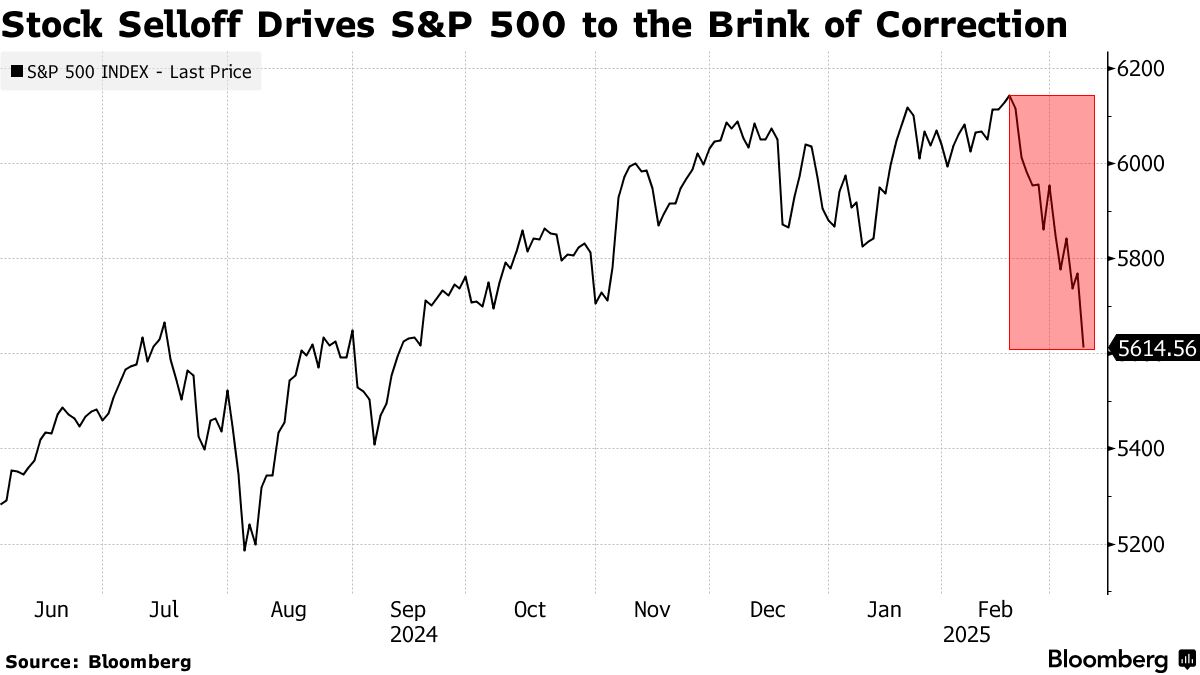
To answer the question of “what is going on with the stock market today,” one must accept that the market is a complex adaptive system. It is reacting to a post-pandemic recovery, a technological revolution in AI, and a fundamental shift in the cost of capital. While the headlines focus on the daily drama of the indices, the underlying reality is a market that is searching for a new equilibrium.
For the individual investor, the “noise” of today is often a distraction from the “signal” of the next decade. Markets have survived wars, recessions, and technological disruptions before, and they have historically trended upward as human innovation and corporate productivity increase. By understanding the macroeconomic drivers, sector shifts, and psychological factors at play, you can move from being a passive observer of market chaos to an informed participant in your own financial future. The key is not to predict the next daily move, but to build a resilient strategy that can withstand whatever the market decides to do next.
aViewFromTheCave is a participant in the Amazon Services LLC Associates Program, an affiliate advertising program designed to provide a means for sites to earn advertising fees by advertising and linking to Amazon.com. Amazon, the Amazon logo, AmazonSupply, and the AmazonSupply logo are trademarks of Amazon.com, Inc. or its affiliates. As an Amazon Associate we earn affiliate commissions from qualifying purchases.