
The modern financial landscape is currently defined by a complex tug-of-war between cooling inflation, shifting central bank policies, and a transformative technological revolution. For the average investor, looking at a brokerage account can feel like watching a high-stakes drama where the narrative changes with every federal report. To understand what is truly happening in the stock market right now, one must look past the daily fluctuations and examine the structural forces driving asset prices: the Federal Reserve’s interest rate trajectory, the overwhelming influence of Artificial Intelligence on market concentration, and the resilience of the global consumer.
The Federal Reserve and the “Higher for Longer” Transition
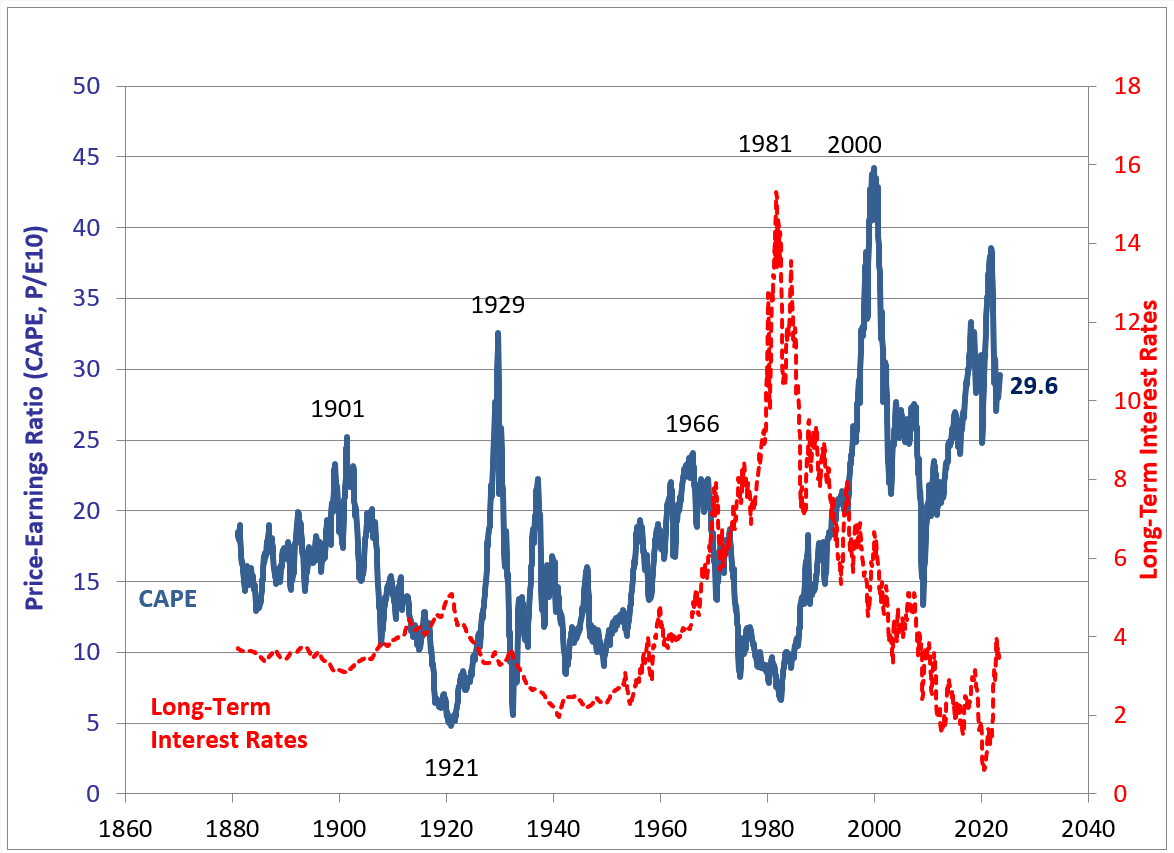
For the better part of two years, the primary driver of stock market volatility has been the Federal Reserve’s aggressive campaign to curb inflation. After a historic series of interest rate hikes, the market is now navigating a delicate transition period. Investors are no longer asking how high rates will go, but rather how long they will stay at these elevated levels and how quickly they will eventually fall.
Decoding the Inflation Narrative
The “inflation monster” that dominated headlines in 2022 and 2023 has significantly retreated, yet it remains sticky in certain sectors like services and housing. The Consumer Price Index (CPI) and Personal Consumption Expenditures (PCE) price index are the two most closely watched metrics by the Fed. As these numbers edge closer to the 2% target, the stock market typically reacts with optimism, betting on a “dovish” pivot. However, any sign of a rebound in inflation triggers immediate sell-offs, as it implies the Fed will have to keep borrowing costs high, which eats into corporate profits and reduces the present value of future earnings.
The Shift from Inflation to the Labor Market
Recently, a subtle but profound shift has occurred in the Fed’s dual mandate. While inflation was once the sole focus, the health of the labor market has moved to the forefront. Stock market participants are now hyper-sensitive to unemployment data and payroll reports. Paradoxically, the market often cheers for “bad” economic news—such as a slight cooling in job growth—because it provides the Federal Reserve with the justification needed to cut interest rates. This “bad news is good news” dynamic is a hallmark of the current market cycle, where liquidity and interest rate expectations often outweigh immediate fundamental growth.
The AI Revolution and the Concentration of Market Gains
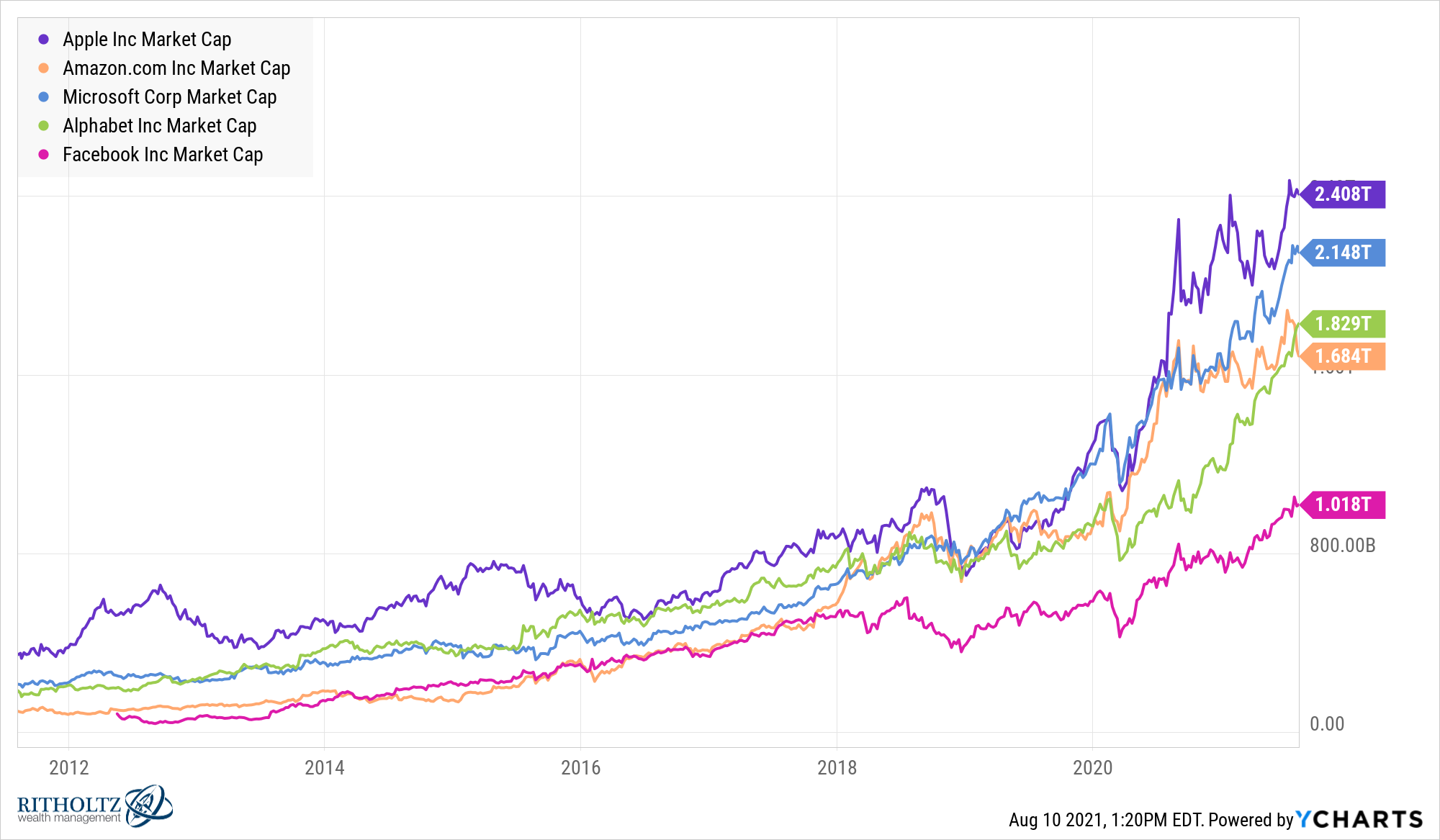
While macroeconomic policy provides the backdrop, the actual performance of the stock market has been heavily skewed by a handful of massive technology companies. The rise of Generative Artificial Intelligence (AI) has created a bifurcated market where a small group of leaders—often referred to as the “Magnificent Seven”—accounts for a disproportionate share of the total market return.
The Semiconductor Surge and Infrastructure Build-out
At the heart of the current market rally is the massive capital expenditure being funneled into AI infrastructure. Companies that design the chips and manage the data centers essential for the AI era have seen their valuations skyrocket. This isn’t just speculation; it is backed by unprecedented revenue growth in the semiconductor industry. Investors are currently betting that the massive investment in AI hardware will eventually lead to a surge in software productivity across all sectors of the economy. Right now, the market is in the “build” phase, where the primary beneficiaries are the picks-and-shovels providers of the digital age.
The Risk of Overconcentration
The extreme concentration of the S&P 500 and Nasdaq 100 has led to concerns about market breadth. When only a few stocks are driving the indices higher, the “average” stock in the market may actually be flat or declining. This creates a precarious situation where a single disappointing earnings report from a tech giant can drag down the entire market. For investors, this highlights the importance of distinguishing between the performance of the “market” (the index) and the health of the broader economy. We are currently seeing a market that is top-heavy, rewarding innovation and scale while leaving behind companies that lack a clear AI or high-growth narrative.
Resilience vs. Recession: Decoding Economic Signals
A major theme in the current market is the persistent defiance of recessionary fears. For over eighteen months, many economists predicted a downturn that has yet to fully materialize in the way many expected. This resilience is fueled by a robust, albeit cooling, consumer base and strong corporate balance sheets.
The Consumer Sentiment Paradox
Consumer spending accounts for nearly 70% of the U.S. economy, making it a vital indicator for stock market health. Despite high interest rates making credit cards and mortgages more expensive, consumer spending has remained remarkably durable. However, there are emerging cracks. Delinquency rates on auto loans and credit cards are rising, suggesting that the “excess savings” accumulated during the pandemic era have finally been exhausted. The market is currently monitoring whether the consumer can continue to support corporate earnings growth or if a “hard landing” is finally on the horizon.
Corporate Earnings and Profit Margins
What is going on with the market is also a reflection of corporate efficiency. After the initial shock of inflation, many companies successfully passed on costs to consumers and implemented aggressive cost-cutting measures, including layoffs and automation. As a result, corporate profit margins have remained surprisingly high. Current earnings seasons have shown that companies capable of maintaining pricing power and integrating technology to lower costs are being rewarded by the market, while those with thinning margins are being punished severely. This earnings-driven environment emphasizes the shift from “momentum” investing to a renewed focus on fundamental quality and cash flow.
Geopolitical Uncertainty and the Risk Premium
The stock market does not exist in a vacuum, and global events are currently exerting significant pressure on investor sentiment. Geopolitical tensions in the Middle East and Eastern Europe, along with the shifting dynamics of global trade, have introduced a “risk premium” into the market that affects everything from energy prices to supply chain stability.
Energy Volatility and Its Ripple Effects
Oil and gas prices remain a wild card for the stock market. Because energy is a primary input for almost every industry, a spike in oil prices can act as a hidden tax on both corporations and consumers. Right now, the market is sensitive to any escalation in global conflict that could disrupt supply. When energy prices rise, it complicates the Fed’s job by fueling inflation, which in turn keeps interest rates higher for longer—a double whammy for equity valuations.
The Influence of the Election Cycle
Historically, the stock market experiences increased volatility during election years. Investors dislike uncertainty, and the prospect of changes in corporate tax policy, trade tariffs, and regulatory environments leads to a “wait-and-see” approach in certain sectors. While the long-term trend of the market is rarely dictated by politics alone, the short-term fluctuations we see right now are undoubtedly influenced by the potential for significant shifts in fiscal policy.
Strategic Positioning: How Investors are Navigating the Current Climate
Given the volatile mix of high interest rates, AI-driven growth, and geopolitical tension, the way people are approaching the market has changed. The “easy money” era of the 2010s is over, replaced by a climate that demands more strategic discipline and a focus on diversification.
The Return of Fixed Income
For the first time in over a decade, “Cash is no longer trash.” High-yield savings accounts, certificates of deposit (CDs), and Treasury bills are offering yields of 4% to 5% or more. This has created significant competition for the stock market. When investors can get a guaranteed 5% return on a risk-free government bond, the incentive to take risks in the stock market diminishes. This is why we see the market react so strongly to rate news; as yields drop, stocks become more attractive by comparison.
Value vs. Growth: The Great Debate
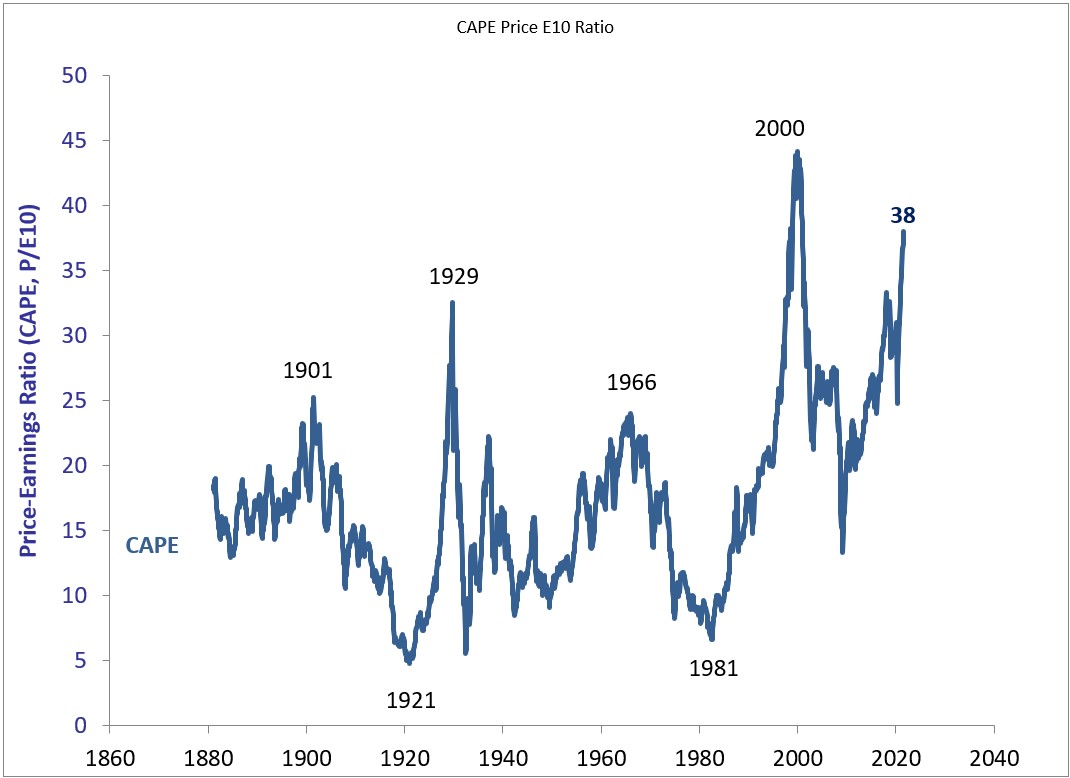
The current market is a battlefield between “Growth” stocks (tech companies expected to grow rapidly) and “Value” stocks (established companies trading at a discount). For much of the past year, Growth has outperformed due to the AI boom. However, as valuations in the tech sector become stretched, many institutional investors are beginning to rotate into Value sectors like financials, energy, and industrials. This rotation is a healthy sign of market maturation, as it suggests that the rally is broadening out beyond just a few tech names.
The Importance of a Disciplined, Long-Term Perspective
Ultimately, what is going on with the stock market right now is a period of price discovery. The market is trying to determine the “new normal” for interest rates and the true economic value of the AI revolution. For the individual investor, the current environment underscores the danger of trying to time the market. Between the rapid-fire headlines and the swings in sentiment, the most successful participants remain those who focus on long-term asset allocation, maintain a diversified portfolio, and avoid the emotional pitfalls of the daily news cycle. The market may be complex and often contradictory, but its underlying mechanism remains the same: it is a forward-looking machine that eventually rewards innovation, earnings growth, and economic resilience.
aViewFromTheCave is a participant in the Amazon Services LLC Associates Program, an affiliate advertising program designed to provide a means for sites to earn advertising fees by advertising and linking to Amazon.com. Amazon, the Amazon logo, AmazonSupply, and the AmazonSupply logo are trademarks of Amazon.com, Inc. or its affiliates. As an Amazon Associate we earn affiliate commissions from qualifying purchases.