
In the landscape of modern retail, few annual events command the same level of fervor, consumer mobilization, and logistical precision as Bath & Body Works Candle Day. To the casual observer, it appears to be a simple promotional sale—a 48-to-72-hour window where three-wick candles are sold at their lowest prices of the year. However, from a brand strategy and marketing perspective, Candle Day is a sophisticated masterclass in psychological pricing, community cultivation, and omnichannel execution. It is the moment when a household name transitions from a standard retailer into a high-octane lifestyle brand, leveraging the power of “scarcity” and “eventization” to dominate the holiday shopping cycle.

The Anatomy of a Retail Phenomenon
At its core, Candle Day is a high-impact sales event held annually by Bath & Body Works, typically occurring on the first weekend of December. During this period, the brand slashes the price of its signature 14.5-ounce three-wick candles by more than 50%, often bringing the cost down from roughly $26.00 to under $10.00. While the price point is the initial hook, the brand’s success lies in how it has transformed a discount window into a cultural milestone.
Origins and Strategic Evolution
Candle Day did not become a global sensation overnight. It began as a strategic response to the lull between Black Friday and the final Christmas rush. By identifying a specific product category—the three-wick candle—as its “hero product,” Bath & Body Works created a focused point of entry for consumers. Over the last decade, the brand has meticulously refined the timing. By placing the event in early December, they capture consumers who are in the peak “nesting” mindset for winter, while also positioning the product as the ultimate low-risk, high-reward holiday gift.
The Hero Product as a Brand Pillar
A significant portion of Bath & Body Works’ brand equity is tied to its fragrance library. Unlike competitors who may rely on a rotating cast of disparate home goods, Bath & Body Works focuses heavily on scent as a proprietary asset. Candle Day serves as the ultimate showcase for this asset. By releasing dozens of exclusive, “Candle Day-only” fragrances alongside “vaulted” fan favorites, the brand ensures that the event is not just about saving money; it is about discovery and exclusivity.
Strategic Scarcity and the FOMO Framework
The primary driver of Candle Day’s massive success is the expert application of the “Scarcity Principle.” In brand psychology, scarcity suggests that an item is more desirable because it is perceived as being in limited supply. Bath & Body Works employs this across multiple layers of the Candle Day experience.
Creating the “Event” Mindset
Most retailers run sales; very few create “events.” Bath & Body Works uses a countdown strategy that builds anticipation weeks in advance. By keeping the exact pricing and the full list of new scents under wraps until shortly before the launch, they generate significant organic “buzz.” This lack of complete information forces consumers to stay engaged with the brand’s digital touchpoints—emails, social media, and the mobile app—to stay informed.
Exclusive Product Drops and Limited Editions
A key pillar of the Candle Day strategy is the “limited edition” release. The brand understands that its “power users” (highly engaged collectors) are not just looking for a deal; they are looking for something rare. By launching specific collections that are only available during the Candle Day window, the brand creates a “Fear Of Missing Out” (FOMO) that drives immediate action. This prevents the “I’ll come back later” mindset that often leads to cart abandonment in e-commerce or foot traffic loss in physical retail.
The Psychology of the “Haul”
Candle Day is synonymous with “haul culture.” Through clever merchandising—such as large, branded crates and reinforced shopping bags designed to hold 10 or 20 candles at a time—the brand encourages bulk purchasing. The visual of a consumer carrying a crate of candles acts as a powerful form of social proof. In the digital space, this is amplified by “Candle Day Haul” videos on platforms like TikTok and YouTube, where consumers show off their collections. This user-generated content provides millions of dollars in free marketing, reinforcing the idea that participation in Candle Day is a collective social experience.
Digital Integration and Omnichannel Marketing
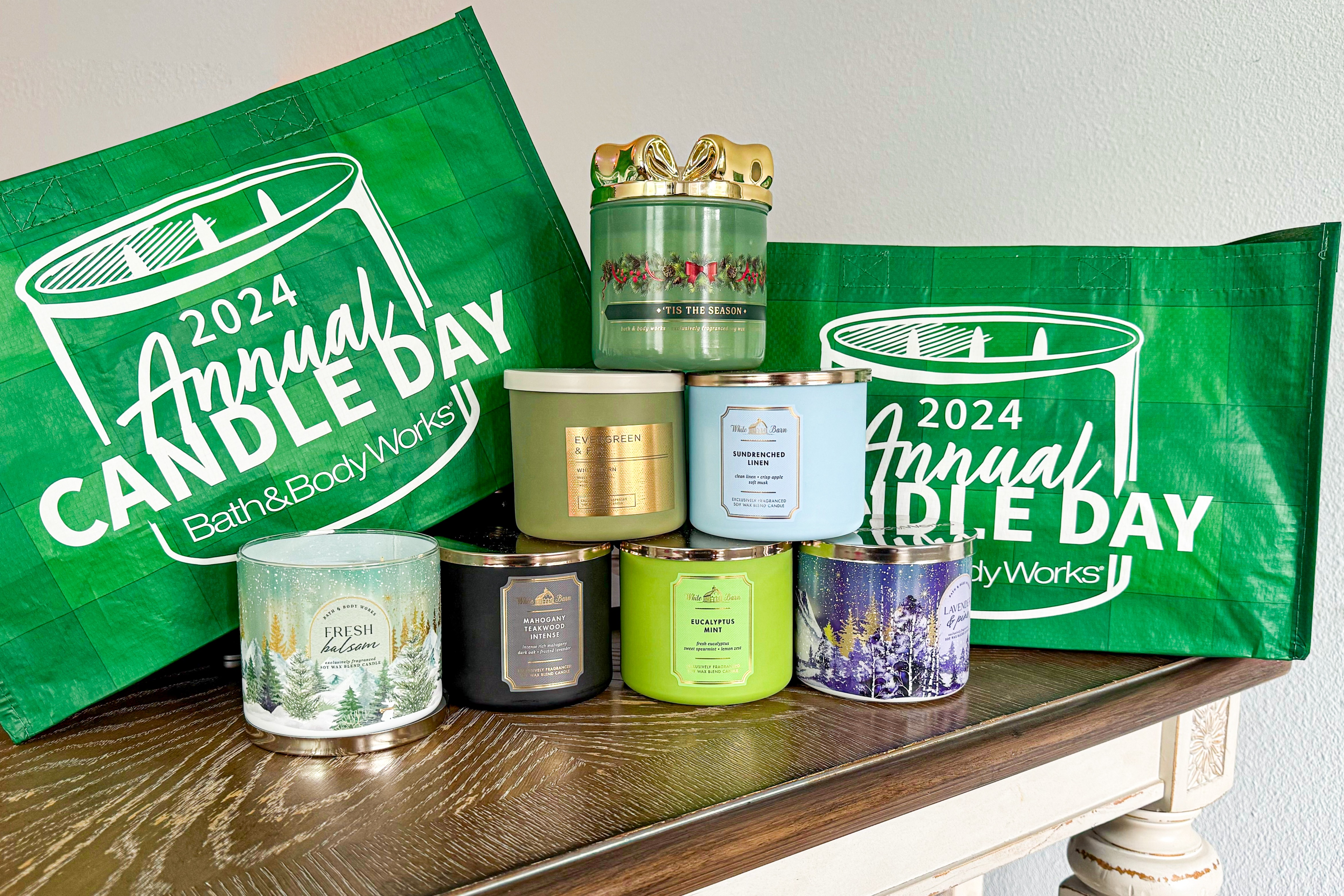
While the long lines outside physical stores are the most visible sign of Candle Day’s success, the brand’s digital infrastructure is what allows the event to scale. In recent years, Bath & Body Works has shifted toward an omnichannel approach, seamlessly blending the in-store experience with its “My Bath & Body Works” rewards program.
Early Access as a Loyalty Lever
One of the brand’s most effective moves has been the introduction of “Early Access” for rewards members. By allowing app users to shop the sale 24 hours before the general public, the brand incentivizes app downloads and data sharing. This provides Bath & Body Works with a massive repository of first-party data, allowing them to track individual consumer preferences and target them with personalized marketing for the remainder of the fiscal year. This turns a single-day sale into a long-term customer acquisition tool.
The Social Proof of the “Candle Community”
There is a vibrant, highly active subculture known as the “Candle Community.” These are enthusiasts who track scent notes, packaging designs, and performance (or “throw”) of the candles. Bath & Body Works leans heavily into this community by engaging with “Candle-fluencers.” By seeding products early to these influencers, the brand ensures that the conversation around Candle Day is ongoing and authoritative. This niche marketing approach builds a layer of brand loyalty that transcends price points.
The Operational Brilliance Behind the Craze
A brand is only as good as its ability to deliver on its promises. The logistical requirements of Candle Day are immense, and the brand’s ability to execute this event year after year is a testament to its operational excellence.
Inventory Management as Brand Integrity
Nothing damages a brand faster than a “stock-out” during a major event. Bath & Body Works manages its supply chain with incredible precision to ensure that stores are stocked with thousands of units. However, they also manage “intentional stock-outs” of specific high-demand scents to maintain the aura of scarcity. This balance keeps the inventory moving while maintaining the “treasure hunt” aspect of the shopping experience that keeps consumers moving from one store location to another.
Sensory Branding in the Physical Space
In-store, Candle Day is a sensory assault in the best possible way. The stores are redesigned to maximize “scent discovery.” By grouping candles by olfactory families (woody, floral, gourmand, etc.), the brand simplifies the decision-making process for overwhelmed shoppers. The high-energy environment—music, enthusiastic staff, and the physical weight of the products—creates a “high-arousal” shopping state. Studies in retail psychology show that consumers in this state are more likely to make impulse purchases and spend more than they originally intended.
Key Takeaways for Modern Brand Builders
Bath & Body Works Candle Day provides several vital lessons for any brand looking to create a loyal following and drive massive short-term revenue without devaluing their long-term identity.
Consistency Breeds Tradition
The brand has held Candle Day at the same time and with a similar structure for years. This consistency has allowed the event to transition from a corporate promotion into a consumer tradition. When a brand can integrate itself into the calendar of its customers, it achieves a level of “stickiness” that traditional advertising cannot buy.
The Value of the “Entry-Level” Luxury
The three-wick candle is positioned as an “affordable luxury.” In times of economic uncertainty, consumers may pull back on high-ticket luxury items, but they rarely give up small indulgences. Candle Day capitalizes on this “Lipstick Index” effect, offering a premium experience at a price point that feels accessible to almost everyone. This reinforces the brand’s image as a provider of daily joy and comfort.

Turning Transactions into Experiences
Ultimately, Candle Day succeeds because it is an experience. Whether it is the 5:00 AM alarm to get in line at the mall or the midnight refresh of the website, the brand has turned the act of buying a candle into a story. In a world where e-commerce has made shopping increasingly transactional and sterile, Bath & Body Works has doubled down on the excitement of the hunt.
As retail continues to evolve, Candle Day remains a definitive example of how to leverage product passion, psychological triggers, and operational scale to build a dominant brand. It is a reminder that even in a digital-first world, the power of a well-executed, community-driven event remains one of the most potent tools in a brand’s arsenal. For Bath & Body Works, it isn’t just about selling wax and wicks; it’s about owning the start of the holiday season and reinforcing its position as the undisputed leader in home fragrance.
aViewFromTheCave is a participant in the Amazon Services LLC Associates Program, an affiliate advertising program designed to provide a means for sites to earn advertising fees by advertising and linking to Amazon.com. Amazon, the Amazon logo, AmazonSupply, and the AmazonSupply logo are trademarks of Amazon.com, Inc. or its affiliates. As an Amazon Associate we earn affiliate commissions from qualifying purchases.