
The landscape of healthcare in the United States is a complex and ever-evolving ecosystem, and at its heart lies Medicaid. As the largest source of health coverage in the nation, providing care to millions of Americans, particularly those with low incomes, children, pregnant women, and individuals with disabilities, any shifts or challenges within Medicaid have profound implications for individuals, families, and the broader economy. The question, “What is going on with Medicaid?” is not a fleeting curiosity; it reflects a sustained and critical examination of a program that touches the lives of nearly one in three Americans. Understanding the current state of Medicaid requires delving into its operational intricacies, policy shifts, financial pressures, and the ongoing debates surrounding its future.
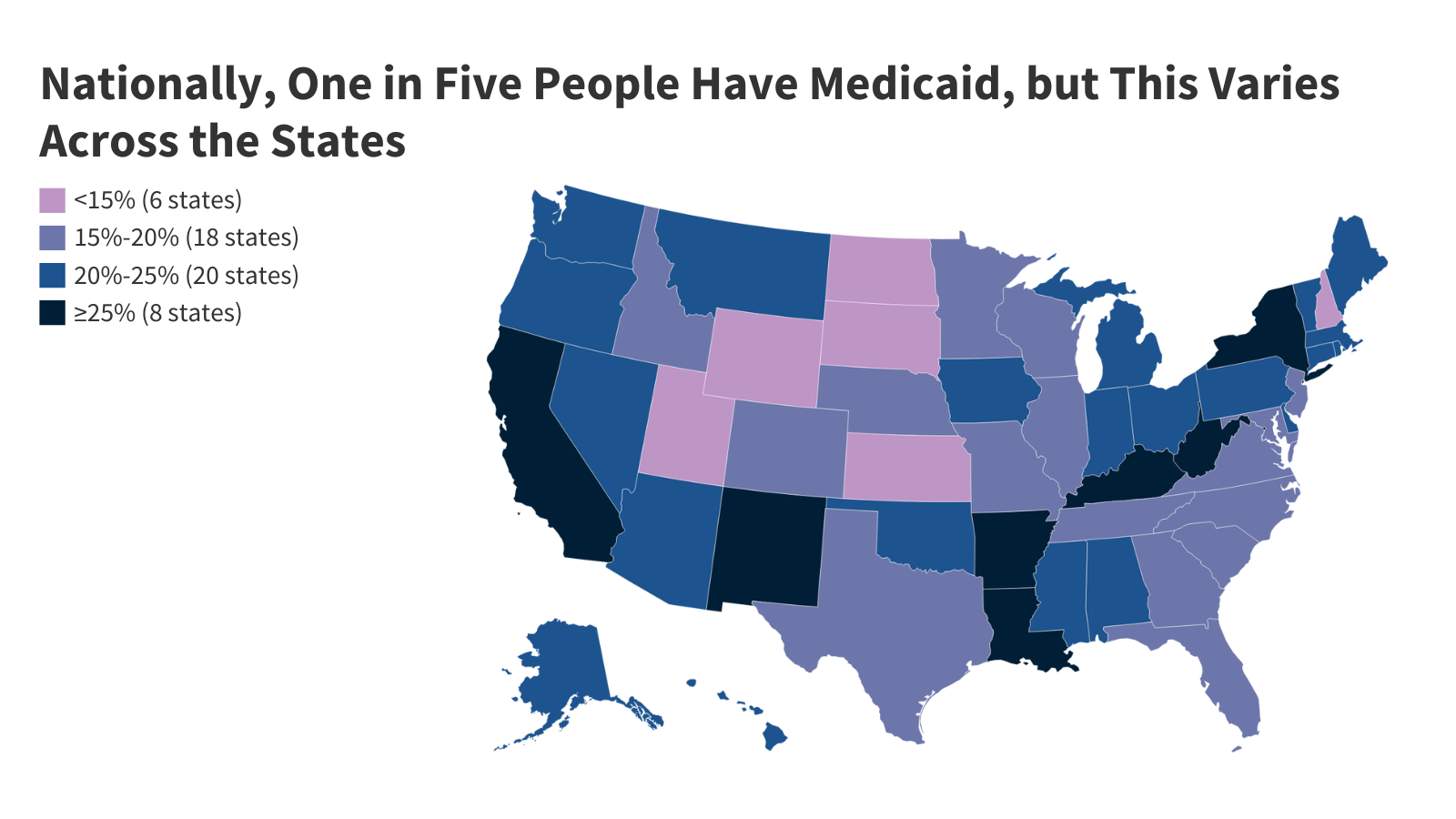
The recent past has seen significant churn for Medicaid. The COVID-19 public health emergency (PHE) introduced a period of unprecedented expansion and stability for the program, largely due to the continuous coverage requirement tied to enhanced federal funding. However, the unwinding of the PHE has initiated a massive redetermination process, the largest in Medicaid’s history, leading to millions of individuals losing their coverage. This, coupled with persistent issues of access to care, rising healthcare costs, and ongoing legislative and judicial scrutiny, paints a dynamic and often challenging picture of the program’s current status.
The Evolving Landscape of Medicaid Eligibility and Enrollment
The core function of Medicaid is to provide a safety net for vulnerable populations. Its eligibility criteria, which vary significantly by state due to the program’s federal-state partnership, are constantly under review and subject to policy changes. Understanding these shifts is crucial to grasping the program’s present situation.
The Impact of the Continuous Coverage Unwinding
The most immediate and significant change impacting Medicaid enrollment is the unwinding of the continuous coverage provision that was enacted during the COVID-19 Public Health Emergency (PHE). This provision temporarily halted regular eligibility redeterminations, ensuring that individuals who qualified for Medicaid during the pandemic did not lose their coverage, even if their circumstances changed. This prevented a potential crisis of coverage loss for millions of Americans already facing economic and health uncertainties.
However, with the expiration of the PHE, states have been permitted to resume these annual eligibility reviews. This process, often referred to as “unwinding,” is a monumental undertaking. States are mandated to contact their enrollees, verify their continued eligibility, and process renewals. For individuals who have experienced changes in income, household size, or other qualifying factors, this can lead to disenrollment. Furthermore, administrative hurdles, outdated contact information, and a lack of awareness about the process can result in individuals losing coverage even if they remain eligible. The sheer scale of this unwinding process has led to significant concerns about procedural disenrollments, where individuals lose coverage not because they are no longer eligible, but due to administrative failures or their inability to navigate the renewal process. This has particularly impacted historically underserved communities, exacerbating existing health disparities.
State-Specific Policy Variations and Expansion Debates
Medicaid’s structure is inherently decentralized, with each state having considerable latitude in designing its program within federal guidelines. This means that what “going on with Medicaid” looks like in one state can be vastly different from another. Key areas of variation include:
- Expansion under the Affordable Care Act (ACA): The ACA offered states the option to expand their Medicaid programs to cover more low-income adults. While the Supreme Court later made this expansion optional, a significant number of states have adopted it, dramatically increasing the number of people covered. However, a dozen states have not expanded Medicaid, leaving many low-income adults without access to affordable health insurance. The ongoing debate about Medicaid expansion in these remaining states is a crucial element of the current Medicaid landscape.
- Benefit Packages and Provider Reimbursement: States also differ in the scope of benefits they cover and the rates at which they reimburse healthcare providers. This can impact the availability and quality of care for Medicaid beneficiaries. Some states offer more comprehensive benefits or higher reimbursement rates, which can attract more providers and improve access. Conversely, states with lower reimbursement rates may struggle to ensure a sufficient network of doctors, specialists, and hospitals willing to serve Medicaid patients.
- Managed Care Organizations (MCOs): The vast majority of Medicaid beneficiaries are now enrolled in managed care plans. These are private insurance companies that contract with states to provide Medicaid services. While MCOs can offer administrative efficiencies and coordinated care, concerns have been raised about their oversight, quality of care, and the potential for profits to supersede patient needs. The effectiveness and oversight of these MCOs are a constant area of discussion and reform.
Financial Pressures and Budgetary Considerations
The financial sustainability of Medicaid is a perpetual concern for both federal and state governments. As the largest health insurance program, its costs represent a significant portion of government budgets, making it a frequent target for budget discussions and policy debates.
Federal Funding Mechanisms and State Contributions
Medicaid is funded through a combination of federal and state dollars. The federal government provides a substantial portion of the funding through the Federal Medical Assistance Percentage (FMAP), which is determined by a state’s per capita income. States with lower per capita incomes receive a higher FMAP. This federal matching system is designed to support states with fewer resources.
However, the total expenditure on Medicaid is a joint responsibility. States must allocate a significant portion of their own budgets to Medicaid, which can strain state finances, especially during economic downturns. This creates a delicate balancing act: states need to provide adequate coverage and access to care for their residents, but they must also manage their budgets responsibly. This tension often leads to debates about federal funding levels, the flexibility of state spending, and the potential for unfunded mandates from the federal government.
Rising Healthcare Costs and Their Impact on Medicaid
The persistent rise in healthcare costs across the nation directly impacts Medicaid. As the cost of medical services, prescription drugs, and new technologies increases, so too does the cost of providing Medicaid coverage. This inflationary pressure can outpace the growth of state revenues, forcing states to make difficult choices. These choices can include reducing benefits, increasing cost-sharing for beneficiaries (where permissible), or seeking efficiencies through managed care.
Moreover, the demographics of Medicaid beneficiaries, who often have complex health needs and chronic conditions, contribute to higher per-enrollee costs. The aging population and the increasing prevalence of chronic diseases necessitate more intensive and costly interventions. This dynamic intensifies the pressure on Medicaid budgets, making it challenging to maintain the program’s comprehensiveness and accessibility without substantial financial commitments.
Challenges in Access to Care and Provider Networks
Despite efforts to expand coverage, ensuring that Medicaid beneficiaries can actually access the care they need remains a significant challenge. This is often linked to the adequacy of provider networks and reimbursement rates.
Provider Reimbursement Rates and Network Adequacy
One of the most persistent criticisms of Medicaid is the historically low reimbursement rates paid to healthcare providers. In many states, Medicaid reimbursement rates for certain services are significantly lower than those paid by Medicare or private insurers. This disparity can create a disincentive for providers to accept Medicaid patients, leading to narrower provider networks and longer wait times for appointments, particularly for specialists.
When provider networks are not adequate, beneficiaries may struggle to find doctors, dentists, or hospitals that accept their insurance. This can force them to travel long distances, delay necessary care, or forgo treatment altogether. The result is that even individuals with Medicaid coverage may experience barriers to accessing essential healthcare services, undermining the program’s fundamental goal of providing health security. Efforts to improve network adequacy often involve state initiatives to raise reimbursement rates, implement provider incentive programs, or strengthen oversight of managed care organizations’ networks.
Addressing Health Disparities and Social Determinants of Health
Medicaid serves a disproportionately large number of individuals from low-income households and minority communities, populations that often face systemic barriers to health and well-being. These barriers, known as social determinants of health (SDOH), include factors like housing instability, food insecurity, lack of transportation, and educational attainment.
Recognizing the profound impact of SDOH on health outcomes, Medicaid is increasingly being seen as a potential vehicle for addressing these broader social needs. Innovative programs are emerging that allow Medicaid to cover services beyond traditional medical care, such as housing support, nutritional assistance, and community-based interventions. The goal is to address the root causes of poor health, thereby improving long-term health outcomes and potentially reducing healthcare costs. The success of these initiatives hinges on careful design, effective implementation, and sustained funding, representing a forward-looking approach to the challenges facing Medicaid.
The Future of Medicaid: Policy Debates and Reform Efforts
The ongoing discussions and policy proposals surrounding Medicaid reflect a collective effort to adapt the program to current challenges and ensure its long-term viability. These debates often center on its role in the broader healthcare system, its financing, and its ability to meet the evolving needs of its beneficiaries.
Potential for Federal Policy Changes and State Innovation
The federal government plays a crucial role in shaping Medicaid through legislation, regulatory guidance, and funding allocations. Future federal policy changes could significantly alter the program’s trajectory. For example, shifts in federal matching rates, adjustments to the scope of covered services, or new approaches to financing could have far-reaching consequences.
Simultaneously, states continue to serve as laboratories of innovation for Medicaid. From expanding telehealth services to implementing value-based care models, states are exploring creative solutions to improve efficiency, enhance quality, and expand access. These state-led initiatives can provide valuable insights and serve as blueprints for national reforms. The interplay between federal guidance and state experimentation will undoubtedly shape the future of Medicaid.

Balancing Coverage, Cost, and Quality
The enduring challenge for Medicaid, and indeed for any large-scale health insurance program, is to strike a delicate balance between providing comprehensive coverage, controlling costs, and ensuring high-quality care. As the program navigates its current complexities, from the unwinding of continuous coverage to the persistent issue of access to care, these fundamental objectives remain at the forefront.
The “what is going on with Medicaid” question is not just about understanding the present but also about shaping its future. It requires ongoing vigilance, thoughtful policy development, and a commitment to ensuring that this vital program continues to serve its purpose of providing essential health coverage to millions of Americans. The discussions, reforms, and innovations within Medicaid are critical for the health and economic well-being of the nation.
aViewFromTheCave is a participant in the Amazon Services LLC Associates Program, an affiliate advertising program designed to provide a means for sites to earn advertising fees by advertising and linking to Amazon.com. Amazon, the Amazon logo, AmazonSupply, and the AmazonSupply logo are trademarks of Amazon.com, Inc. or its affiliates. As an Amazon Associate we earn affiliate commissions from qualifying purchases.