
In the world of professional brand strategy, storytelling is no longer a peripheral creative exercise; it is the fundamental framework through which companies build identity, trust, and long-term equity. While many marketers focus their energy on the “climax”—the high-stakes product launch, the viral campaign, or the grand rebranding reveal—they often neglect the most critical phase of the narrative arc: the falling action.
In literary terms, the falling action is the segment of the plot that occurs immediately after the climax has been reached and the conflict has been resolved. It is the bridge between the story’s highest point of tension and its final resolution. In the context of branding and corporate identity, the falling action represents the phase where a brand delivers on its promises, manages the aftermath of its peak marketing moments, and transitions the consumer from excitement into a state of sustained loyalty. Understanding the falling action is essential for any brand strategist looking to turn a momentary “win” into a lasting legacy.
1. Defining Falling Action in the Context of Brand Narrative
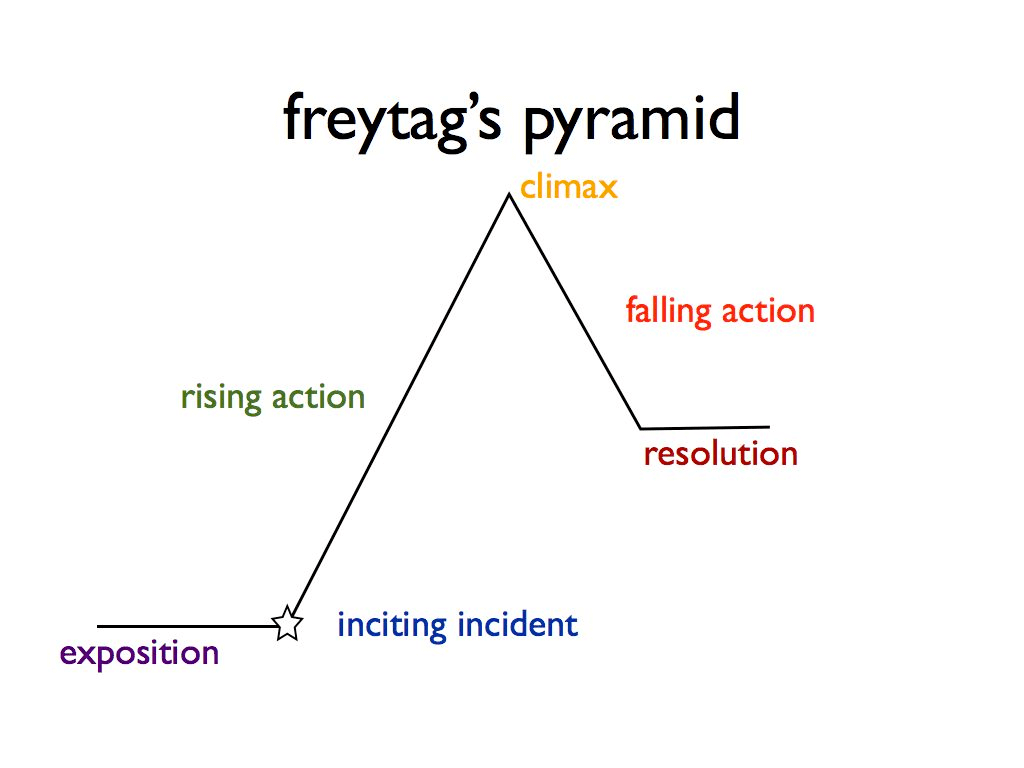
To master brand strategy, one must first understand Freytag’s Pyramid—the classic dramatic structure consisting of exposition, rising action, climax, falling action, and denouement. In a branding narrative, the “climax” is the moment of peak engagement or the transaction itself. However, the story doesn’t end when the customer clicks “buy” or when a new CEO is announced.
The Shift from Tension to Resolution
The falling action is characterized by a decrease in narrative tension. For a brand, this means moving away from the “persuasion” phase and into the “fulfillment” phase. If the rising action was the marketing campaign that built anticipation, and the climax was the consumer’s decision to engage, the falling action is the experience that follows. It is the “what happens next” that determines whether the brand’s story is a tragedy or a triumph. In this stage, the corporate identity is tested against the reality of the user experience.
Why Falling Action is the Foundation of Brand Trust
In brand storytelling, the falling action is where trust is either solidified or eroded. It encompasses everything from customer onboarding and post-purchase communication to how a brand handles feedback. While the climax captures attention, the falling action captures the heart. Strategists who treat the falling action as an afterthought risk creating “flash-in-the-pan” brands that have high awareness but zero retention. By focusing on the resolution of the story, brands can ensure that the “tension” created during the marketing phase is satisfied by a high-quality reality.
2. The Strategic Importance of the “Post-Peak” Phase
In the lifecycle of a brand campaign, there is an inevitable “post-peak” period. This is the falling action of the marketing cycle. Many brands suffer from a “hangover” effect after a major event, where engagement drops off sharply because there was no narrative plan for what follows the climax.
Transitioning from Hype to Habit
The primary goal of the falling action in a brand strategy is to transition the audience from a state of temporary excitement (hype) to a state of recurring behavior (habit). This requires a shift in messaging. During the climax, the messaging is often urgent and emotionally charged. During the falling action, the messaging should become supportive, instructional, and community-focused. This narrative shift helps the consumer integrate the brand into their daily identity, moving the product from a “new thing” to a “necessary thing.”
Managing the De-escalation of Brand Conflict
Every great brand story involves a conflict—a problem the consumer faces that the brand promises to solve. The climax is the moment the solution is applied. The falling action is the period where the “fallout” of that solution is managed. For example, if a software brand promises to “revolutionize productivity” (the climax), the falling action involves the tutorials, customer success stories, and support systems that ensure the revolution actually takes place in the user’s life. Without this de-escalation of the original problem, the narrative feels incomplete, leaving the consumer feeling abandoned.

3. Crisis Management: The Falling Action of a Brand Recovery
One of the most profound applications of the “falling action” concept is in corporate crisis management. When a brand faces a scandal or a significant failure, the “climax” is the moment the crisis hits its peak public intensity. The falling action is the subsequent strategic response that leads toward resolution and the “new normal” for the corporate identity.
Resolving Narrative Tension After a Failure
When a brand story takes a negative turn, the falling action is the most delicate period of brand management. This is where the brand must demonstrate accountability. In this phase of the story, the “hero” (the brand) must take tangible steps to rectify the conflict. The falling action here is not just about PR statements; it is about the “action” part of the term—implementing new policies, compensating affected parties, and changing internal cultures. If the falling action is handled with transparency, the story can end in a “redemption arc” that actually strengthens brand loyalty.
Case Studies in Strategic Resolution
Consider a brand that experiences a data breach. The climax is the discovery and the public outcry. The falling action is the multi-month process of security upgrades, transparent communication, and rebuilding the user interface to emphasize safety. Brands that excel in the falling action phase of a crisis often emerge with a more defined and resilient identity because they proved their values when the stakes were highest. They didn’t just survive the climax; they mastered the resolution.
4. Converting Customers into Evangelists through Narrative Resolution
The final stage of the falling action leads directly into the denouement, or the “new status quo.” In brand strategy, this is the point where a customer becomes an advocate or an evangelist. This transition is only possible if the falling action provided a satisfying conclusion to the initial brand promise.
The Role of Customer Experience in Storytelling
Customer experience (CX) is essentially the “falling action” of the marketing department’s story. While marketing tells the story of what could be, CX tells the story of what is. To create a cohesive brand identity, these two stories must align. When a brand provides exceptional post-purchase support, personalized follow-ups, and a seamless user journey, they are writing a falling action that leads to a positive resolution. This creates a sense of “narrative closure” for the consumer, making them feel that their investment in the brand was a wise and successful chapter in their own personal story.
Building Equity Through Consistency
Brand equity is built in the quiet moments of the falling action. It is the result of a brand showing up consistently after the initial excitement has faded. Professional branding requires a long-term view where the “falling action” of one product launch becomes the “exposition” (the background setting) for the next one. By treating every customer interaction as a vital part of a continuous narrative, brands can create a loyal community that doesn’t just wait for the next climax but finds value in the ongoing relationship.

Conclusion: The Power of the Finished Story
In conclusion, “what is a falling action of a story?” is not just a question for literary critics—it is a vital inquiry for brand builders and corporate strategists. A brand that only focuses on the climax is a brand that is perpetually starting over, constantly needing to manufacture new hype to stay relevant. Conversely, a brand that masters the falling action understands the power of resolution, the necessity of trust, and the value of the long-term relationship.
By intentionally designing the falling action of your brand’s narrative, you ensure that your story doesn’t just end with a sale, but matures into a legacy. Whether you are navigating a product rollout, a corporate rebranding, or a PR crisis, remember that the “falling” phase is where the real work of brand-building happens. It is where you move from being a noise in the market to being a meaningful part of the consumer’s world. Master the falling action, and you will master the art of the enduring brand.
aViewFromTheCave is a participant in the Amazon Services LLC Associates Program, an affiliate advertising program designed to provide a means for sites to earn advertising fees by advertising and linking to Amazon.com. Amazon, the Amazon logo, AmazonSupply, and the AmazonSupply logo are trademarks of Amazon.com, Inc. or its affiliates. As an Amazon Associate we earn affiliate commissions from qualifying purchases.