
The Global Entry application represents more than a mere administrative hurdle for international travelers; it is a strategic financial and time-management tool designed to optimize the efficiency of global commerce and personal mobility. Operated by U.S. Customs and Border Protection (CBP), the Global Entry program allows expedited clearance for pre-approved, low-risk travelers upon arrival in the United States. For the modern professional, the application process is an investment in “time-capital,” providing a measurable return on investment (ROI) by eliminating the unpredictable bottlenecks of international arrivals.
Understanding the Global Entry application through a financial lens requires looking beyond the sticker price of the application fee. It involves analyzing the opportunity costs of travel delays, the integration of premium financial products that subsidize the program, and the long-term value of maintaining a “trusted traveler” status in an increasingly complex global economy.
Understanding the Financial Value of Global Entry
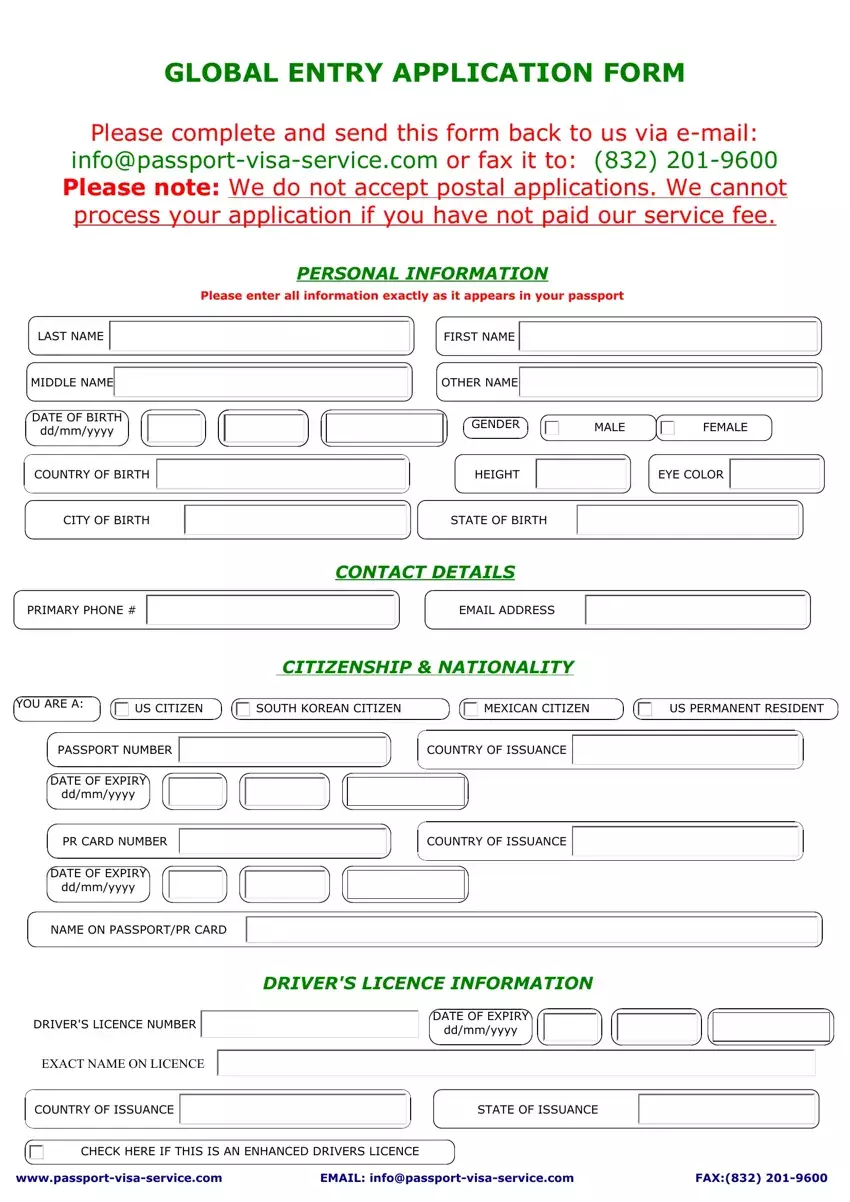
At its core, the Global Entry application is a request for a five-year membership in an elite tier of travelers. While the upfront cost is a fixed figure—currently set at $100 (with an upcoming adjustment to $120 to align with program operational costs)—the real value is derived from the consistent time savings across multiple years of international and domestic travel.
The Cost Structure and Application Fees
When evaluating the Global Entry application from a personal finance perspective, the fee should be viewed as an amortized expense. At $100 for a five-year membership, the cost breaks down to a mere $20 per year. This entry fee covers the rigorous background check, the processing of biometric data, and the maintenance of the automated kiosks found at major airports.
However, the financial landscape of the application is shifting. For the first time in over a decade, the fee structure is being updated to reflect the increased costs of security technology and personnel. For individuals considering the application, the timing of the filing can impact the immediate cash outlay. Despite the price increase, the program remains one of the most cost-effective “luxury” travel upgrades available, particularly when compared to private sector alternatives like CLEAR or individual lounge memberships.
Time as Currency: Calculating Your ROI
In the world of finance and business, time is the ultimate non-renewable resource. The Global Entry application is, in essence, a purchase of time. The average wait time at standard customs lines in major hubs like JFK, LAX, or O’Hare can range from 45 minutes to over two hours during peak travel windows.
If a professional traveler values their time at a modest $50 per hour, the time saved during just two international trips more than pays for the entire five-year membership. For high-earning executives or business owners, the ROI is even more dramatic. By bypassing the traditional queue, travelers can secure faster connections, reduce the need for overnight layovers, and arrive at meetings with significantly less cognitive fatigue. This reduction in “travel friction” is a tangible benefit that contributes to overall professional productivity and well-being.
Strategic Credit Card Integration: Getting the Application for Free
One of the most compelling aspects of the Global Entry application for the financially savvy is the ability to bypass the out-of-pocket cost entirely. The premium credit card market has become highly competitive, with issuers using Global Entry fee credits as a cornerstone perk to justify annual fees and attract high-net-worth clients.
Top Premium Credit Cards with Global Entry Credits
Major financial institutions such as American Express, Chase, and Capital One have integrated Global Entry reimbursements into their top-tier travel cards. When an applicant uses a qualifying card to pay the $100 application fee, the bank issues a statement credit, effectively making the application free.
- The American Express Platinum Card: Long considered the gold standard for travel perks, this card provides a statement credit every four years for Global Entry. Given the card’s high annual fee, utilizing this credit is a key part of “breaking even” on the card’s value proposition.
- Chase Sapphire Reserve: This card offers a similar credit, alongside a robust travel reimbursement policy. It appeals to investors and travelers who want to consolidate their travel spending while maintaining elite status perks.
- Capital One Venture X: A newer entrant in the premium space, this card offers the Global Entry credit at a lower annual fee than its competitors, making the “free” application accessible to a broader range of consumers.
By leveraging these financial tools, the Global Entry application ceases to be an expense and instead becomes a leveraged benefit of an existing financial portfolio.
Maximizing Travel Rewards and Reimbursements
The strategic use of credit card credits for Global Entry is a hallmark of “travel hacking” and sophisticated personal finance management. It is important to note that the credit is typically available once every four or five years, aligning with the renewal cycle of the membership.
Furthermore, many families use these credits strategically. Since the credit is triggered by the charge itself, a primary cardholder who already has Global Entry can use their card to pay for a spouse’s or child’s application fee, effectively extending the financial benefit to their entire household. This approach maximizes the utility of the credit card’s annual fee and ensures that the entire family can move through customs at the same expedited pace.
The Application Process: A Financial Tool for Business Travel
For corporations and small business owners, the Global Entry application is a vital component of a modern business travel strategy. It falls under the umbrella of travel risk management and employee efficiency.
Pre-Check Inclusion and Domestic Travel Efficiency
A significant “hidden” value of the Global Entry application is the inclusion of TSA PreCheck. While TSA PreCheck focuses on domestic security screening, it is automatically bundled with Global Entry. This dual-membership status means the applicant is vetted for both domestic departures and international arrivals.
From a business finance perspective, this reduces the “soft costs” of travel. Employees spend less time in security lines, reducing the likelihood of missed flights and the subsequent costs of rebooking. The efficiency gained at the airport translates into more time spent on billable work or client engagement. When a company encourages or reimburses Global Entry applications for its staff, it is investing in a more streamlined and less stressed workforce.
Business Expense Management and Tax Considerations
For the self-employed or small business owner, the Global Entry application fee is often a deductible business expense, provided it is used primarily for business travel. When combined with the statement credits from business versions of premium credit cards (like the Amex Business Platinum), the financial logic becomes undeniable.
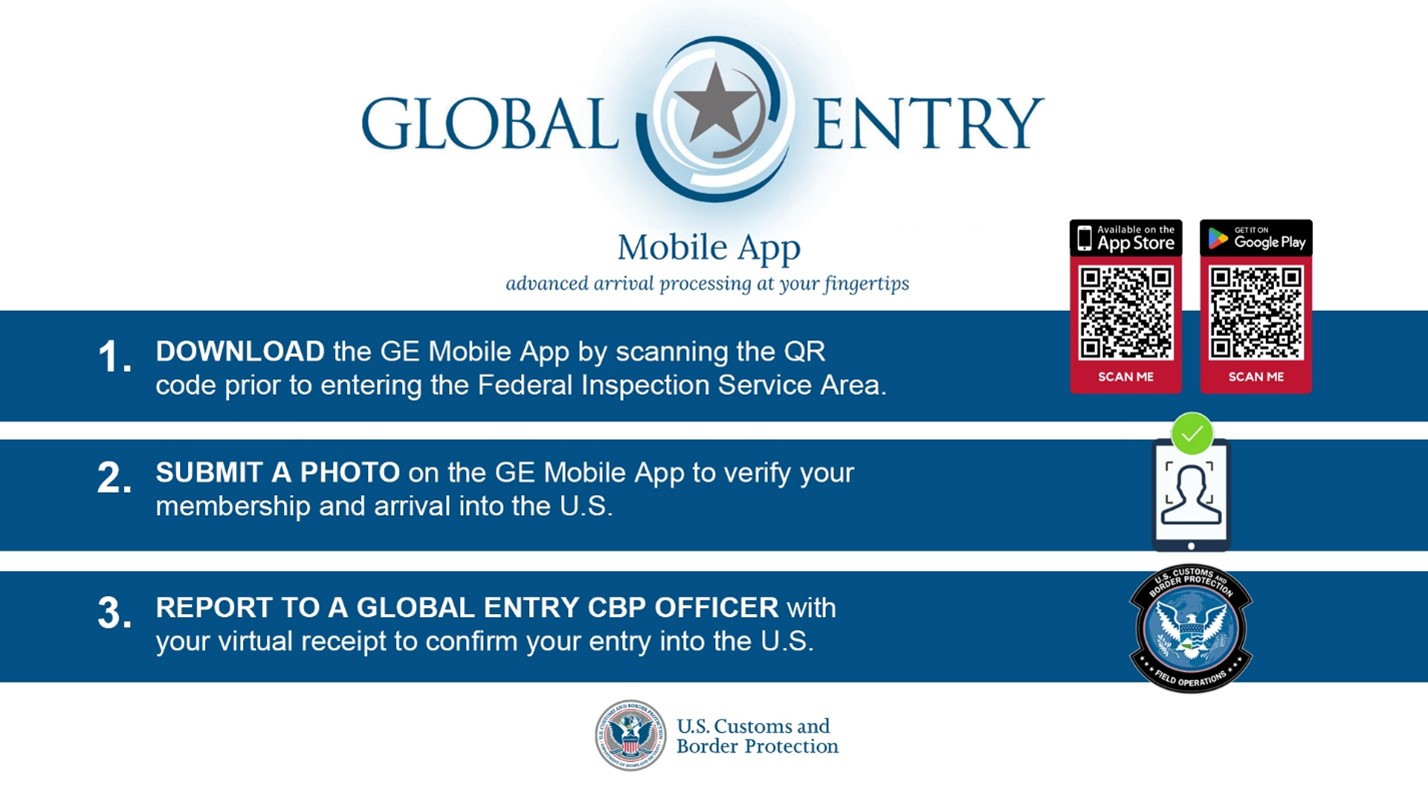
The application requires a thorough background check and an in-person interview, which some may view as a time-consuming hurdle. However, once the “Known Traveler Number” (KTN) is issued, it is integrated into the traveler’s profile across all airlines. This integration ensures that the financial and time-saving benefits are applied automatically to every booking, creating a seamless experience that mirrors the precision of a well-managed investment portfolio.
Comparing Global Entry to Other Paid Expedited Programs
To make an informed financial decision, one must compare the Global Entry application to other available expedited programs. Each has a different price point, duration, and specific use case.
Global Entry vs. TSA PreCheck vs. CLEAR
- TSA PreCheck: Costs approximately $78 for five years. It only provides expedited domestic security screening. While cheaper upfront, it lacks the international customs benefits. For an extra $22, Global Entry offers a significantly higher utility-to-cost ratio for anyone planning at least one international trip in a five-year period.
- CLEAR Plus: A private program that uses biometrics to bring you to the front of the security line. It costs roughly $189 per year. CLEAR is significantly more expensive than Global Entry and does not include customs clearance. However, many travelers use CLEAR in conjunction with Global Entry to minimize every possible delay point in the airport journey.
- Mobile Passport Control (MPC): A free app that allows for some expedited processing. While it costs nothing, it does not offer the dedicated lanes or the domestic TSA PreCheck benefits that come with a formal Global Entry application.
Making the Right Investment Choice for Your Portfolio
When selecting between these programs, the “Money” niche perspective suggests looking at the five-year total cost of ownership. Global Entry consistently emerges as the most balanced investment. It offers the broadest range of benefits (both domestic and international) for the lowest annual amortized cost.
Furthermore, because Global Entry is a government-run program, its “Known Traveler Number” is the standard identifier used by airline reservation systems worldwide. This universal acceptance provides a level of reliability that private programs cannot always guarantee. For the long-term planner, the Global Entry application is the cornerstone of a comprehensive travel strategy that prioritizes both fiscal responsibility and the preservation of time.
In conclusion, the Global Entry application is a sophisticated financial instrument for the frequent traveler. By understanding the fee structure, leveraging premium credit card benefits, and recognizing the massive ROI in terms of time saved, an applicant can transform a standard security procedure into a significant personal and professional advantage. Whether viewed as an amortized $20-a-year expense or a “free” perk of a high-end credit card, Global Entry remains an essential asset in the portfolio of any mobile, global-minded individual.
aViewFromTheCave is a participant in the Amazon Services LLC Associates Program, an affiliate advertising program designed to provide a means for sites to earn advertising fees by advertising and linking to Amazon.com. Amazon, the Amazon logo, AmazonSupply, and the AmazonSupply logo are trademarks of Amazon.com, Inc. or its affiliates. As an Amazon Associate we earn affiliate commissions from qualifying purchases.