
The pursuit of optimal metabolic health has led to a deeper understanding of various biomarkers and states, among which ketosis stands out. While often simplified, the nuanced state of metabolic health, particularly in a ketogenic context, is increasingly understood through metrics like the Glucose Ketone Index (GKI). Far from a mere diet trend, GKI ketosis represents a sophisticated measurement of metabolic balance, often leveraged with cutting-edge technology for precise management and insight. Understanding this concept is crucial, especially as digital tools and smart devices redefine how individuals monitor and interact with their physiological data.
Decoding the Glucose Ketone Index (GKI) and Ketosis
At its core, ketosis is a metabolic state where the body primarily burns fat for fuel instead of carbohydrates. This process produces ketones, which are energy molecules derived from fat. While a basic understanding of ketosis focuses solely on the presence of ketones, the Glucose Ketone Index (GKI) provides a significantly more comprehensive and insightful picture of one’s metabolic state.
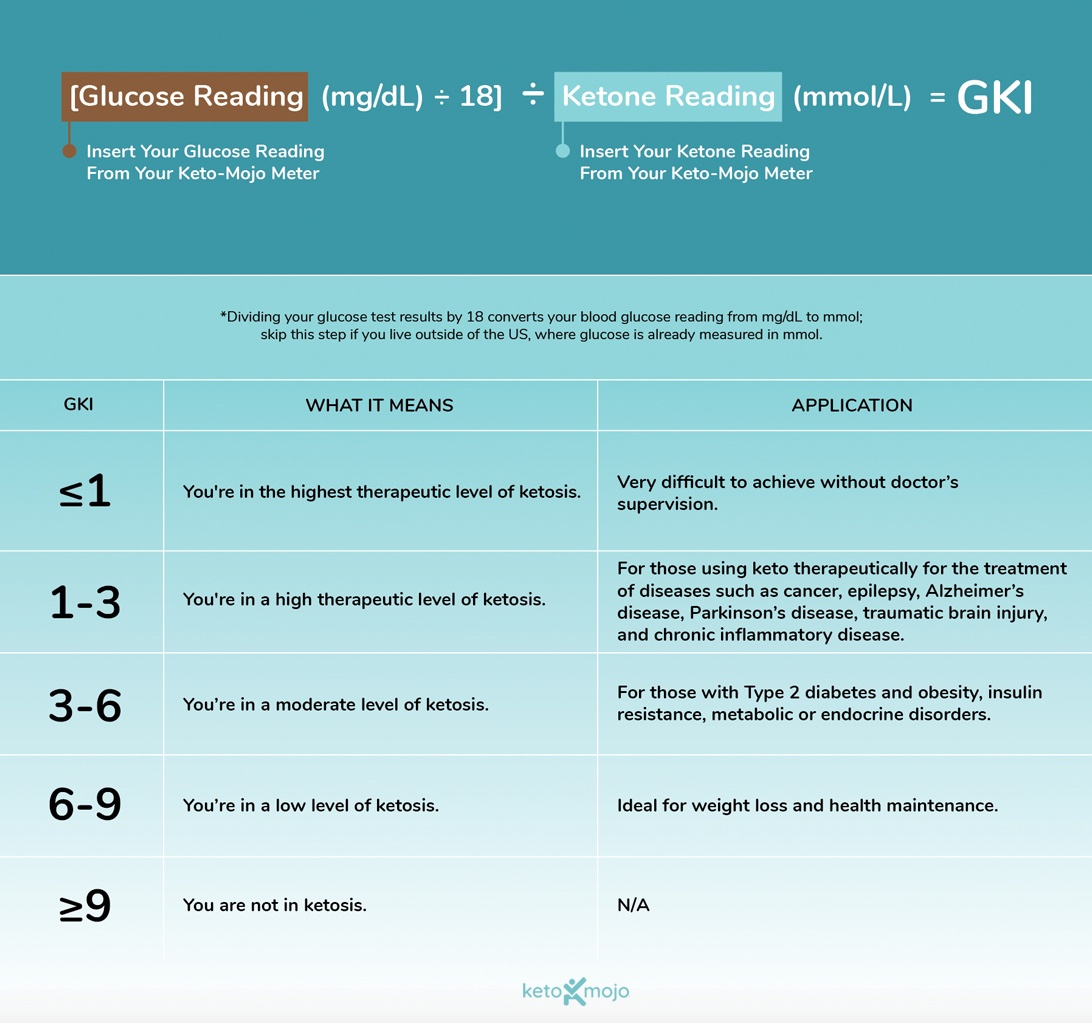
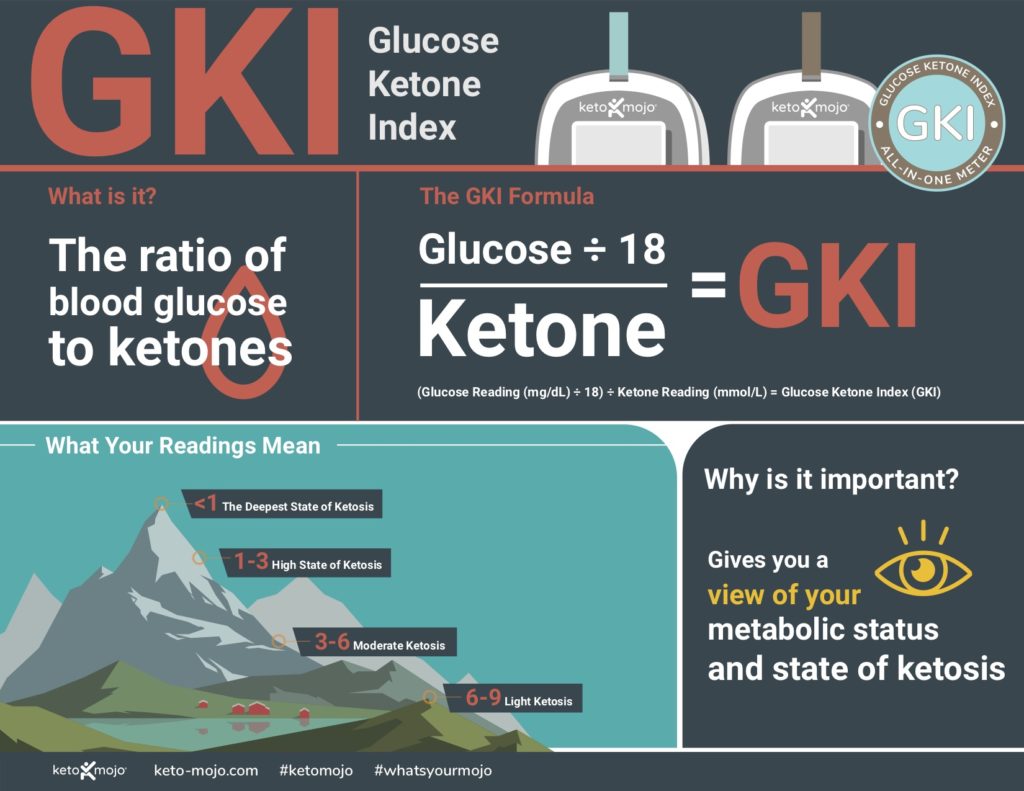
The GKI is a single number that reflects the ratio of glucose to ketones in the blood. It is calculated by dividing blood glucose levels (measured in mg/dL or mmol/L) by blood ketone levels (beta-hydroxybutyrate, BHB, measured in mmol/L). For precise calculations, glucose measured in mg/dL needs to be converted to mmol/L by dividing by 18, before dividing by ketone levels. This ratio offers a more dynamic snapshot than individual readings because glucose and ketone levels are intrinsically linked and often inversely related. For instance, high ketones alongside high glucose could indicate an issue like insulin resistance rather than therapeutic ketosis. A low GKI typically indicates a deeper, more consistent state of ketosis, often sought for therapeutic purposes beyond mere weight loss, such as neurological health, inflammation management, or athletic performance.
The significance of GKI lies in its ability to quantify the body’s metabolic efficiency. A lower GKI indicates that the body is more effectively utilizing ketones for energy, suggesting a well-adapted ketogenic state. This precision is invaluable for individuals managing specific health conditions, athletes optimizing performance, or anyone aiming for sustained metabolic health, moving beyond the anecdotal to data-driven decision-making.
The Technological Ecosystem for GKI Monitoring
The advent of accessible and sophisticated technology has revolutionized the ability to monitor and manage GKI ketosis, transforming what was once a complex biochemical analysis into a user-friendly, actionable process. This technological ecosystem spans from personal biometric devices to advanced software and AI-driven insights.
Smart Devices and Wearables
The cornerstone of personal GKI monitoring lies in the array of smart devices designed to measure blood glucose and ketones. Continuous Glucose Monitors (CGMs), once exclusive to diabetes management, are increasingly adopted by health enthusiasts and biohackers. These discreet wearable sensors provide real-time, minute-by-minute glucose readings, offering unparalleled insight into how diet, exercise, and stress impact blood sugar. For ketone measurement, portable blood ketone meters deliver accurate beta-hydroxybutyrate readings from a small blood sample. Emerging technologies also include breath ketone analyzers, which, while offering a less invasive alternative, still strive for the accuracy and reliability of blood-based measurements. The integration of these devices often involves Bluetooth connectivity, allowing data to be seamlessly transferred to smartphones or cloud platforms, forming the backbone of digital GKI management. The evolution of these gadgets focuses on enhanced accuracy, smaller footprints, longer battery life, and more intuitive user interfaces, continually lowering the barrier to entry for detailed metabolic tracking.
Mobile Applications and Software Solutions
Beyond raw data collection, mobile applications and specialized software act as the central nervous system for GKI monitoring. These platforms ingest data from various smart devices, providing users with a consolidated view of their glucose and ketone levels. Crucially, they automate the GKI calculation, often displaying trends over time through intuitive graphs and charts. Advanced apps allow users to log food intake, track macronutrients, monitor exercise, and even integrate sleep and stress data, offering a holistic perspective on factors influencing GKI. Many applications also feature predictive analytics, helping users understand how specific dietary choices or activities might impact their GKI in the near future. This data visualization and contextualization transform raw numbers into actionable insights, empowering users to adjust their routines for optimal metabolic outcomes.
AI and Machine Learning in Metabolic Health
The true power of the GKI technological ecosystem emerges with the integration of Artificial Intelligence (AI) and Machine Learning (ML). With vast amounts of personal biometric and lifestyle data being collected, AI algorithms can identify subtle patterns and correlations that are imperceptible to the human eye. For GKI management, AI tools can offer highly personalized dietary recommendations, predicting the impact of specific foods on an individual’s glucose and ketone response based on their unique metabolic profile. This moves beyond generic ketogenic guidelines to precision nutrition. ML models can also detect anomalies in GKI trends, alerting users to potential issues like insulin resistance progression or insufficient ketone production, prompting timely interventions. Furthermore, AI can optimize exercise routines, stress management techniques, and fasting protocols to maintain a desired GKI range, acting as a virtual metabolic coach that learns and adapts to the user’s physiology over time.
Digital Security and Data Privacy in GKI Tracking
As GKI monitoring increasingly relies on interconnected digital tools, the imperative of digital security and data privacy becomes paramount. Personal health data, especially detailed metabolic information, is highly sensitive and requires robust protective measures.
Choosing applications and devices from reputable developers is crucial. These providers should adhere to industry-standard security protocols, including end-to-end encryption for data transmission and secure, anonymized storage on cloud servers. Compliance with regulations such as HIPAA in the United States or GDPR in Europe is a strong indicator of a company’s commitment to protecting user data. Users must also be diligent in managing their privacy settings, understanding what data is collected, how it is used, and with whom it might be shared. Features like multi-factor authentication add an essential layer of security to personal accounts. The risks associated with data breaches, from identity theft to the misuse of health information, underscore the need for vigilance. As GKI tracking becomes more mainstream, ensuring the confidentiality and integrity of this intimate metabolic data is as vital as the accuracy of the readings themselves.
Future Innovations: The Horizon of GKI Tech
The rapid pace of technological innovation promises even more sophisticated and integrated approaches to GKI monitoring and metabolic health management. The future of GKI tech is poised for breakthroughs that will make tracking even more seamless, insightful, and personalized.
Non-Invasive Sensing Technologies
One of the most anticipated advancements is the development of truly non-invasive and continuous GKI sensing. While CGMs are already minimally invasive, future devices may include advanced wearables (e.g., smartwatches with integrated sensors), smart patches, or even contact lenses capable of monitoring glucose and ketones without drawing blood. These technologies aim to provide real-time, passive GKI data, further integrating metabolic awareness into daily life without requiring conscious effort or discomfort from the user. Optical sensors, molecular spectroscopy, and advanced electrochemical detection are among the promising avenues being explored to achieve this goal.
Integrated Health Platforms
The trend towards holistic health management will see GKI data merge seamlessly with other vital health metrics. Future platforms will likely aggregate information from sleep trackers, heart rate variability monitors, activity trackers, and even genetic predisposition data. This integration, powered by advanced AI, will create a comprehensive “digital twin” of an individual’s metabolic health, offering predictive models for disease risk, optimal intervention strategies, and highly personalized wellness roadmaps. These platforms will not just track but interpret complex interdependencies between various lifestyle factors and GKI, providing a truly personalized health narrative.

Telemedicine and AI-Coaching
The convergence of GKI data with telemedicine and AI-driven coaching will empower remote healthcare delivery and continuous personalized support. Clinicians will be able to remotely access detailed GKI trends, allowing for more proactive and data-informed patient care. AI-powered coaches, leveraging an individual’s real-time GKI and lifestyle data, will offer dynamic and adaptive guidance, from meal planning adjustments to exercise recommendations, all tailored to optimize metabolic goals. This level of personalized, always-on support will democratize access to expert metabolic health advice, making advanced GKI management accessible to a wider population. The future of GKI ketosis lies not just in understanding a metabolic state, but in harnessing technology to master it.
aViewFromTheCave is a participant in the Amazon Services LLC Associates Program, an affiliate advertising program designed to provide a means for sites to earn advertising fees by advertising and linking to Amazon.com. Amazon, the Amazon logo, AmazonSupply, and the AmazonSupply logo are trademarks of Amazon.com, Inc. or its affiliates. As an Amazon Associate we earn affiliate commissions from qualifying purchases.