
Car rentals, while often a necessity for travel, business, or even local excursions, can quickly become a significant expense if not approached strategically. The desire for convenience and flexibility can often lead travelers down a path of hidden fees, unnecessary upgrades, and overlooked discounts. In an era where every dollar counts, mastering the art of saving on car rentals is not just a smart financial move; it’s an essential skill for savvy consumers. This comprehensive guide will dissect the car rental landscape, offering actionable insights and proven strategies to help you navigate the booking process, understand the fine print, and ultimately, keep more money in your pocket without compromising your travel plans. From pre-booking tactics to post-rental checks, we’ll cover every angle to ensure your next car rental experience is as economical as it is enjoyable.
The Foundation: Strategic Planning and Booking
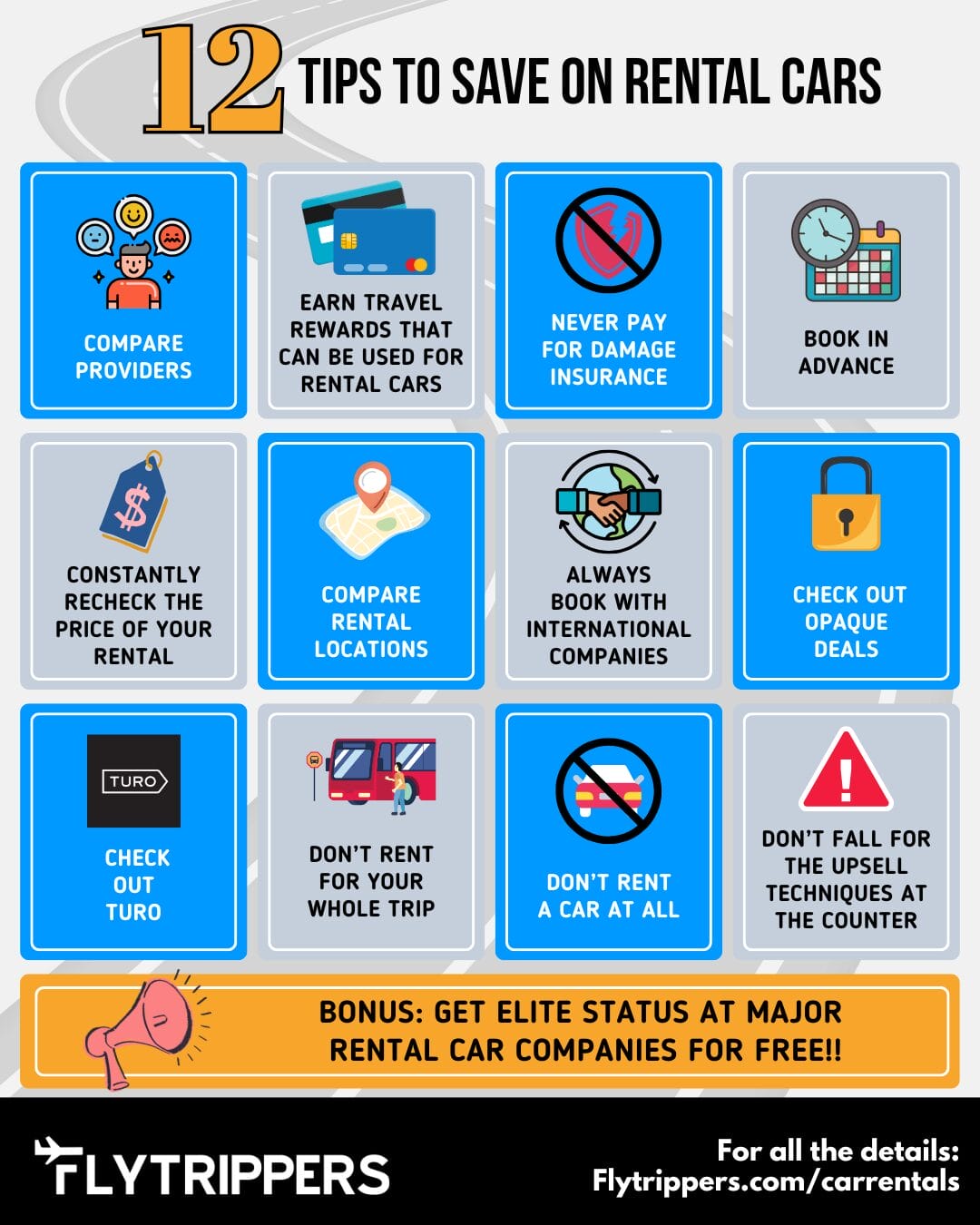
The journey to saving on car rentals begins long before you pick up the keys. Strategic planning and intelligent booking are the cornerstones of a cost-effective rental experience, enabling you to capitalize on early bird discounts, competitive pricing, and advantageous terms.
Book Early, But Stay Flexible
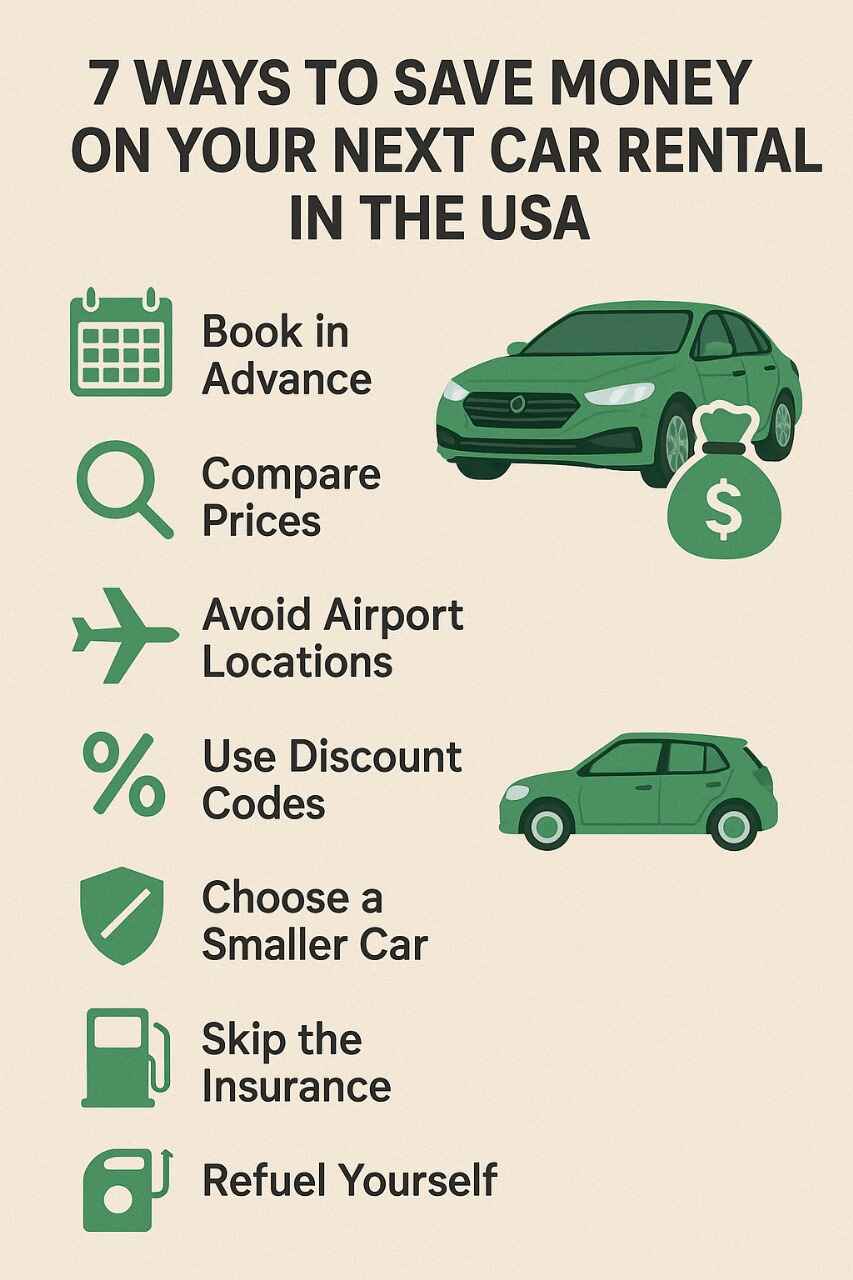
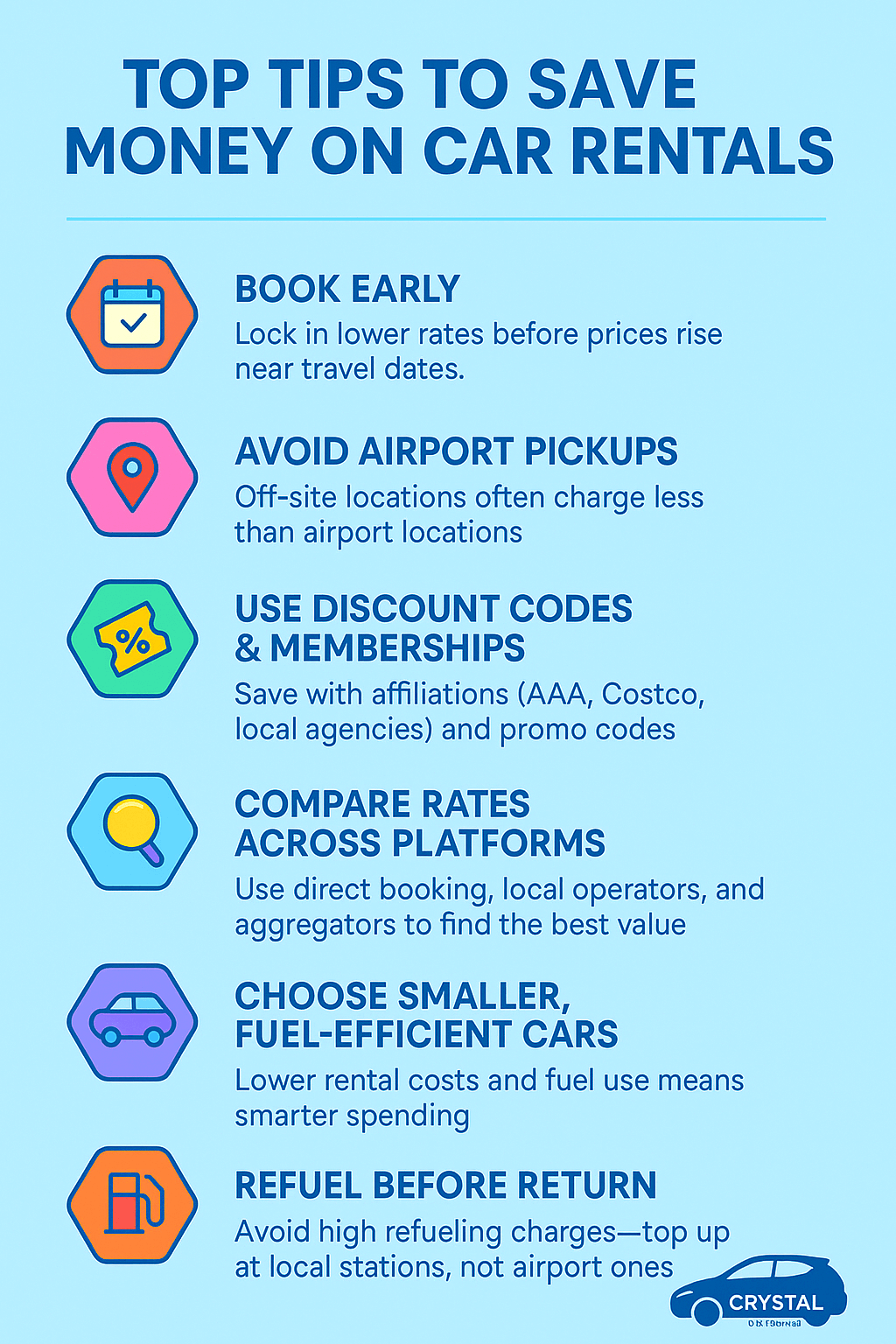
Conventional wisdom often suggests booking travel services well in advance, and car rentals are generally no exception. Early bookings (typically 1-3 months out, especially during peak seasons) often yield lower rates as demand is lower and inventory is plentiful. However, the caveat here is flexibility. Many rental companies offer “cancel for free” options up to a certain point. This allows you to book a good rate early and then continue monitoring prices. If a better deal emerges closer to your travel date, you can cancel your initial reservation without penalty and rebook. This strategy ensures you secure a reasonable price while leaving room to snag an even better one.
Compare Across Platforms and Providers
Never settle for the first quote you receive. The car rental market is highly competitive, with prices fluctuating based on demand, location, time of year, and even the day of the week you search. Utilize online comparison websites (aggregators) that scan multiple rental companies simultaneously. Beyond these, also check the direct websites of major rental companies (Hertz, Avis, Enterprise, Budget, National, Alamo, Thrifty, Sixt, etc.) and even lesser-known local agencies. Sometimes, direct bookings offer exclusive discounts not available through third-party sites, or vice-versa. Additionally, consider different pick-up and drop-off locations, as pricing can vary significantly even within the same city.
Leverage Loyalty Programs and Memberships
If you frequently rent cars, enrolling in a rental company’s loyalty program is a no-brainer. These programs often provide perks like expedited service, free upgrades, and, most importantly, discounted rates or points that can be redeemed for future free rentals. Beyond direct loyalty programs, consider leveraging memberships you already hold. AAA, AARP, Costco, and various corporate affiliations often have partnerships with rental agencies, offering substantial discounts that can be applied at booking. Always inquire about these possibilities and have your membership details ready.
Consider Off-Airport Locations
While the convenience of picking up a rental car directly at the airport terminal is undeniable, it often comes at a premium. Airport locations typically incur various surcharges, including “airport concession fees,” “customer facility charges,” and “premium location surcharges,” which can add a significant percentage to your total bill. Exploring rental agencies located a short shuttle or taxi ride away from the airport can often result in considerable savings. Factor in the cost and time of reaching the off-airport location, but in many cases, the savings outweigh the minor inconvenience.
Avoid Unnecessary Upgrades
When you arrive at the rental counter, you’ll almost certainly be offered an upgrade to a larger or more luxurious vehicle. While tempting, these upgrades are designed to increase the rental company’s revenue. Unless you genuinely need the extra space or features for your specific trip, politely decline. You booked a compact or economy car for a reason – usually to save money and fuel. Stick to your original reservation to avoid inflating your final cost.
Decoding the Costs: What to Watch Out For
Car rental pricing can be notoriously opaque, with various fees and policies that can inflate your bill if you’re not careful. Understanding these potential pitfalls is crucial for effective cost management.
Understanding Insurance Options
This is arguably the most confusing and expensive aspect of car rentals. Rental companies aggressively push their own insurance policies (Collision Damage Waiver/Loss Damage Waiver – CDW/LDW, Personal Accident Insurance – PAI, Supplemental Liability Protection – SLP, etc.). Before you even consider these, check your existing coverage:
- Personal Auto Insurance: Your primary auto insurance policy often extends some level of coverage to rental cars, particularly for collision and liability. Contact your insurer to understand your policy’s specifics for rentals.
- Credit Card Benefits: Many credit cards, especially premium travel cards, offer secondary (or sometimes primary) collision and theft coverage for rental cars when you pay for the rental with that card. This can be a huge saver. Be aware of exclusions (e.g., luxury cars, specific countries) and the type of coverage (primary vs. secondary).
- Travel Insurance: Some comprehensive travel insurance policies include rental car damage coverage.
Armed with this knowledge, you can make an informed decision and often decline the rental company’s expensive offerings, saving a significant amount.
Fuel Policies: The Prepay vs. Refill Dilemma
Rental companies typically offer a few fuel options:
- Prepay (Full Tank Option): You pay for a full tank upfront at a fixed rate (often higher than local pump prices) and return the car empty. This can be convenient but is rarely the cheapest option unless you literally run the tank dry.
- Return Full: You pick up the car with a full tank and are expected to return it full. This is almost always the most economical option, as you pay local pump prices.
- Return Empty (Pay for Refill): You return the car empty, and the rental company refills it, charging you a premium per gallon plus a service fee. This is usually the most expensive option.
Always opt to return the car full. Plan to stop at a gas station close to the drop-off location to top off the tank yourself.
Navigating Additional Driver Fees
If multiple people will be driving the rental car, most companies charge a daily fee for each additional authorized driver. These fees can quickly accumulate. Before adding an extra driver, check if your membership (e.g., AAA, AARP, Costco) or corporate discount code waives this fee. Spouses or domestic partners are sometimes exempt, but this varies by company and location, so always confirm. If only one person needs to drive for the majority of the trip, consider if the added convenience of an extra driver truly justifies the cost.
Scrutinizing One-Way Rental Charges
Renting a car in one location and dropping it off in another (a one-way rental) typically incurs a “drop charge” or “one-way fee.” These fees can range from reasonable to exorbitant, depending on the distance, demand, and company policy. While sometimes unavoidable, if your itinerary is flexible, consider if a round trip rental from a single location might be more cost-effective, even if it means adjusting your travel plans slightly. Sometimes, picking up and dropping off in different cities but within the same state can have lower or no drop fees.
Age Restrictions and Surcharges
If you are under 25, be prepared for “underage driver fees.” Most rental companies impose a daily surcharge for drivers between 21 and 24 years old, and some even have higher minimum age requirements. These fees can significantly increase the total cost. Unfortunately, these are largely unavoidable for younger drivers, but some corporate discounts or specific programs (like AAA) can sometimes waive or reduce these surcharges. Always check the specific age policies and fees before booking.
Smart Tactics During Your Rental Period
Even after securing a great rate and understanding the potential costs, there are actions you can take during your rental period to ensure you stick to your budget and avoid unexpected charges.
Inspect the Vehicle Thoroughly
Before driving off the lot, perform a meticulous inspection of the vehicle, both inside and out. Look for any existing scratches, dents, cracks, or damage to the interior. Document everything with timestamped photos or a video, even minor imperfections. This visual evidence will protect you from being charged for pre-existing damage upon return. Compare your findings with the rental agreement’s damage report and ensure any discrepancies are noted by a rental agent before you leave.
Document Pre-Existing Damage
If you find damage that isn’t on the rental agreement, immediately bring it to the attention of a rental agent. Ask them to update the damage report and provide you with a copy. This simple step can save you hundreds, if not thousands, of dollars in bogus damage claims. Without proper documentation, it’s your word against theirs, and the rental company often holds the upper hand.
Return On Time and In Condition
Returning your rental car on time is critical. Most companies have a grace period (often 29 minutes), but exceeding it can result in an additional hourly charge or even an extra full day’s rental fee. Also, return the car in the condition you received it, especially regarding cleanliness. While you don’t need to detail the car, excessive dirt, pet hair, or strong odors might incur cleaning fees. Ensure the fuel tank is filled according to your agreement.
Monitor Mileage Limits (If Applicable)
While most rental agreements today offer unlimited mileage, especially for domestic travel, always double-check. Some specialty vehicles, longer-term rentals, or international rentals might have mileage caps. Exceeding these limits can result in significant per-mile charges. If your trip involves extensive driving, confirm unlimited mileage or factor in the cost of potential overages.
Alternative and Lesser-Known Savings Avenues
Beyond the standard booking and management strategies, there are several less conventional methods and platforms that can unlock further savings on your car rental.
Utilize Credit Card Benefits
Revisiting credit card benefits, beyond just insurance, some premium travel credit cards offer additional perks like complimentary upgrades, priority service, or even free rental days after a certain number of paid rentals. These benefits are often tied to specific rental company partnerships, so check your card’s benefits guide carefully. Always pay for the rental with the card that offers the best combination of insurance, rewards, and rental-specific perks.
Look for Corporate or Discount Codes
If you are employed, check if your company has negotiated corporate rates with car rental agencies. These rates are often significantly lower than publicly available rates and may include additional benefits like waived additional driver fees or enhanced insurance. Many organizations (like professional associations or unions) also offer members exclusive discount codes. A quick online search for “car rental discount codes” for your specific rental company might also yield current promotional codes, though their efficacy can vary.
Explore Peer-to-Peer Rental Services
Platforms like Turo, Getaround, and Zipcar have emerged as alternatives to traditional car rental companies. These services allow individuals to rent cars directly from local car owners. Depending on your location and the type of vehicle you need, peer-to-peer rentals can sometimes offer more competitive pricing, a wider selection of unique vehicles, and more flexible pick-up/drop-off arrangements. Always scrutinize the insurance options and terms, as they differ from traditional rental agencies.
Bundling with Flights or Hotels
When booking your entire trip, consider the option of bundling your car rental with your flight and/or hotel reservation. Many online travel agencies (OTAs) and airline/hotel websites offer package deals that can result in significant savings on each component, including the car rental. While not always the cheapest route for every scenario, it’s worth comparing the bundled price against booking each element separately.
The Local vs. International Nuances
Renting a car internationally introduces additional layers of complexity and cost. Be aware of varying insurance requirements, different driving laws, specific fees (like road tax or vignette fees), and currency exchange rates. Often, it’s more economical to book international rentals from your home country, as the insurance included in those packages might be more comprehensive and easier to understand than local options. Always check if your credit card’s rental car insurance covers international rentals.
Post-Rental Review and Best Practices
Your commitment to saving money shouldn’t end when you drop off the car. A final review can catch billing errors and inform future rental decisions.
Check Your Bill Carefully
Upon receiving your final invoice, review every line item meticulously. Compare it against your original reservation confirmation and note any discrepancies. Look for unexpected charges, such as unauthorized upgrades, additional driver fees, fuel charges, or damage claims. If you find an error, contact the rental company immediately with your documentation (reservation, inspection photos, fuel receipts).
Keep Records
Maintain a digital or physical folder with all your car rental documents: reservation confirmations, pre-inspection photos/videos, fuel receipts, and the final invoice. This documentation is invaluable if a dispute arises regarding billing or damage claims, providing you with concrete evidence to support your case.
Learn from Each Experience
Every car rental offers an opportunity to refine your money-saving strategies. Did an off-airport location save you a lot? Was your credit card’s insurance coverage sufficient? Did bundling actually work out cheaper? By reflecting on each rental experience, you can fine-tune your approach, ensuring that your next car rental is even more economical and hassle-free.
In conclusion, saving on car rentals is less about finding a single magic bullet and more about a holistic approach combining diligent planning, careful cost scrutiny, smart in-rental habits, and leveraging all available resources. By becoming an informed and proactive consumer, you can significantly reduce the financial burden of car rentals, allowing you to allocate more of your budget towards experiences rather than expenses.
aViewFromTheCave is a participant in the Amazon Services LLC Associates Program, an affiliate advertising program designed to provide a means for sites to earn advertising fees by advertising and linking to Amazon.com. Amazon, the Amazon logo, AmazonSupply, and the AmazonSupply logo are trademarks of Amazon.com, Inc. or its affiliates. As an Amazon Associate we earn affiliate commissions from qualifying purchases.