
The Glucose-Ketone Index (GKI) has emerged as one of the most critical digital biomarkers in the modern biohacking and health-tech landscape. While the term originated in medical research—specifically in the study of metabolic therapies for brain tumors—it has transitioned into the consumer technology sector as a primary metric for tracking metabolic health, performance, and longevity. In technical terms, the GKI is a single value that represents the relationship between blood glucose levels and ketone bodies. By distilling these two complex variables into one ratio, tech-enabled health platforms can provide users with a clear, actionable snapshot of their metabolic state.
As the “Quantified Self” movement continues to expand, GKI has become the gold standard for individuals using software and hardware to optimize their physiology. Understanding GKI within a technological framework requires looking beyond the biology and focusing on the sensors, algorithms, and data ecosystems that allow this metric to be measured and analyzed in real-time.
The Mathematical Framework of GKI Monitoring
At its core, GKI is a mathematical calculation that harmonizes two different units of measurement. In the United States, blood glucose is typically measured in mg/dL (milligrams per deciliter), while ketones are measured in mmol/L (millimoles per liter). To create a meaningful ratio, these must be converted into a shared scale.
The Algorithm Behind the Metric
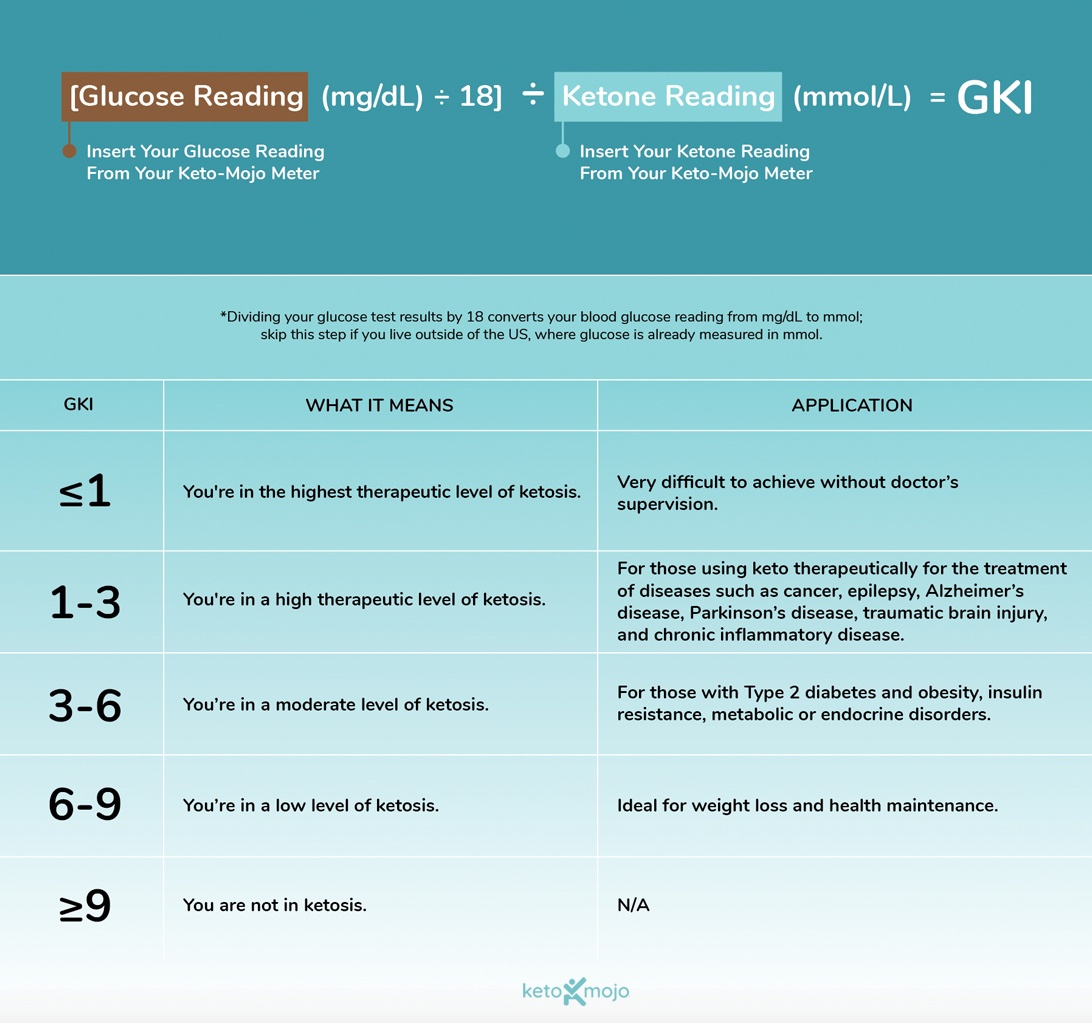
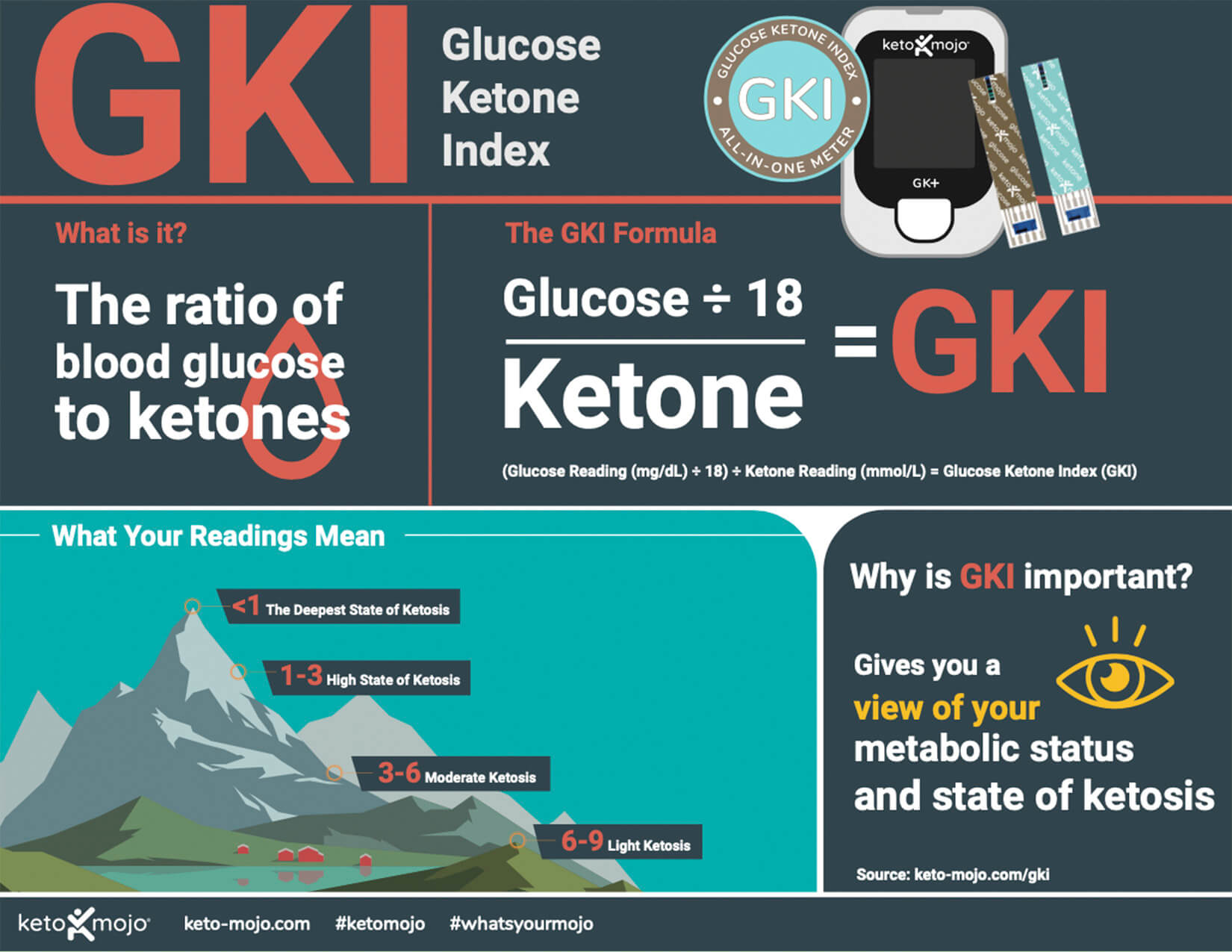
The standard formula programmed into health apps and smart meters is: (Glucose / 18) / Ketones. The division by 18 converts glucose from mg/dL to mmol/L, allowing for a direct 1:1 comparison with ketone levels. For those in regions using mmol/L for glucose already, the formula is simply Glucose / Ketones.
From a data science perspective, this ratio is superior to tracking glucose or ketones in isolation. Glucose is a highly volatile data point, influenced by stress, immediate dietary intake, and circadian rhythms. Ketones represent the body’s shift toward fat oxidation. By calculating the ratio, the software can filter out the “noise” of temporary glucose spikes and reveal the deeper trend of metabolic efficiency. A lower GKI indicates a higher level of therapeutic ketosis, while a higher GKI suggests a sugar-dominant metabolic state.
Digital Precision and Data Categorization
Tech platforms categorize GKI scores into specific zones, allowing for automated feedback loops. A GKI of 1.0 to 3.0 is generally classified as “High Therapeutic Ketosis,” often used in medical tech applications for managing chronic conditions. A range of 3.0 to 6.0 is categorized as “Moderate Ketosis” for weight loss and athletic performance, while 6.0 to 9.0 represents “Low Ketosis.” Anything above 9.0 is considered the baseline or non-ketotic state. By hard-coding these thresholds into mobile interfaces, developers enable users to gamify their metabolic health, receiving push notifications or visual cues when they reach their target zone.
Hardware Innovations: The Sensors of Metabolic Tech
The ability to track GKI at home is the result of significant advancements in electrochemical biosensor technology. Ten years ago, measuring these values required a clinical laboratory. Today, consumer-grade hardware has miniaturized these capabilities into handheld devices that rival the precision of hospital equipment.
Electrochemical Biosensors and Strip Technology
Modern GKI meters utilize sophisticated test strips embedded with enzymes (such as glucose oxidase or glucose dehydrogenase for glucose, and beta-hydroxybutyrate dehydrogenase for ketones). When a blood sample is applied, the meter applies a small electrical current. The resulting chemical reaction creates a flow of electrons proportional to the concentration of the biomarker. The device’s onboard processor then converts this micro-current into a digital reading.
The technical challenge for manufacturers has been “dual-sensing.” Most early devices required two separate meters. Current-generation hardware, such as those from Keto-Mojo or Abbott, utilizes universal ports or specialized dual-sensing algorithms to calculate GKI instantly on a single screen.
Connectivity and the IoT Ecosystem
The integration of Bluetooth Low Energy (BLE) has transformed GKI meters from isolated gadgets into nodes within the Internet of Things (IoT). Modern meters automatically sync data with smartphone applications. This connectivity allows for:
- Automatic Logging: Eliminating manual entry errors and providing a chronological data stream.
- Cross-Device Synchronization: Linking GKI data with wearables like the Oura Ring, Whoop, or Apple Watch.
- Cloud Storage: Allowing users to store years of metabolic data, which can then be exported to physicians or nutritionists via secure PDF or CSV formats.
The Software Stack: AI and Predictive Analytics
The true power of GKI lies not in the raw number, but in the analysis provided by the software layers sitting above the hardware. Health-tech developers are increasingly using artificial intelligence (AI) and machine learning (ML) to provide users with predictive insights based on their GKI trends.
Correlation Engines
Modern health apps do not just display a GKI of 2.5; they analyze what led to that number. By correlating GKI data with food logs (via APIs like Nutritionix) and activity data, these platforms can identify specific variables that disrupt metabolic health. For example, an AI engine might notice that every time a user records less than six hours of sleep, their GKI rises by 20% the following morning, regardless of their diet. This level of insight moves the metric from a static data point to a dynamic tool for behavioral change.
Predictive Modeling for Nutritional Ketosis
Using historical data, advanced software can predict how long it will take a user to reach a specific GKI zone after a high-carb meal or a period of fasting. These predictive models use regression analysis to estimate metabolic “burn rates,” helping athletes or patients plan their interventions with mathematical precision. This is particularly valuable in the “Biohacking” community, where individuals use GKI to fine-tune “Targeted Ketogenic Diets” (TKD) or “Cyclical Ketogenic Diets” (CKD).
Data Visualization and User Experience (UX)
Complex medical data can be overwhelming. Software developers focus heavily on UX design to make GKI accessible. Heatmaps, trend lines, and “metabolic clocks” are used to help users visualize their state over weeks and months. By smoothing out the daily volatility through moving averages, software provides a clearer picture of the user’s long-term metabolic trajectory.
Cybersecurity and Data Privacy in Health Tech
As GKI tracking becomes more mainstream, the digital security of metabolic data has become a paramount concern. Blood glucose and ketone levels are considered sensitive biometric data, falling under the protection of regulations like HIPAA in the United States and GDPR in Europe.
Encryption and Compliance
Leading apps in the GKI space employ end-to-end encryption for data in transit and at rest. When a meter syncs with a smartphone, the data is typically encrypted using AES-256 standards. Developers must also ensure that cloud-based backups are stored in compliant environments (such as AWS HealthOmics or Azure for Health), which provide the necessary auditing and access controls required for medical data.
The Rise of Decentralized Health Data
Looking forward, some tech innovators are exploring the use of blockchain technology to give users complete ownership of their GKI data. In a decentralized model, a user’s metabolic history would be stored on a private ledger, allowing them to grant temporary “keys” to researchers or doctors without permanently surrendering their privacy to a centralized tech corporation. This shift reflects a broader trend in technology toward data sovereignty.
The Future of GKI: Continuous Metabolic Monitoring (CMM)
The next frontier for GKI in the tech sector is the transition from “finger-prick” spot-checking to Continuous Metabolic Monitoring (CMM). While Continuous Glucose Monitors (CGMs) like the Dexcom G7 and Abbott Libre 3 are already widely available, the technology for continuous ketone monitoring is still in the late stages of development and early-market entry.
Sensor Fusion and Wearable Tech
The “Holy Grail” of metabolic tech is a non-invasive or minimally invasive patch that tracks both glucose and ketones simultaneously in the interstitial fluid. This would allow for a real-time, 24/7 GKI stream. From a technical perspective, this requires “sensor fusion”—the process of combining data from multiple sensors to reduce uncertainty and provide a more accurate GKI calculation.
Integration with Smart Home Ecosystems
As GKI data becomes continuous, we can expect to see integration with smart home ecosystems. Imagine a refrigerator that adjusts its inventory suggestions based on your real-time GKI, or a smart oven that suggests cooking times for a meal designed to stabilize your metabolic ratio. This level of environmental integration is the logical conclusion of the GKI tech roadmap, where the home environment itself becomes an extension of the user’s metabolic monitoring system.
The evolution of GKI from an obscure medical ratio to a central pillar of health technology demonstrates the power of the digital revolution in personal wellness. Through the combination of advanced electrochemical sensors, AI-driven software, and robust data security, GKI has become the ultimate metric for anyone looking to master their biology through the power of data.
aViewFromTheCave is a participant in the Amazon Services LLC Associates Program, an affiliate advertising program designed to provide a means for sites to earn advertising fees by advertising and linking to Amazon.com. Amazon, the Amazon logo, AmazonSupply, and the AmazonSupply logo are trademarks of Amazon.com, Inc. or its affiliates. As an Amazon Associate we earn affiliate commissions from qualifying purchases.