
The “GI tract,” often used interchangeably with the digestive system or alimentary canal, refers to a complex and interconnected series of organs responsible for breaking down the food we eat, absorbing essential nutrients, and eliminating waste products from the body. Far from being a simple tube, it’s a sophisticated biological “tech stack” that functions with remarkable efficiency, akin to a finely tuned engine driving our overall well-being. While its primary role is biological, understanding the GI tract has profound implications that extend into areas like personal finance (through healthcare costs and productivity), brand perception (how we present our healthy selves), and even the adoption of technology that can aid in its maintenance and understanding.
The Epic Journey of Food: From Ingestion to Elimination
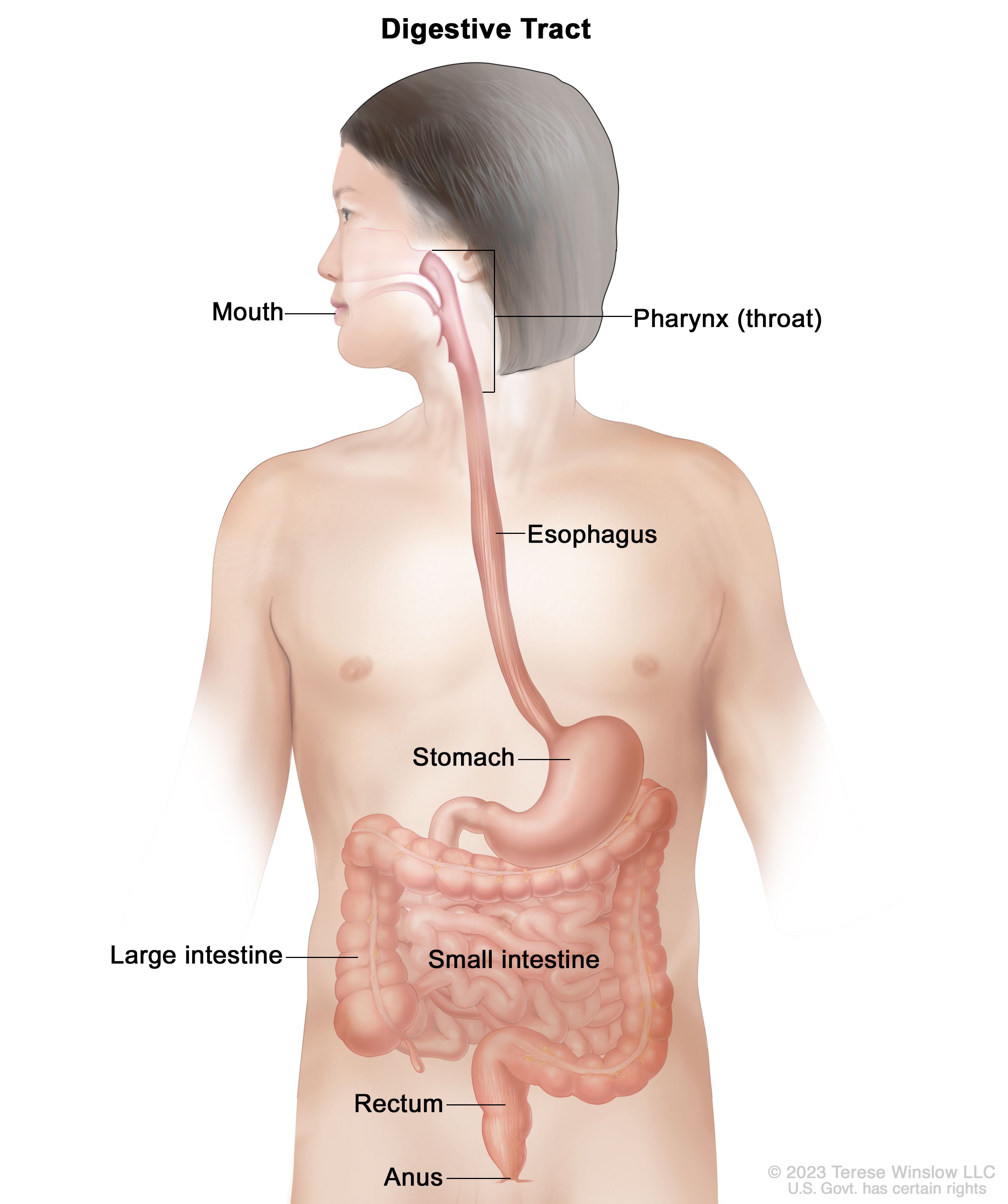
The GI tract is a continuous pathway that begins at the mouth and ends at the anus. Each section plays a critical role in a multi-stage process of digestion and absorption. Think of it as a highly organized production line, where raw materials (food) are processed, refined, and utilized, with byproducts efficiently managed.
Mouth and Esophagus: The Gateway and the Conveyor Belt
The journey begins the moment food enters the mouth. Here, mechanical digestion starts with chewing, breaking down food into smaller pieces. Simultaneously, chemical digestion commences with saliva, which contains enzymes like amylase, beginning the breakdown of carbohydrates. The tongue manipulates the food, forming a bolus for swallowing.
Once swallowed, the bolus travels down the esophagus, a muscular tube connecting the pharynx to the stomach. This is achieved through a process called peristalsis, wave-like muscular contractions that propel food forward. Imagine this as a biological conveyor belt, ensuring a steady flow of material towards the next stage of processing. While seemingly simple, the coordination of these muscular movements is incredibly precise, a testament to the biological engineering at play.
The Stomach: The Mixing Chamber and Chemical Plant
The stomach is a J-shaped, muscular organ that acts as a vital mixing chamber and chemical processing plant. Here, the food bolus is churned with gastric juices, a potent mix of hydrochloric acid and enzymes like pepsin. The highly acidic environment (pH 1.5-3.5) serves several crucial functions: it kills harmful bacteria and other pathogens that may have been ingested, it denatures proteins, preparing them for enzyme action, and it activates pepsin, the primary enzyme for protein digestion.
The stomach’s muscular walls contract vigorously, mixing the food with gastric juices to form a semi-liquid mixture called chyme. This churning action ensures thorough contact between food particles and digestive enzymes. The stomach also acts as a reservoir, regulating the rate at which chyme is released into the small intestine, preventing the smaller, more delicate organs from being overwhelmed. The efficiency of this mixing and chemical breakdown is a critical first step in unlocking the nutrients within our food.
The Small Intestine: The Nutrient Absorption Powerhouse
The small intestine is the longest section of the GI tract, typically measuring around 6-7 meters in an adult. Despite its length, it’s relatively narrow compared to the large intestine. This is where the majority of nutrient absorption takes place, making it the undisputed powerhouse of our digestive system.
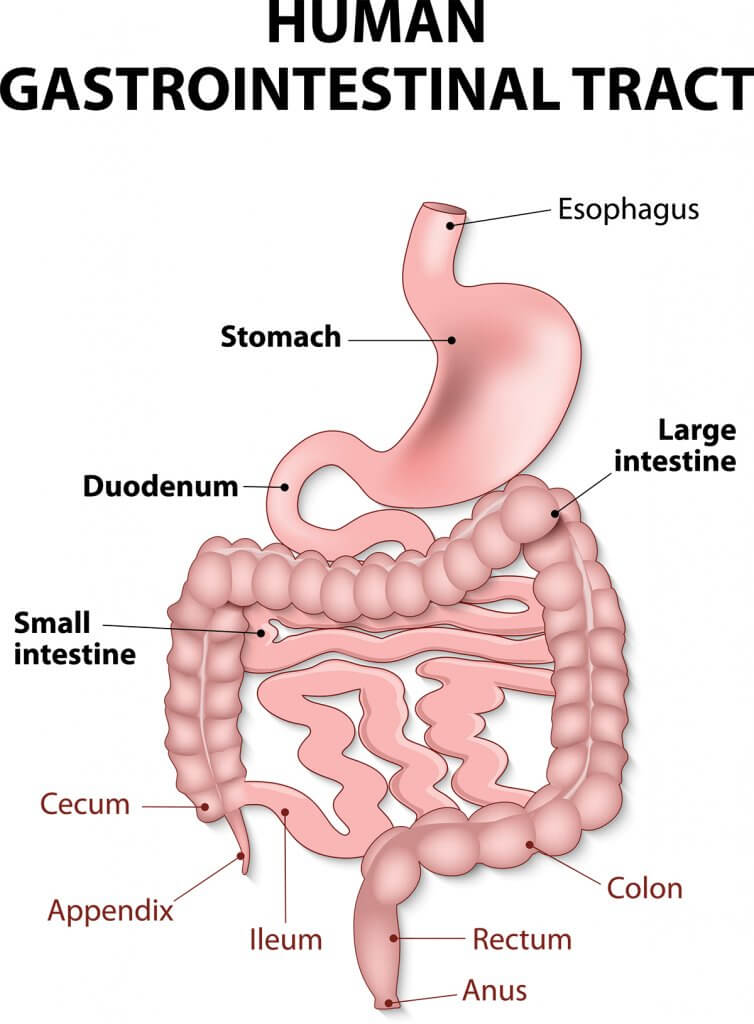
The small intestine is divided into three main parts: the duodenum, the jejunum, and the ileum. As chyme enters the duodenum, it mixes with digestive juices from the pancreas, liver, and gallbladder.
- Pancreatic Juices: The pancreas secretes a cocktail of enzymes that break down carbohydrates, proteins, and fats. These include amylase, lipase, and proteases.
- Bile: Produced by the liver and stored in the gallbladder, bile emulsifies fats, breaking them down into smaller droplets. This increases the surface area for lipase to act upon, making fat digestion more efficient.
The inner lining of the small intestine is not smooth; instead, it’s characterized by numerous folds, villi, and microvilli. These structures dramatically increase the surface area available for nutrient absorption, comparable to the size of a tennis court. As digested food passes through, nutrients like glucose, amino acids, fatty acids, vitamins, and minerals are absorbed through the intestinal wall into the bloodstream and lymphatic system, where they are transported to cells throughout the body for energy, growth, and repair. This intricate design highlights the biological “software” and “hardware” optimized for efficient nutrient extraction.
The Large Intestine: Water Absorption and Waste Management
The remaining undigested material, along with water, passes from the small intestine into the large intestine. This organ is shorter but wider than the small intestine, and its primary roles are water absorption and the formation of feces.
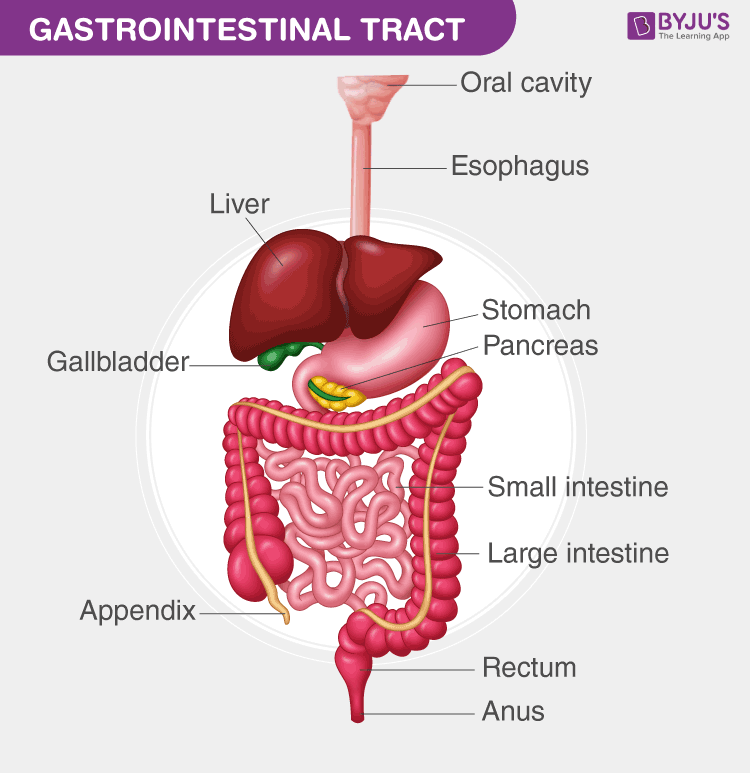
The large intestine consists of the cecum, the colon (ascending, transverse, descending, and sigmoid), the rectum, and the anal canal. As the material moves through the colon, water is absorbed back into the body, concentrating the waste products. This dehydration process is crucial for maintaining fluid balance within the body.
The large intestine is also home to trillions of bacteria, collectively known as the gut microbiota. These bacteria are not passive inhabitants; they play a vital role in our health. They synthesize certain vitamins (like vitamin K and some B vitamins), ferment undigested carbohydrates, and help protect us from pathogenic bacteria. The health and balance of our gut microbiota are increasingly recognized as fundamental to overall well-being, influencing everything from digestion to immune function and even mental health. This complex ecosystem within our bodies is a prime example of how biological systems can mimic advanced networked environments.
The Rectum and Anus: The Final Exit
The final stages of the GI tract are the rectum and the anus. The rectum stores feces before defecation, and the anus is the opening through which feces are eliminated from the body. This controlled expulsion of waste is the final act in the digestive process, ensuring that the body efficiently removes unusable materials.
The GI Tract as a Biological “Tech Stack”
When we consider the GI tract through the lens of the website’s core topics, its complexity and sophistication become even more apparent.
Tech: The Biological Hardware and Software
The GI tract is a marvel of biological engineering, a testament to highly optimized “hardware” and “software.” The muscular walls of the stomach and intestines represent the intricate mechanical components. The specialized cells lining these organs, with their brush borders and absorptive capabilities, are the advanced processing units.
The “software” is equally impressive. Hormonal signals, neurotransmitters from the enteric nervous system (often called the “second brain”), and enzymatic cascades all orchestrate the complex dance of digestion. The gut microbiota, with its vast array of microbial “apps” and “algorithms,” further enhances the system’s functionality, contributing to nutrient synthesis and immune regulation. Just as we rely on software updates to improve our digital devices, the gut microbiota is constantly evolving and adapting, demonstrating a form of biological self-optimization. Understanding this biological “tech stack” is paramount to maintaining our health. This is where the concept of “AI Tools” in healthcare, such as diagnostic algorithms or personalized nutrition platforms, begins to intersect with our understanding of the GI tract.
Brand: The Embodiment of Health and Vitality
Our GI tract plays a significant role in how we project ourselves – our personal brand. When our digestive system is functioning optimally, we have more energy, clearer skin, and a general sense of well-being. This directly impacts our confidence and how we present ourselves to the world. A healthy GI tract can be seen as a foundational element of a strong personal brand, projecting an image of vitality and health.
Furthermore, the food industry and wellness brands leverage our understanding of the GI tract in their marketing and product development. From probiotics marketed for gut health to functional foods designed to support digestion, brands are capitalizing on consumer awareness of this crucial bodily system. The reputation of a health and wellness brand is intrinsically linked to its ability to deliver products and information that genuinely benefit the GI tract. Case studies in marketing often highlight successful campaigns that tap into the desire for a healthy digestive system.
Money: The Financial Implications of Digestive Health
The state of our GI tract has significant financial implications. Healthcare costs associated with digestive disorders can be substantial, including doctor’s visits, diagnostic tests, medications, and even surgeries. Conversely, maintaining a healthy GI tract through diet and lifestyle can be a proactive form of “personal finance” management, reducing future healthcare expenditures.
Moreover, digestive issues can directly impact productivity. When we experience discomfort, bloating, or fatigue due to poor digestion, our ability to focus, work efficiently, and earn an income is compromised. This can affect our “online income” potential or the profitability of a “side hustle.” Investing in our gut health through healthy food choices and, when necessary, seeking professional advice, can be viewed as a wise financial investment in our overall well-being and earning capacity. The development of sophisticated financial tools for managing healthcare expenses or analyzing the economic impact of health conditions also indirectly relates to the importance of understanding our GI tract.
Conclusion: A Vital System Demanding Our Attention
The GI tract is far more than just a series of organs; it’s a dynamic, complex, and vital system that underpins our health, energy levels, and even our financial well-being. From the intricate biological “tech” that breaks down our food to the “brand” of vitality it helps us project, and the significant “money” implications of its health, understanding the GI tract is essential in today’s world. By paying attention to what we eat, how we manage stress, and by staying informed about the latest advancements in understanding this incredible biological engine, we invest in a healthier, more productive, and more prosperous future. Just as we continuously update our digital devices, nurturing our GI tract through informed choices is an ongoing process of optimization for a life of sustained well-being.
aViewFromTheCave is a participant in the Amazon Services LLC Associates Program, an affiliate advertising program designed to provide a means for sites to earn advertising fees by advertising and linking to Amazon.com. Amazon, the Amazon logo, AmazonSupply, and the AmazonSupply logo are trademarks of Amazon.com, Inc. or its affiliates. As an Amazon Associate we earn affiliate commissions from qualifying purchases.