
A general strike, at its core, is a powerful and far-reaching form of labor protest where a significant portion of a workforce, often across multiple industries and sectors within a city, region, or even an entire nation, ceases to work. It’s not merely a localized walkout by a single union or company; instead, it represents a collective withdrawal of labor on a scale designed to exert maximum pressure on employers, governments, and society at large. The objective is to disrupt the normal functioning of the economy and public services to force concessions on specific demands, which can range from improved wages and working conditions to broader political and social reforms.
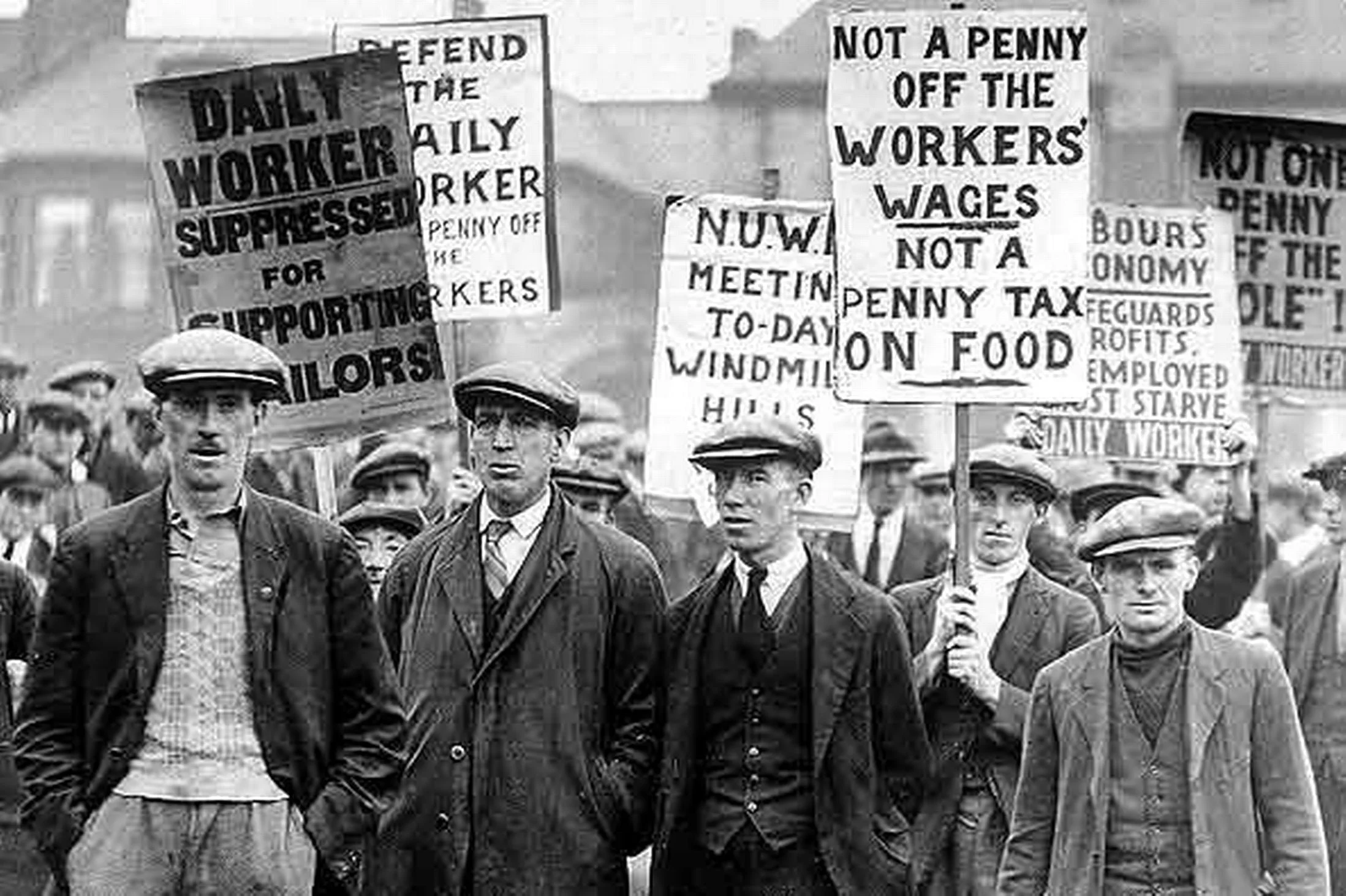
The concept of a general strike is rooted in the history of organized labor and socialist thought, emerging as a potent weapon for the working class to challenge the established power structures. It’s a manifestation of solidarity, where diverse groups of workers, often with differing immediate concerns, unite under a common banner to achieve shared goals. The effectiveness of a general strike hinges on its breadth, duration, and the level of public support or tolerance it garners.
The Mechanics and Evolution of General Strikes
Origins and Historical Precedents
The idea of a general strike gained prominence in the late 19th and early 20th centuries, particularly within the burgeoning industrial economies. Philosophers and labor leaders like Mikhail Bakunin and Georges Sorel theorized its potential as a revolutionary tool. Bakunin, a prominent anarchist, saw it as a way to dismantle the capitalist state, while Sorel, a syndicalist, viewed it as a catalyst for social regeneration.
Early examples, while not always fitting the purest definition of a “general” strike, demonstrated the power of collective action. The Great Railroad Strike of 1877 in the United States, though not fully coordinated across all trades, saw widespread industrial unrest and disruptions. The 1905 Russian Revolution was significantly influenced by a nationwide general strike, which paralyzed the Tsarist regime and led to concessions like the October Manifesto.
In the early 20th century, several European countries experienced major general strikes. Belgium saw significant general strikes in 1893, 1902, and 1913, primarily demanding universal suffrage. These events, though often met with brutal repression, highlighted the potential of coordinated industrial action to achieve political change. The Sydney General Strike of 1917 in Australia, lasting for several weeks, demonstrates the potential for sustained disruption. These historical instances, while varied in their outcomes and specific contexts, laid the groundwork for understanding the strategic implications and potential impact of a general strike.
Modern Adaptations and Challenges
While the classical model of a general strike envisioned near-total economic paralysis, modern implementations often face different realities. Globalization, fragmented labor markets, and the decline of heavily unionized industrial sectors in many developed nations have altered the landscape. Furthermore, legal restrictions and government responses, including the use of essential worker exemptions or even military intervention, can significantly curtail the scope and effectiveness of such actions.
Contemporary general strikes, therefore, may take on more targeted or strategically limited forms. They might focus on specific key industries whose disruption has a cascading effect on the broader economy. Alternatively, they can be shorter in duration but involve a very high proportion of workers within a particular region or sector. The rise of digital communication and social media has also introduced new dimensions, allowing for faster mobilization and wider dissemination of information, but also creating new vulnerabilities to counter-messaging and surveillance. The challenges are immense, but the underlying principle of collective withdrawal of labor as a lever for change remains a potent, albeit complex, tool.
Motivations and Objectives of General Strikes
Economic Demands: Wages, Conditions, and Benefits
One of the most frequent and foundational motivations behind general strikes revolves around economic grievances. Workers, individually or through their unions, often feel that their labor is undervalued, and their compensation does not reflect the wealth they help create. This can manifest as demands for:

- Wage Increases: Seeking to keep pace with inflation, achieve a living wage, or close the gap between executive compensation and frontline worker pay.
- Improved Working Conditions: This encompasses a broad range of issues, including safer workplaces, reasonable working hours, elimination of excessive overtime, and humane treatment by management.
- Enhanced Benefits: Demands for better healthcare coverage, robust retirement plans, paid sick leave, and parental leave are increasingly common.
- Job Security: In the face of automation, outsourcing, and economic downturns, workers may strike to protect their jobs and ensure fair severance packages if redundancies are unavoidable.
- Fair Labor Practices: This can include issues like the right to unionize without reprisal, collective bargaining rights, and an end to unfair labor practices such as discrimination or exploitation.
These economic demands are often not isolated. They are frequently intertwined with broader concerns about economic inequality and the distribution of wealth. A successful general strike can not only improve the immediate economic standing of workers but also contribute to a more equitable economic system. The collective bargaining power amplified by a general strike allows workers to negotiate from a position of strength, making it a significant force in shaping the economic landscape.
Social and Political Agendas
Beyond immediate economic concerns, general strikes are frequently employed as a tactic to address broader social and political issues. The disruption caused by a widespread work stoppage can draw public attention and exert pressure on governments to act on issues that affect society as a whole. These can include:
- Civil Rights and Equality: Historically, general strikes have been instrumental in fighting against racial segregation, discrimination, and for the expansion of civil liberties for marginalized groups. For example, the Memphis Sanitation Strike of 1968, while primarily an economic dispute, also had significant civil rights undertones.
- Opposition to Austerity Measures: In times of economic crisis, governments may implement austerity measures that involve cuts to public services, social welfare programs, or pensions. General strikes can be a powerful response to such policies, as seen in various European countries where public sector workers and others have mobilized against deep cuts.
- Democratization and Political Reform: General strikes have been used to demand greater political freedoms, the right to vote, or to protest against authoritarian regimes. The Velvet Revolution in Czechoslovakia in 1989, which involved a series of strikes, played a crucial role in the peaceful transition to democracy.
- Environmental Protection and Climate Action: In recent years, there have been growing calls for general strikes to demand more robust government action on climate change, urging a transition to sustainable practices and policies. These strikes aim to highlight the economic implications of inaction and the urgency of environmental reforms.
- Opposition to War and Military Action: The sheer disruption of a general strike can also serve as a protest against government policies related to war or foreign intervention, aiming to pressure policymakers to reconsider their actions.
The success of a general strike in achieving these broader objectives often depends on its ability to galvanize public opinion and create a sense of shared purpose among diverse segments of society. It transforms labor action into a broader social movement, capable of influencing policy and challenging the status quo on multiple fronts.
Strategies for Success and Potential Pitfalls
Mobilization, Organization, and Public Support
The efficacy of a general strike is intrinsically linked to its preparation and execution. Successful mobilization requires:
- Broad Coalition Building: Bringing together diverse unions, worker associations, and potentially community groups is crucial. This requires overcoming internal rivalries and finding common ground on shared objectives.
- Clear Communication and Messaging: Articulating the demands of the strike in a clear, concise, and compelling manner is vital for gaining internal buy-in and external support. The narrative needs to resonate with a wide audience.
- Strategic Targeting: Identifying key industries or sectors whose disruption will have the most significant impact on the economy and public life is a critical strategic decision.
- Sustained Organization: Planning for the duration of the strike, including how to support striking workers (financially and logistically), maintain morale, and engage in negotiations is paramount.
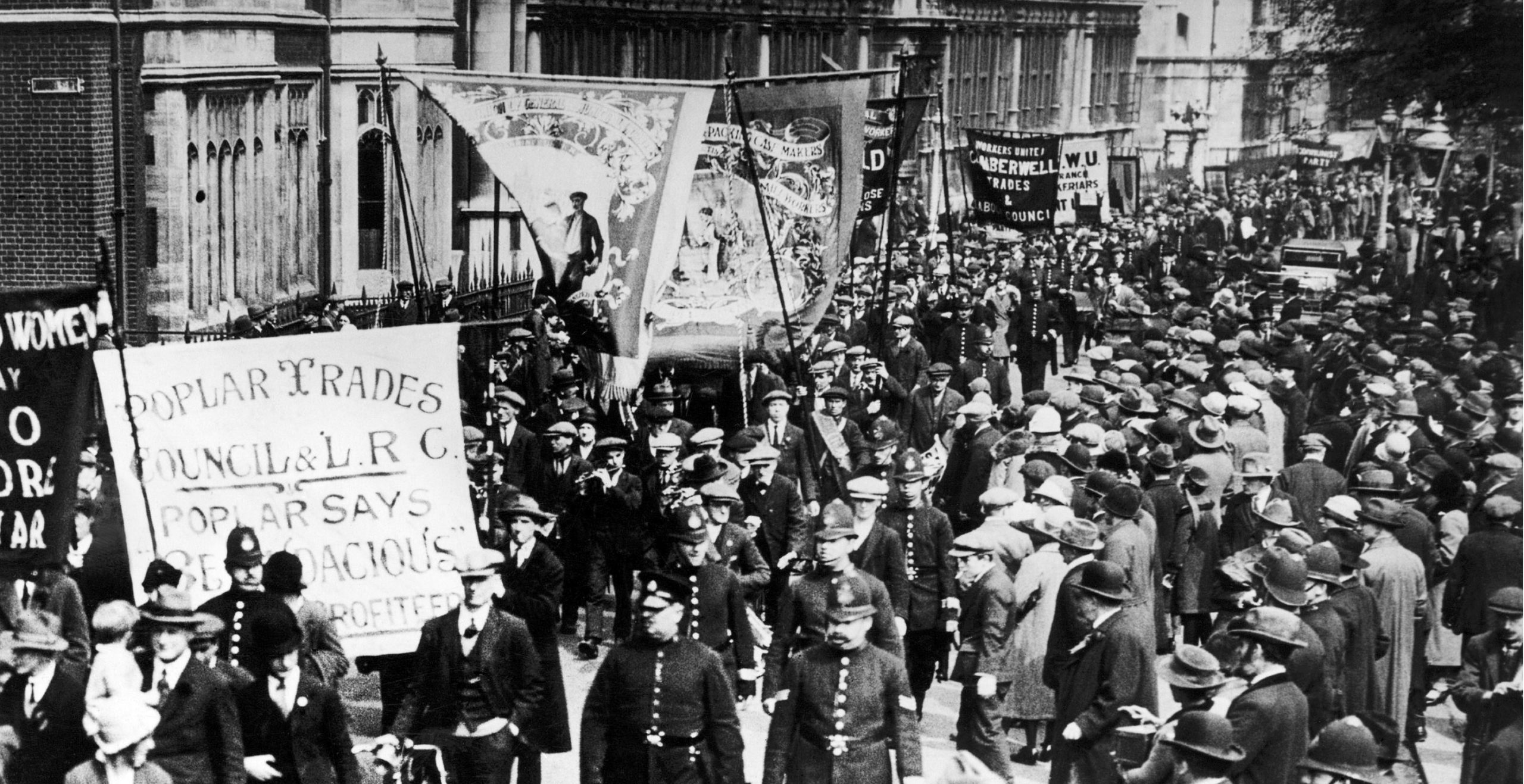
- Gaining Public Sympathy: A general strike’s success is amplified if it garners public understanding and support. This involves framing the strike’s demands as just and beneficial not only to workers but to society at large. Public awareness campaigns, media engagement, and demonstrations of peaceful intent are key to winning over the general population.
Government Response and Societal Disruption
The power of a general strike lies in its disruptive capacity, but this also presents its greatest challenges. Potential pitfalls include:
- Government Repression: Governments may respond with force, legal injunctions, or by declaring states of emergency to break the strike. This can lead to violence, arrests, and a significant crackdown on labor rights.
- Economic Hardship for Workers: Prolonged strikes can place immense financial strain on striking workers and their families, potentially leading to divisions within the movement.
- Public Inconvenience and Backlash: While aiming for public support, a general strike can cause significant disruption to daily life (e.g., transportation, essential services), potentially leading to public frustration and a decline in sympathy.
- Loss of Public Support: If the strike is perceived as overly aggressive, prolonged, or if its demands are seen as unreasonable, public support can wane, weakening the strikers’ leverage.
- Internal Divisions: Disagreements on strategy, duration, or specific demands can emerge within the coalition of striking groups, potentially undermining the unity of the movement.
- Employer Resistance and Scab Labor: Employers may attempt to break the strike by hiring replacement workers (“scabs”) or by using legal means to undermine the union’s bargaining power.
Navigating these challenges requires meticulous planning, strong leadership, unwavering solidarity, and the ability to adapt to evolving circumstances. The history of general strikes is a testament to both their potential power and the formidable obstacles they face.
aViewFromTheCave is a participant in the Amazon Services LLC Associates Program, an affiliate advertising program designed to provide a means for sites to earn advertising fees by advertising and linking to Amazon.com. Amazon, the Amazon logo, AmazonSupply, and the AmazonSupply logo are trademarks of Amazon.com, Inc. or its affiliates. As an Amazon Associate we earn affiliate commissions from qualifying purchases.