
The term “GDP ratio” is a fundamental concept in macroeconomics and business finance, serving as a vital diagnostic tool for assessing the health, stability, and leverage of an economy or a specific corporate entity. While most individuals encounter the term in the context of national debt-to-GDP, the principle applies across various sectors to compare the size of a specific variable against the total economic output of a nation or the total revenue of a business. Understanding these ratios is essential for investors, policymakers, and financial analysts who rely on these metrics to gauge sustainability and risk.

Defining the Debt-to-GDP Ratio
At its most common level, the debt-to-GDP ratio measures a country’s public debt relative to its gross domestic product (GDP). GDP represents the total monetary value of all finished goods and services produced within a country’s borders in a specific time period. By comparing debt to GDP, analysts are not looking at a dollar amount in isolation, but rather the country’s ability to pay back its debts based on its overall economic output.
The Mechanics of the Calculation
The formula is straightforward: Total Public Debt divided by Total GDP. When expressed as a percentage, a result of 100% means the country produces a volume of goods and services equivalent to its total debt. A lower ratio generally indicates that a nation is producing and selling enough to pay back its debts without incurring further liability. Conversely, a high ratio suggests that a country may struggle to pay off its obligations, which can spook investors and lead to higher interest rates on government bonds.
Why Context Matters
A debt-to-GDP ratio is a snapshot, not a complete narrative. For instance, Japan has maintained one of the highest debt-to-GDP ratios in the world for decades, yet it remains a stable economy. This is because the majority of its debt is held domestically, and its interest rates have remained exceptionally low. Therefore, when evaluating the GDP ratio, one must also look at the interest rate environment, the growth rate of the GDP itself, and the maturity profile of the debt instruments.
Business Applications: GDP and Revenue Ratios
In the realm of corporate finance, the concept of a GDP ratio—or more specifically, a company’s revenue-to-GDP contribution—is used to measure the systemic importance of a firm. Large-cap corporations, particularly those in the banking, energy, and technology sectors, often monitor their performance relative to the GDP of the regions in which they operate.
Measuring Market Share and Economic Influence
For a multi-national conglomerate, comparing annual revenue to the GDP of its primary markets provides a clear picture of market penetration. If a company’s revenue grows faster than the GDP of the region, it is effectively increasing its “weight” in that economy. This is a crucial indicator for institutional investors who want to know if a firm has reached a saturation point or if it still has room for aggressive expansion.
Risk Assessment and Economic Sensitivity
Companies that derive a significant portion of their revenue from global markets often track the GDP ratios of those specific territories to assess macro-risk. If a corporation’s revenue is highly sensitive to the fluctuations of a specific nation’s GDP, it suggests that the company is effectively a proxy for that economy. For investors, this means the stock may be susceptible to regional volatility, currency devaluations, and legislative shifts that affect general economic growth.
Debt Sustainability and Long-Term Trends
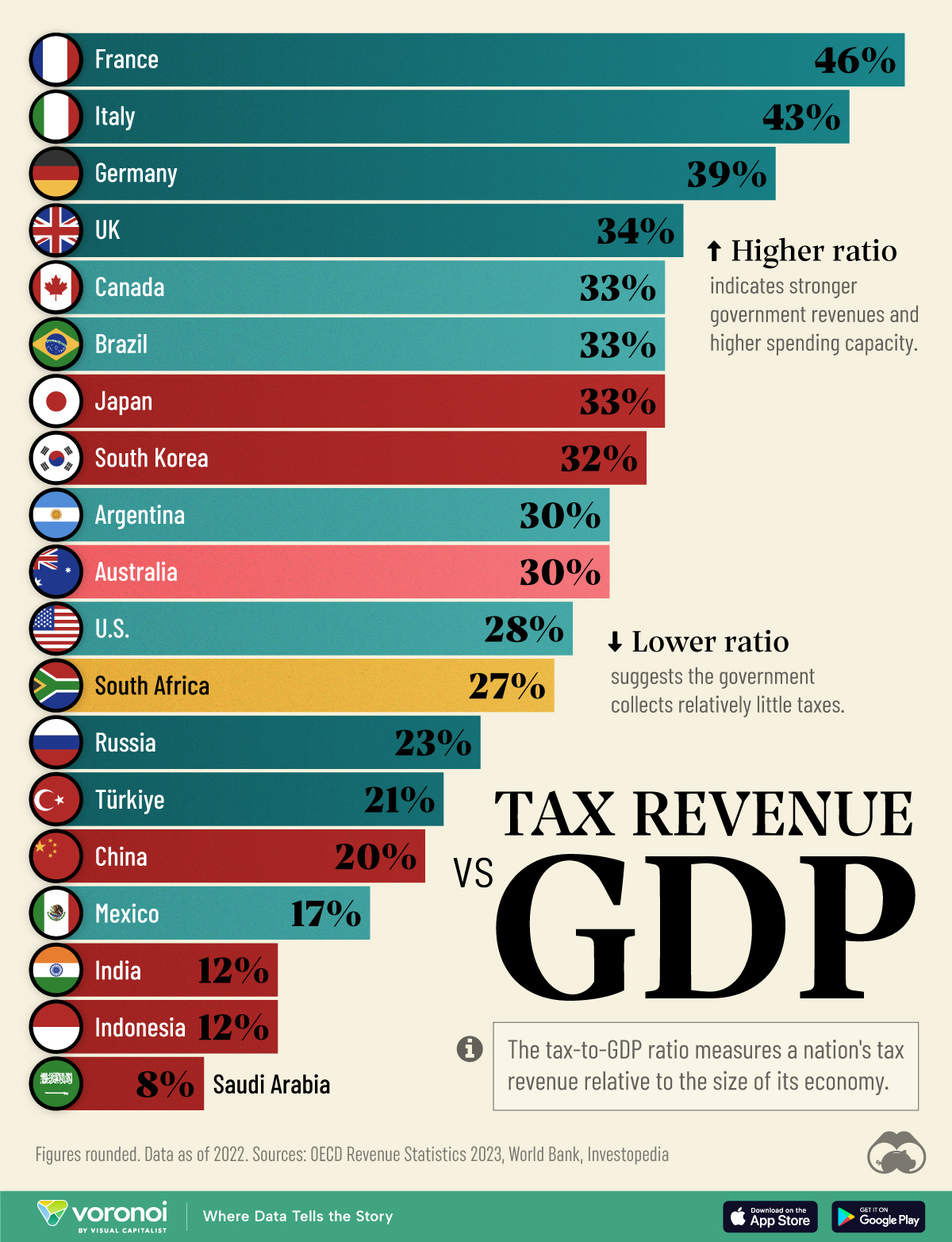
The primary utility of the GDP ratio lies in its ability to serve as a leading indicator of long-term sustainability. Whether applied to a national government or a highly leveraged corporate entity, the ratio provides a “sustainability threshold.”
The “Danger Zone”
Historically, many economists have cited a 90% debt-to-GDP ratio as a warning sign for developed nations. When debt levels exceed the total economic output, the government must allocate an increasing percentage of its tax revenue to interest payments rather than to infrastructure, education, or healthcare. This “crowding out” effect can stifle future growth, creating a cycle where lower growth makes the debt burden even harder to manage.
The Role of Growth in Ratio Management
A crucial insight often missed by casual observers is that the ratio can be improved without necessarily paying down debt. If a nation or a company maintains its current debt level but significantly increases its GDP or revenue, the ratio will naturally decrease. This is why economic growth (GDP expansion) is often viewed as the most effective “cure” for high debt levels. Governments and businesses alike prioritize initiatives that boost productivity and innovation, as these are the primary drivers of the GDP denominator in the ratio.
Interpreting GDP Ratios for Personal Investment
For the individual investor, understanding GDP ratios is not just about academic economics; it is about asset allocation and portfolio risk management. When you invest in a country’s bond market or an index fund concentrated in a specific region, you are essentially betting on the trajectory of that region’s GDP ratio.
Geographic Diversification
If a portfolio is heavily weighted toward countries with rapidly rising debt-to-GDP ratios, it faces significant tail risk. A sudden sovereign debt crisis or a shift in fiscal policy—such as austerity measures—could lead to stagnant market returns or currency depreciation. Sophisticated investors monitor the global GDP ratio landscape to ensure that they are not over-exposed to regions where the debt load is outpacing the economy’s capacity to generate wealth.
The Correlation Between Productivity and Yield
High debt-to-GDP ratios often lead to lower bond yields in the long term, as central banks may suppress rates to make the cost of borrowing manageable for the state. Conversely, in a booming economy where GDP growth outstrips debt issuance, yields may rise as the demand for capital for productive investment increases. By observing these ratios, an investor can determine whether they are being adequately compensated for the risk inherent in a particular economic environment.
The Future of GDP Ratios in a Digital Economy
As we look toward the future, the traditional definition of GDP—and therefore the accuracy of the GDP ratio—is being debated. The rise of the digital economy, intangible assets, and decentralized finance is challenging how we calculate the “output” of a nation or a business.
Intangibles and the GDP Denominator
Traditional GDP calculations often struggle to capture the value created by digital services, user data, and software. If the denominator (GDP) is being under-reported due to outdated measurement methods, then current debt-to-GDP ratios may look worse than they actually are. Investors and policymakers are now looking at supplementary metrics to gauge “true” economic capacity, including digital adoption rates and technological export value.

Corporate Leverage in the Tech Era
In the corporate world, the “GDP” equivalent for tech firms is often seen as their Total Addressable Market (TAM) or their cumulative revenue. Companies that manage their debt relative to their market share are demonstrating a more sustainable fiscal profile than those that rely on continuous debt issuance to fund growth. As we move into an era of higher interest rates, the companies that show disciplined ratios—meaning they are not overly reliant on debt to generate their share of global output—are likely to remain the most resilient.
Ultimately, the GDP ratio is a mirror of economic health. It reflects the delicate balance between what we owe and what we produce. Whether it is used to judge the solvency of a nation or the competitive dominance of a company, the ratio remains one of the most powerful diagnostic tools in the financial professional’s toolkit. By focusing on the interplay between debt and output, one gains a clearer perspective on where the economy—and one’s investments—are heading.
aViewFromTheCave is a participant in the Amazon Services LLC Associates Program, an affiliate advertising program designed to provide a means for sites to earn advertising fees by advertising and linking to Amazon.com. Amazon, the Amazon logo, AmazonSupply, and the AmazonSupply logo are trademarks of Amazon.com, Inc. or its affiliates. As an Amazon Associate we earn affiliate commissions from qualifying purchases.