
In the rapidly evolving landscape of digital communication, the ability to stay connected has largely been dictated by the reach of cellular towers and Wi-Fi hotspots. However, for those who venture beyond the “grid”—hikers, maritime professionals, overlanders, and remote field workers—standard connectivity is non-existent. Garmin Messenger is the technology giant’s sophisticated answer to this problem. It is a dual-purpose ecosystem consisting of a dedicated mobile application and specialized satellite hardware designed to ensure that communication remains seamless, regardless of geographical location.
Unlike traditional messaging apps that rely solely on terrestrial networks, Garmin Messenger integrates satellite technology with standard cellular and Wi-Fi protocols. This creates a fail-safe communication bridge, allowing users to send and receive messages even in the most isolated corners of the planet. By leveraging the Iridium satellite constellation, Garmin has moved beyond simple emergency signaling into the realm of robust, everyday functional communication for the modern adventurer and professional.
The Technical Architecture of Garmin Messenger
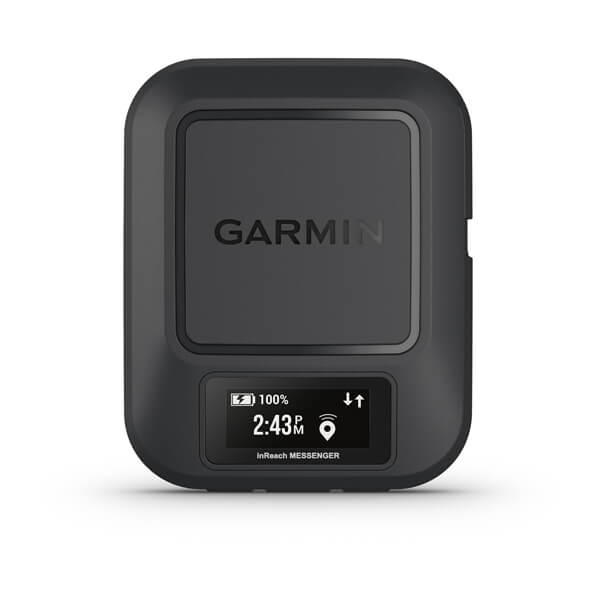
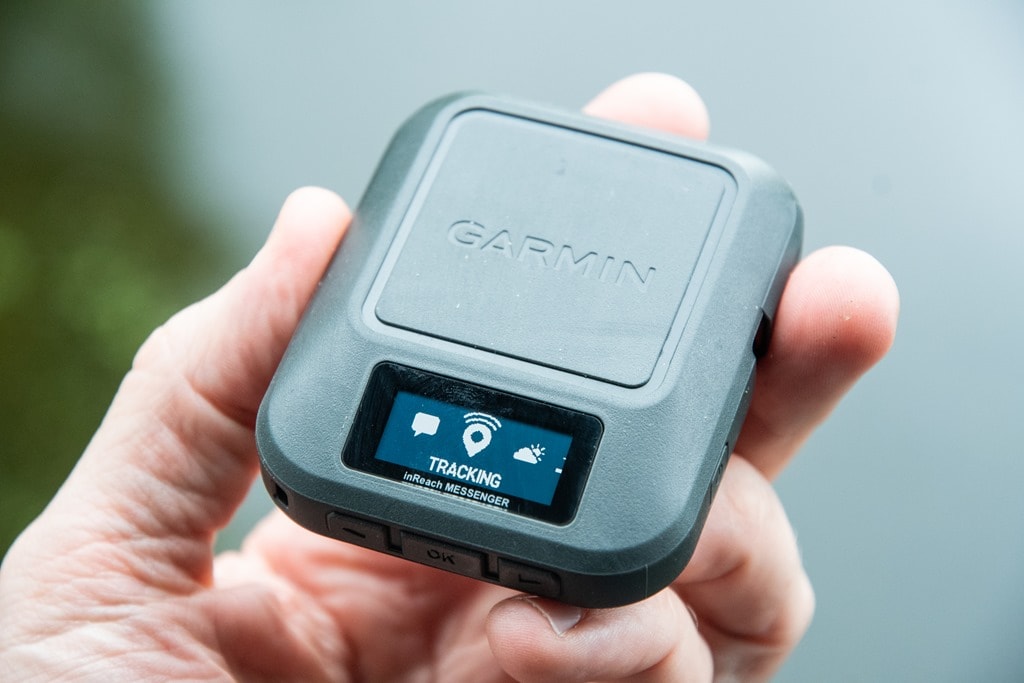
To understand what Garmin Messenger is, one must first understand the synergy between its software and hardware components. While the Garmin Messenger app can be downloaded on any modern smartphone, its true power is unlocked when paired with a compatible Garmin inReach device, most notably the inReach Messenger hardware.
Seamless Connection Switching
The standout technical feature of Garmin Messenger is its “Least Cost Routing” logic. The application is designed to be intelligent; it constantly monitors available connectivity. When a user sends a message, the app first attempts to use a Wi-Fi connection. If Wi-Fi is unavailable, it switches to cellular data. If the user moves into a “dead zone” where no terrestrial signals exist, the app automatically routes the message through the paired inReach device using the Iridium satellite network.
This transition is designed to be invisible to the user. From a technical standpoint, this solves the high-latency and high-cost issues associated with satellite data. By prioritizing free or low-cost data streams first, Garmin Messenger ensures that satellite airtime—which is metered and paid for via subscription—is only utilized when absolutely necessary.
The Iridium Satellite Network
The backbone of Garmin’s off-grid capability is the Iridium satellite constellation. Unlike some satellite providers that use geostationary satellites (which require a clear, unobstructed view of a specific point in the sky), Iridium utilizes a Low Earth Orbit (LEO) network of 66 cross-linked satellites. This provides 100% global coverage. Whether a user is at the North Pole, in the middle of the Sahara, or navigating the Pacific Ocean, the Garmin Messenger ecosystem can maintain a link to the network. This technical reliability is what separates Garmin’s tech from consumer-grade smartphone satellite features that are often limited by region or orientation requirements.
Key Features and User Capabilities
Garmin Messenger is not merely a “lite” version of a messaging app; it is a feature-rich platform tailored for high-stakes environments. It bridges the gap between the rudimentary SMS capabilities of early satellite phones and the rich media experiences of modern smartphones.
Enhanced Group Messaging
Historically, satellite communication was a one-to-one affair. Group chats were technically difficult due to the narrow bandwidth of satellite bursts. Garmin Messenger has revolutionized this by supporting group messaging over satellite. The app manages the distribution of data packets so that users can stay in touch with multiple contacts simultaneously. When a message is sent to a group, the Garmin servers handle the heavy lifting, ensuring that even participants on standard cellular networks receive the message as a cohesive thread.
Safety and SOS Integration
At its core, Garmin Messenger is a safety tool. Both the app and its hardware counterparts feature a dedicated SOS button. When triggered, this initiates a high-priority signal to the Garmin Response Center, a 24/7 professional emergency response coordination hub.
What makes the Messenger platform superior to traditional “PLBs” (Personal Locator Beacons) is the two-way nature of the tech. Once an SOS is sent, the emergency team can text the user back to ask for specific details: Is there a medical emergency? Is it a mechanical failure? How many people are in the party? This exchange of information allows rescue teams to deploy the correct resources, significantly increasing the chances of a successful outcome.
Power Management and Reverse Charging
The hardware designed for this ecosystem, the inReach Messenger device, is a marvel of industrial tech design. Recognizing that a smartphone is the primary interface for the app, Garmin built the inReach Messenger with an internal lithium-ion battery capable of lasting up to 28 days in 10-minute tracking mode. Furthermore, it features “safety charging,” allowing the device to act as a power bank to provide a jump-start charge to a dead smartphone, ensuring that the user can still access the Messenger app’s interface in a crisis.
Setting Up and Optimizing the Garmin Ecosystem
For tech enthusiasts and professionals, the setup of Garmin Messenger involves more than just a simple app download. It requires a strategic approach to hardware pairing and subscription management.
Hardware Compatibility
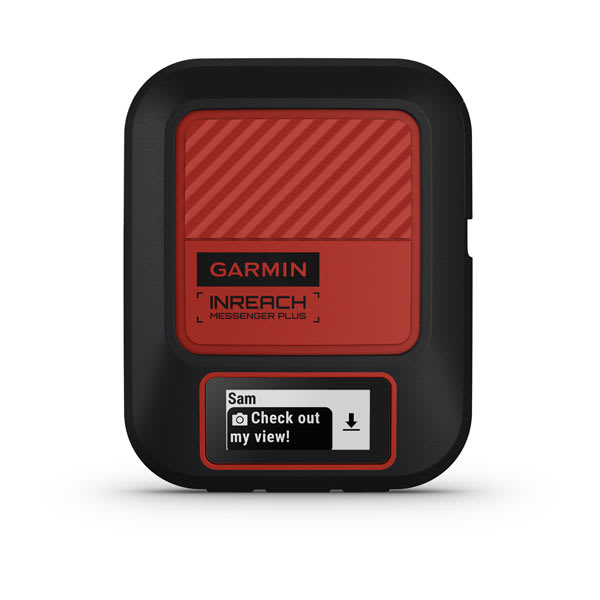
While the app can function as an internet-based messenger on its own, its “Tech” value is realized through hardware pairing. The system is compatible with several devices in the Garmin lineup, including:
- inReach Messenger: The flagship compact communicator.
- inReach Mini 2: The ultra-lightweight choice for backpackers.
- GPSMAP 67i: A full-scale handheld GPS with integrated Messenger capabilities.
- Montana 700 series: Ruggedized units for vehicular or maritime use.
Pairing is handled via Bluetooth Low Energy (BLE), ensuring that the battery drain on the smartphone is kept to a minimum while maintaining a constant data link to the satellite transceiver.
Subscription Models and Data Management
Because satellite bandwidth is an expensive global commodity, using Garmin Messenger requires an active subscription. Garmin offers tiered plans—Safety, Recreation, and Expedition—which vary based on the number of included messages and the frequency of location tracking points.
From a digital management perspective, the Garmin Messenger app provides a transparent dashboard for tracking data usage. Users can see exactly how many satellite “bytes” remain in their monthly cycle, allowing for precise management of communication costs during long-duration expeditions.
Practical Applications: Who is Garmin Messenger For?
While the technology is impressive, its value is defined by its real-world utility across various professional and recreational sectors.
The Professional Field Researcher
For scientists and researchers working in remote biomes, Garmin Messenger serves as a vital data link. It allows for the transmission of weather updates, coordinate sharing, and status reports without the need for bulky, expensive satellite terminals. The ability to receive “Check-in” messages (preset messages that don’t count against a plan’s limit) allows for cost-effective daily check-ins with a home base.
The Overlander and Remote Traveler
Overlanding—long-distance travel to remote destinations where the journey is the primary goal—often takes travelers far beyond the reach of the nearest cell tower. Garmin Messenger allows these travelers to maintain a “safety net.” The app’s ability to share a live tracking map (MapShare) via the satellite link means that friends and family can monitor the vehicle’s progress in real-time on a web-based interface.
The Maritime Sector
Small-scale mariners who may not have the budget or space for a full VSAT (Very Small Aperture Terminal) system use Garmin Messenger as their primary communication tool. It provides essential weather forecasts (delivered via satellite) and a reliable way to contact shore-side services or other vessels without the limitations of VHF radio range.
The Future of Satellite Communication in Consumer Tech
Garmin Messenger represents a pivotal moment in the “democratization” of satellite technology. We are currently seeing a shift where satellite connectivity is moving from a niche military and industrial tool to a standard consumer expectation.
Recent developments, such as Apple’s Emergency SOS via Satellite on the iPhone, have brought public attention to this space. However, Garmin Messenger maintains a technological lead by offering a dedicated, two-way, always-on ecosystem. While smartphones are beginning to incorporate basic satellite features, they are often restricted to emergency-only use and have significant antenna limitations. Garmin’s dedicated hardware ensures a much stronger signal gain and a more resilient link to the Iridium network.
As the tech continues to mature, we can expect Garmin Messenger to integrate even more “rich” data types, perhaps moving toward low-resolution image transmission or voice-to-text integration over satellite. For now, it stands as the most reliable, user-friendly, and technically advanced solution for anyone who needs to bridge the gap between the connected world and the wild.
In summary, Garmin Messenger is more than an app; it is a sophisticated communication gateway. It leverages the best of terrestrial networking and the reliability of orbital assets to ensure that “off-grid” no longer means “out of touch.” For those who rely on technology to keep them safe and connected in the world’s most challenging environments, Garmin Messenger is an indispensable tool in the modern digital toolkit.
aViewFromTheCave is a participant in the Amazon Services LLC Associates Program, an affiliate advertising program designed to provide a means for sites to earn advertising fees by advertising and linking to Amazon.com. Amazon, the Amazon logo, AmazonSupply, and the AmazonSupply logo are trademarks of Amazon.com, Inc. or its affiliates. As an Amazon Associate we earn affiliate commissions from qualifying purchases.