
In today’s digitally-driven world, we are constantly exposed to new information, from groundbreaking tech trends to savvy financial strategies. However, amidst this deluge of data, it’s crucial to address topics that impact our well-being. One such topic that often sparks curiosity, and sometimes confusion, is the role of medications like Gabapentin. While the original question might be “what is Gabapentin good for?”, its true value lies in understanding its specific applications, the science behind its effectiveness, and its place within a holistic approach to health, which can even be influenced by the technological tools and brand narratives we encounter daily.
This exploration delves into the primary medical uses of Gabapentin, its mechanism of action, and the nuanced considerations surrounding its prescription. We’ll also touch upon how broader themes like technology, branding, and even personal finance can indirectly intersect with the conversation around medication and health management.
Understanding Gabapentin’s Primary Applications
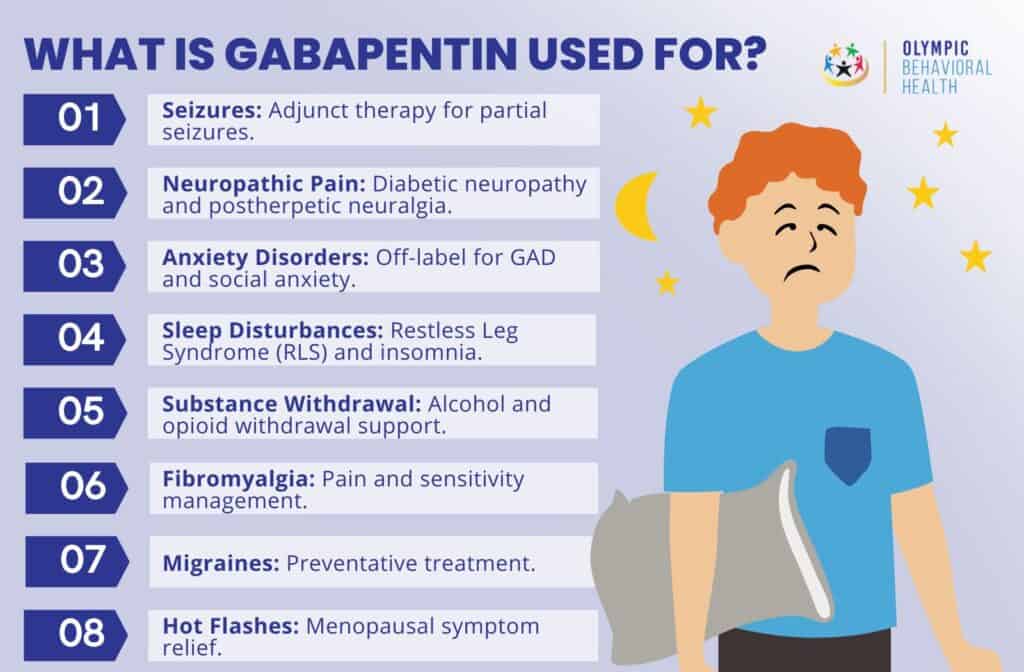
Gabapentin, initially developed as an anticonvulsant to treat epilepsy, has since found a significant place in managing a variety of other conditions, primarily those involving nerve pain. Its versatility has made it a widely prescribed medication, but it’s important to understand that it is not a cure-all, and its effectiveness is highly dependent on the specific condition being treated.
Seizure Management: The Original Indication
The most well-established use of Gabapentin is in the management of partial seizures in adults and children. Partial seizures, also known as focal seizures, begin in one area of the brain. Gabapentin works by affecting the brain’s electrical activity, essentially calming down the overactive nerve cells that can trigger seizures. It’s often used as an add-on therapy, meaning it’s prescribed in conjunction with other anti-epileptic drugs, especially when monotherapy (using a single medication) hasn’t been fully effective. The goal here is to reduce the frequency and severity of seizures, improving the patient’s quality of life and minimizing the risks associated with uncontrolled epilepsy.
Neuropathic Pain: A Major Role
Perhaps the most common reason Gabapentin is prescribed today is for the management of neuropathic pain. This type of pain arises from damage or dysfunction of the nervous system itself, rather than from injury to tissues or organs. Conditions that fall under this umbrella include:
- Postherpetic Neuralgia (PHN): This is a chronic pain condition that can develop after a shingles (herpes zoster) infection. The virus damages nerve fibers, leading to persistent burning, throbbing, or stabbing pain in the affected area, even after the rash has cleared. Gabapentin has proven to be quite effective in alleviating this type of pain by modulating nerve signals.
- Diabetic Peripheral Neuropathy: A common complication of diabetes, this condition affects the nerves in the extremities, particularly the feet and hands. Symptoms can include numbness, tingling, burning, and sharp pains. Gabapentin can help to reduce these uncomfortable sensations, improving the daily lives of individuals managing diabetes.
- Trigeminal Neuralgia: This is a chronic pain condition characterized by sudden, severe, electric shock-like or stabbing pains on one side of the face, typically affecting the trigeminal nerve. While not a first-line treatment for everyone, Gabapentin can offer relief for some individuals suffering from this debilitating condition.
- Fibromyalgia: While the exact cause of fibromyalgia is not fully understood, it is believed to involve the central nervous system’s processing of pain signals. Gabapentin has been used to manage the widespread muscle pain, fatigue, and sleep disturbances associated with fibromyalgia, although its efficacy can vary greatly among individuals.
The mechanism by which Gabapentin alleviates neuropathic pain is believed to involve its interaction with voltage-gated calcium channels in the nervous system. By binding to these channels, it reduces the release of excitatory neurotransmitters, thereby dampening pain signals that are being sent to the brain.
Restless Legs Syndrome (RLS)
Restless Legs Syndrome is a neurological disorder characterized by an irresistible urge to move the legs, often accompanied by unpleasant sensations. These sensations typically occur when the person is at rest, such as when sitting or lying down, and are temporarily relieved by movement. Gabapentin has shown efficacy in reducing the severity of RLS symptoms and improving sleep quality for many patients.
Other Off-Label Uses (with Caution)
Beyond these established indications, Gabapentin is sometimes prescribed “off-label” for conditions where its use is not officially approved by regulatory bodies but has shown some promise in clinical practice or smaller studies. These can include:
- Anxiety Disorders: Some clinicians have explored Gabapentin’s use in managing certain anxiety-related conditions, though it’s not a primary treatment.
- Alcohol Withdrawal Symptoms: Gabapentin has been used to help manage some of the physical and psychological symptoms associated with alcohol withdrawal.
- Hot Flashes: In certain populations, such as postmenopausal women, Gabapentin has been found to reduce the frequency and intensity of hot flashes.
It is crucial to emphasize that off-label prescribing should always be done with careful consideration by a qualified healthcare professional, taking into account the potential benefits and risks for the individual patient.
The Science Behind Gabapentin: How it Works
Understanding how a medication functions is key to appreciating its therapeutic value and limitations. Gabapentin belongs to a class of drugs known as gabapentinoids, and its mechanism of action is distinct from traditional anticonvulsants.
Targeting the Nervous System
The primary target of Gabapentin in the brain appears to be the alpha-2-delta (α2δ) subunit of voltage-gated calcium channels. These channels play a critical role in the release of neurotransmitters, which are chemical messengers that transmit signals between nerve cells.
When nerve cells are overexcited, as in epilepsy or neuropathic pain, there’s an excessive release of certain neurotransmitters, such as glutamate. Gabapentin, by binding to the α2δ subunit of calcium channels, reduces the influx of calcium into nerve terminals. This, in turn, diminishes the release of these excitatory neurotransmitters. The net effect is a calming of neuronal activity, leading to reduced seizure activity and a dampening of pain signals.
It’s important to note that Gabapentin does not directly bind to GABA receptors (gamma-aminobutyric acid), despite its name. GABA is an inhibitory neurotransmitter that generally slows down nerve activity. While Gabapentin’s structure is related to GABA, its pharmacological action is primarily through the calcium channel modulation, not by directly mimicking GABA’s effects.
Pharmacokinetics: How the Body Handles Gabapentin
When Gabapentin is taken orally, it is absorbed into the bloodstream. Its absorption is not significantly affected by food, meaning it can generally be taken with or without meals. The drug then distributes throughout the body. Gabapentin is primarily eliminated from the body unchanged by the kidneys. This means that individuals with impaired kidney function may require dose adjustments to prevent accumulation of the drug, which could lead to increased side effects.
The onset of Gabapentin’s therapeutic effect can vary depending on the condition being treated. For seizure control, it might take a few weeks to reach optimal levels and see significant reduction in seizure frequency. For neuropathic pain, the pain relief may also be gradual, and finding the right dosage can involve a titration period where the dose is slowly increased over time.

Considerations and Cautions When Using Gabapentin
Like all medications, Gabapentin comes with potential side effects and requires careful consideration by both patients and healthcare providers. Its effectiveness is not universal, and potential risks must be weighed against the expected benefits.
Potential Side Effects
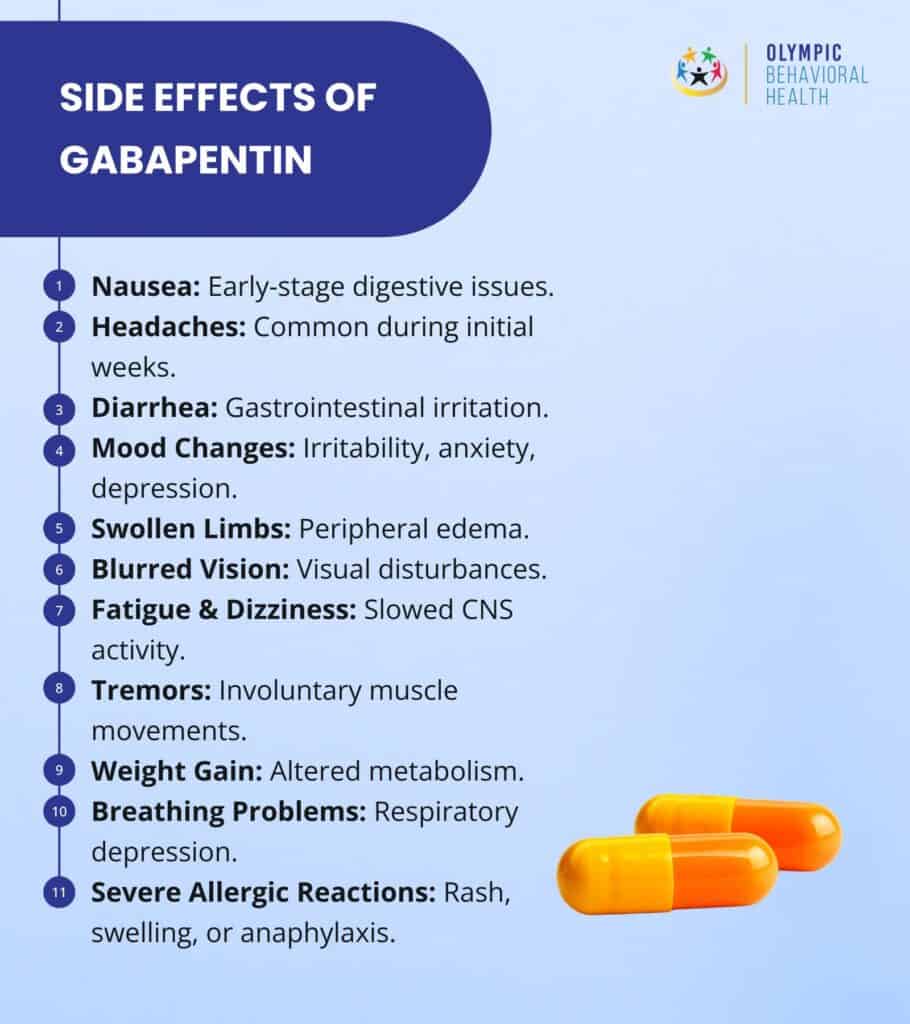
The most commonly reported side effects of Gabapentin are generally mild and often transient, decreasing as the body adjusts to the medication. These can include:
- Drowsiness and Sedation: This is one of the most frequent side effects, which can impact daily activities like driving or operating machinery.
- Dizziness: Feeling unsteady or lightheaded is also common.
- Fatigue: A general feeling of tiredness.
- Ataxia: Difficulty with coordination and balance.
- Weight Gain: Some individuals may experience an increase in appetite and subsequent weight gain.
- Peripheral Edema: Swelling in the hands or feet.
More serious, though less common, side effects can include:
- Suicidal Thoughts or Behavior: As with many anticonvulsant medications, there is a small risk of increased suicidal thoughts or behaviors. Patients should be closely monitored for any changes in mood or behavior, and any concerns should be reported to a doctor immediately.
- Severe Allergic Reactions: Though rare, severe allergic reactions can occur, characterized by rash, itching, difficulty breathing, or swelling of the face, lips, tongue, or throat.
- Severe Skin Reactions: In very rare cases, serious skin reactions like Stevens-Johnson syndrome can occur.
Drug Interactions
Gabapentin can interact with other medications. It’s crucial for patients to inform their doctor about all other prescription medications, over-the-counter drugs, and herbal supplements they are taking. For example, taking Gabapentin with other central nervous system depressants, such as opioids or alcohol, can increase the risk of severe drowsiness and respiratory depression.
Withdrawal Symptoms
Abruptly stopping Gabapentin, especially after long-term use, can lead to withdrawal symptoms. These can include anxiety, insomnia, nausea, pain, and sweating. Therefore, if a patient needs to discontinue Gabapentin, it should be done gradually under the guidance of a healthcare professional, with the dosage being slowly reduced over time.
Prescribing Practices and Trends
The widespread use of Gabapentin, particularly for off-label purposes like chronic pain, has also led to increased scrutiny regarding its prescription patterns. While it offers relief for many, concerns have been raised about its potential for misuse and dependence, particularly when combined with opioids. This has led some healthcare systems to implement guidelines for its use to ensure it’s prescribed appropriately and safely.
Gabapentin in the Broader Context: Technology, Brand, and Finance
While Gabapentin is a medical treatment, its presence and perception can be indirectly influenced by broader societal trends, including technological advancements, branding efforts in healthcare, and personal financial considerations.
The Role of Technology in Diagnosis and Treatment
Technological advancements play a crucial role in how medications like Gabapentin are understood and utilized.
- AI in Drug Discovery and Development: Artificial intelligence (AI) is increasingly being used to accelerate drug discovery and development. While Gabapentin is an established drug, AI can help researchers better understand its mechanisms, identify new potential applications, or even design more targeted and effective gabapentinoids in the future.
- Telemedicine and Remote Monitoring: The rise of telemedicine has made accessing healthcare professionals easier, including consultations for conditions where Gabapentin might be considered. Furthermore, wearable technology and remote monitoring devices can help track patient symptoms, adherence to medication, and potential side effects, providing valuable data for physicians managing chronic conditions.
- Digital Health Platforms and Information Access: Websites and apps dedicated to health information, often with a tech or productivity focus, can provide patients with initial awareness about medications. However, it’s vital to rely on reputable sources and always consult a healthcare professional for personalized medical advice. The sheer volume of information available online, some of it accurate, some not, highlights the importance of digital literacy and critical evaluation of health content.
The Influence of Brand and Marketing in Healthcare
The pharmaceutical industry is a powerful force, and branding plays a significant role in how medications are perceived and marketed.
- Brand Reputation and Trust: Pharmaceutical companies invest heavily in building brand trust and ensuring their products are perceived as safe and effective. The narrative around a drug’s benefits and its clinical trial data contributes to its brand identity. For Gabapentin, its established history and proven efficacy in certain conditions contribute to its recognized brand.
- Patient Advocacy and Information Dissemination: Patient advocacy groups, often supported by pharmaceutical companies, can play a role in raising awareness about specific conditions and treatment options. While beneficial for informing patients, it’s important to recognize that these efforts can sometimes be influenced by the brands they represent.
- The “Digital Brand” of Health Information: Even websites that focus on technology or finance can develop a brand as a reliable source of information. When these platforms discuss health topics, their credibility is paramount. A well-researched article on the uses of Gabapentin, even if presented within a broader context of well-being, builds upon that digital brand.
Financial Considerations and Access to Treatment
The cost and accessibility of medications are significant financial considerations for individuals and healthcare systems.
- Personal Finance and Healthcare Costs: For individuals managing chronic conditions, the cost of medications like Gabapentin can be a significant part of their personal finance. Understanding insurance coverage, co-pays, and potential generic alternatives is crucial for managing these expenses. Financial planning for healthcare needs is an often-overlooked aspect of overall financial well-being.
- Investment in Pharmaceutical Research: The financial success of pharmaceutical companies, driven by the sales of effective drugs, fuels further investment in research and development for new treatments. This creates a cycle where financial viability supports ongoing innovation, potentially leading to better medications in the future.
- Side Hustles and Time Management for Health: For individuals juggling multiple responsibilities, managing their health and medication schedule can be challenging. Strategies for time management and even exploring side hustles to better afford healthcare can become relevant when dealing with chronic conditions that require ongoing treatment.
Conclusion: Informed Decisions for Better Health
So, “what is Gabapentin good for?” It is a valuable medication primarily used for seizure control and the management of various types of neuropathic pain, including postherpetic neuralgia, diabetic neuropathy, and fibromyalgia. Its mechanism of action, involving the modulation of calcium channels in the nervous system, makes it effective in calming overactive nerve signals.
However, its use requires careful consideration of potential side effects, drug interactions, and the importance of gradual discontinuation. The conversation around Gabapentin, like many aspects of modern life, is increasingly intertwined with technology, branding, and financial realities. By staying informed, critically evaluating information, and engaging in open communication with healthcare professionals, individuals can make the most informed decisions about their health and well-being, navigating the complexities of medical treatments within a broader, interconnected world.
aViewFromTheCave is a participant in the Amazon Services LLC Associates Program, an affiliate advertising program designed to provide a means for sites to earn advertising fees by advertising and linking to Amazon.com. Amazon, the Amazon logo, AmazonSupply, and the AmazonSupply logo are trademarks of Amazon.com, Inc. or its affiliates. As an Amazon Associate we earn affiliate commissions from qualifying purchases.