
For millions of drivers across the Golden State, the phrase “full coverage auto insurance” is a common goal, often spoken with an assumed understanding of its protective scope. Yet, despite its widespread usage, “full coverage” is not a specific, single policy that an insurance company offers. Instead, it’s a popular term referring to a comprehensive suite of insurance coverages designed to provide robust financial protection against a wide array of risks on California’s busy roads. Understanding what this entails, particularly within the unique regulatory and economic landscape of California, is crucial for safeguarding your financial future and ensuring peace of mind behind the wheel.
This article delves into the intricacies of what “full coverage” truly means in California, breaking down its essential components, explaining why it’s a vital consideration for most drivers, exploring the factors that influence its cost, and offering strategies to secure the most optimal protection. Whether you’re a new driver, financing a vehicle, or simply reviewing your current policy, gaining clarity on this critical aspect of personal finance is an investment in your security.
Deconstructing “Full Coverage”: More Than a Single Policy
The journey to understanding “full coverage” begins by dissecting its constituent parts. Unlike a simple liability policy, “full coverage” is typically an amalgamation of several distinct insurance products, each addressing different types of risks. In California, these components are particularly important due to the state’s specific insurance laws and high cost of living.
Understanding California’s Minimum Requirements
Before delving into what constitutes “full coverage,” it’s essential to understand the bare minimum mandated by California law. These are non-negotiable and form the foundation upon which “full coverage” is built:
-
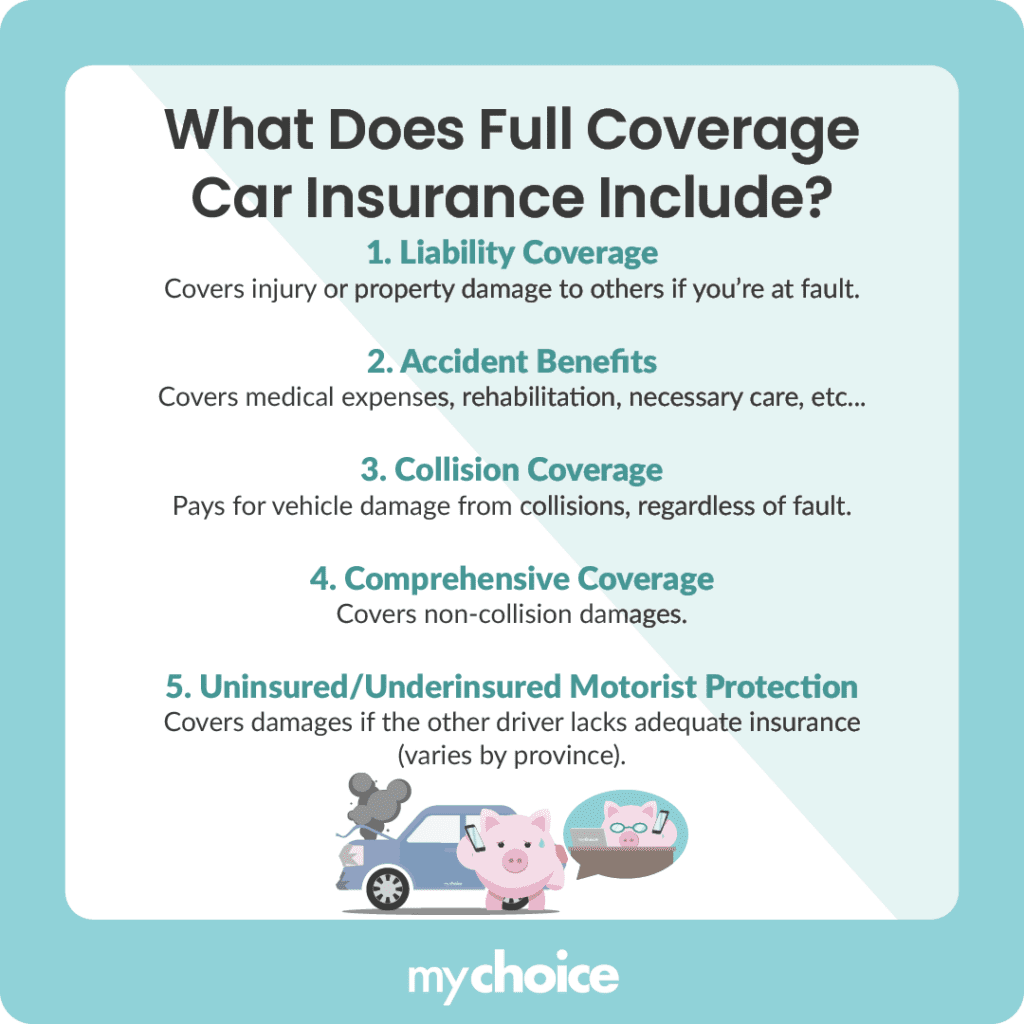
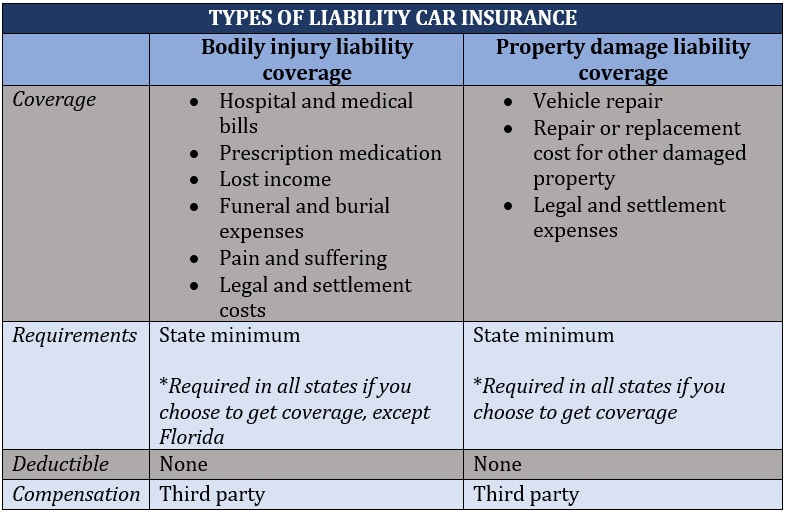
Bodily Injury Liability (BI): This coverage pays for medical expenses, lost wages, and pain and suffering for others if you are at fault in an accident. California’s minimum requirements are $15,000 per person and $30,000 per accident. While these are the legal minimums, experts strongly advise higher limits, as accident costs can quickly skyrocket beyond these figures, leaving you personally liable for the difference.
-
Property Damage Liability (PD): This covers damage you cause to another person’s property, such as their vehicle, fences, or buildings, if you are at fault. The California minimum is $5,000 per accident. Again, with the cost of vehicle repairs and property values, this limit is often inadequate for serious accidents.
-
Uninsured/Underinsured Motorist Coverage (UM/UIM): While not strictly mandatory to purchase, insurers in California are required to offer this coverage, and you must formally reject it if you don’t want it. Given that a significant percentage of drivers in California may be uninsured or underinsured, this coverage is highly recommended. It protects you and your passengers if an at-fault driver has no insurance or insufficient insurance to cover your damages and medical bills. It typically mirrors your BI and PD liability limits.
These minimums are a starting point, but they are far from what most people consider “full coverage” because they primarily protect other parties and their property, not your own vehicle or medical needs.
The Core Components of “Full Coverage”
When people refer to “full coverage,” they are almost invariably talking about a policy that includes the California minimums plus two critical types of coverage for their own vehicle:
-
Collision Coverage: This is designed to cover the cost of repairing or replacing your own vehicle if it’s damaged in an accident, regardless of who is at fault. This includes collisions with other vehicles, objects (like a tree or a pole), or even single-car rollovers. Collision coverage typically comes with a deductible, which is the amount you pay out-of-pocket before your insurance kicks in. Common deductibles range from $500 to $1,000.
-
Comprehensive Coverage: Often called “Other Than Collision,” this protects your vehicle from damages that aren’t caused by a collision. This includes a wide range of incidents such as theft, vandalism, fire, falling objects, natural disasters (like hail or floods), and even hitting an animal. Like collision coverage, comprehensive also typically has a deductible, which can sometimes be lower than your collision deductible.
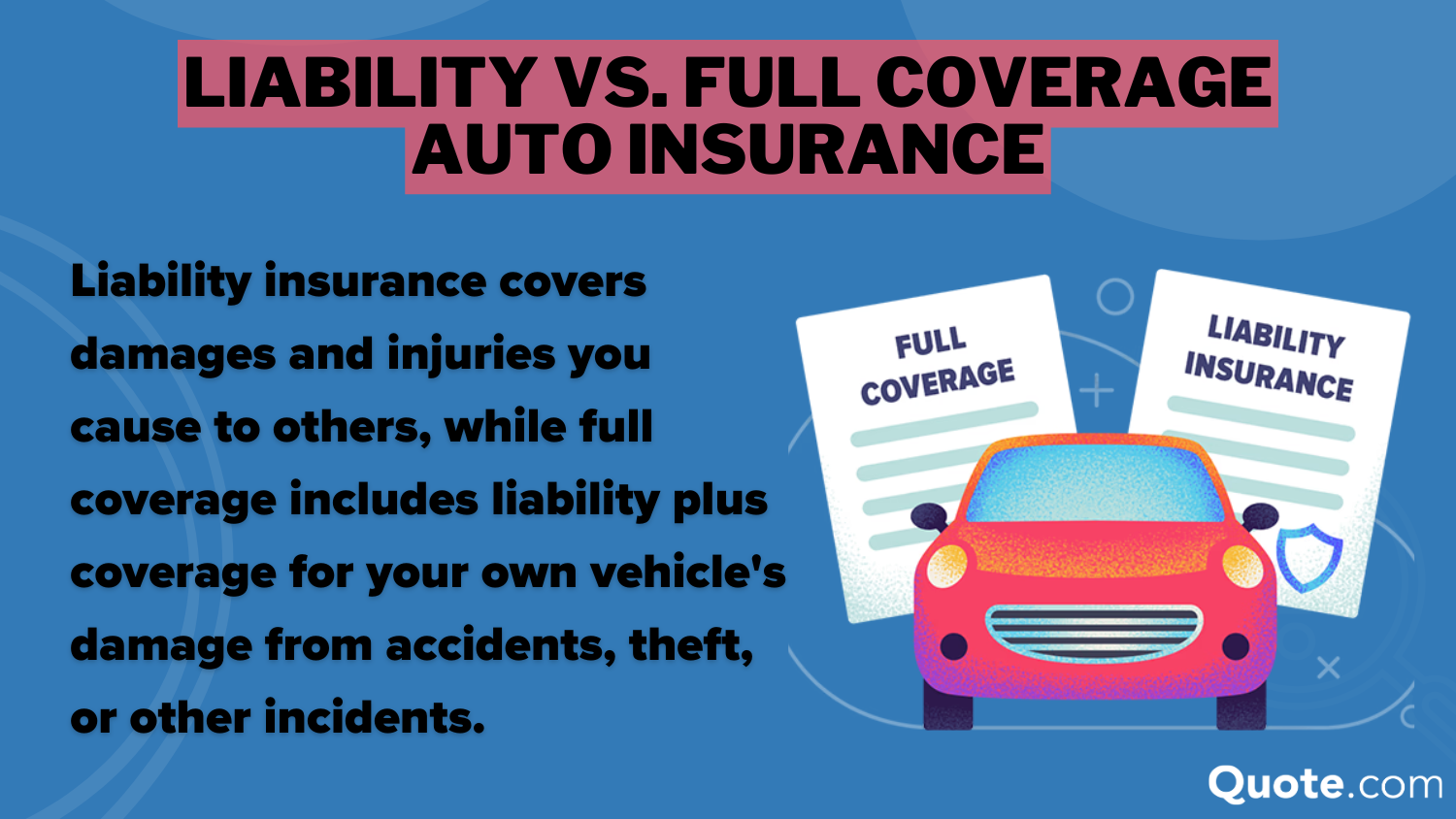
The combination of adequate liability limits, collision coverage, and comprehensive coverage forms the bedrock of what is widely understood as “full coverage” auto insurance in California.
Beyond the Core: Essential Add-Ons and Considerations
While collision and comprehensive coverages are the primary distinguishing features of “full coverage,” there are several other valuable add-ons that can significantly enhance your protection and are often included or strongly recommended:
-
Medical Payments (MedPay): In California, an “at-fault” state, MedPay is a crucial option. It covers medical expenses for you and your passengers, regardless of fault, up to a specified limit. This can be vital for immediate medical bills, co-pays, or deductibles that might not be covered by health insurance or while waiting for an at-fault driver’s insurance to pay out.
-
Rental Car Reimbursement: If your vehicle is rendered undrivable or requires extensive repairs after a covered accident, this coverage pays for a rental car for a specified period or up to a daily limit. This can be a lifesaver for those who rely on their car for daily commutes.
-
Roadside Assistance: This covers services like towing, jump-starts, flat tire changes, fuel delivery, and lockout services. It’s a small addition that can save you significant hassle and unexpected costs when stranded.
-
Gap Insurance: Highly recommended if you have a new car that is leased or financed. If your vehicle is totaled, gap insurance covers the difference between what you still owe on your loan or lease and the car’s actual cash value (ACV), which is what comprehensive or collision coverage would pay. Cars depreciate rapidly, and it’s common to owe more than the car is worth, especially early in a loan term.
-
New Car Replacement/Extended Replacement Cost: For very new vehicles, some policies offer to replace your totaled car with a brand new one of the same make and model, rather than just paying out its depreciated actual cash value. This can be invaluable for protecting your investment in a new vehicle.
Why “Full Coverage” is Crucial for California Drivers
Opting for a comprehensive insurance package goes beyond merely fulfilling legal obligations; it’s a strategic financial decision, especially given the unique driving environment and economic realities of California.
Protecting Your Financial Future
The primary motivation for “full coverage” is robust financial protection. The costs associated with even a minor car accident can be staggering:
-
High Cost of Vehicle Repairs and Replacement: Modern vehicles, particularly those with advanced technology and specialized parts, are expensive to repair. Replacing a totaled vehicle can easily run into tens of thousands of dollars. Without collision and comprehensive coverage, you would bear these costs entirely out of pocket.
-
Escalating Medical Expenses: Even with good health insurance, accident-related injuries can incur significant out-of-pocket costs, deductibles, and co-pays. Severe injuries can lead to long-term care, rehabilitation, and lost income. Adequate liability limits, MedPay, and UM/UIM coverage are essential buffers against potential financial ruin.
-
Liability in an At-Fault State: California is an “at-fault” state, meaning the person who causes an accident is financially responsible for the damages. If you are found at fault and your liability limits are too low, you could be sued for the remaining costs, potentially leading to the loss of savings, assets, or wage garnishment.
-
Avoiding Out-of-Pocket Expenses: The comfort of knowing that major damages to your vehicle or significant medical bills resulting from an accident are largely covered by insurance provides immense peace of mind and prevents unexpected financial setbacks.
Navigating California’s Unique Driving Landscape
California presents a distinctive set of challenges that make “full coverage” an even more prudent choice:
-
High Traffic Density: Major metropolitan areas like Los Angeles, San Francisco, and San Diego are notorious for heavy traffic, increasing the likelihood of accidents. More cars on the road inevitably mean a higher risk of collision.
-
High Cost of Living and Repair Costs: California’s overall high cost of living extends to auto body shops and mechanic services. Repair costs for even minor damage can be significantly higher than in other states.
-
Environmental Risks: While direct earthquake damage to vehicles is often excluded, related incidents (e.g., falling debris) could fall under comprehensive. Wildfires, another common threat, can cause significant damage to vehicles, which comprehensive coverage would address.
-
Legal Complexities and Litigation: California is a litigious state. If you are involved in an accident and found at fault, the likelihood of facing a lawsuit for damages exceeding your liability limits is a real concern. Higher liability limits offered under “full coverage” provide a stronger defense against such financial exposure.
-
High Theft Rates: Certain areas in California experience higher rates of vehicle theft and vandalism, making comprehensive coverage a critical safeguard for your investment.
Lender Requirements
If you have a loan or lease on your vehicle, your lender will almost certainly mandate that you carry both collision and comprehensive coverage, along with specified liability limits, until the loan is paid off. This is to protect their financial interest in the vehicle. Failing to maintain these coverages can result in the lender purchasing their own (often more expensive) force-placed insurance and adding the cost to your loan, or even repossessing the vehicle.
Factors Influencing Full Coverage Premiums in California
The cost of “full coverage” auto insurance in California is not a fixed price; it’s a dynamic figure influenced by a multitude of variables. Understanding these factors can help you anticipate costs and identify potential areas for savings.
Driver-Specific Variables
Your personal profile significantly impacts your premiums:
-
Driving Record: This is arguably the most influential factor. A clean driving record with no accidents or traffic violations (speeding tickets, DUIs) will result in lower premiums. Conversely, a history of claims or infractions will lead to higher rates.
-
Age and Experience: Younger, less experienced drivers (especially teenagers) typically face the highest premiums due to statistical data indicating a higher risk of accidents. Rates generally decrease as drivers gain more experience and reach middle age, then may slightly increase again for senior drivers.
-
Location within California: Your specific zip code plays a crucial role. Areas with higher traffic density, higher rates of theft or vandalism, or a greater number of insurance claims will generally have higher premiums. For example, a driver in a dense urban area like Los Angeles might pay more than someone in a rural part of Northern California.
-
Credit Score: In California, insurers are permitted to use a credit-based insurance score as a factor in determining premiums, though with some consumer protections and regulations. Generally, drivers with higher credit scores are seen as lower risk and may receive better rates.
-
Marital Status: Married individuals often receive lower rates than single drivers, as they are statistically considered less risky.
-
Gender: Historically, gender was a factor, but in California, insurers cannot use gender as a rating factor for automobile insurance.
Vehicle-Specific Variables
The type of car you drive also has a substantial impact:
-
Make, Model, and Year: The cost to insure a vehicle is heavily influenced by its actual cash value, the cost of parts, labor rates for repairs, and its susceptibility to theft. Luxury cars, sports cars, and vehicles with expensive imported parts will generally cost more to insure.
-
Safety Ratings: Vehicles with higher safety ratings and advanced safety features (e.g., automatic emergency braking, lane departure warning systems) often qualify for discounts, as they reduce the likelihood of severe injury and potentially mitigate damage in an accident.
-
Theft Risk: Models that are frequently stolen or vandalized will have higher comprehensive coverage premiums.
-
Mileage: Some insurers offer discounts for low-mileage drivers, as less time on the road translates to lower risk exposure.
Policy-Specific Choices
The decisions you make when customizing your policy directly affect the premium:
-
Deductible Amounts: Choosing a higher deductible (e.g., $1,000 instead of $500) for collision and comprehensive coverage will lower your premium, as you are agreeing to pay more out-of-pocket in the event of a claim. It’s a trade-off between lower monthly payments and higher immediate costs after an incident.
-
Coverage Limits: Opting for higher liability limits (e.g., $100,000/$300,000 BI and $50,000 PD) will increase your premium compared to the state minimums, but it provides significantly more financial protection.
-
Discounts: Actively seeking and applying for available discounts can significantly reduce costs. These include multi-policy discounts (bundling auto with home or renters insurance), good student discounts, anti-theft device discounts, defensive driving course discounts, low mileage discounts, and sometimes even discounts for paying your premium in full.
Smart Strategies for Securing Optimal Full Coverage in California
Navigating the complexities of auto insurance in California to find the right “full coverage” can seem daunting, but with a strategic approach, you can secure robust protection without overpaying.
Personalized Coverage Assessment
The first step is to accurately assess your specific needs, as “full coverage” is not one-size-fits-all:
-
Evaluate Your Vehicle’s Value: If your car is older and its market value is low, the cost of collision and comprehensive might outweigh the potential payout after a deductible. Consider the “200% rule”: if your annual premium for collision and comprehensive exceeds 200% of your vehicle’s current market value, it might be time to drop these coverages.
-
Assess Your Financial Risk Tolerance: How much can you realistically afford to pay out-of-pocket for repairs or medical bills in an accident? If your emergency fund is substantial, you might opt for higher deductibles to lower premiums. If not, lower deductibles might be more appropriate.
-
Consider Your Driving Habits and Environment: Do you have a long commute in heavy traffic? Park your car on the street in a high-crime area? These factors increase your risk profile and might warrant higher coverage limits or additional protections like roadside assistance.
-
Review Existing Policies: Don’t just auto-renew. Regularly review your coverage to ensure it still aligns with your current assets, driving situation, and financial goals. Have you paid off your car loan? Your needs have changed.
The Power of Comparison Shopping
This is perhaps the single most effective strategy for finding competitive rates:
-
Get Multiple Quotes: Never settle for the first quote you receive. Obtain quotes from at least 3-5 different insurance providers – large national carriers, regional insurers, and online-only companies. Each insurer has its own proprietary algorithm for assessing risk and setting prices.
-
Understand What Each Quote Includes: Ensure you are comparing apples to apples. Verify that each quote offers the same liability limits, deductibles for collision and comprehensive, and any optional coverages you desire. A lower premium might simply mean less coverage.
-
Utilize Independent Agents: Independent insurance agents work with multiple companies and can shop around for you, providing unbiased advice and helping you find the best value for your needs.
Maximizing Discounts and Savings
Be proactive in seeking out and applying for every discount you qualify for:
-
Bundling Policies: Combining your auto insurance with your home, renters, or even life insurance policy from the same provider is one of the easiest ways to secure a significant multi-policy discount.
-
Maintain a Clean Driving Record: This cannot be stressed enough. Avoid accidents and traffic violations, as they can dramatically increase your premiums for years.
-
Increase Deductibles Strategically: If you have a healthy emergency fund, consider raising your collision and comprehensive deductibles. The premium savings can be substantial, but ensure you can comfortably afford the deductible if a claim arises.
-
Explore Telematics Programs: Many insurers offer usage-based insurance programs (telematics) that use a device or app to monitor your driving habits (e.g., mileage, braking, acceleration). Safe drivers can often earn discounts through these programs.
-
Regularly Review Your Policy: Life changes – new car, marriage, moving, kids leaving home – all can impact your insurance needs and eligibility for discounts. Review your policy at least annually or whenever a major life event occurs.
-
Choose a Vehicle That’s Cheaper to Insure: When purchasing a car, research insurance costs for different models. Some vehicles are inherently more expensive to insure due to higher repair costs or theft rates.
Understanding the Claims Process
Even with the best coverage, the true test comes during a claim. Knowing what to do can simplify the process:
-
Immediately After an Accident: Ensure safety, exchange information, document the scene with photos, and report to the police if necessary.
-
How to File a Claim: Contact your insurance provider as soon as possible. Be honest and thorough in providing details.
-
Working with Adjusters: Cooperate with your claims adjuster, provide all requested documentation, and understand their assessment of damage and payouts.
Conclusion
“Full coverage auto insurance” in California is not a mythical, all-encompassing shield but a strategic combination of liability, collision, comprehensive, and often several supplementary coverages. It’s a critical financial tool designed to protect not just your vehicle, but your personal assets and peace of mind from the myriad of risks on California’s roads.
Given California’s high costs, dense traffic, and specific legal landscape, understanding and securing robust “full coverage” is an essential component of responsible personal finance. By thoroughly assessing your needs, diligently comparing options, leveraging available discounts, and regularly reviewing your policy, you can tailor a protective package that offers optimal financial security without unnecessary expense. Don’t leave your financial future to chance; take the time to understand and invest wisely in your auto insurance coverage.
aViewFromTheCave is a participant in the Amazon Services LLC Associates Program, an affiliate advertising program designed to provide a means for sites to earn advertising fees by advertising and linking to Amazon.com. Amazon, the Amazon logo, AmazonSupply, and the AmazonSupply logo are trademarks of Amazon.com, Inc. or its affiliates. As an Amazon Associate we earn affiliate commissions from qualifying purchases.