
In the lexicon of global commerce, few names carry as much weight—or as much risk—as “Frisbee.” To the casual observer, a Frisbee is simply a plastic flying disc used for recreation in parks or competitive sports. However, from a brand strategy and corporate identity perspective, the story of the Frisbee is a masterclass in marketing success and the precarious nature of intellectual property.
The term “Frisbee” is not a generic noun for a category of products; it is a registered trademark owned by Wham-O. This distinction is at the heart of one of the most significant challenges in brand management: the phenomenon known as “genericide.” This occurs when a brand name becomes so successful that it enters the common language as the name of the product itself, potentially stripping the original owner of their exclusive legal rights.
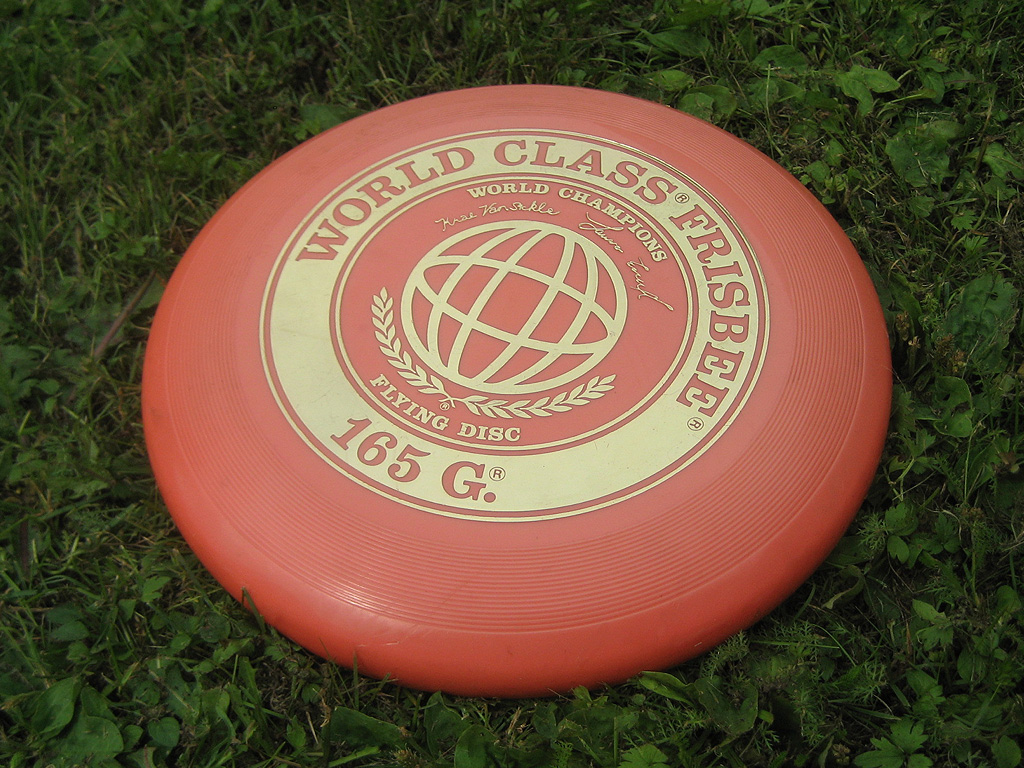
To understand what Frisbee is, we must look beyond the physical object and examine the brand’s evolution, the strategy behind its market dominance, and the ongoing battle to maintain its corporate identity in an era of linguistic saturation.
The Evolution of Frisbee: From Pie Tins to Global Brand Identity
The Frisbee brand did not begin in a laboratory or a high-tech design firm; it began at a bakery. The Frisbie Pie Company of Bridgeport, Connecticut, unknowingly provided the phonetic inspiration for what would become a global brand. Students at nearby universities discovered that the empty tin pie plates could be tossed and caught, shouting “Frisbie!” to alert passersby of the incoming metal.
The Wham-O Acquisition and Market Domination
In the late 1940s, an inventor named Walter Frederick Morrison developed a plastic version of these flying tins, originally marketed as the “Whirlo-Way” and later the “Pluto Platter.” However, it wasn’t until the marketing geniuses at Wham-O, Richard Knerr and Arthur “Spud” Melin, encountered the “Frisbie” slang that the brand truly took flight.
Wham-O officially trademarked the name “Frisbee”—changing the spelling slightly to avoid direct legal conflict with the pie company—and began a sophisticated marketing campaign. By the 1960s, Wham-O had transformed a simple toy into a cultural icon. Their brand strategy focused on accessibility and “cool factor,” positioning the Frisbee as the quintessential tool for leisure.
Design as a Brand Moat
A key component of the Frisbee brand identity was its technical superiority. Ed Headrick, a designer at Wham-O, patented the “Lines of Headrick”—the concentric ridges on the top of the disc that stabilized its flight. This design was not just functional; it was a visual identifier. In branding, a “moat” is a competitive advantage that protects a company from rivals. For decades, the specific aerodynamics of a Wham-O Frisbee were the gold standard, ensuring that when consumers thought of a flying disc, they only thought of the brand name.
Generic Trademarks: When a Brand Becomes the Category
The success of the Frisbee is a double-edged sword. In the world of brand strategy, there is no higher achievement than becoming a “proprietary eponym”—a brand name that is synonymous with the category. However, this status invites significant legal and financial risks.
The Psychology of “Proprietary Eponyms”
When a consumer asks for a “Kleenex” instead of a tissue, or “Googles” a question instead of searching the web, they are participating in a linguistic shift that indicates total market saturation. For the Frisbee brand, this means that most people use the term to describe any flying disc, regardless of whether it was manufactured by Wham-O or a competitor like Discraft or Innova.
From a marketing perspective, this is the ultimate form of brand equity. It implies that the brand has achieved 100% top-of-mind awareness. However, from a corporate identity standpoint, it presents a “differentiation crisis.” If every disc is called a frisbee, how does Wham-O convince a customer to pay a premium for their specific version?
Case Studies: Kleenex, Google, and the Frisbee Precedent
To understand the stakes, we look at brands that lost their trademarks to the public domain. Cellophane, Escalator, Aspirin, and Heroin were all once protected brand names. Because the owners failed to prevent the public from using these terms as generic nouns, they lost their exclusive rights.
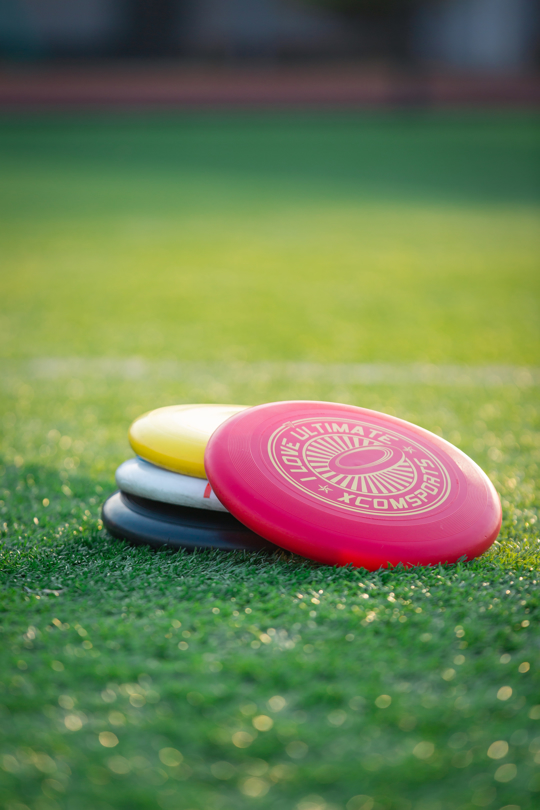
Wham-O has spent decades studying these case studies to avoid a similar fate. Unlike the makers of the “Escalator,” who leaned into the generic usage until it was too late, Wham-O aggressively monitors how its name is used in media, professional sports, and retail environments. This is why you will often see organizations like USA Ultimate or the World Flying Disc Federation carefully use the term “flying disc” rather than “frisbee” in their official documentation and television broadcasts.
The Strategic Risks of Extreme Brand Popularity
For a brand manager, the goal is usually to maximize exposure. But for a brand at risk of genericide, the strategy must pivot toward “controlled exposure.” This involves a delicate balance between maintaining popularity and enforcing linguistic boundaries.
Navigating the Danger of Genericide
The legal test for genericide is whether the primary significance of the term to the relevant public is the product category rather than the specific source. To combat this, Wham-O’s brand strategy includes constant reminders to the public that “Frisbee” is a brand of flying disc.
This is often executed through “trademark policing.” This involves sending cease-and-desist letters to media outlets or companies that use the term as a lowercase noun. While this can sometimes result in negative PR (making the brand look overly litigious), it is a necessary tactical move to preserve the brand’s valuation. If the trademark is lost, the company’s “brand value” on the balance sheet could plummet, as competitors would be free to label their cheaper, generic products as “Frisbees.”
How Wham-O Protects its Intellectual Property
Wham-O employs several branding techniques to protect the Frisbee name:
- The Adjective Rule: They encourage the use of the name as an adjective followed by a generic noun (e.g., “Frisbee® brand flying disc”).
- Visual Distinctions: Always capitalizing the word and using the ® symbol in all corporate communications.
- Educational Outreach: Informing professional leagues that the sport they play is “Ultimate,” not “Ultimate Frisbee,” unless they are using Wham-O sanctioned equipment.
By reinforcing these distinctions, Wham-O ensures that the brand remains a “premium” identifier rather than a generic commodity.
Marketing Lessons from the Frisbee Legacy
The trajectory of the Frisbee brand offers invaluable insights for modern brand strategists and corporate leaders. It demonstrates that a brand is not just a logo or a name; it is a legal and psychological asset that requires constant maintenance.
Building Community-Centric Brands
One reason Frisbee became so entrenched in the public consciousness was Wham-O’s focus on community. They didn’t just sell a product; they promoted a lifestyle. By sponsoring tournaments and creating the International Frisbee Association, they fostered a sense of belonging.
Modern brands can learn from this by focusing on “Brand Advocacy.” When customers feel like they are part of a movement, they are more likely to respect the brand’s identity. However, as the Frisbee story shows, if the community grows too large and loses touch with the brand’s origins, the name can easily slip into the generic vernacular.
Leveraging Emotional Connection in Corporate Identity
The Frisbee brand succeeds because it is tied to positive emotional experiences—summer days, beach trips, and athletic achievement. This emotional resonance is what keeps the brand alive even as hundreds of generic competitors flood the market.
A strong corporate identity relies on this emotional “hook.” When a brand can associate itself with a specific feeling or lifestyle, it builds a layer of protection that goes beyond legal trademarks. Even if the public uses the word “frisbee” generically, the authentic Wham-O Frisbee retains a nostalgic and “authentic” value that a generic “flying disc” cannot replicate.
Conclusion: The Future of the Frisbee Brand
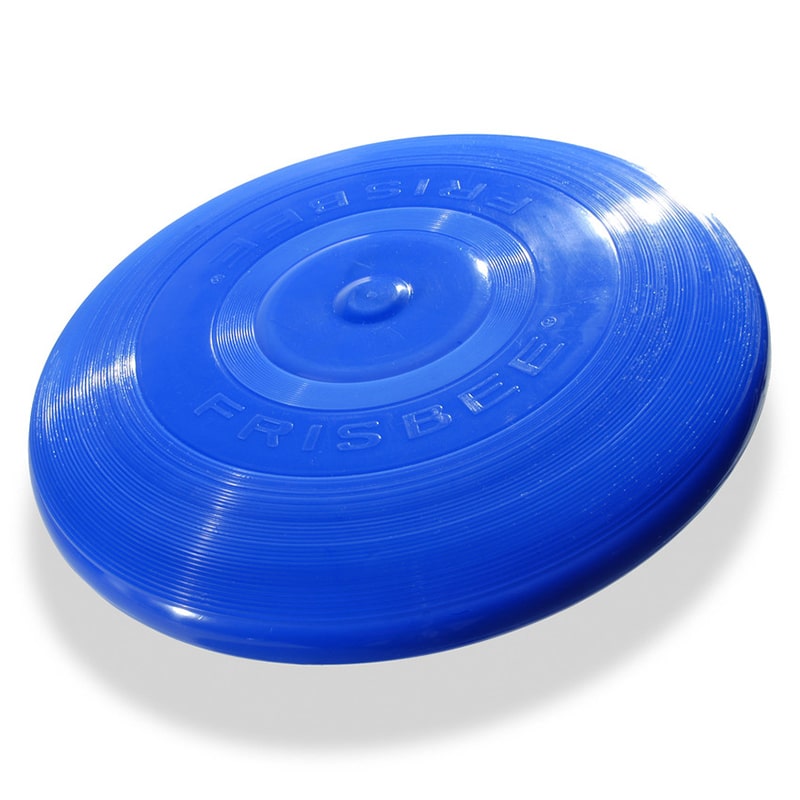
“What is Frisbee?” is a question with two answers. To the public, it is a universal symbol of play. To the strategist, it is a high-stakes case study in trademark management and brand survival.
As we move further into a digital-first economy, the lessons of the Frisbee brand are more relevant than ever. In an age where brand names can go viral and become verbs overnight (like “Ubering” or “Zooming”), the risk of genericide is accelerated. Companies must be proactive in defining their identity and defending their linguistic territory.
Wham-O’s journey with the Frisbee teaches us that the ultimate success of a brand—becoming a household name—is also its ultimate challenge. To survive, a brand must be more than just a name; it must be a clearly defined, legally protected, and emotionally resonant identity that refuses to be swallowed by the very language it helped create. The Frisbee remains an icon not just because it flies well, but because its owners understood that a brand is something you must catch, hold onto, and never let drift into the generic ether.
aViewFromTheCave is a participant in the Amazon Services LLC Associates Program, an affiliate advertising program designed to provide a means for sites to earn advertising fees by advertising and linking to Amazon.com. Amazon, the Amazon logo, AmazonSupply, and the AmazonSupply logo are trademarks of Amazon.com, Inc. or its affiliates. As an Amazon Associate we earn affiliate commissions from qualifying purchases.