
In the modern digital landscape, the “chat box” has evolved from a simple, text-based novelty into one of the most sophisticated interfaces in the technology sector. Once limited to basic instant messaging services, the chat box—now frequently referred to as a chatbot or conversational interface—serves as the primary bridge between human intent and machine execution. At its core, a chat box is a software application designed to simulate human conversation through text or voice interactions. However, its simplicity on the surface belies a complex infrastructure involving front-end design, back-end logic, and increasingly, high-level Artificial Intelligence (AI).

Understanding what a chat box is requires a deep dive into the software stacks, communication protocols, and machine learning models that power them. As we move deeper into the era of ambient computing, the chat box has become the ubiquitous “operating system” for the web, replacing traditional navigation menus with a fluid, natural language experience.
Understanding the Anatomy of a Chat Box
To define a chat box in technical terms, one must look at it as a multi-layered software architecture. It is not merely a window on a screen; it is a sophisticated data processing engine that must manage inputs and outputs in real-time.
Front-End Design and User Interface (UI)
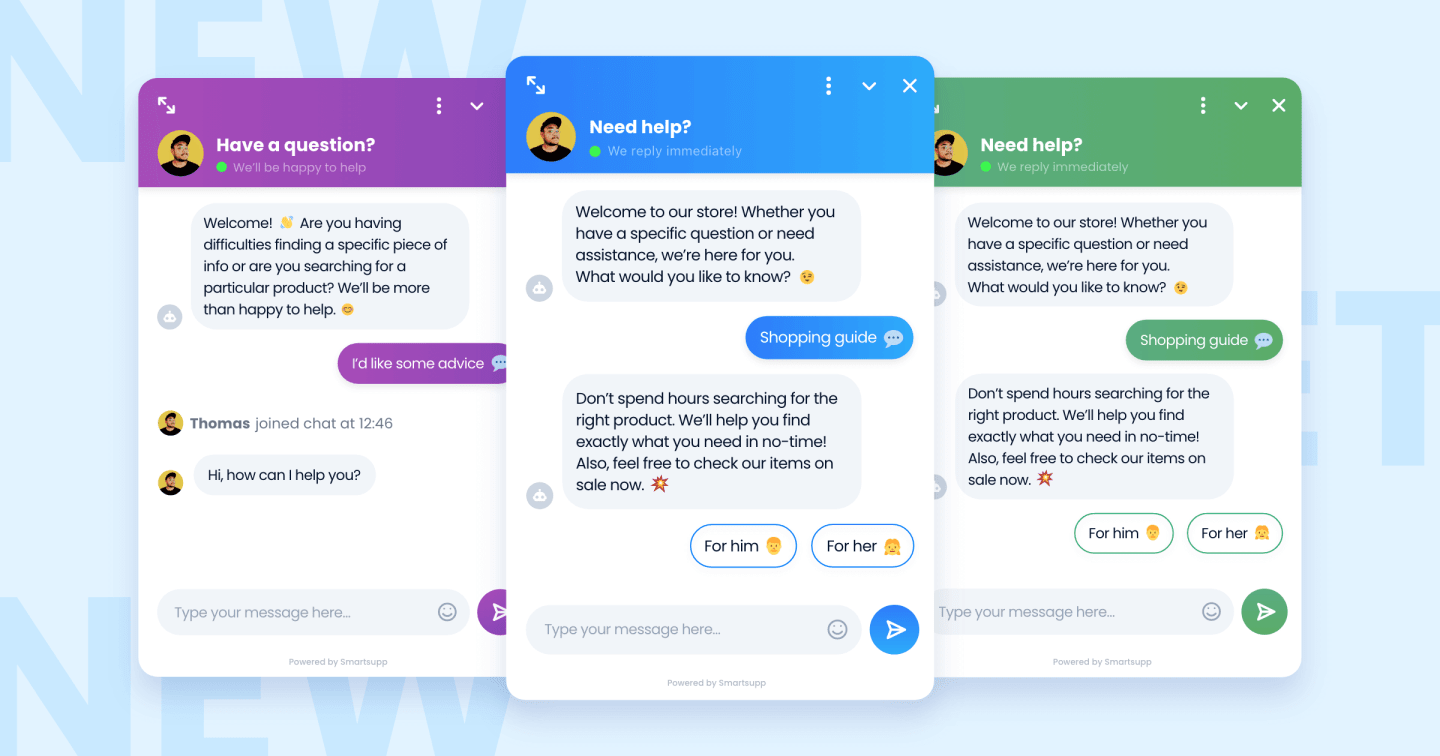
The front-end of a chat box is the graphical user interface (GUI) where the user interacts. This layer is typically built using web technologies such as HTML5, CSS3, and JavaScript frameworks like React, Vue, or Angular. The technical challenge of the front-end lies in responsiveness and accessibility. A high-quality chat box must be platform-agnostic, functioning seamlessly across mobile browsers, desktop applications, and embedded widgets. Developers focus on “asynchronous communication,” ensuring that the chat box can send and receive messages without requiring the entire webpage to refresh, typically utilizing WebSockets or Long Polling to maintain a persistent connection.
Back-End Infrastructure and Logic
The back-end is the “brain” of the chat box. When a user types a message, that data is sent via an API (Application Programming Interface) to a server. This server-side environment, often hosted on cloud platforms like AWS, Google Cloud, or Microsoft Azure, processes the message. In a standard setup, the back-end manages the session state—remembering who the user is and what was said previously in the conversation. This involves a database (such as PostgreSQL or MongoDB) that stores logs, user profiles, and intent libraries.
The Role of APIs and Integrations
A modern chat box rarely exists in a vacuum. Its power comes from its ability to interface with other software. Through RESTful APIs, a chat box can pull data from a company’s inventory database, verify a user’s account status in a CRM (Customer Relationship Management) system, or even trigger external events like booking a flight or processing a payment. This interoperability transforms the chat box from a communication tool into a functional software hub.
The Technological Spectrum: From Rule-Based to Generative AI
Not all chat boxes are created equal. The technology powering them has undergone a massive paradigm shift over the last decade, moving from rigid code to fluid intelligence.
Decision Tree and Scripted Chatbots
The earliest iterations of chat boxes were “rule-based.” These operate on a decision tree model: if the user says “A,” the bot responds with “B.” These systems use pattern matching and regular expressions (Regex) to identify keywords. While highly reliable for simple tasks like FAQs, they are technically limited because they cannot understand context or nuance. If a user’s input falls outside the pre-programmed scripts, the system fails.
Natural Language Processing (NLP) and Machine Learning
The middle tier of chat box technology involves Natural Language Processing (NLP) and Natural Language Understanding (NLU). These chat boxes utilize machine learning models to “parse” a sentence. They break down human language into “intents” (what the user wants to do) and “entities” (the specific details). For example, in the phrase “Book a flight to London,” the intent is book_flight and the entity is London. This allows the chat box to be much more flexible, as it can recognize a variety of ways a user might ask the same question.
Large Language Models (LLMs) and the Generative Era
The current frontier of chat box technology is defined by Generative AI and Large Language Models (LLMs) like GPT-4 or Claude. Unlike their predecessors, these chat boxes are not programmed with specific responses. Instead, they are trained on massive datasets of human language, allowing them to predict the next token in a sequence. This results in a chat box that can engage in open-ended reasoning, write code, summarize documents, and maintain a persona. The technical shift here is from “retrieval-based” systems (picking a pre-written answer) to “generative” systems (creating an answer from scratch).
Critical Functionalities and Technical Capabilities
For a chat box to be effective in a professional or technical context, it must possess several core capabilities that ensure reliability and utility.
Contextual Awareness and Memory
One of the most difficult technical hurdles in chat box development is “state management.” A sophisticated chat box must maintain context over a long conversation. This is achieved through “context windows” in LLMs or session variables in standard apps. If a user says, “Tell me about the iPhone 15,” and follows up with “How much does it cost?”, the chat box must technically understand that “it” refers to the iPhone 15.
Multi-Platform Synchronization
In the tech world, an “omnichannel” approach is vital. A chat box should be able to hand off a conversation from a mobile app to a web browser without losing the history. This requires a robust synchronization layer where the conversation ID is tied to a user’s UUID (Universally Unique Identifier) across different endpoints.
Security Protocols and Data Encryption
Because chat boxes often handle sensitive data, security is a paramount technical concern. This includes implementing End-to-End Encryption (E2EE), ensuring compliance with GDPR or SOC2, and utilizing “sanitization” techniques to prevent SQL injection or prompt injection attacks. Developers must ensure that the chat box does not inadvertently leak PII (Personally Identifiable Information) during its learning or retrieval processes.
Implementation and Development Frameworks
Building a chat box in the current ecosystem offers a variety of technical paths, ranging from rapid deployment to custom-built neural networks.
Low-Code/No-Code Solutions
For rapid deployment, many organizations use platforms like Zendesk, Intercom, or Drift. These provide a “drag-and-drop” interface for building logic flows. Under the hood, these platforms provide a managed infrastructure, handling the hosting, database management, and API connections, allowing businesses to deploy a functional chat box with minimal specialized coding.
Custom Development and SDKs
On the high end, developers build bespoke chat boxes using specialized Software Development Kits (SDKs) and frameworks. Tools like Microsoft Bot Framework, Rasa, or LangChain provide the scaffolding for building complex, AI-driven agents. LangChain, in particular, has become a favorite in the tech community for its ability to “chain” different AI models together, allowing a chat box to perform multi-step reasoning tasks, such as searching the web, synthesizing a report, and then emailing it to the user.

The Future of Chat Boxes in the Era of Ambient Computing
The concept of the chat box is rapidly outgrowing its name. As we look toward the future, the “box” is disappearing, leaving only the “chat.”
We are entering the age of “Agentic AI,” where chat boxes become proactive rather than reactive. Instead of waiting for a user to ask a question, these systems will monitor data streams and initiate conversations when they detect an anomaly or an opportunity. Furthermore, the integration of voice synthesis and computer vision means the chat box will soon become a multimodal assistant. It will be able to “see” a snippet of code you are working on through your screen and “talk” you through the debugging process in real-time.
As natural language becomes the primary way we interact with machines, the chat box will cease to be a “feature” and will instead become the fundamental layer of all software. From a tech perspective, the journey of the chat box is a testament to our progress in making human-machine interaction as seamless, intuitive, and intelligent as human-to-human conversation. The chat box is no longer just a window; it is the most powerful tool in the digital arsenal.
aViewFromTheCave is a participant in the Amazon Services LLC Associates Program, an affiliate advertising program designed to provide a means for sites to earn advertising fees by advertising and linking to Amazon.com. Amazon, the Amazon logo, AmazonSupply, and the AmazonSupply logo are trademarks of Amazon.com, Inc. or its affiliates. As an Amazon Associate we earn affiliate commissions from qualifying purchases.