
The landscape of corporate and institutional identity is constantly evolving, driven by changing societal values, strategic repositioning, and the imperative to accurately reflect an organization’s mission. Few shifts underscore this dynamic more profoundly than the renaming of prominent institutions. A prime example from recent history is the transformation of Fort Benning, a military installation with a century of history, which now carries a different name, signifying a deliberate evolution in its identity and brand narrative.
A New Chapter: The Renaming of a Military Icon
In a significant move that reverberated across the United States military and beyond, Fort Benning, the iconic home of the U.S. Army Maneuver Center of Excellence, officially adopted a new identity. This change was not merely superficial; it represented a deeper consideration of the values and figures an institution chooses to honor and project to its stakeholders, both internal and external.
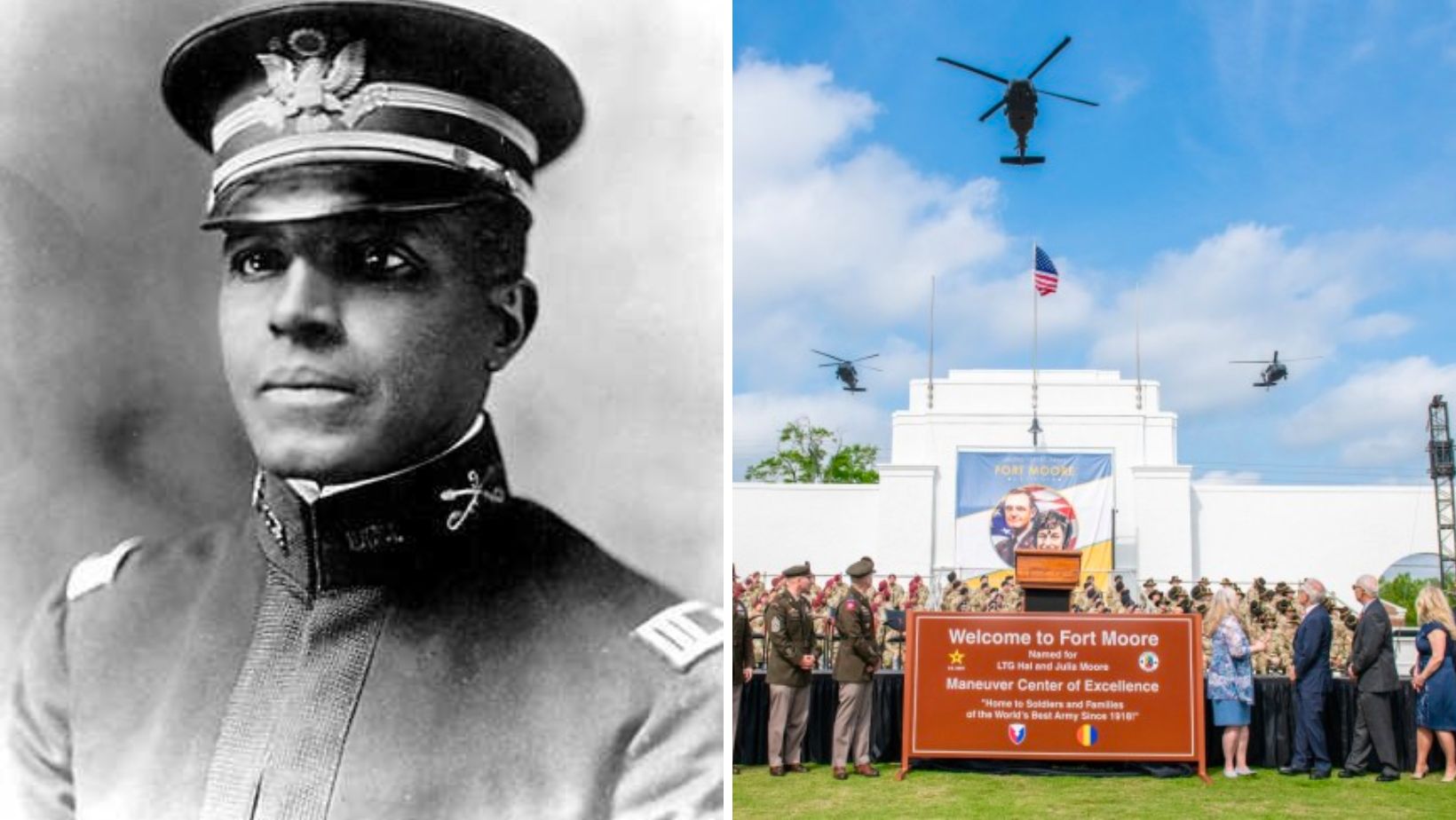
From Fort Benning to Fort Moore: The Core Change
As of May 11, 2023, Fort Benning is formally known as Fort Moore. This renaming is a direct consequence of recommendations from the Naming Commission, a body established by Congress to review and recommend changes to names of military assets that commemorate the Confederacy. The original namesake, Henry L. Benning, was a Confederate general. The decision to rename these installations reflects a strategic effort to align military identity with contemporary American values of inclusivity and unity, moving away from figures associated with division.
The new name, Fort Moore, honors Lieutenant General Hal Moore and his wife, Julia Compton Moore. Lt. Gen. Moore was a distinguished infantry officer, renowned for his leadership during the Battle of Ia Drang in Vietnam, a conflict immortalized in his co-authored book “We Were Soldiers Once…And Young.” His valor and innovative tactics are emblematic of modern military leadership. Equally important, Julia Compton Moore is recognized for her tireless advocacy for military families, particularly her groundbreaking work in ensuring that casualty notifications were delivered with compassion and support, drastically changing the Army’s protocol. The inclusion of both Lt. Gen. and Julia Moore in the new naming convention is a powerful statement about the comprehensive nature of service and the recognition of contributions beyond direct combat roles. This dual honor reinforces a brand identity that values not only combat excellence but also the unwavering support system vital to military effectiveness and morale.
The Commission’s Mandate: Driving the Shift
The Naming Commission’s role was pivotal. Tasked with identifying assets that honored Confederate figures, the commission undertook a meticulous review process, considering historical context, public sentiment, and the strategic implications of rebranding. Their recommendations were not arbitrary; they stemmed from a comprehensive analysis of how an organization’s nomenclature impacts its perceived legitimacy, its appeal to a diverse workforce, and its standing within a global context. The commission’s findings and the subsequent legislative action provided the mandate for a sweeping identity overhaul across multiple Army installations, with Fort Benning (now Fort Moore) being one of the most prominent. This top-down initiative highlights how significant shifts in corporate or institutional identity often originate from a strategic re-evaluation at the highest levels of leadership, driven by a desire to modernize brand perception and align with evolving ethical standards.
The Strategic Imperative: Brand Evolution in Institutional Identity
The renaming of Fort Benning to Fort Moore is far more than a simple administrative change; it is a case study in brand evolution within a large, established institution. Organizations, whether corporate or governmental, periodically reassess their brand identity to ensure relevance, resonance, and ethical alignment.
Reconciling History and Modern Values
One of the primary strategic imperatives behind such a large-scale rebranding effort is the need to reconcile historical legacy with modern values. For institutions with long histories, elements of their past identity might become incongruent with contemporary ethical standards or societal expectations. In the military’s case, honoring figures associated with a rebellion against the United States created a dissonance with its core mission of defending the nation. By choosing to honor individuals like Lt. Gen. and Julia Moore, the Army articulates a brand identity rooted in heroism, selfless service, and compassion that transcends historical divisions, thus fostering a more unified internal culture and a more positive external perception. This realignment is crucial for attracting new talent, maintaining public trust, and strengthening internal cohesion.
Beyond Nomenclature: Projecting a Forward-Looking Image
A name change is often the most visible aspect of a broader strategic shift. The renaming of Fort Benning signals a commitment to a forward-looking brand image. It communicates that the institution is adaptable, responsive to societal change, and dedicated to upholding values that unite rather than divide. This forward-thinking approach is essential for any organization aiming to remain relevant and competitive in attracting top talent, securing funding, and maintaining public confidence. By embracing figures who embody modern military ideals and a broader definition of service, Fort Moore projects an image of an institution that is actively shaping its future while respecting a more inclusive interpretation of its past. This strategic move contributes to building a stronger, more resilient organizational brand capable of navigating future challenges.
Stakeholder Alignment in Identity Shifts
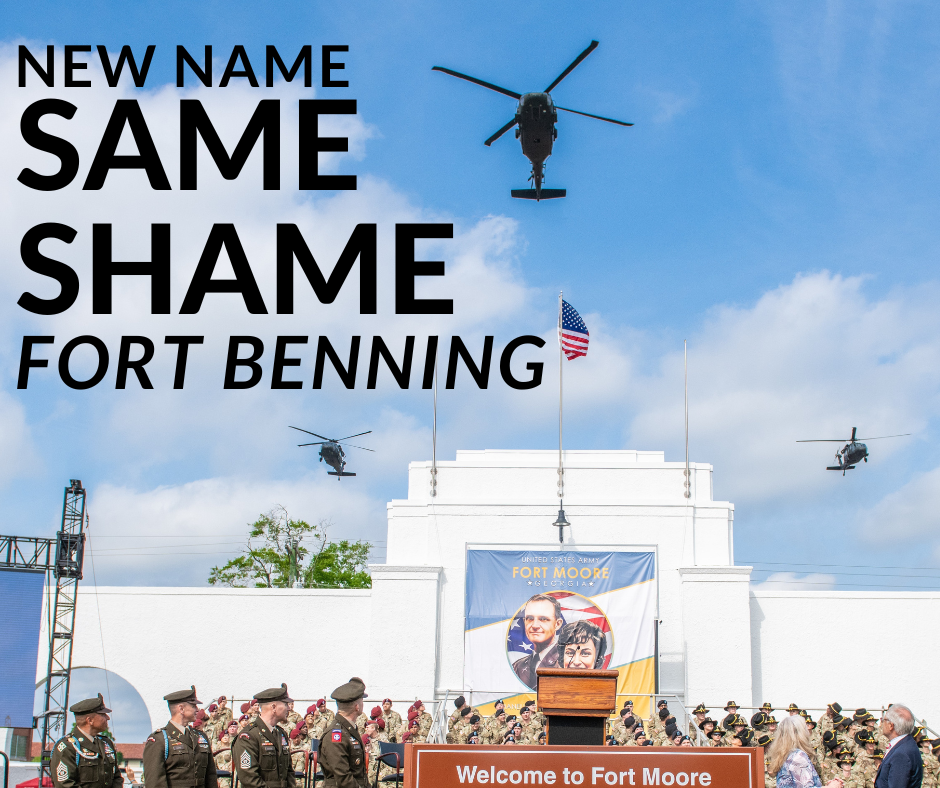
Successful brand evolution hinges on effective stakeholder alignment. For military installations, stakeholders include active-duty personnel, veterans, civilian employees, military families, local communities, and the broader American public. The process of renaming required careful consideration of how these diverse groups would perceive and adapt to the change. While some resistance is inevitable with any significant shift, the strategic communication surrounding the renaming emphasized the positive values embodied by the new namesakes and the broader purpose of unifying the military’s identity. Engaging stakeholders through transparent communication, explaining the rationale, and highlighting the positive implications for the institution’s future are critical elements in ensuring buy-in and minimizing disruption during a rebranding exercise.
The Branding Process: Navigating Change and Communication
Executing a large-scale rebrand for an institution the size of Fort Benning involves intricate planning and meticulous execution, encompassing everything from physical signage to digital presence and cultural integration.
Logistics of a Large-Scale Rebrand
The logistical challenges of rebranding a major military installation are substantial. Every physical marker bearing the old name—road signs, building placards, historical markers, digital platforms, official documents, and merchandise—must be updated. This process requires significant resources, detailed project management, and coordination across numerous departments. Beyond the visible changes, underlying systems, databases, and communication templates also need updating to reflect the new identity. For Fort Moore, this included updating maps, directories, and communication protocols across a vast installation that houses tens of thousands of soldiers and civilians. Such a comprehensive undertaking highlights the practical complexities inherent in any major corporate identity shift, where the visual elements are just the tip of the iceberg.
Crafting the Narrative: Messaging the New Identity
Effective communication is paramount during any rebranding initiative. For Fort Moore, crafting a compelling narrative that explains why the change occurred and who the new namesakes are, was crucial. The messaging focused on celebrating the comprehensive service of Lt. Gen. and Julia Moore, emphasizing their contributions to military excellence and the well-being of military families. This narrative helped stakeholders understand the positive values the new name embodies and provided a clear, unified message. Strategic communications campaigns, involving official announcements, media outreach, and internal briefings, were designed to manage perceptions, address potential concerns, and foster acceptance of the new identity. The goal was not just to inform but to inspire, embedding the new brand story into the institution’s culture.
Internal vs. External Branding Considerations
A successful rebrand must address both internal and external audiences with tailored strategies. Internally, the message focused on celebrating new heroes, fostering a sense of pride in the evolved identity, and reinforcing the institution’s commitment to its core values. Training and engagement initiatives helped personnel understand the significance of the change and encouraged them to embody the spirit of the new name. Externally, the branding effort aimed to present a modern, inclusive, and forward-looking image to the public, potential recruits, and international allies. This dual approach ensures that the new identity is embraced from within and positively perceived from without, strengthening the overall brand equity.
The Enduring Impact of a Name: Legacy, Culture, and Future Perception
The decision to rename Fort Benning to Fort Moore is a powerful illustration of how names shape perception, influence culture, and define legacy. In the realm of brand strategy, a name is the bedrock upon which an organization builds its reputation and communicates its essence.
Measuring Brand Equity Post-Change
Measuring the brand equity of an institution like Fort Moore post-renaming involves assessing its public perception, its attractiveness to recruits, and the morale of its personnel. While direct quantitative metrics might differ from corporate brand equity, indicators such as public opinion polls, recruitment statistics, and internal surveys on morale and identification with the new name can provide valuable insights. The strategic aim is to enhance the institution’s standing, making it more appealing to a diverse pool of talent and fostering a stronger sense of shared purpose among its members. A successful rebranding operation ultimately increases the “value” of the brand, making it a more respected, relevant, and desirable entity.
The Role of Symbolic Rebranding in Cultural Dialogue
Symbolic rebranding, such as the renaming of military installations, plays a significant role in broader cultural dialogue. It reflects and influences how a society grapples with its past, defines its heroes, and articulates its collective values. For the U.S. Army, the renaming initiative contributes to a national conversation about unity, historical reconciliation, and the evolving definition of patriotism. From a brand perspective, it positions the Army as an institution that is responsive to societal progress, capable of introspection, and committed to inclusive principles, thereby strengthening its societal relevance and moral authority.

Sustaining the New Identity
The work of rebranding does not end with the official ceremony. Sustaining the new identity requires ongoing effort to integrate the new name and its associated values into every aspect of the institution’s operations and culture. This includes continually reinforcing the narrative of Lt. Gen. and Julia Moore, celebrating their legacy, and ensuring that all future communications and initiatives align with the refreshed brand identity. For Fort Moore, this means ensuring that the principles of leadership, family support, and unwavering service embodied by its new namesakes become foundational to its educational programs, daily operations, and long-term vision. This sustained commitment ensures that the rebranding is not just a cosmetic change but a lasting transformation that imbues the institution with renewed purpose and a clear, forward-looking brand identity.
aViewFromTheCave is a participant in the Amazon Services LLC Associates Program, an affiliate advertising program designed to provide a means for sites to earn advertising fees by advertising and linking to Amazon.com. Amazon, the Amazon logo, AmazonSupply, and the AmazonSupply logo are trademarks of Amazon.com, Inc. or its affiliates. As an Amazon Associate we earn affiliate commissions from qualifying purchases.