
The term “forever chemical” has recently emerged as a significant focal point in the financial landscape, acting as a disruptive force for investors, corporate risk managers, and stakeholders across multiple industries. While often discussed in environmental or health contexts, the financial implications of Per- and Polyfluoroalkyl Substances (PFAS) are profound. For those managing portfolios or overseeing corporate governance, understanding the economic footprint of these synthetic compounds is no longer optional—it is a critical requirement for long-term fiscal health.
The Financial Liability of Persistence
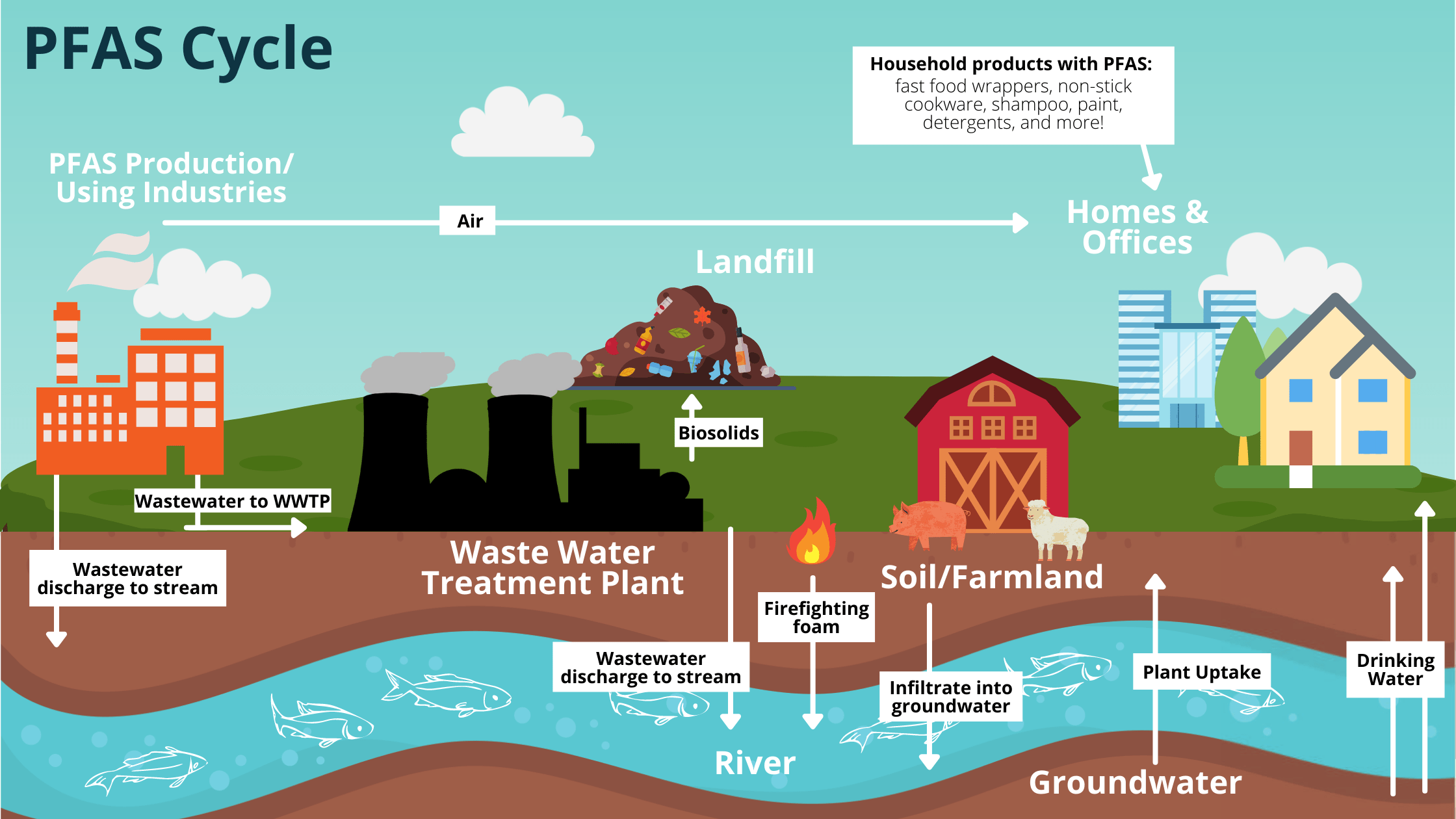
The defining characteristic of forever chemicals is their molecular bond strength, which renders them virtually indestructible. In the world of finance, this persistence translates into long-term, non-depreciating liabilities. Unlike traditional environmental clean-up costs that have a projected end date, the financial burden associated with PFAS remains on balance sheets for decades.
Exposure Across Asset Classes
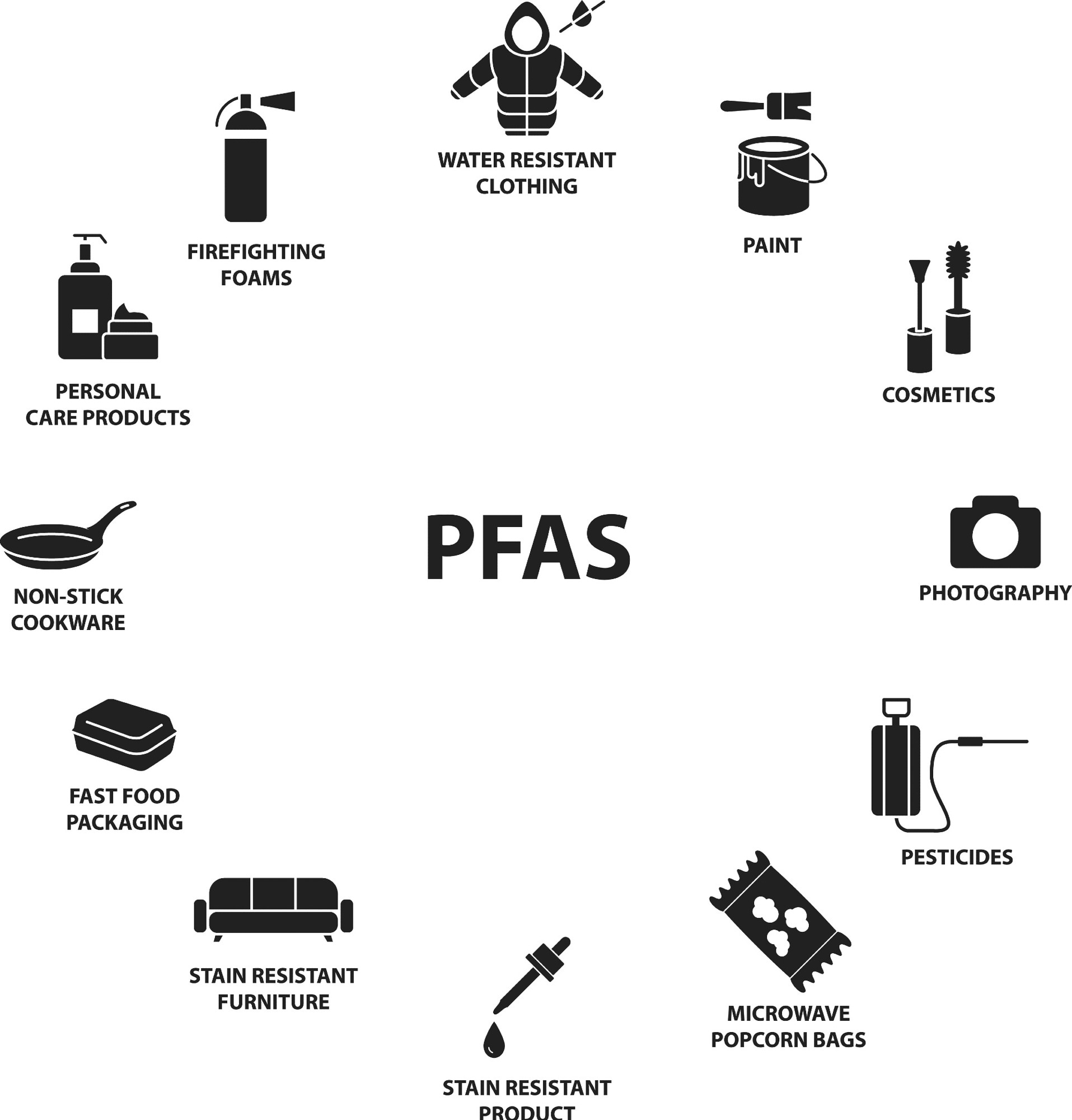
Investors are increasingly uncovering PFAS exposure in sectors previously thought to be “clean.” From consumer goods and food packaging to textile manufacturing and semiconductor fabrication, the prevalence of these chemicals is widespread. When a company is linked to PFAS contamination, the financial impact manifests in several ways:
- Litigation Costs: Massive class-action lawsuits have already led to multi-billion dollar settlements, forcing companies to divert capital from R&D and dividends toward legal defense funds.
- Regulatory Fines: As the EPA and international regulatory bodies tighten drinking water standards and waste disposal protocols, non-compliance penalties are scaling aggressively.
- Asset Devaluation: Facilities identified as contamination sites suffer immediate declines in real estate value, and their remediation requirements can outweigh the intrinsic value of the property.
The Cost of Remediation and Capital Allocation
For corporations, “forever” implies a permanent drain on liquidity. Traditional capital allocation strategies, which prioritize growth and shareholder returns, are being interrupted by the need for massive provisions for long-term environmental remediation. Institutional investors are now scrutinizing the “contingent liability” sections of balance sheets with renewed rigor, discounting stocks that appear to lack sufficient reserves to address potential legacy contamination.
ESG Investing and the PFAS Risk Premium
In the realm of Environmental, Social, and Governance (ESG) investing, PFAS has become the new litmus test for corporate responsibility. The integration of PFAS risk assessment into financial modeling is fundamentally altering how capital is deployed.
Redefining Risk-Adjusted Returns
Portfolio managers are now assigning a “PFAS Risk Premium” to companies with high-exposure manufacturing profiles. If a company fails to provide transparent reporting on its supply chain—specifically regarding the sourcing of fluorinated substances—it is increasingly being viewed as a speculative bet. This shift in sentiment is driving a reallocation of capital away from traditional manufacturing stalwarts toward firms that have pioneered “PFAS-free” alternatives.
The Rise of Transparent Supply Chains
Investors are demanding higher levels of visibility. Companies that proactively audit their supply chains and phase out PFAS compounds are signaling superior risk management capabilities. This transparency is no longer just a regulatory requirement; it is a competitive advantage that can reduce the cost of capital. Firms that demonstrate a clear transition path to safer alternatives are often rewarded with better credit ratings and more favorable insurance premiums, directly impacting their bottom line.
Market Disruptions and the Shift in Business Models

The global economy is undergoing a structural shift as the move to eliminate forever chemicals triggers innovation in materials science and manufacturing. This transition presents both significant threats and lucrative opportunities for savvy business leaders and investors.
Innovation as a Financial Hedge
The high cost of PFAS-related liabilities has catalyzed a boom in R&D investment. Businesses that prioritize the development of non-toxic, biodegradable substitutes are positioning themselves as the new market leaders. From a financial perspective, this represents a “first-mover advantage.” Companies that successfully patent and scale safer alternatives are not only mitigating their own liability risk but are also creating new, high-margin revenue streams by licensing these technologies to industries desperate to divest from traditional PFAS.
Insurance and the Reinsurance Crisis
The insurance industry is currently recalibrating its risk models to account for the unique, long-term nature of PFAS claims. As insurers begin to exclude PFAS-related damages from standard commercial general liability policies, businesses are facing a “coverage gap.” This creates a new niche in the financial services sector: the development of bespoke environmental insurance products. Corporations that cannot secure adequate protection are finding their balance sheets more vulnerable, forcing them to hold larger cash buffers, which in turn reduces capital efficiency.
Corporate Governance and Future-Proofing Assets
For boards of directors and executive leadership, forever chemicals represent a fundamental test of fiduciary duty. Failing to anticipate the trajectory of global PFAS regulation is no longer merely an operational oversight; it is an existential threat to shareholder value.
Strategic Audits and Liability Projections
Modern corporate strategy must now include comprehensive “chemical legacy audits.” These audits go beyond traditional legal compliance. They involve identifying the chemical footprint of products sold decades ago—as these represent the bulk of current litigation threats—and calculating the net present value (NPV) of potential future remediation costs. Boards that ignore these figures are failing to provide an accurate picture of the firm’s true financial health.
Divestiture and M&A Strategy
The impact of PFAS is also reshaping Mergers and Acquisitions (M&A). “Due diligence” today requires a deep dive into historical environmental data that was once considered peripheral. Buyers are increasingly employing “PFAS-cleansing” clauses, where sellers must indemnify the buyer against any future contamination claims. In some cases, the potential cost of remediation is so high that it renders potential acquisitions unviable, cooling M&A activity in chemical-heavy sectors and forcing companies to rethink their growth strategies through the lens of environmental liability.
Conclusion: Navigating the Financial Lifecycle of PFAS
The phenomenon of forever chemicals is not merely an environmental crisis; it is a financial reality that reshapes the mechanics of markets. For the investor, it dictates the valuation of stocks and bonds. For the corporate leader, it dictates the survival of the business model.
As regulatory agencies continue to lower the thresholds for “safe” levels of these chemicals, the financial burden on the private sector will only grow. Those who treat PFAS as a peripheral issue will likely find themselves on the wrong side of the market shift. Conversely, those who proactively integrate the financial risk of persistent compounds into their valuation models, capital allocation strategies, and supply chain management will navigate this transition with resilience.
Understanding what a forever chemical is, in financial terms, means recognizing that the cost of persistence is compounding. Whether through the lens of litigation risk, the necessity of capital reserves, or the potential for innovative growth in replacement technologies, the financial world must reckon with the fact that these chemicals—and their economic impact—are here to stay. The successful businesses of the next decade will be those that have effectively decoupled their profitability from the use of persistent synthetic compounds, demonstrating that clean balance sheets are just as vital as a clean environment.
aViewFromTheCave is a participant in the Amazon Services LLC Associates Program, an affiliate advertising program designed to provide a means for sites to earn advertising fees by advertising and linking to Amazon.com. Amazon, the Amazon logo, AmazonSupply, and the AmazonSupply logo are trademarks of Amazon.com, Inc. or its affiliates. As an Amazon Associate we earn affiliate commissions from qualifying purchases.