
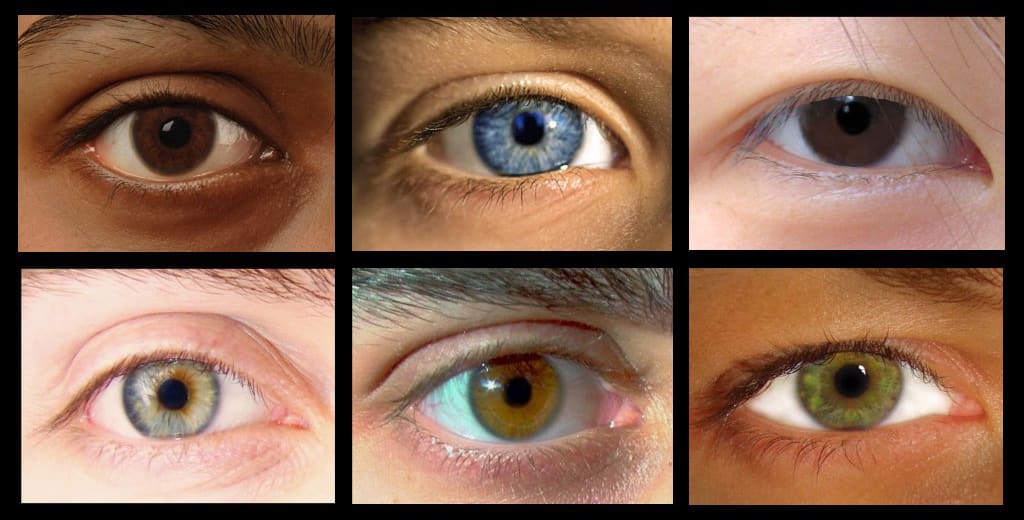
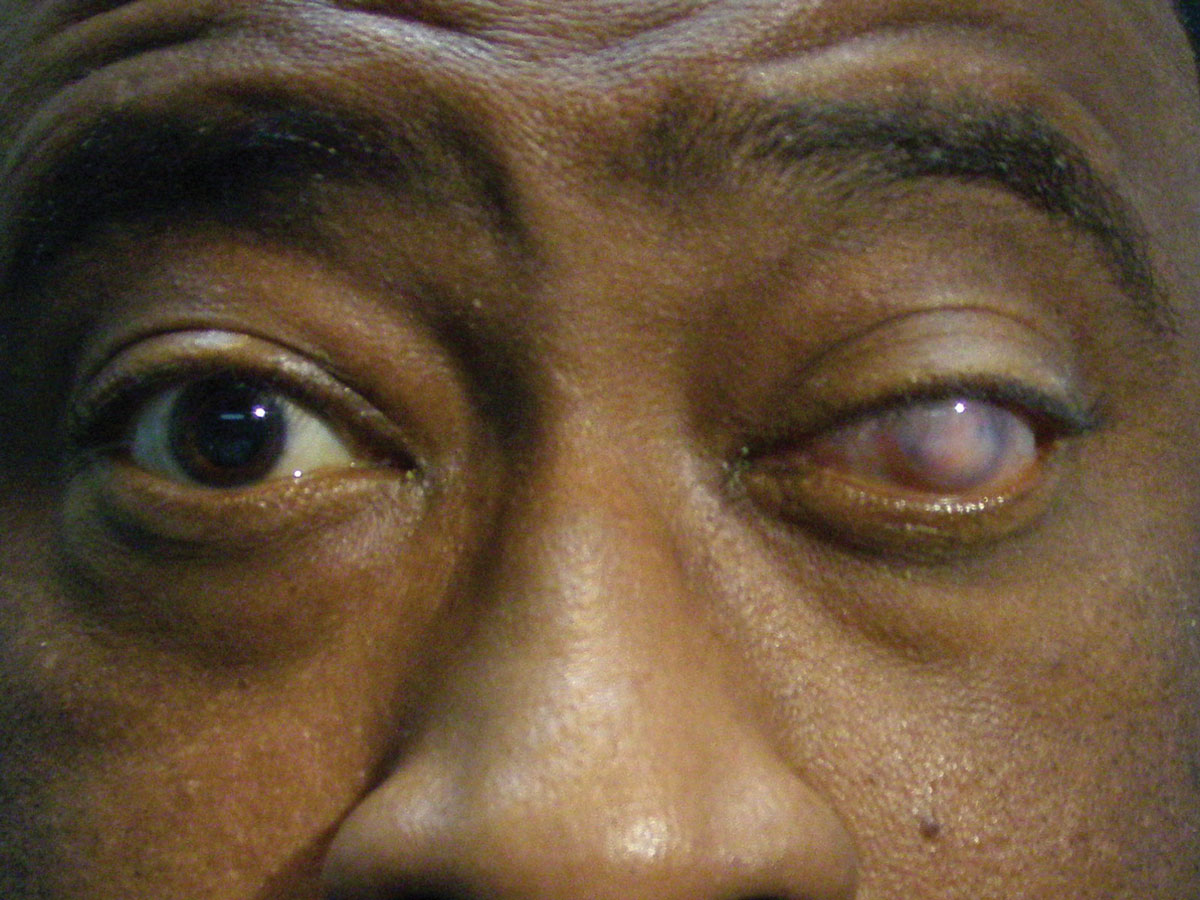
The concept of “what blind eyes look like” is often approached from a purely biological or aesthetic perspective. However, in the modern era, this question has shifted from the realm of clinical observation to the frontier of high-technology. To understand blindness today is to understand how technology interprets, assists, and even attempts to bypass the biological limitations of the human eye. From advanced diagnostic imaging that visualizes the internal structures of a non-functioning eye to the sophisticated artificial intelligence that “sees” for the user, the intersection of technology and vision impairment is redefining the experience of the sightless.

Visualizing the Condition: How Advanced Tech Diagnoses Blindness
To understand what a blind eye looks like from a technological standpoint, we must look beyond the surface. For a clinician or a biomedical engineer, the “look” of a blind eye is defined by high-resolution data sets and cross-sectional scans.
Optical Coherence Tomography (OCT)
The gold standard in visualizing the mechanics of blindness is Optical Coherence Tomography (OCT). This non-invasive imaging technology uses light waves to take cross-section pictures of the retina. To a technician, a blind eye might “look” like a thinning of the retinal nerve fiber layer or a complete atrophy of the macula. These 3D renderings allow developers of bionic vision to see exactly where the biological hardware has failed, mapping out the terrain for potential technological intervention.
Fundus Photography and AI Diagnostics
Digital fundus photography captures the back of the eye in high definition. Today, these images are fed into deep-learning algorithms. AI tools can now identify patterns of diabetic retinopathy or glaucoma—the leading causes of blindness—long before a human eye would notice a physical change. In this context, blindness “looks” like a series of pixels and heat maps indicating vascular leakage or optic nerve cupping. This predictive technology is the first line of defense in preventing the progression from impaired vision to total blindness.
Translating the Visual World: AI and Computer Vision
For an individual with total blindness, the question of what eyes look like is replaced by how technology perceives the environment. We are currently witnessing a revolution in computer vision where mobile devices and wearable hardware act as synthetic eyes.
The Role of Large Language Models (LLMs) in Scene Description
With the advent of multimodal AI, such as GPT-4o and specialized tools like “Seeing AI” by Microsoft, the “vision” of the blind has become a descriptive, auditory experience. When a user points a smartphone camera at a room, the AI processes the visual data and translates it into a detailed linguistic map. In this ecosystem, a blind eye “looks” like a data stream. The AI identifies obstacles, recognizes faces, and even interprets the emotional context of a scene, delivering a real-time narrative to the user via bone-conduction headphones.
LiDAR and Spatial Awareness
Modern gadgets, particularly high-end smartphones and tablets, are now equipped with LiDAR (Light Detection and Ranging) sensors. Originally developed for autonomous vehicles, LiDAR allows a device to build a precise 3D map of its surroundings. For a person who is blind, this technology “looks” like a series of haptic vibrations or spatial audio cues. As they move through a space, the LiDAR sensor detects furniture, doorways, and other people, providing a digital “vision” that is far more accurate than the traditional white cane.
Bionic Sight: Engineering the “Look” of Vision
Perhaps the most literal answer to what blind eyes look like in the tech world is found in the field of retinal implants and cortical stimulation. This is where biology and silicon meet to restore a rudimentary form of sight.
Retinal Implants and the Argus II
Systems like the Argus II involve a complex array of hardware: a camera mounted on a pair of glasses, a processing unit worn on the hip, and an electrode array implanted directly onto the retina. For a user of this technology, the world does not look like high-definition video. Instead, it “looks” like phosphenes—flashes of light that represent edges and movement. To the outside observer, the “blind eye” now looks like a sophisticated piece of bio-electronic engineering, with a microchip visible through the pupil.
Cortical Visual Prosthetics
For those whose optic nerves are entirely damaged, tech companies are moving toward cortical implants. These devices bypass the eyes entirely and send signals directly to the visual cortex of the brain. In this scenario, “sight” is divorced from the eyes. The hardware consists of a neural interface that translates camera data into electrical pulses that the brain interprets as visual information. This is the pinnacle of the “tech-eye” evolution, where the physical appearance of the eye becomes irrelevant to the functional capacity of the user to perceive light and shape.
The Digital Architecture of Blindness: UX/UI Design
In the digital realm, “what blind eyes look like” is defined by how a website or an application is coded. For a screen reader, a visual element that lacks “Alt Text” is invisible. Therefore, the “look” of a blind-accessible digital landscape is one of deep semantic structure.
Screen Readers and Refreshable Braille Displays
A screen reader like JAWS or VoiceOver does not see the colors or fonts of a website. It sees the Document Object Model (DOM). For a blind user, a well-designed interface “looks” like a logical hierarchy of headers, buttons, and links. Tech developers are increasingly using ARIA (Accessible Rich Internet Applications) labels to ensure that the “eyes” of the software can interpret complex dynamic content.
Furthermore, hardware like refreshable Braille displays allows this digital data to be physically felt. These gadgets use small pins that pop up to represent Braille characters, translating the visual UI into a tactile experience. In the tech industry, branding for accessibility means ensuring that the “look” of a product is as functional for a person using a Braille display as it is for someone using a 4K monitor.
The Rise of Haptic Feedback Systems
As we move away from purely auditory feedback, haptics are becoming the “eyes” for many users. Wearable technology, such as haptic vests or smart belts, uses ultrasonic sensors to detect objects and communicates their proximity through varying intensities of vibration. To the tech-augmented user, a clear path “looks” like a steady, calm pulse, while a looming obstacle “looks” like a sharp, rapid vibration. This sensory substitution is a key area of growth in wearable tech, providing a non-verbal, non-visual way to navigate the physical world.
Future Horizons: From Neural Interfaces to Predictive Tech
As we look toward the next decade, the technology surrounding blindness is set to move from “assistive” to “integrative.” We are entering an era where the distinction between biological sight and technological perception is increasingly blurred.
Brain-Computer Interfaces (BCI)
Companies like Neuralink and various academic research labs are working on high-bandwidth brain-computer interfaces. These devices aim to create a direct link between digital cameras and the human brain. If successful, this would fundamentally change the definition of blindness. The “blind eye” would essentially become a port for a digital input, allowing for a resolution of sight that could potentially exceed human biological limits, incorporating infrared or ultraviolet spectrums.
AI-Powered Predictive Mobility
The future of navigation for the blind lies in edge computing and 5G connectivity. Imagine a world where “blind eyes” are linked to the Internet of Things (IoT). As a user walks down a city street, their smart glasses communicate with traffic lights, public transit sensors, and even the smartphones of other pedestrians. This creates a “predictive vision” where the user is alerted to a bus arriving two blocks away or a sidewalk closure before they even reach the corner. In this high-tech future, blindness “looks” like a perfectly synchronized dance with the urban environment, powered by real-time data.
The question of “what does blind eyes look like” is no longer a simple inquiry about physical appearance. In the context of technology, it is a gateway into a world of sensors, data streams, neural interfaces, and inclusive design. Technology is not just a tool for the blind; it is becoming a new way of seeing, transforming a biological absence into a digital presence. Through the lens of innovation, the experience of blindness is being rewritten as a frontier of human-machine integration, where the “eyes” are made of silicon, code, and light.
aViewFromTheCave is a participant in the Amazon Services LLC Associates Program, an affiliate advertising program designed to provide a means for sites to earn advertising fees by advertising and linking to Amazon.com. Amazon, the Amazon logo, AmazonSupply, and the AmazonSupply logo are trademarks of Amazon.com, Inc. or its affiliates. As an Amazon Associate we earn affiliate commissions from qualifying purchases.