
Food poisoning, a common yet often debilitating ailment, can strike at any time, turning a pleasant meal into a miserable experience. While the fundamental causes and symptoms of food poisoning remain consistent, the way we approach information about it, and even how we prevent it, is increasingly influenced by technology. This article delves into the core aspects of food poisoning, from recognizing its symptoms to understanding its origins and implementing effective preventive measures, all through the lens of our modern, digitally-driven world.
The Hallmarks of Food Poisoning: Recognizing the Symptoms
The symptoms of food poisoning can manifest with varying degrees of severity and onset times, depending on the specific pathogen involved. However, a cluster of common indicators often signals that something has gone awry with the food consumed. Understanding these signs is the first crucial step in addressing the issue promptly and seeking appropriate care.
Common Gastrointestinal Distress
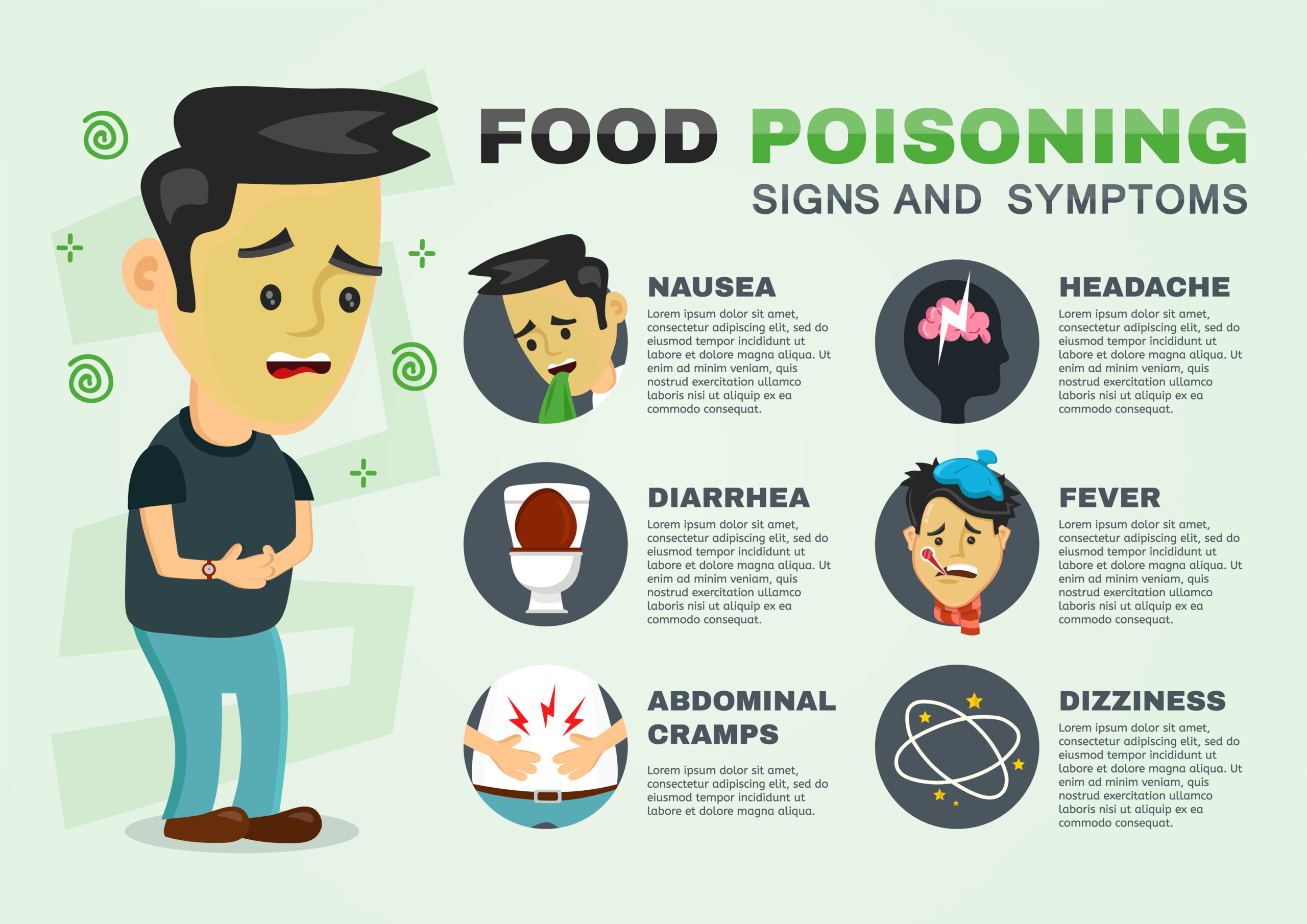
The most prevalent symptoms of food poisoning revolve around the gastrointestinal system. These are the body’s immediate reactions to ingested toxins or pathogens.
Nausea and Vomiting
Nausea, the unpleasant sensation of feeling like you might vomit, is a hallmark of food poisoning. It’s often the precursor to actual vomiting, which is the body’s way of expelling the offending substance. Vomiting can be forceful and frequent, leading to dehydration if not managed. The onset can be as rapid as a few hours after consuming contaminated food, or it might take a day or two.
Diarrhea
Diarrhea, characterized by loose, watery stools, is another extremely common symptom. This symptom can range from mild and occasional to severe and persistent, leading to significant fluid loss. The frequency and consistency of the diarrhea can offer clues about the underlying cause. For instance, watery diarrhea might be indicative of viral infections, while bloody diarrhea could signal bacterial infections.
Abdominal Pain and Cramps
Sharp, sudden, or persistent abdominal pain and cramping are almost universally experienced by those suffering from food poisoning. These sensations are often a result of the body trying to expel the pathogen or toxin from the digestive tract. The pain can be localized to specific areas of the abdomen or generalized.
Beyond the Gut: Systemic Symptoms
While gastrointestinal issues are central, food poisoning can also trigger a broader range of bodily reactions.
Fever
A low-grade or high fever can accompany food poisoning as the body’s immune system fights off the invading pathogens. The presence of fever often indicates a more significant infection.
Headache
Headaches are a common complaint during food poisoning, often attributed to dehydration, inflammation, or the body’s overall stress response to illness.
Muscle Aches and Weakness
General feelings of fatigue, muscle aches, and overall weakness can also be experienced. This is the body diverting energy to combat the infection and repair damage.
Chills
The sensation of feeling cold, even in a warm environment, often accompanied by shivering, can be another sign of the body’s immune response, particularly in cases involving fever.
Recognizing the Urgency: When to Seek Medical Attention
While most cases of food poisoning resolve on their own within a few days, certain symptoms warrant immediate medical attention. These are often indicators of severe dehydration, complications, or particularly dangerous pathogens.
Severe Dehydration
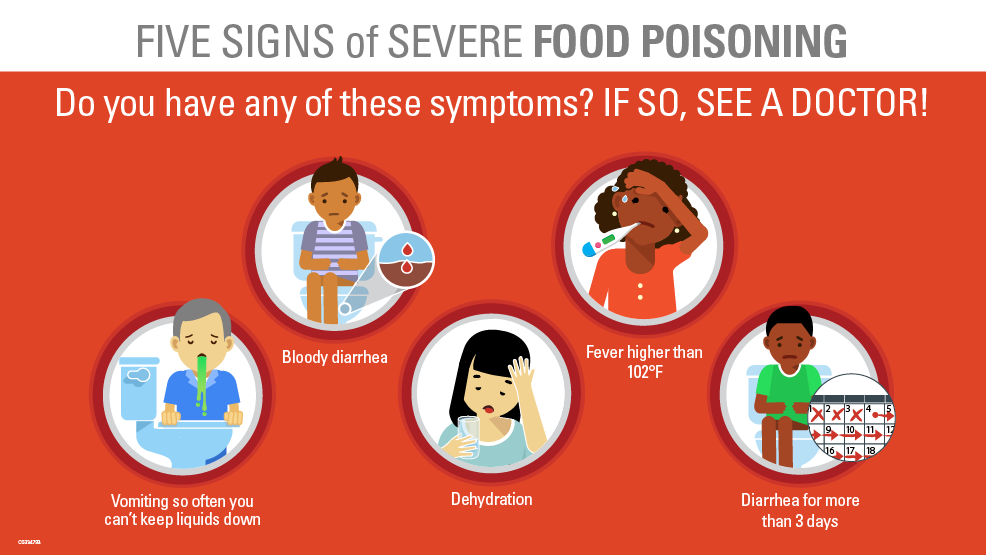
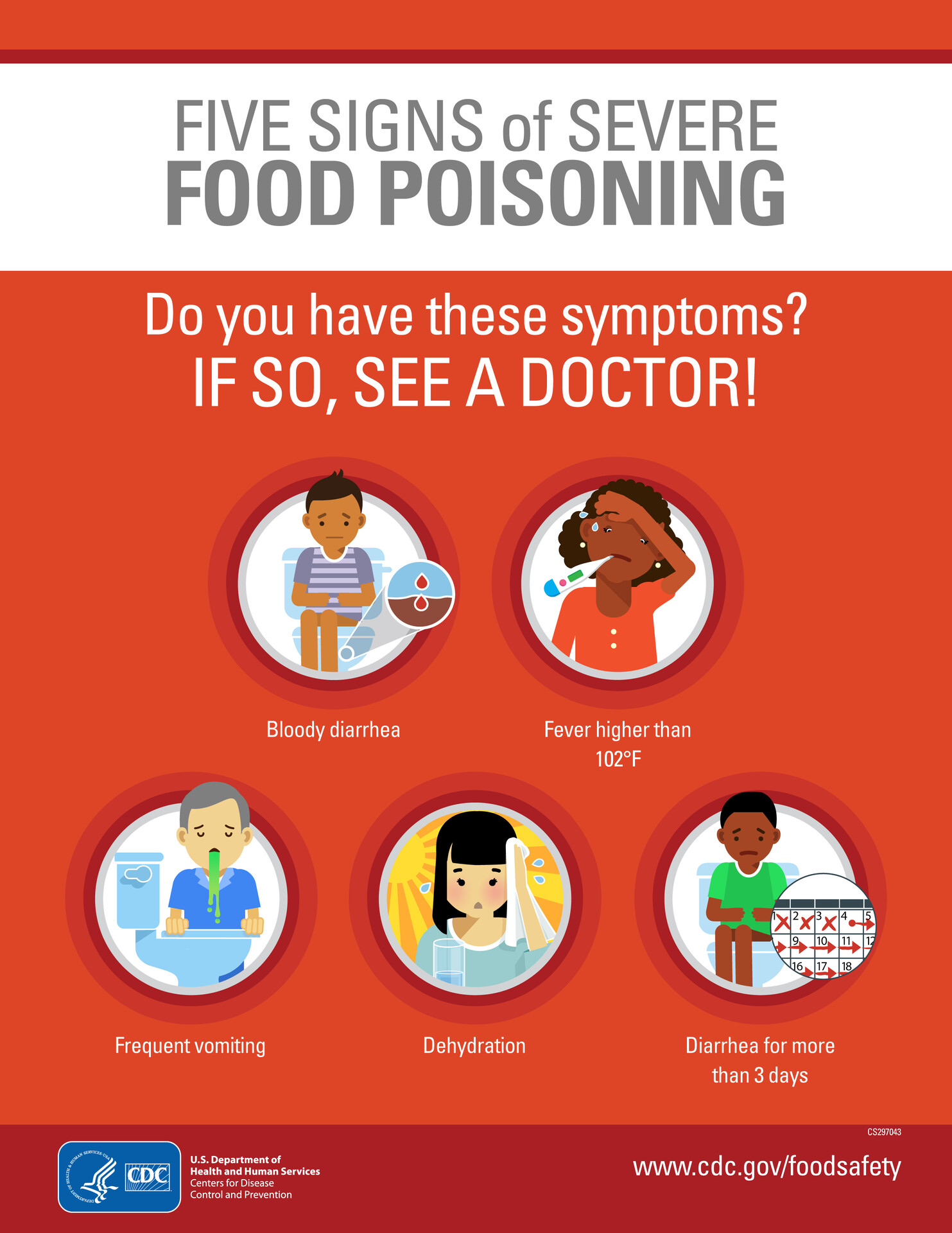
Signs of severe dehydration include extreme thirst, dry mouth, decreased urination, dizziness, lightheadedness, and rapid heartbeat. Children and the elderly are particularly vulnerable to dehydration.
Bloody Stools or Vomit
The presence of blood in stools or vomit is a serious sign and requires immediate medical evaluation. It can indicate damage to the intestinal lining or a more severe infection.
High Fever
A persistent high fever, especially above 102°F (39°C), can be a sign of a serious infection and should be checked by a doctor.
Persistent Vomiting and Inability to Keep Fluids Down
If vomiting is so frequent that you cannot retain any fluids, even small sips, you are at high risk of dehydration and need medical intervention.
Neurological Symptoms
In rare but serious cases, food poisoning can lead to neurological symptoms like blurred vision, muscle weakness, tingling sensations, or difficulty speaking. These require immediate emergency care.
The Root of the Problem: Common Causes of Food Poisoning
Food poisoning, also known as foodborne illness, is primarily caused by consuming food or beverages contaminated with harmful microorganisms (bacteria, viruses, parasites) or their toxins. Understanding these sources is key to effective prevention.
Bacterial Culprits
Bacteria are the most frequent culprits behind food poisoning. Several common types are notorious for their ability to contaminate food.
Salmonella
Commonly found in raw or undercooked poultry, eggs, and unpasteurized milk, Salmonella can cause fever, diarrhea, and abdominal cramps.
E. coli (Escherichia coli)
Certain strains of E. coli, particularly E. coli O157:H7, are found in undercooked ground beef, unpasteurized milk and juices, and contaminated water. It can lead to severe abdominal cramps, bloody diarrhea, and vomiting.
Listeria monocytogenes
Listeria can be found in soft cheeses, deli meats, and unpasteurized milk. It poses a particular risk to pregnant women, newborns, the elderly, and those with weakened immune systems, potentially causing severe illness.
Staphylococcus aureus
This bacterium produces toxins that can survive cooking. It’s often found on improperly handled foods, such as salads, pastries, and sandwiches, and causes rapid onset of nausea, vomiting, and stomach cramps.
Viral Intruders
Viruses are also significant contributors to foodborne illnesses.
Norovirus
Often dubbed the “stomach flu,” norovirus is highly contagious and spreads easily through contaminated food, water, or surfaces. It’s a common cause of outbreaks on cruise ships and in other close-quarters settings.
Hepatitis A
This virus can contaminate food and water, particularly raw or undercooked shellfish and produce handled by an infected person. It affects the liver and can cause jaundice, fatigue, and abdominal pain.
Parasitic Threats
While less common in many developed countries, parasitic infections from food can still occur.
Toxoplasma gondii
This parasite can be found in undercooked meat and contaminated cat feces. It’s a particular concern for pregnant women due to the risk of congenital toxoplasmosis.
Giardia
This parasite is often spread through contaminated water and can also contaminate food. It causes diarrhea, abdominal cramps, and bloating.
The Role of Food Handling and Preparation
Beyond the specific pathogens, lapses in proper food handling and preparation are prime opportunities for contamination to occur.
Cross-Contamination
This happens when harmful bacteria or viruses are transferred from one food or surface to another. For example, using the same cutting board for raw chicken and then for salad without proper cleaning.
Inadequate Cooking and Reheating
Insufficient cooking temperatures fail to kill harmful microorganisms. Similarly, reheating leftovers to a safe temperature is crucial to eliminate any bacteria that may have multiplied during storage.
Improper Storage
Leaving perishable foods at room temperature for extended periods allows bacteria to multiply rapidly. Refrigerating foods promptly and at the correct temperature is essential.
Poor Personal Hygiene
Food handlers who do not wash their hands thoroughly after using the restroom or handling raw meat can easily spread pathogens to the food they prepare.
Navigating Food Safety in the Digital Landscape: Prevention and Technology
In today’s interconnected world, technology offers powerful tools not only for understanding food poisoning but also for preventing it. From accessing reliable information to utilizing smart kitchen gadgets, our approach to food safety is evolving.
Leveraging Digital Resources for Information and Awareness
The internet provides an unparalleled resource for understanding food poisoning. Reliable sources of information are critical for making informed decisions about food safety.
Health Organizations and Government Websites
Websites of national and international health organizations (e.g., WHO, CDC, FDA) and government food safety agencies offer evidence-based information on foodborne illnesses, symptoms, causes, and prevention guidelines. This is often the most trustworthy starting point for research.
Reputable Health Blogs and Publications
Many well-regarded health publications and blogs maintain sections dedicated to food safety. However, it’s important to critically evaluate the source and look for qualifications and evidence-based content.
Social Media and Forums: A Double-Edged Sword
While social media can be a platform for sharing personal experiences and raising awareness, it’s also a breeding ground for misinformation. It’s crucial to approach anecdotal evidence with skepticism and always cross-reference information with credible sources.
Technological Advancements in the Kitchen
Smart technology is increasingly making its way into our kitchens, offering innovative solutions for food safety.
Smart Thermometers
Digital and smart thermometers allow for precise temperature readings of food, ensuring that meats are cooked to safe internal temperatures. Some even connect to apps that provide guidance on safe cooking times and temperatures for various foods.
Food Storage Apps and Reminders
Apps can help track the shelf life of foods in your refrigerator and pantry, sending reminders when items are approaching their expiration dates or when specific leftovers should be consumed.
Smart Refrigerators
Future iterations of smart refrigerators may incorporate sensors to monitor food freshness, detect spoilage, and even suggest recipes based on available ingredients nearing their optimal consumption window.
Digital Tools for Brand and Business Food Safety
For businesses in the food industry, digital tools are revolutionizing how they ensure food safety and maintain consumer trust.
Supply Chain Transparency Platforms
Blockchain technology and other digital platforms are enabling greater transparency in food supply chains. This allows businesses and consumers to track the origin of food products, identify potential contamination points, and respond quickly to recalls.
AI-Powered Quality Control
Artificial intelligence is being used to analyze vast amounts of data from food production and processing, identifying anomalies and predicting potential safety risks before they manifest. This can involve analyzing images of produce for defects or monitoring processing parameters.
Digital Record Keeping and Compliance Software
For restaurants and food manufacturers, digital systems streamline the management of food safety logs, temperature monitoring, staff training records, and compliance with regulatory requirements. This ensures accountability and facilitates audits.
Personal Branding and Food Safety: Building Trust
For individuals who share their culinary creations or food-related advice online, maintaining a strong personal brand is intertwined with demonstrating a commitment to food safety.
Transparent Sourcing and Preparation
When sharing recipes or food reviews, being transparent about the source of ingredients and the preparation methods used builds trust. Highlighting safe handling practices adds credibility.
Educating Your Audience
If you have a platform, subtly integrating food safety tips into your content can educate your followers and reinforce your reputation as a responsible creator. This could involve short posts or mentions in videos about proper thawing techniques or the importance of washing produce.
Handling Food Poisoning Incidents with Integrity
If your platform faces a situation where a follower reports experiencing food poisoning after consuming a recipe you shared, a swift, empathetic, and transparent response is crucial. Acknowledge the concern, investigate the potential cause, and offer solutions. This demonstrates a commitment to your audience’s well-being and protects your brand reputation.
By understanding the symptoms, causes, and embracing the technological advancements that aid in prevention, we can navigate the risks associated with food poisoning more effectively, ensuring safer and more enjoyable eating experiences in our increasingly digital world.
aViewFromTheCave is a participant in the Amazon Services LLC Associates Program, an affiliate advertising program designed to provide a means for sites to earn advertising fees by advertising and linking to Amazon.com. Amazon, the Amazon logo, AmazonSupply, and the AmazonSupply logo are trademarks of Amazon.com, Inc. or its affiliates. As an Amazon Associate we earn affiliate commissions from qualifying purchases.