
Motorbike helmets are not merely an accessory; they are the single most critical piece of safety equipment a rider can own. The quest for the “best” helmet is, therefore, a deeply personal one, influenced by individual riding styles, budget, and paramountly, safety. However, beneath the surface of aesthetics and comfort lies a complex world of technological advancements, material science, and design innovations that directly impact a helmet’s protective capabilities. This article delves into the technological aspects that define a superior motorbike helmet, helping riders make informed decisions by understanding the engineering and innovation that go into protecting their most vital asset.

The Foundation of Protection: Shell Materials and Construction
The outer shell of a motorbike helmet is the first line of defense against impact. Its design and the materials used are paramount in absorbing and dissipating the forces of a crash. Modern helmet manufacturers employ a range of advanced materials and construction techniques to optimize this crucial function, balancing strength, weight, and cost.
Advanced Composite Materials
Gone are the days when helmets were solely made of basic plastics. Today, the leading helmets utilize sophisticated composite materials. These are typically layers of different materials bonded together to achieve superior performance characteristics.
-
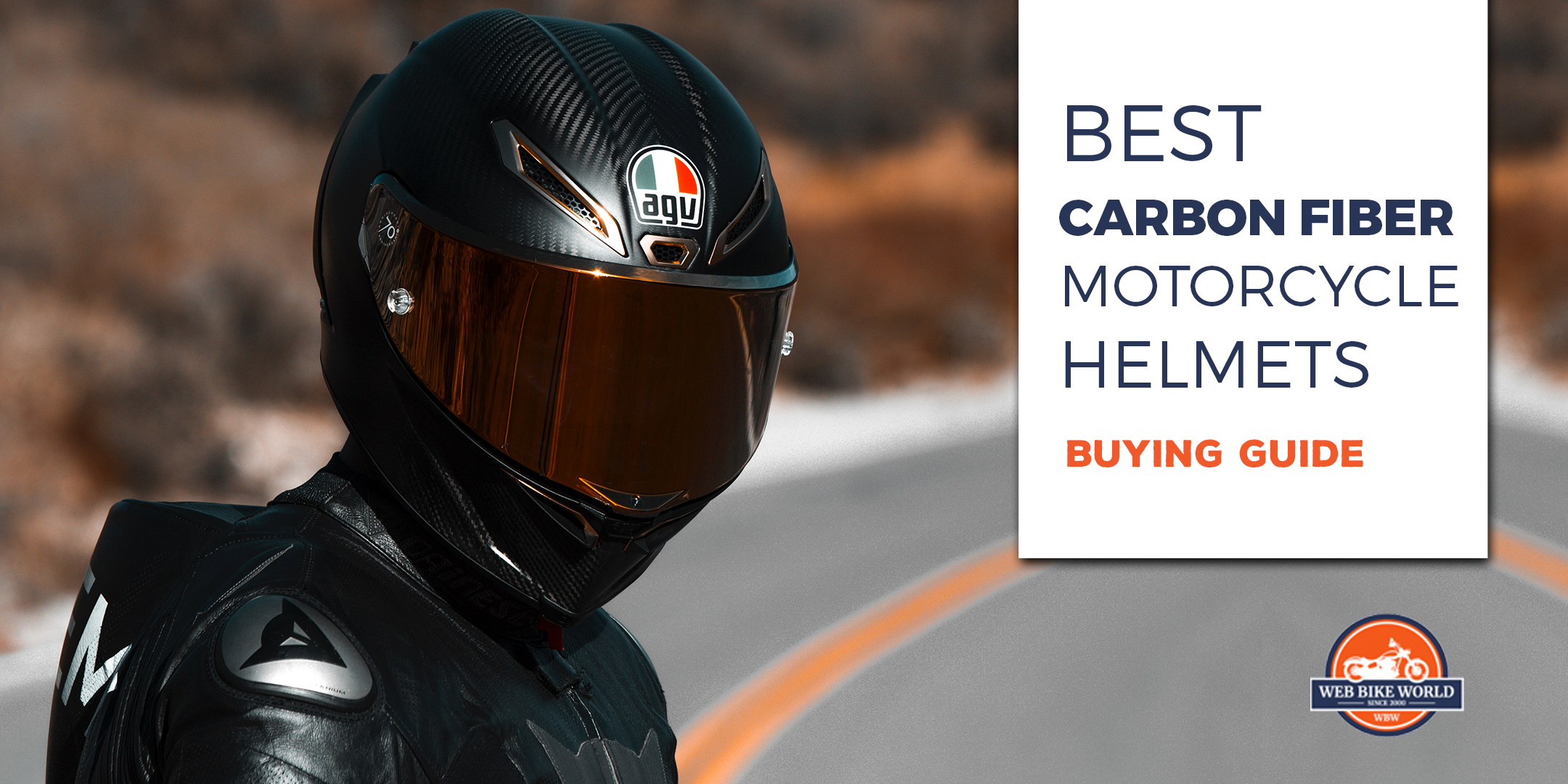
Carbon Fiber: Renowned for its exceptional strength-to-weight ratio, carbon fiber is a premium material in helmet construction. It’s incredibly strong, meaning it can withstand significant impact forces, and it’s very lightweight, which reduces neck fatigue on long rides. The weaving patterns of carbon fiber can be manipulated to enhance specific areas of the helmet for increased rigidity or flexibility. Helmets made with a significant amount of carbon fiber often carry a higher price tag, but the performance benefits are undeniable for riders prioritizing weight savings and maximum protection.
-
Aramid Fibers (e.g., Kevlar): Often used in conjunction with carbon fiber or fiberglass, aramid fibers provide exceptional tensile strength and abrasion resistance. Kevlar, a well-known brand of aramid fiber, is also used in bulletproof vests, highlighting its resilience. In helmets, it helps to prevent penetration and distribute impact forces across a wider area.
-
Fiberglass: A more traditional and cost-effective composite material, fiberglass still offers excellent impact protection. It’s created by weaving glass fibers into a fabric and then impregnating it with resin. While generally heavier than carbon fiber, it remains a robust and reliable material for many helmets, offering a good balance of performance and affordability.
-
Polycarbonate: This thermoplastic polymer is commonly used in more budget-friendly helmets. It’s molded rather than layered, making production more efficient. Polycarbonate offers good impact absorption and is relatively lightweight. While it might not offer the same ultimate strength or lightness as advanced composites, it still meets stringent safety standards and provides reliable protection for a wide range of riders.
Multi-Density EPS Liners
Beneath the hard outer shell lies the Expanded Polystyrene (EPS) liner, another critical component in impact absorption. The effectiveness of the EPS liner is not just about its thickness; it’s increasingly about its density and how it’s engineered to manage different impact energies.
-
Single-Density EPS: Historically, most helmets featured a single-density EPS liner. While effective, this design struggles to optimally manage a wide spectrum of impact forces. A single density may be too soft for high-energy impacts or too rigid for low-energy ones, leading to less efficient energy dissipation.
-
Multi-Density EPS: Modern high-performance helmets often employ EPS liners with multiple densities of foam. This means areas of the liner are made of softer foam to absorb lower-energy impacts (like those from vibrations or minor bumps), while other areas use denser foam to manage the higher forces of a significant crash. This sophisticated approach allows the helmet to deform progressively and absorb energy more effectively across a range of impact scenarios, providing a higher level of protection. Some manufacturers even use rotational impact management systems, like MIPS (Multi-directional Impact Protection System), which are often integrated within or alongside the EPS liner.
Shell Construction Techniques
The way the shell is manufactured also plays a significant role.
-
Injection Molding: Commonly used for polycarbonate helmets, this process involves injecting molten plastic into a mold. It’s efficient and cost-effective.
-
Hand-Laying and Vacuum Bagging: For composite helmets (carbon fiber, fiberglass, aramid), layers of material are meticulously hand-laid into a mold. The vacuum bagging process then removes excess air and resin, creating a denser, stronger, and lighter shell. This labor-intensive process contributes to the higher cost of premium composite helmets.
Revolutionizing Impact Management: Advanced Safety Systems
Beyond the fundamental shell and liner, innovative technologies are being integrated into helmets to further enhance rider safety, particularly by addressing rotational forces that can cause serious brain injuries.
Rotational Impact Protection Systems
Rotational forces are a significant concern in motorcycle accidents. When a helmet impacts a surface at an angle, the head can be subjected to rotational acceleration, which can lead to severe brain trauma. Several technologies have emerged to mitigate this risk.
-
MIPS (Multi-directional Impact Protection System): MIPS is perhaps the most widely recognized rotational impact system. It consists of a low-friction layer that sits between the helmet liner and the rider’s head. This layer allows the helmet to slide or rotate independently of the head during an angled impact, redirecting rotational energy and reducing the forces transmitted to the brain. Many leading helmet manufacturers now offer MIPS-equipped models across their ranges.
-
SPIN (Shear-Responsive Inner Protection): Developed by POC, SPIN is another system designed to address rotational impacts. It uses a patent-pending technology that allows the helmet liner to rotate relative to the head during an angled impact. This is achieved through the use of small, internal pads that shear or rotate, similar to how the body’s own soft tissues can absorb some rotational forces.
-
WaveCel: Bontrager’s WaveCel technology is a collapsible cellular structure lining the inside of the helmet. In an impact, the WaveCel material can crumple and flex in multiple directions, absorbing energy from both direct and rotational forces. This honeycomb-like structure is designed to be significantly more effective at reducing the risk of concussion from typical cycling and motorcycle impacts compared to standard EPS foam alone.
Emergency Release Systems
For professional riders and emergency services, the ability to safely remove a helmet from an injured rider is crucial. Emergency release systems are designed to facilitate this.
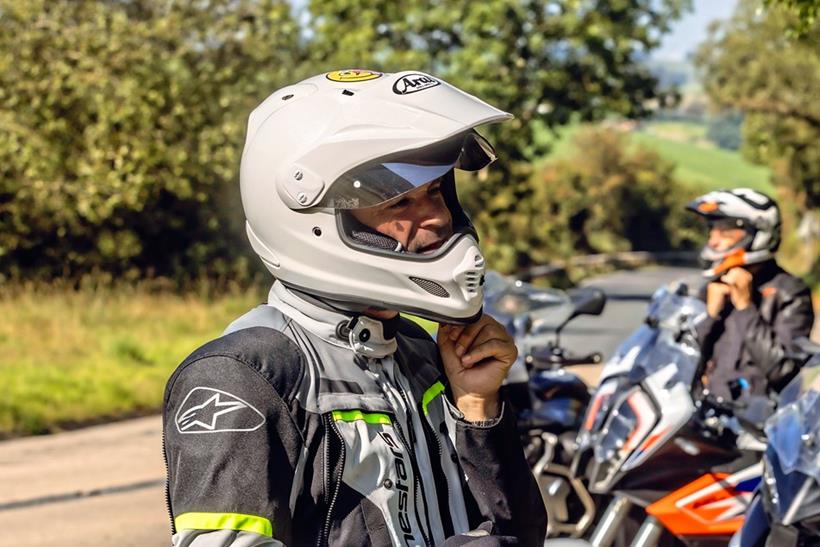
- Cheek Pad Release Systems: Many high-end helmets feature cheek pads that can be quickly and easily removed by emergency personnel. This allows the helmet to be carefully slid off the rider’s head without causing further spinal injury, a critical consideration for paramedics. Brands like Schuberth, Arai, and Shoei often include sophisticated versions of this system.
Beyond Protection: Comfort, Aerodynamics, and Smart Features
While safety is the primary concern, the “best” helmets also excel in areas that enhance the riding experience. Technology plays a crucial role in improving comfort, reducing fatigue, and even adding advanced functionalities.
Aerodynamics and Ventilation
A well-designed helmet minimizes wind noise and drag, contributing to rider comfort and reducing fatigue. Aerodynamic efficiency is achieved through careful shaping and testing in wind tunnels.
-
Spoiler Integration: Many helmets feature integrated spoilers or aerodynamic aids designed to stabilize the helmet at speed and channel airflow effectively. These aren’t just aesthetic; they are engineered to reduce lift and buffeting.
-
Ventilation Systems: Advanced ventilation systems are crucial for keeping riders cool and comfortable, especially during hot weather or strenuous riding. This involves strategically placed intake vents to allow fresh air in and exhaust ports to let hot air out. The design of the internal channels within the EPS liner is as important as the external vents, ensuring efficient airflow over the rider’s head. Some helmets feature adjustable vents that allow riders to fine-tune the airflow based on conditions.
Noise Reduction Technologies
Wind noise can be a significant problem for riders, leading to fatigue and potential hearing damage over time. Helmet manufacturers employ several strategies to combat this.
- Shell Shaping: The overall shape of the helmet is designed to minimize turbulence.
- Chin Curtains and Breath Deflectors: These accessories help block wind from entering the helmet from the bottom, reducing noise and drafts.
- Sealed Ear Pockets: Some helmets have specifically designed ear pockets that can accommodate earplugs or even integrated communication systems, while also reducing external noise.
Integrated Communication Systems and Smart Technology
The evolution of motorbike helmets is increasingly incorporating technology that enhances convenience and safety.
-
Bluetooth Communication Systems: Many modern helmets are “Comms-ready,” meaning they have built-in speaker pockets and microphone mounts, or come with integrated Bluetooth systems. These allow riders to make and receive calls, listen to music, and communicate with other riders via intercom systems. Brands like Sena and Cardo are leaders in this space, often partnering with helmet manufacturers or offering universal kits.
-
Heads-Up Displays (HUDs): While still a developing area, some advanced helmets are beginning to incorporate Heads-Up Displays. These project navigation information, speed, and other vital data directly onto the rider’s field of vision within the visor, allowing them to keep their eyes on the road without constantly looking down at a dashboard.
-
Smart Features: Future helmets might incorporate sensors to monitor rider fatigue, detect potential hazards, or even provide impact notifications to emergency contacts automatically. This integration of smart technology promises to further elevate the safety and convenience of motorbike riding.
In conclusion, the “best” motorbike helmet is a fusion of cutting-edge materials, intelligent impact management systems, and thoughtful design that prioritizes rider comfort and experience. Understanding the technological advancements behind these features empowers riders to choose a helmet that not only meets but exceeds their safety expectations, offering peace of mind on every journey.
aViewFromTheCave is a participant in the Amazon Services LLC Associates Program, an affiliate advertising program designed to provide a means for sites to earn advertising fees by advertising and linking to Amazon.com. Amazon, the Amazon logo, AmazonSupply, and the AmazonSupply logo are trademarks of Amazon.com, Inc. or its affiliates. As an Amazon Associate we earn affiliate commissions from qualifying purchases.