
In an increasingly health-conscious world, the term “food intolerance” has become commonplace, often interchanged with “food allergy” or misunderstood entirely. While the biological mechanisms of food intolerance have been studied for decades, our ability to understand, diagnose, and manage these conditions has been revolutionized by technological advancements. From artificial intelligence guiding dietary choices to sophisticated diagnostic tools, technology is reshaping our perception and interaction with what we eat. This article delves into the core concept of food intolerance and explores how the digital age is providing unprecedented insights and solutions.
The Core Concept: Unpacking Food Intolerance in a Digital Age
At its heart, food intolerance represents a non-allergic hypersensitivity to certain foods. Unlike food allergies, which trigger an immediate and potentially life-threatening immune response, intolerances typically involve the digestive system and present with a broader range of symptoms that can be delayed and less severe. Understanding this fundamental difference is crucial, especially as technology provides new avenues for both self-diagnosis and professional intervention.
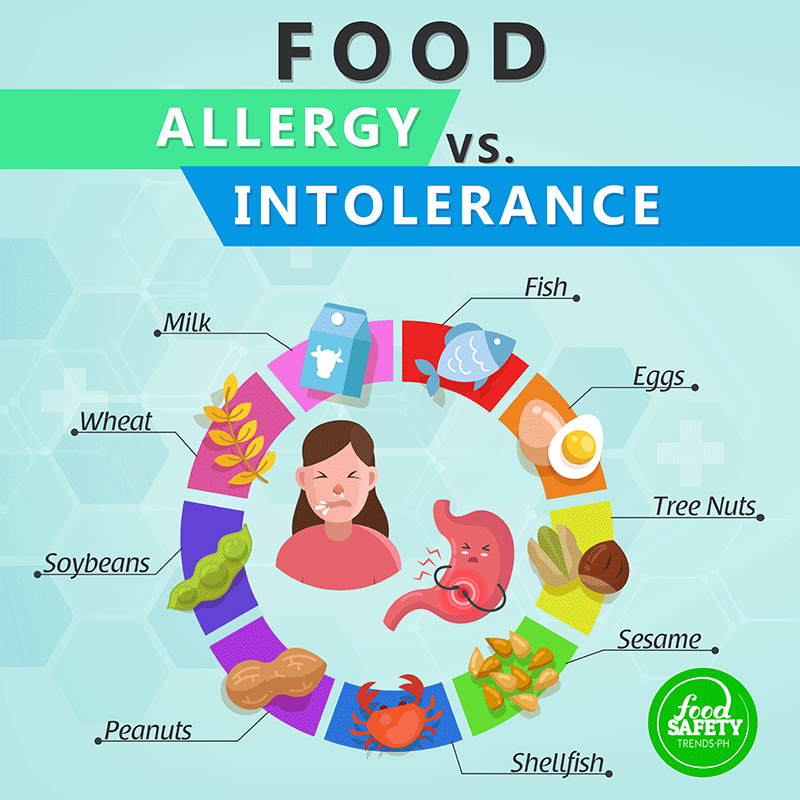
Differentiating Intolerance from Allergy: The Foundational Understanding
The distinction between a food allergy and a food intolerance is paramount, not only for medical reasons but also for how technology is applied to each. A food allergy is an immune system response, where the body mistakenly identifies a harmless food protein as a threat, releasing antibodies (like IgE) that cause symptoms ranging from hives and swelling to anaphylaxis. These reactions are often immediate, severe, and even tiny amounts of the allergen can trigger them. Diagnostic technologies for allergies focus on identifying specific antibodies or immune reactions, often through blood tests (e.g., IgE levels) or skin prick tests.
Food intolerance, on the other hand, does not involve the immune system in the same way. Instead, it’s typically a pharmacological, metabolic, or gastrointestinal reaction. Common causes include:
-
Enzyme deficiencies: Such as lactase deficiency leading to lactose intolerance, where the body lacks the enzyme to break down milk sugar.
-
Pharmacological effects: Reactions to natural chemicals in foods, like caffeine, histamine in aged foods, or salicylates.
-
Irritant effects: Certain food additives, like sulfites or artificial sweeteners, can irritate the gut.
-
Non-specific reactions: Where the exact mechanism isn’t fully understood, but consistent symptoms occur.
Symptoms of food intolerance are generally less severe and include digestive issues (bloating, gas, diarrhea, constipation), headaches, fatigue, skin rashes, or general malaise. They are often dose-dependent, meaning a small amount of the offending food might be tolerated, and reactions can be delayed by hours or even days. The technological challenge with intolerance is its non-specific nature and delayed onset, making symptom correlation incredibly complex – a challenge that modern data analysis and AI are increasingly equipped to handle.
The Silent Epidemic: Why Digital Awareness Matters
Food intolerances are remarkably prevalent, affecting a significant portion of the global population, yet they remain largely underdiagnosed or self-diagnosed incorrectly. This “silent epidemic” often leads to chronic discomfort, reduced quality of life, and unnecessary dietary restrictions. The traditional diagnostic process can be lengthy and frustrating, often involving extensive food diaries and elimination diets.
This is where digital awareness and technological tools become invaluable. The internet has democratized access to information, allowing individuals to research symptoms, share experiences in online forums, and learn about potential triggers. Furthermore, sophisticated apps and digital platforms are now being developed to help individuals systematically track their diet and symptoms, creating data sets that can reveal patterns far more effectively than manual methods. This digital shift is not just about information dissemination; it’s about empowering individuals with tools to better understand their own bodies and providing healthcare professionals with more robust data for accurate diagnoses.
Leveraging Technology for Diagnosis and Identification
The subjective and often delayed nature of food intolerance symptoms makes diagnosis a complex puzzle. However, recent advancements in technology are offering more precise and accessible methods for identifying triggers.
AI and Machine Learning in Symptom Tracking and Pattern Recognition
One of the most significant breakthroughs in managing food intolerance is the application of artificial intelligence (AI) and machine learning (ML) to personal health data. Mobile applications are now leveraging these technologies to transform simple food diaries into powerful diagnostic aids. Users log their food intake, ingredients, and subsequent symptoms over time. AI algorithms then analyze this vast amount of structured and unstructured data to identify correlations that might be invisible to the human eye.
For instance, an AI might detect that a user consistently experiences bloating 12-24 hours after consuming foods containing a specific additive or ingredient, even if the user hasn’t made that connection manually. These apps can also cross-reference user data with known intolerance triggers, ingredient databases, and even geographical food trends to suggest potential culprits. This move from anecdotal evidence to data-driven insights marks a profound shift in how individuals and clinicians approach intolerance identification.
At-Home Testing Kits: Advances in Personalized Diagnostics
The rise of direct-to-consumer (DTC) health tech has brought a range of at-home testing kits into the mainstream. While their efficacy and scientific backing vary, some kits offer insights that can be relevant to food intolerance. These include:
-
Gut Microbiome Analysis Kits: These kits analyze the bacterial composition of an individual’s gut through a stool sample. While they don’t directly diagnose food intolerance, an imbalanced microbiome (dysbiosis) can contribute to digestive issues and sensitivity to certain foods. Understanding the gut’s ecosystem can guide dietary interventions.
-
Genetic Testing for Predispositions: Certain genetic markers are associated with specific intolerances, such as the lactase persistence gene (LCT) for lactose intolerance or genes related to histamine degradation. Genetic tests can identify these predispositions, offering valuable insights into why certain foods might cause issues.
-
Food Sensitivity Tests (e.g., IgG tests): These tests measure IgG antibody levels in response to various foods. While widely marketed, their scientific validity for diagnosing food intolerance is highly debated within the medical community, as elevated IgG levels can reflect exposure rather than intolerance. However, the technology for conducting these tests is becoming more sophisticated, even if the interpretation remains controversial.
The critical advantage of these kits, when used responsibly and with professional medical guidance, is their accessibility and the personalized data they provide, empowering individuals to understand their unique biological makeup and how it interacts with food.
The Promise of Wearable Tech and Biosensors
While still largely in nascent stages for food intolerance specifically (more developed for allergy detection), wearable technology and advanced biosensors hold immense potential. Imagine a continuous glucose monitor (CGM) being adapted to detect subtle physiological changes in response to food intake, such as shifts in gut motility, inflammatory markers, or even stress hormones that can exacerbate intolerance symptoms.
Researchers are exploring:
-
Non-invasive sensors: Patches or ingestible sensors that monitor internal gut environment, pH levels, or specific gas production in real-time.
-
Smart clothing: Garments embedded with sensors that track heart rate variability, skin conductivity, or subtle shifts in body temperature that might correlate with an intolerance reaction.
-
Integrated platforms: Combining data from wearables with food logs and symptom trackers to build a more comprehensive picture of an individual’s physiological response to their diet.
As these technologies mature, they could provide objective, real-time data that moves beyond subjective symptom reporting, leading to faster and more accurate identification of intolerance triggers.

Digital Solutions for Managing and Navigating Food Intolerances
Once an intolerance is identified, managing it effectively is the next challenge. Technology offers a plethora of tools to help individuals adapt their diets, source appropriate foods, and find support.
Smart Nutrition Apps and Personalized Dietary Guidance
The market for nutrition and diet apps has exploded, with many now specializing in catering to food intolerances. These “smart” apps go beyond simple calorie counting:
-
Barcode scanners: Users can scan product barcodes to instantly check for specific allergens or ingredients they are intolerant to, cross-referenced against their personalized dietary profile.
-
Personalized meal planning: Based on identified intolerances, these apps generate tailored meal plans and recipes, ensuring dietary compliance while maintaining nutritional balance.
-
Restaurant guides: Some apps integrate with restaurant databases, highlighting menu items that are free from common intolerances or allowing users to input their specific restrictions to find suitable dining options.
-
Ingredient substitution suggestions: For home cooks, apps can suggest alternative ingredients to make recipes intolerance-friendly.
These tools significantly reduce the mental burden and anxiety associated with strict dietary management, making it easier for individuals to adhere to their personalized plans.
E-commerce and Supply Chain Innovation for Special Diets
The digital revolution has transformed how consumers access specialized food products. E-commerce platforms and dedicated online stores for allergen-free and intolerance-friendly foods have proliferated. This digital marketplace offers:
-
Wider selection: Access to a far greater range of specialized products than typically available in local supermarkets.
-
Convenience: Doorstep delivery of essential items, a boon for those with limited access to specialized stores.
-
Transparent information: Detailed product descriptions, ingredient lists, and certifications are readily available online, allowing consumers to make informed choices.
-
Subscription services: Curated boxes of intolerance-friendly snacks and meals, simplifying regular shopping.
Beyond e-commerce, blockchain technology is emerging as a powerful tool for food traceability. For individuals with severe intolerances, knowing the exact origin and journey of every ingredient provides an unparalleled level of trust and assurance, preventing cross-contamination and ensuring accurate labeling throughout the supply chain.
Virtual Support Communities and Telehealth Platforms
Living with food intolerance can be isolating, and navigating dietary restrictions often requires professional guidance. Technology addresses both these needs:
-
Online support groups and communities: Platforms like Reddit, Facebook groups, and specialized forums connect individuals sharing similar intolerances. These communities offer peer support, practical advice, and a sense of belonging, reducing feelings of isolation.
-
Telehealth and remote consultations: Individuals can now consult with registered dietitians, nutritionists, and even gastroenterologists remotely via video calls. This significantly improves access to expert advice, especially for those in rural areas or with mobility challenges, and allows for ongoing dietary adjustments and monitoring without frequent in-person visits.
-
Educational webinars and resources: Digital platforms host workshops and provide extensive online libraries of articles and videos, empowering individuals with knowledge to manage their conditions proactively.
The Future Landscape: Emerging Tech in Food Intolerance Management
The trajectory of technological innovation suggests even more transformative solutions on the horizon for food intolerance.
Predictive Analytics and Precision Nutrition
The integration of vast datasets – including genetic information, microbiome profiles, lifestyle factors, and real-time physiological responses – holds the key to predictive analytics. AI models could potentially identify individuals at higher risk of developing certain intolerances even before symptoms appear. This “precision nutrition” approach would move beyond generic dietary advice to highly individualized recommendations, preventing or mitigating intolerances through proactive dietary and lifestyle interventions tailored to each person’s unique biology.
Biotech and Novel Food Development
Biotechnology is playing an increasing role in creating foods that are inherently more digestible or less likely to trigger intolerances. This includes:
-
Enzyme engineering: Developing food processing techniques that use enzymes to break down common intolerance triggers (e.g., gluten in wheat, FODMAPs in certain vegetables).
-
Genetic modification/CRISPR: Creating crop varieties that naturally produce fewer problematic compounds or enhance beneficial nutrients.
-
Alternative protein sources: Developing plant-based or lab-grown alternatives that are free from common allergens and intolerances, expanding dietary options significantly.
These innovations aim to make a wider variety of foods accessible and safe for those with dietary restrictions.
Blockchain for Food Traceability and Trust
As mentioned earlier, blockchain’s immutable ledger technology offers the ultimate solution for food traceability. Imagine scanning a QR code on any food product and instantly accessing its complete history: where ingredients were sourced, processing methods, transportation details, and even potential cross-contamination risks. This level of transparency builds unparalleled trust, particularly for consumers who rely on accurate ingredient information for their health.
Ethical Considerations and the Digital Divide
While technology offers immense promise, its integration into food intolerance management also raises important ethical considerations.
Data Privacy and Security in Health Apps
The collection of highly personal dietary and health data by apps and diagnostic kits necessitates robust data privacy and security protocols. Safeguarding this sensitive information from breaches and ensuring its ethical use are paramount. Users need assurance that their dietary choices and health conditions are protected and not exploited.

Accessibility and Equitable Access to Tech Solutions
The “digital divide” remains a concern. Not everyone has access to smartphones, reliable internet, or the financial means to purchase advanced testing kits or subscription-based apps. Ensuring that these life-changing technological solutions are accessible and affordable across all socioeconomic groups is crucial to prevent exacerbating health disparities. Efforts must be made to develop inclusive technologies and policies that bridge this gap.
In conclusion, “what is food intolerance” is no longer just a biological question but an inquiry increasingly answered and managed through a technological lens. From AI-powered symptom tracking to genetically engineered foods and global telehealth networks, technology is transforming how we understand, diagnose, and live with food intolerances, paving the way for a healthier, more informed future.
aViewFromTheCave is a participant in the Amazon Services LLC Associates Program, an affiliate advertising program designed to provide a means for sites to earn advertising fees by advertising and linking to Amazon.com. Amazon, the Amazon logo, AmazonSupply, and the AmazonSupply logo are trademarks of Amazon.com, Inc. or its affiliates. As an Amazon Associate we earn affiliate commissions from qualifying purchases.