
In the world of real estate and personal finance, few four-character designations carry as much weight as “Zone AE.” For many prospective homeowners and seasoned real estate investors, discovering a property is located within Flood Zone AE can feel like a financial red flag. However, understanding the nuances of this FEMA designation is essential for making informed capital allocation decisions. Rather than viewing it purely as a deterrent, savvy market participants view Flood Zone AE as a complex variable in a larger risk-management equation.
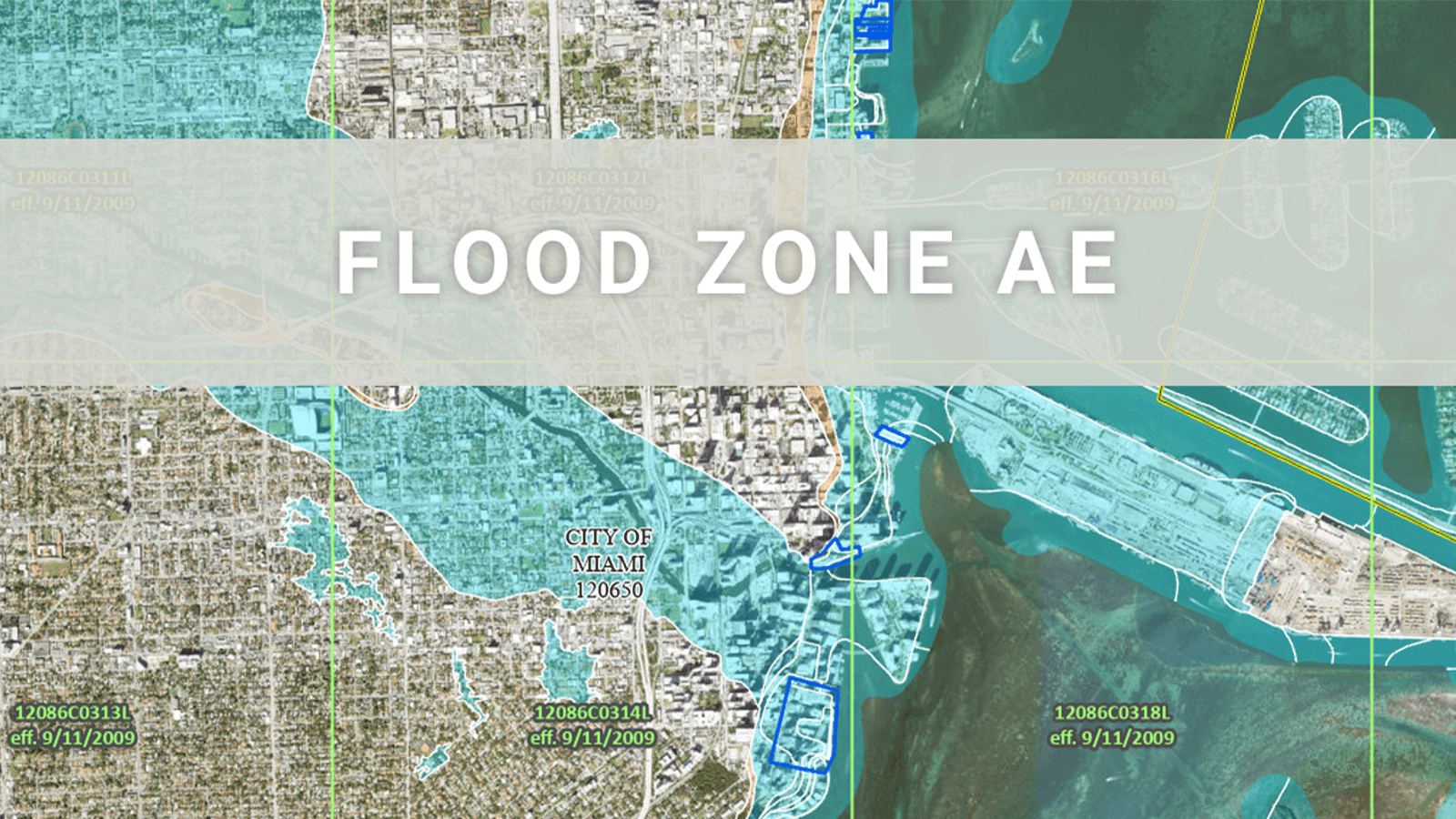
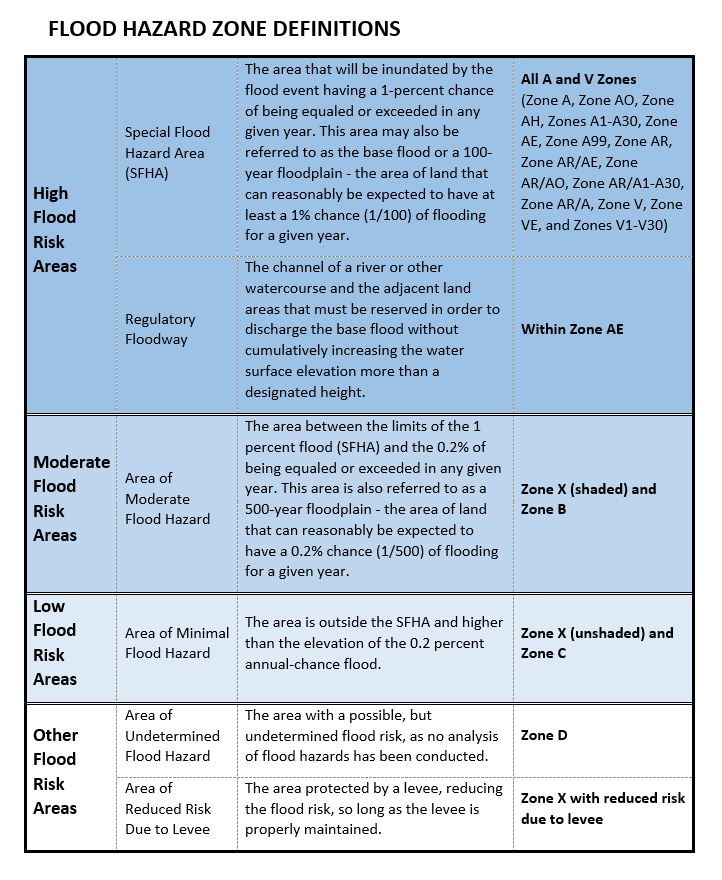
Flood Zone AE is a classification used by the Federal Emergency Management Agency (FEMA) to identify areas with a high risk of flooding. Specifically, these are regions that have a 1% annual chance of flooding, also known as the 100-year floodplain. From a financial perspective, this designation triggers mandatory insurance requirements, affects mortgage eligibility, and significantly impacts the long-term valuation of an asset.
Understanding the Financial Reality of High-Risk Designations
To navigate the financial implications of Flood Zone AE, one must first understand the metrics FEMA uses to define it. Unlike “Zone VE,” which is typically reserved for coastal areas facing high-velocity wave action, Zone AE is more common and encompasses inland areas near rivers, lakes, and streams, as well as some coastal regions.
The 1% Annual Chance and Cumulative Risk
The “100-year flood” terminology is often misunderstood by the public as a rare event that happens once a century. Financially, this is a dangerous misconception. A 1% annual chance means that over the course of a standard 30-year mortgage, there is approximately a 26% chance—more than one in four—that the property will experience a significant flood event. For an investor, this represents a substantial probability of capital loss or major repair expenditure during the holding period of the asset.
The Significance of Base Flood Elevation (BFE)
The defining characteristic of Zone AE is the determination of the Base Flood Elevation (BFE). The BFE is the height to which floodwaters are predicted to rise during a 1% annual chance flood. This number is the single most important metric for your wallet. If a property’s lowest floor is below the BFE, insurance premiums will be significantly higher. Conversely, if a structure is elevated above the BFE, the financial burden of insurance is mitigated, and the property’s marketability increases.
The Direct Impact on Real Estate Acquisition and Mortgages
When a property is identified as being in Flood Zone AE, the financial landscape of the acquisition changes immediately. Lenders, insurers, and government agencies all move into high-gear risk-mitigation mode, which directly affects your cash flow and closing costs.
Mandatory Flood Insurance and the NFIP
If you are financing a property in Zone AE through a federally regulated or insured lender—which includes the vast majority of traditional mortgages (FHA, VA, Conventional)—flood insurance is not optional. It is a mandatory requirement for the life of the loan.
Most property owners secure coverage through the National Flood Insurance Program (NFIP), managed by FEMA. However, the introduction of “Risk Rating 2.0” has changed how these premiums are calculated. Previously, rates were largely based on the zone alone. Now, they are determined by individual property characteristics, including distance to water, cost to rebuild, and the frequency of flooding in the specific area. For an investor, this means that two houses in the same Zone AE could have wildly different insurance carry costs, necessitating a deep dive into the specific insurance history of the property during the due diligence phase.
Mortgage Requirements and Escrow Complications
Lenders require that the flood insurance coverage at least equals the outstanding principal balance of the loan or the maximum limit available under the NFIP ($250,000 for residential structures), whichever is less. This added monthly cost is factored into your Debt-to-Income (DTI) ratio.
For high-end real estate, the $250,000 cap is often insufficient to cover the actual risk. In these cases, lenders may require “excess flood insurance” from the private market. This adds another layer of recurring expense that can erode the net operating income (NOI) of a rental property or the affordability of a primary residence.
Strategic Financial Planning for Properties in Zone AE
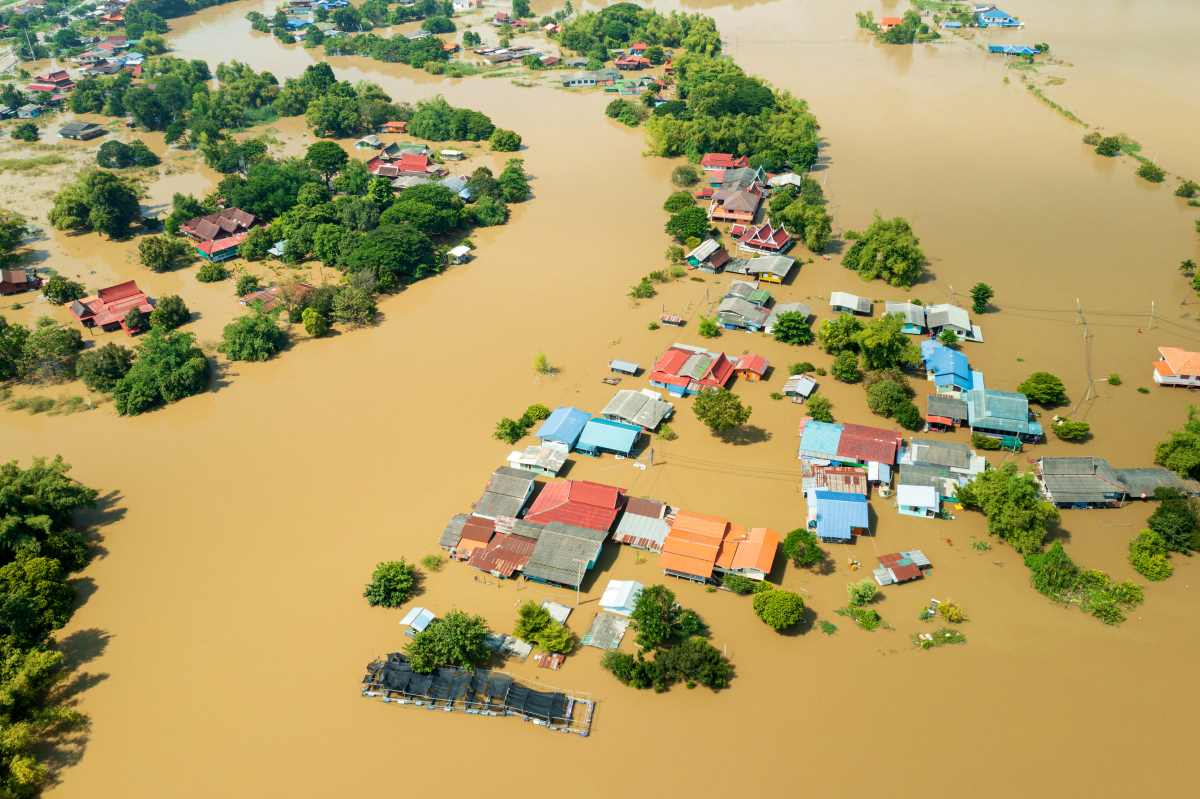
While the costs associated with Zone AE are real, they do not necessarily make a property a bad investment. Instead, they require a more sophisticated financial model. Investors must weigh the higher yields often found in waterfront or near-water properties against the increased operating expenses and capital risks.
Calculating Net Operating Income (NOI) Adjustments
When performing a discounted cash flow analysis on a property in Zone AE, the “Insurance” line item must be scrutinized. Standard homeowner’s policies do not cover flood damage. Therefore, the flood premium is an additive cost, not a replacement cost.
Prospective buyers should request an Elevation Certificate (EC) from the seller. This document, prepared by a licensed surveyor, compares the elevation of the building to the BFE. A favorable Elevation Certificate can be a powerful financial tool, allowing you to shop for lower private insurance rates or contest high NFIP premiums. If the EC shows the building is well above the BFE, the “flood tax” on your investment is minimized, potentially leading to an undervalued asset if other buyers are scared off by the AE designation alone.
Mitigation as a Capital Expenditure (CapEx) Strategy
For those holding property in Zone AE, strategic capital expenditures can yield a high return on investment (ROI) by lowering insurance premiums and increasing resale value.
- Flood Vents: Installing hydrostatic flood vents in a crawlspace or garage allows water to flow through the structure rather than exerting pressure on the foundation. This simple upgrade can lead to significant annual insurance savings.
- Mechanical Elevation: Moving HVAC units, water heaters, and electrical panels above the BFE is a one-time cost that significantly reduces the potential for a total loss and can lower insurance risk ratings.
- Dry Floodproofing: For commercial properties in Zone AE, dry floodproofing (making the structure watertight) is a recognized strategy to protect the balance sheet from catastrophic events.
Market Value, Liquidity, and Resale Considerations
The financial impact of a Flood Zone AE designation extends far beyond the monthly mortgage payment. It influences the terminal value of the asset and its liquidity in the secondary market.
The “Flood Risk Discount” in Property Valuation
Market data often shows a “price discount” for properties in high-risk flood zones compared to identical properties in “Zone X” (low risk). As a buyer, this discount represents an entry-point advantage. However, as an owner, you must account for the fact that your pool of potential buyers may be smaller when you decide to exit the investment.
In high-interest-rate environments, the combined burden of a high mortgage rate and a high flood insurance premium can make a property significantly harder to sell. Investors must ensure that the purchase price reflects this liquidity risk.
Future-Proofing Assets Against Regulatory Changes
FEMA maps are not static. They are updated periodically to reflect new topographical data and changing weather patterns. A property that is currently on the edge of Zone AE might be reclassified into a more restrictive zone in the future, or the BFE might be raised.
From a financial planning perspective, it is wise to “over-build” or “over-mitigate.” If you are renovating a property in Zone AE, elevating it two feet above the current BFE (a practice known as “freeboard”) can provide a financial cushion against future map revisions. Many municipalities now offer property tax incentives or grants for such flood-mitigation efforts, which can further offset the initial investment.
Conclusion: Balancing Risk and Reward
Being in Flood Zone AE is a financial reality that requires diligence, but it is not a reason to abandon a deal. In many thriving coastal and riverfront economies, nearly all prime real estate falls within this designation. The key to financial success in these areas lies in the “delta” between perceived risk and actual, mitigated risk.
By accurately factoring in insurance premiums, leveraging Elevation Certificates to reduce costs, and treating flood mitigation as a value-add investment, property owners can navigate the AE designation successfully. In the realm of personal finance and real estate, knowledge of the “Base Flood Elevation” is just as critical as knowledge of the “Cap Rate.” When you understand the math behind the map, you can turn a perceived liability into a calculated, profitable component of your portfolio.
aViewFromTheCave is a participant in the Amazon Services LLC Associates Program, an affiliate advertising program designed to provide a means for sites to earn advertising fees by advertising and linking to Amazon.com. Amazon, the Amazon logo, AmazonSupply, and the AmazonSupply logo are trademarks of Amazon.com, Inc. or its affiliates. As an Amazon Associate we earn affiliate commissions from qualifying purchases.