
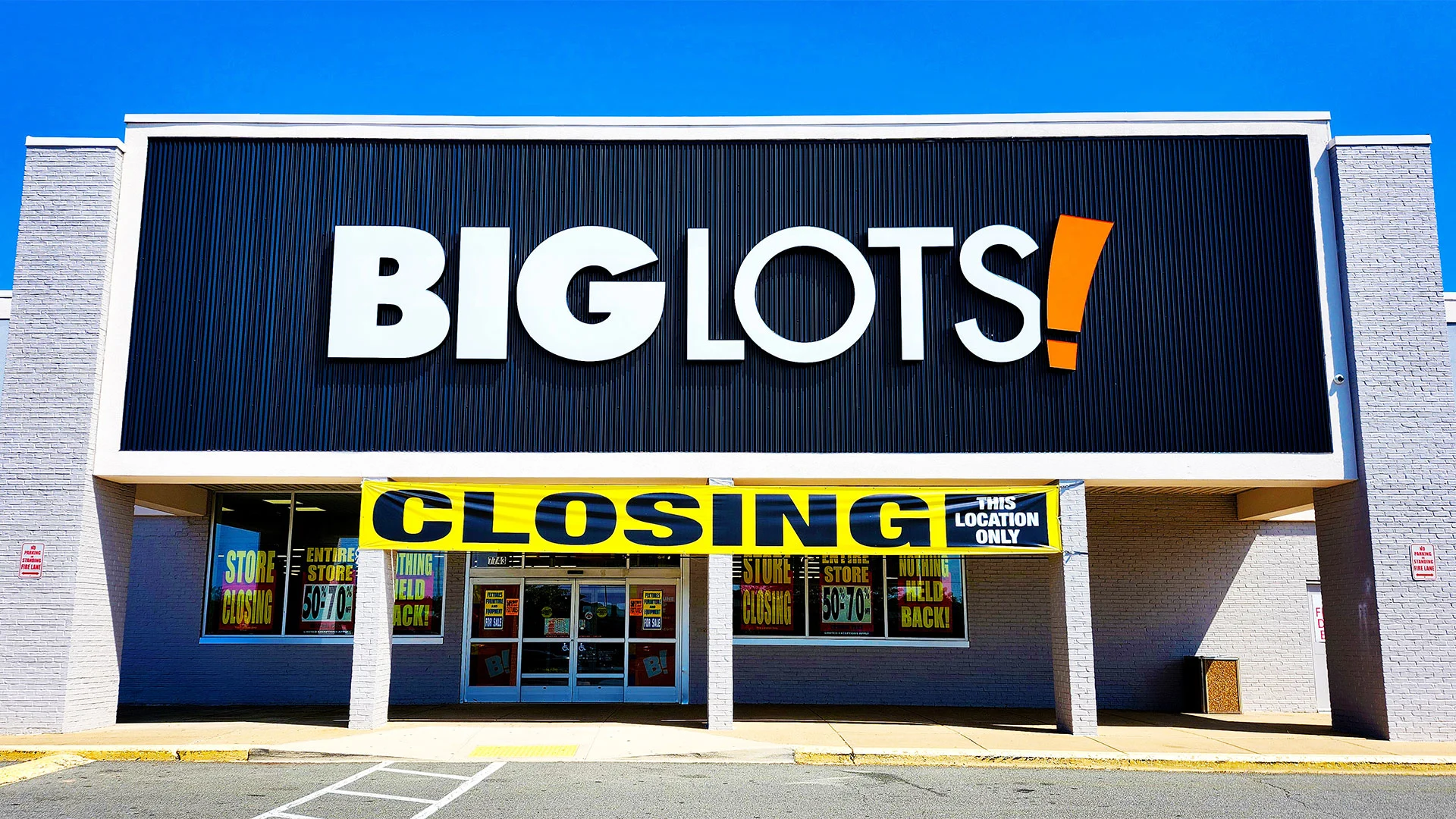
The announcement of widespread store closures by Big Lots, a titan in the discount retail space, serves as a watershed moment for the American retail landscape. When a major corporation moves toward a Chapter 11 bankruptcy filing and begins shuttering hundreds of locations, it is rarely the result of a single localized failure. Instead, it is the culmination of systemic financial pressures, shifting consumer behaviors, and a macroeconomic environment that has become increasingly hostile to mid-tier discount models. For investors, financial analysts, and business owners, the question of “which Big Lots are closing” is less about geography and more about the financial metrics and strategic pivots that dictate corporate survival in a high-interest-rate era.
The Financial Catalyst: Why Big Lots is Downsizing
To understand the scope of the Big Lots closures, one must first examine the balance sheet. The decision to close upwards of 300 to 500 stores—nearly a third of the company’s total footprint—is a defensive maneuver designed to preserve liquidity. In its recent filings with the Securities and Exchange Commission (SEC), Big Lots pointed to a “substantial doubt” regarding its ability to continue as a going concern without significant restructuring.
The Liquidity Crunch and Debt Obligations
The primary driver behind the closures is the need to reduce operating expenses and service debt. Retailers of this scale operate on thin margins, and Big Lots found itself caught between declining sales and rising costs. The company reported significant net losses in consecutive quarters, driven by a drop in discretionary spending among its core demographic. When cash flow tightens, the cost of maintaining underperforming leases becomes an existential threat. By filing for Chapter 11 bankruptcy protection, Big Lots gained the legal leverage to reject unfavorable leases, effectively allowing them to “cherry-pick” which stores are financially viable enough to remain open.
The Role of Nexus Capital Management
The restructuring process is not merely a path to liquidation but a strategic handoff. Big Lots entered into a sale agreement with Nexus Capital Management, a private equity firm that specializes in revitalizing distressed brands. For Nexus, the value lies in a leaner, more efficient version of the company. The stores being closed are those that do not meet the strict Return on Invested Capital (ROIC) thresholds required by the new ownership. This transition from a public entity to a private-equity-backed firm necessitates a ruthless pruning of the portfolio to ensure that every remaining square foot of retail space contributes to the bottom line.
Identifying the Target Stores: The Economics of Location Closures
The list of Big Lots closures is not random; it follows a calculated economic pattern. The company has targeted specific markets—most notably California, Florida, and parts of the Northeast—where the cost of doing business has outpaced the revenue generated by the local consumer base.
High-Cost Markets vs. Revenue Density
In states like California, where Big Lots initially planned to close over 70 locations, the decision is largely driven by the high cost of real estate and labor. For a discount retailer, the “price-to-rent” ratio is a critical metric. When the overhead of a large-format store exceeds a certain percentage of gross sales, the location becomes a liability. The closures are concentrated in high-cost urban and suburban hubs where the “treasure hunt” shopping experience—a hallmark of Big Lots—has been cannibalized by digital competitors and higher-end discounters.
The Asset Liquidation Strategy
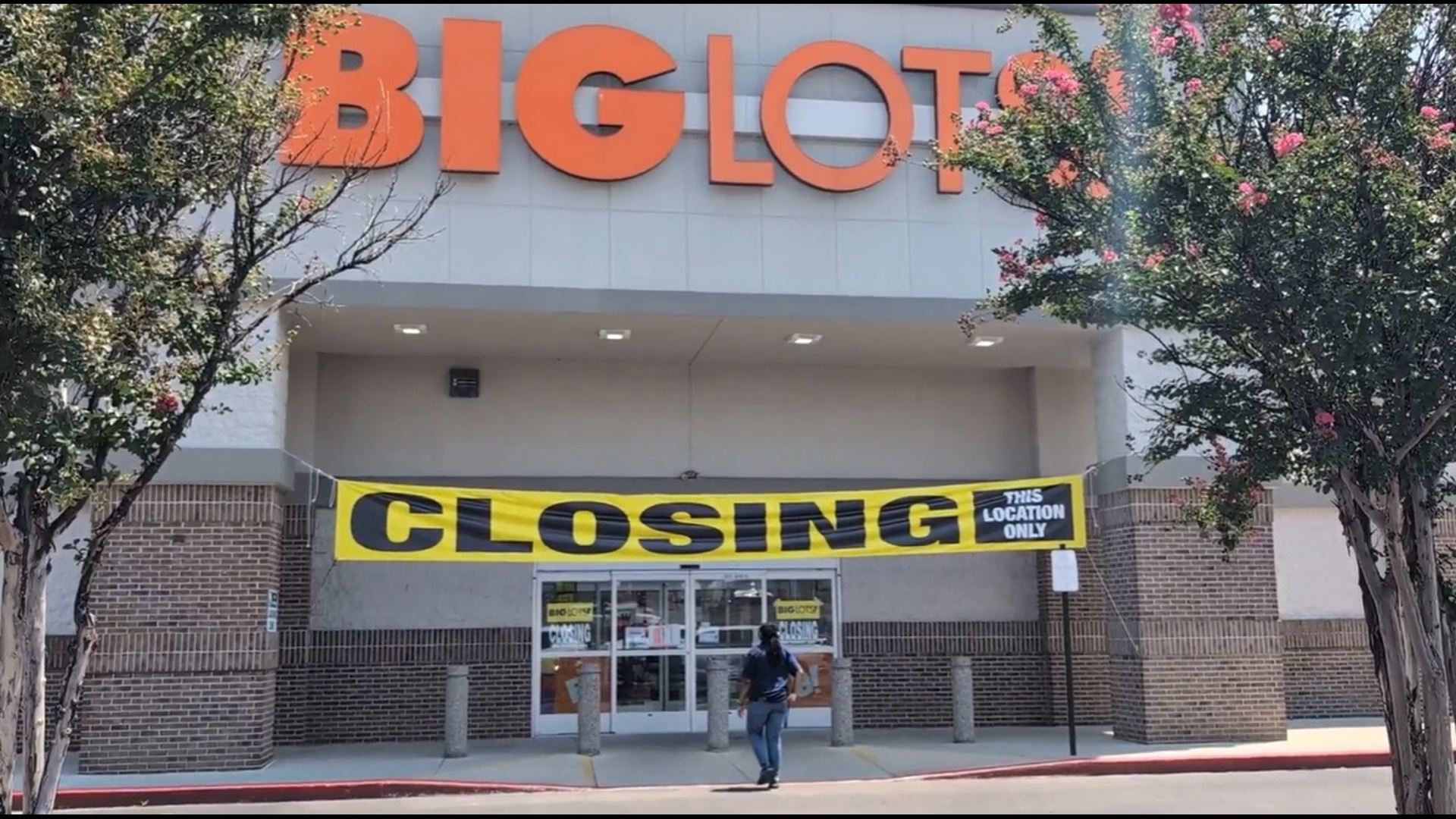
A key component of the closing process is the immediate conversion of inventory into cash. “Going Out of Business” (GOB) sales are a vital financial tool during restructuring. These sales allow the company to recoup capital from slow-moving inventory, which is then used to pay down senior secured lenders. For the financial health of the “New Big Lots,” these liquidations provide a clean slate, ensuring that the remaining stores are stocked with fresh, high-turnover merchandise rather than aged stock that has been sitting on shelves for quarters.
Operational Rationalization
Beyond real estate costs, the closures represent a “rationalization” of the supply chain. Maintaining a massive network of stores requires an equally massive distribution infrastructure. By closing underperforming clusters of stores, Big Lots can streamline its logistics, reducing the “last-mile” delivery costs and warehouse expenses. Financially, this moves the company toward a more centralized and efficient model, which is essential for competing with agile e-commerce giants.
Broader Economic Pressures on the Discount Retail Sector
The plight of Big Lots is a microcosm of the broader economic shifts affecting the retail industry. Several macroeconomic headwinds have converged to create a “perfect storm” for big-box discounters.
Inflation and the “Extreme Value” Consumer
Big Lots historically catered to a consumer looking for extreme value, often focusing on furniture, home decor, and seasonal items. However, persistent inflation in essential goods—groceries and fuel—has significantly diminished the discretionary income of this target demographic. When the cost of living rises, consumers prioritize “needs” over “wants.” Because a significant portion of Big Lots’ revenue comes from furniture and home goods—big-ticket items that are easily deferred—the company saw a sharper decline in sales than grocery-centric competitors like Walmart or ALDI.
The Impact of High Interest Rates
The era of “easy money” ended with the Federal Reserve’s aggressive interest rate hikes. For companies like Big Lots, which carry variable-rate debt or need to refinance existing obligations, the cost of capital skyrocketed. In a low-interest-rate environment, a retailer can afford to carry a few underperforming stores while waiting for a market turnaround. In today’s environment, the “cost of carry” is too high. Every underperforming asset must be liquidated to reduce the interest burden on the corporate balance sheet.
Competition from Digital and Tier-1 Discounters
The discount retail space has become increasingly crowded. On one end, “ultra-discounters” like Temu and Shein have disrupted the small-goods and home decor market with aggressive pricing. On the other end, Tier-1 retailers like Walmart and Target have expanded their private-label offerings, capturing the “value” shopper who prefers a one-stop-shop experience. Big Lots found itself in the “squeezed middle”—too large to be a niche player, but lacking the scale and technological infrastructure of the market leaders.
The Roadmap to Recovery: Can Big Lots Survive Post-Restructuring?
The closure of hundreds of stores is a painful but necessary step in what the industry calls a “turnaround play.” The goal of the Chapter 11 process is not to vanish, but to emerge as a smaller, more profitable entity.
Shifting the Product Mix
One of the primary strategies for the “New Big Lots” involves a return to its roots as a closeout specialist. In recent years, the company moved toward more traditional retail, which put them in direct competition with giants. By refocusing on extreme-value closeouts—buying overstock and liquidated goods from other brands and selling them at deep discounts—Big Lots can reclaim its unique market position. Financially, this model offers higher margins, as the acquisition cost of closeout inventory is significantly lower than standard wholesale.
Digital Integration and Footprint Optimization
The stores that remain open will likely see increased investment in omnichannel capabilities. The modern retail landscape requires a seamless integration of “Buy Online, Pick Up In Store” (BOPIS) and robust e-commerce platforms. By reducing the physical footprint, Big Lots can redirect capital toward its digital infrastructure, reaching customers beyond the immediate radius of its brick-and-mortar locations.
The Private Equity Influence
With Nexus Capital Management at the helm, the focus will shift toward EBITDA (Earnings Before Interest, Taxes, Depreciation, and Amortization) growth. Private equity ownership often brings a more disciplined approach to capital allocation. We can expect to see a more aggressive management of vendor relationships, more rigorous performance monitoring for individual store managers, and a leaner corporate structure.
The story of Big Lots and its store closures is a cautionary tale of the importance of financial agility. In a rapidly changing economy, the ability to recognize underperforming assets and move decisively to restructure is the difference between total liquidation and a successful second act. While the list of closing stores continues to grow, the remaining locations represent a calculated bet on the future of the discount retail model—a model that must be more efficient, more focused, and more financially disciplined than ever before. For the business world, the Big Lots saga provides a masterclass in the complexities of corporate restructuring, the necessity of liquidity management, and the brutal reality of the modern retail cycle.
aViewFromTheCave is a participant in the Amazon Services LLC Associates Program, an affiliate advertising program designed to provide a means for sites to earn advertising fees by advertising and linking to Amazon.com. Amazon, the Amazon logo, AmazonSupply, and the AmazonSupply logo are trademarks of Amazon.com, Inc. or its affiliates. As an Amazon Associate we earn affiliate commissions from qualifying purchases.