
In the rapidly evolving landscape of global commerce, the role of the finance department has undergone a radical shift. Gone are the days when finance was viewed merely as a “back-office” function responsible for balancing ledgers, processing payroll, and ensuring tax compliance. Today, businesses face unprecedented volatility, from shifting interest rates to complex global supply chain disruptions. In this environment, the traditional approach to financial management is no longer sufficient.
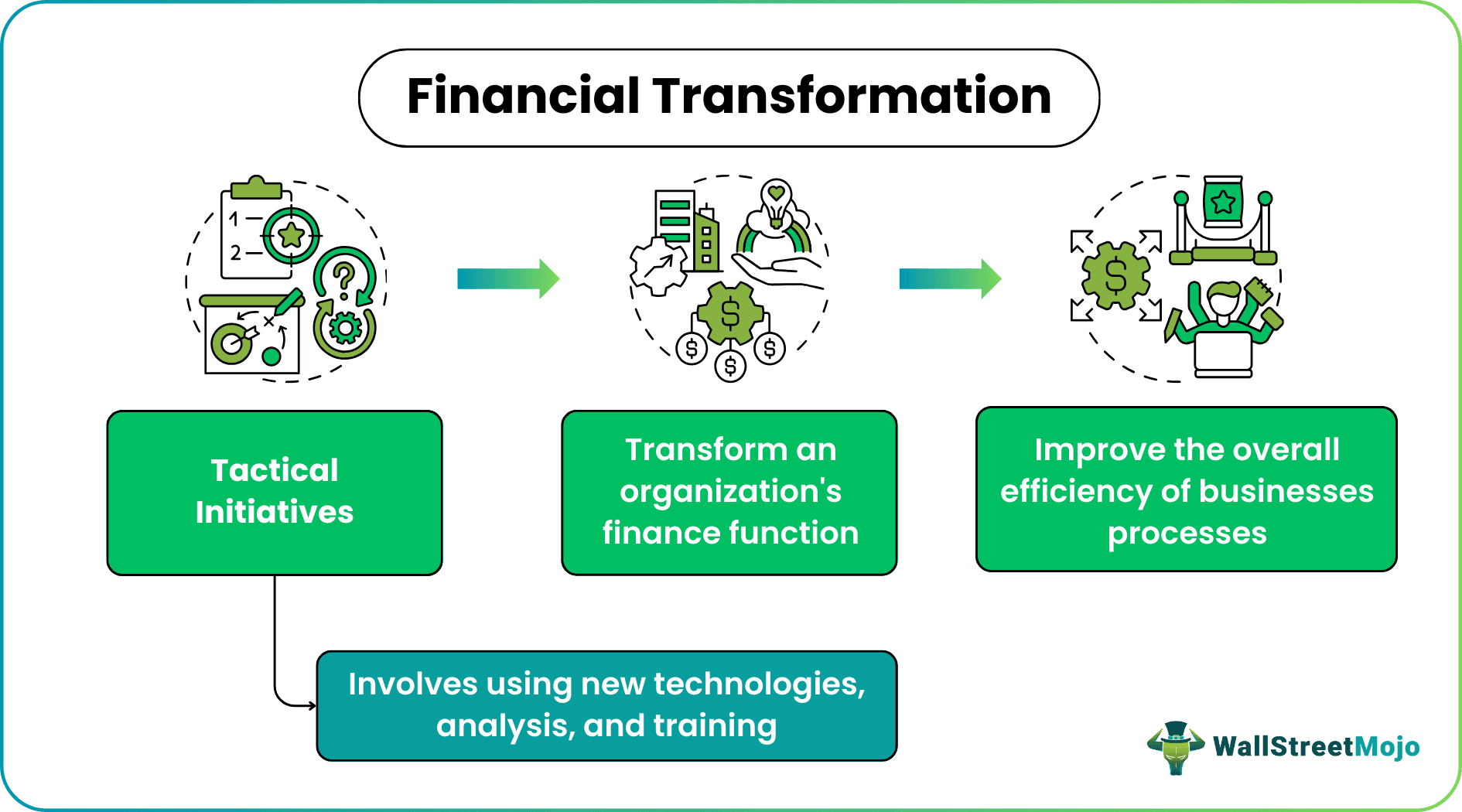
Finance transformation is the strategic overhaul of an organization’s financial processes, systems, and mindsets to create a more efficient, insight-driven, and value-adding department. It is about moving beyond the “numbers of the past” to become a “navigator of the future.” This article explores the multifaceted nature of finance transformation, focusing on its role in modern business finance, the drivers of change, and the measurable impact it has on an organization’s bottom line.

Defining Finance Transformation in the Modern Economy
At its core, finance transformation is the process of aligning the finance function with the overall strategic goals of the business. It is a holistic endeavor that touches every aspect of how money flows through and is accounted for within an enterprise.
Shifting from Bookkeeping to Strategic Partnership
Historically, the finance team’s primary value was accuracy and historical reporting. While these remain essential, the modern economy demands more. Transformation enables the finance department to transition from being a “scorekeeper” to a “strategic partner.” In this new role, financial professionals provide the data-backed insights necessary for executive leadership to make informed decisions about market expansion, product development, and capital expenditure.
A transformed finance function acts as a consultant to the rest of the business. By breaking down departmental silos, finance can help marketing understand the ROI of various campaigns or assist operations in identifying cost-saving opportunities within the production line. This shift ensures that every dollar spent is viewed through the lens of long-term value creation rather than just an expense to be managed.
The Core Pillars of a Transformed Finance Function
Finance transformation is built upon several foundational pillars: process, people, and data.
- Process Optimization: This involves streamlining workflows—such as the monthly close, accounts payable, and budgeting—to reduce manual effort and eliminate redundancies.
- People and Talent: Transformation requires a shift in skill sets. Modern financial professionals must possess not only technical accounting skills but also analytical prowess and the ability to communicate complex financial narratives to non-financial stakeholders.
- Data Integrity: In a transformed state, the organization relies on a “single version of the truth.” Centralized financial data ensures that different departments aren’t arguing over conflicting numbers, allowing for faster and more accurate strategic planning.
Key Drivers of Change: Why Organizations Must Evolve
The push for finance transformation is rarely a matter of choice; it is a response to external pressures and internal inefficiencies that threaten a company’s competitiveness.
The Need for Real-Time Financial Visibility
In the past, a monthly or quarterly financial report was sufficient to gauge the health of a company. Today, market conditions can change in an afternoon. Businesses that rely on “stale” data—information that is several weeks old by the time it reaches the CFO’s desk—are at a distinct disadvantage.
Transformation aims to achieve “continuous accounting.” This provides leadership with real-time visibility into cash flow, burn rates, and profitability margins. With this information, a business can pivot its strategy instantly, whether that means hedging against a sudden currency fluctuation or doubling down on a high-performing business unit.
Regulatory Compliance and Risk Management
As businesses expand globally, they encounter an increasingly complex web of financial regulations, tax laws, and reporting standards. Manual processes are prone to human error, which can lead to significant fines, legal issues, and reputational damage.
Finance transformation incorporates robust internal controls and automated compliance checks into the very fabric of financial workflows. By standardizing these processes, organizations can ensure that they remain compliant with international standards (such as IFRS or GAAP) without the need for an army of auditors. Furthermore, advanced financial modeling allows companies to perform “what-if” scenarios, helping them identify and mitigate financial risks before they manifest.
The Financial ROI of Transformation
Investing in finance transformation requires significant capital and time. However, the return on investment (ROI) is often substantial, manifesting in both direct cost savings and indirect strategic advantages.
Cost Optimization and Operational Efficiency
One of the most immediate benefits of finance transformation is the reduction in the “cost of finance” itself. By automating routine transactional tasks—such as invoice processing or expense management—organizations can significantly lower their administrative overhead.
However, the bigger “money” story lies in broader cost optimization. A transformed finance team can identify systemic waste across the organization. For example, through better procurement analytics, finance can negotiate better terms with vendors or identify duplicate subscriptions across different departments. These savings go straight to the bottom line, increasing the company’s EBITDA (Earnings Before Interest, Taxes, Depreciation, and Amortization) and overall valuation.
Data-Driven Decision Making for Capital Allocation
Capital is a finite resource, and how a company chooses to allocate it determines its future growth. Finance transformation provides the tools for sophisticated capital budgeting. Rather than allocating budgets based on “what we did last year,” a transformed finance function uses zero-based budgeting and predictive analytics to allocate funds where they will generate the highest return.
This data-driven approach allows for better management of working capital. By optimizing accounts receivable and inventory levels, a company can free up cash that was previously “trapped” on the balance sheet. This liquidity can then be used for strategic acquisitions, debt reduction, or reinvestment into research and development.
Implementing a Finance Transformation Roadmap
Transformation is not an overnight event; it is a journey that requires a clear roadmap and a commitment to continuous improvement.
Process Optimization and Standardizing Workflows
The first step in any transformation is to look inward. Many organizations suffer from “process debt”—clunky, manual workarounds that have evolved over decades. Transformation begins by mapping out every financial process and identifying bottlenecks.
Standardization is key. When every branch of a global company uses the same method for recording revenue or reporting expenses, the data becomes comparable and reliable. This stage often involves adopting a “Lean” mindset, borrowed from manufacturing, to eliminate “waste” in financial reporting and ensure that every step in a process adds value to the end result.
Upskilling the Financial Workforce
A common misconception is that transformation is about replacing people with systems. In reality, it is about elevating the role of people. As manual entry tasks disappear, the finance team must be equipped with new skills.
This involves training in data visualization, financial modeling, and strategic business analysis. Organizations must foster a culture of “financial storytelling,” where accountants can explain not just what the numbers are, but why they are happening and what they mean for the future of the company. Investing in the human element of finance ensures that the insights generated by new processes are actually utilized to drive business growth.
Overcoming Common Hurdles in Financial Evolution
Despite the clear benefits, many finance transformation initiatives fail or stall. Understanding the pitfalls is crucial for a successful transition.
Managing Cultural Resistance to Change
The greatest barrier to transformation is often human psychology. Finance departments are traditionally conservative, and “the way we’ve always done it” provides a sense of security. Employees may fear that automation will make their roles redundant or that new systems will be too difficult to learn.
To overcome this, leadership must communicate a clear vision. Transformation should be framed as an opportunity for career growth, moving staff away from tedious data entry toward high-impact strategic work. Involvement from the bottom up—asking the people who do the work where the pain points are—is essential for gaining buy-in and ensuring the new processes actually work in practice.
Ensuring Data Integrity and Security
A finance transformation is only as good as the data it produces. If a company builds a sophisticated reporting suite on top of “dirty” or fragmented data, the results will be misleading. “Garbage in, garbage out” is a significant risk during the transition period.
Moreover, as financial data becomes more centralized and accessible, security becomes paramount. Organizations must invest in robust cybersecurity measures and strict data governance policies. Protecting sensitive financial information is not just a technical requirement; it is a fundamental part of maintaining the trust of investors, lenders, and stakeholders.

Conclusion
Finance transformation is a fundamental reimagining of how a business manages its most critical resource: its capital. By evolving from a reactive, transactional function into a proactive, strategic powerhouse, the finance department becomes the engine of organizational growth.
While the journey involves significant challenges—ranging from process redesign to cultural shifts—the rewards are undeniable. Improved efficiency, better risk management, and more informed capital allocation lead to a more resilient and profitable business. In an era where the only constant is change, finance transformation is no longer a luxury for the few; it is a necessity for any organization that intends to thrive in the modern financial landscape. By embracing this evolution, businesses can ensure they have the clarity, agility, and financial health needed to navigate the complexities of tomorrow.
aViewFromTheCave is a participant in the Amazon Services LLC Associates Program, an affiliate advertising program designed to provide a means for sites to earn advertising fees by advertising and linking to Amazon.com. Amazon, the Amazon logo, AmazonSupply, and the AmazonSupply logo are trademarks of Amazon.com, Inc. or its affiliates. As an Amazon Associate we earn affiliate commissions from qualifying purchases.