
The Federal Reserve’s interest rate policy is arguably the most influential lever in the global financial system. When the Federal Reserve—the central bank of the United States—adjusts its target interest rate, the ripples are felt almost immediately, affecting everything from the interest you pay on your credit card to the growth prospects of the world’s largest corporations. For investors, business owners, and consumers, understanding how these rates work is not merely an academic exercise; it is essential for navigating the economic landscape.
The Mechanics of the Federal Funds Rate
At its core, the “Fed interest rate” refers to the federal funds rate. This is the interest rate at which depository institutions, such as commercial banks, lend reserve balances to other depository institutions overnight on an uncollateralized basis.

Why the Overnight Market Matters
Commercial banks are required by the Federal Reserve to maintain a certain level of reserves to ensure they can meet customer withdrawals. Because these balances fluctuate daily due to transaction volumes, some banks may end the day with a shortfall, while others have a surplus. The federal funds market allows these banks to borrow from each other to balance their books.
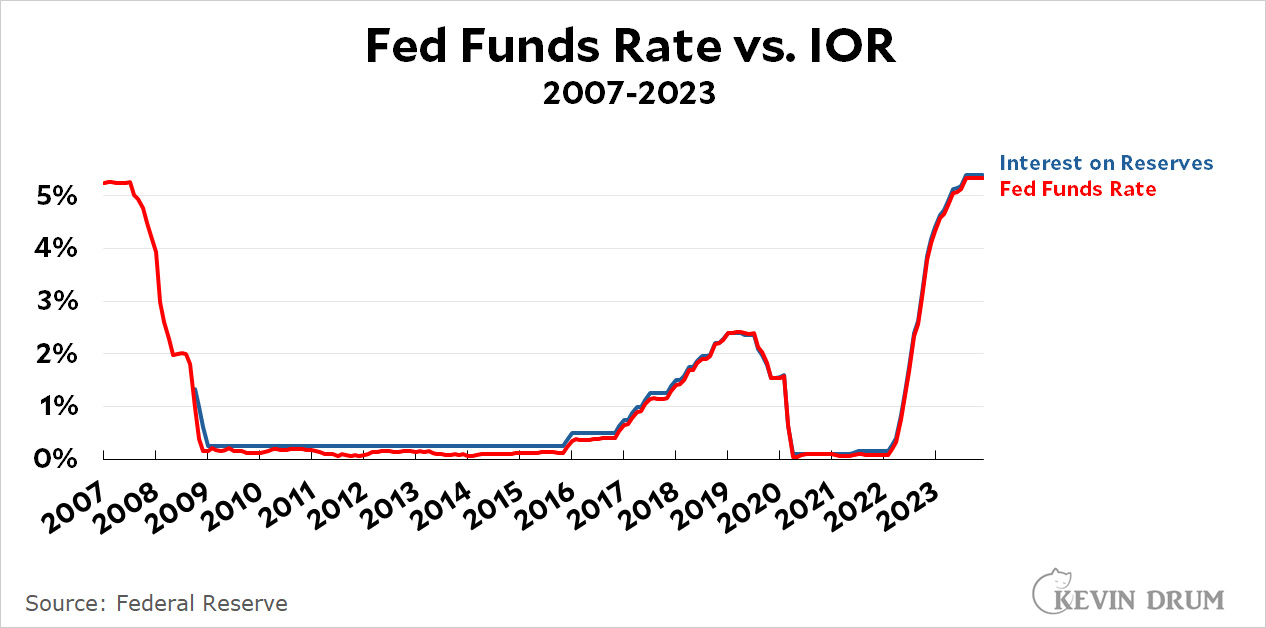
The Fed sets a target range for this overnight rate. By managing the supply of money in the banking system, the Fed nudges this rate toward their desired target. When the Fed wants to tighten the money supply, it raises rates; when it wants to stimulate growth, it lowers them.
How the Fed Influences the Economy
The federal funds rate acts as the “base rate” for the entire economy. It is the foundation upon which other interest rates are built. When the Fed increases the target range, borrowing becomes more expensive. Banks pass these higher costs onto consumers and businesses through prime rates, which serve as the benchmark for mortgages, auto loans, credit cards, and business lines of credit. Conversely, when the Fed lowers rates, borrowing costs drop, incentivizing spending and capital investment.
The Dual Mandate: Why Rates Change
The Federal Reserve does not adjust interest rates arbitrarily. Its decisions are guided by a “dual mandate” established by Congress: to promote maximum employment and stable prices. These two goals often sit in tension, and the Fed’s interest rate policy is the primary tool used to balance them.
Managing Inflation
When the economy is growing too quickly, consumer demand can outstrip supply, leading to inflation. In this scenario, the Fed typically raises interest rates. Higher rates cool the economy by making debt more expensive, which slows down business expansion and reduces consumer spending. This “cooling off” period is designed to prevent the economy from overheating and to bring inflation back toward the Fed’s long-term target, which is generally 2%.
Supporting Maximum Employment
When the economy faces a downturn or a recession, unemployment often spikes. To combat this, the Fed lowers interest rates. By making capital cheaper, the Fed encourages businesses to invest in new projects, hire more staff, and expand operations. Lower rates also make it more affordable for individuals to finance major purchases, like homes or vehicles, which stimulates demand and helps pull the economy out of a slump.
The Balancing Act
The challenge for the Federal Reserve is determining the “neutral rate”—the theoretical interest rate that neither stimulates nor constricts the economy. If the Fed keeps rates too low for too long, it risks sparking runaway inflation. If it keeps rates too high for too long, it risks inducing a recession and causing unnecessary unemployment. This is why the Federal Open Market Committee (FOMC) meets eight times a year to review economic data, including unemployment statistics, consumer spending, and inflation indices like the Consumer Price Index (CPI).
The Impact on Personal Finance and Investing
For the average individual, the Fed’s interest rate policy has a tangible impact on the bottom line. Understanding this relationship is critical for effective financial planning.
Effects on Debt and Borrowing
If you hold debt with a variable interest rate, the Fed’s decisions directly affect your monthly expenses. Credit cards, for instance, are almost always linked to the prime rate, which moves in lockstep with the federal funds rate. When the Fed raises rates, the Annual Percentage Rate (APR) on your credit card typically increases shortly thereafter, making it more expensive to carry a balance.
Similarly, variable-rate mortgages (ARMs) and home equity lines of credit (HELOCs) will see interest costs rise as the Fed tightens monetary policy. Conversely, fixed-rate loans are less sensitive to immediate Fed moves, as their rates are locked in at the time of origination, but they are still influenced by the broader interest rate environment, which reflects market expectations of future Fed actions.
Implications for Savings and Investments
Higher interest rates are a “double-edged sword” for investors. On one hand, they benefit savers. High-yield savings accounts, money market funds, and Certificates of Deposit (CDs) offer higher returns when the federal funds rate is high. For those who prioritize capital preservation, a high-rate environment is a welcome shift away from the “zero-interest” policies of the past.
On the other hand, higher rates generally present a headwind for the stock market. When borrowing costs rise, corporate profits can be squeezed by higher interest expenses on corporate debt. Furthermore, high interest rates increase the “discount rate” used by analysts to value future earnings. Because future dollars are worth less when interest rates are higher, the present value of a company’s expected growth decreases, often leading to lower stock valuations.
Navigating the Future: Expectation Management
Perhaps the most sophisticated aspect of the Fed’s influence is its management of market expectations. The Federal Reserve uses “forward guidance” to signal its future policy intentions to the public. By communicating clearly about their goals, the Fed can influence long-term interest rates even before they actually change the short-term federal funds rate.
The Role of Market Sentiment
The financial markets are constantly trying to “price in” the Fed’s next move. If investors believe the Fed will hike rates in three months, they will adjust the prices of bonds and stocks today. This creates a feedback loop: if the market anticipates rate hikes, long-term borrowing costs—such as those for 10-year Treasury notes or 30-year mortgages—often rise in anticipation, even if the Fed hasn’t pulled the trigger yet.

Monitoring Economic Indicators
For those tracking the Fed, the focus should remain on the data that the Fed itself monitors. Key indicators include:
- The Unemployment Rate: A primary metric for the “maximum employment” side of the mandate.
- The Consumer Price Index (CPI) and PCE Inflation: Metrics used to measure the “stable prices” side of the mandate.
- GDP Growth: An indicator of the overall health and momentum of the economy.
By paying attention to these indicators, individuals can better anticipate the shifts in Federal Reserve policy. Whether the Fed is in a “tightening cycle” (raising rates to curb inflation) or an “easing cycle” (lowering rates to stimulate growth), the fundamental driver remains the same: the central bank’s effort to maintain equilibrium in an inherently volatile economic system.
Ultimately, the Fed interest rate is more than just a number on a spreadsheet; it is the heartbeat of the modern economy. By staying informed about the rationale behind these rate adjustments, investors and consumers can make more proactive decisions, positioning their finances to withstand the cycles of contraction and expansion that define the economic journey.
aViewFromTheCave is a participant in the Amazon Services LLC Associates Program, an affiliate advertising program designed to provide a means for sites to earn advertising fees by advertising and linking to Amazon.com. Amazon, the Amazon logo, AmazonSupply, and the AmazonSupply logo are trademarks of Amazon.com, Inc. or its affiliates. As an Amazon Associate we earn affiliate commissions from qualifying purchases.