
In the realm of brand strategy, few concepts are as potent or as fragile as the “Personal Brand.” Unlike a corporate entity, which can pivot its product line or undergo a visual rebrand to distance itself from a failing executive, a personal brand is inextricably linked to the individual’s physical identity, history, and perceived character. The case of Stephen Collins, once the quintessential embodiment of paternal stability in American media, serves as one of the most stark examples of total brand collapse in the 21st century.
When we ask “what happened with Stephen Collins,” the answer is multifaceted. It is a story of a catastrophic breach of brand promise, an irreversible loss of market trust, and a cautionary tale for anyone managing a public-facing identity. To understand the collapse, we must first analyze the meticulously crafted brand architecture that preceded it.

The Architecture of a Wholesome Persona
For over a decade, Stephen Collins occupied a specific, highly profitable niche in the entertainment market. As Reverend Eric Camden on the long-running series 7th Heaven, Collins didn’t just play a character; he became a symbol. His brand was built on the pillars of moral clarity, family values, and unwavering integrity.
The Power of Brand Alignment
In marketing, brand alignment occurs when an actor’s off-screen persona matches their on-screen roles. Collins was viewed as the “National Dad.” This alignment created massive brand equity, allowing him to secure roles in major films and maintain a steady presence in the public eye as a trusted figure. Advertisers and networks invested in him because his brand was synonymous with safety and reliability.
The Halo Effect in Personal Branding
The “Halo Effect” is a cognitive bias where our overall impression of a person influences how we feel and think about their character. Because Collins portrayed a man of God and a devoted father, the public—and the industry—attributed those same virtues to his actual personality. This halo effect shielded him for years, making the eventual revelation of his past actions not just a news story, but a profound psychological shock to his “customer base” (the viewing public).
The Event Horizon: When the Brand Narrative Collapses
The turning point for the Stephen Collins brand occurred in October 2014, when a recording was leaked to the media. In this audio, which was recorded during a therapy session with his estranged wife, Collins admitted to a history of sexual misconduct involving minors.
The Violation of the Core Value Proposition
Every brand has a “value proposition”—the primary benefit it promises to its audience. Collins’s value proposition was “moral guidance.” The revelations didn’t just reveal a mistake; they directly contradicted the very core of what he sold to the world. When a tech brand suffers a data breach, it violates the promise of security. When a “family-man” brand is linked to child exploitation, the brand doesn’t just suffer—it ceases to exist.
The Speed of Digital Deconstruction
In the modern digital landscape, the speed at which a brand can be dismantled is unprecedented. Within hours of the TMZ report, the news had permeated every social media platform. The “trust gap” created was too wide to bridge. In previous decades, a publicist might have attempted to “spin” the narrative or wait for the news cycle to turn. However, the nature of the evidence and the severity of the admission meant that the Stephen Collins brand hit an immediate “event horizon”—a point of no return where the gravity of the scandal made any future professional viability impossible.
Analyzing the Fallout: Why Recovery Was Impossible
In the years following the 2014 scandal, there were no “comeback” campaigns or redemption arcs. From a brand management perspective, it is essential to understand why some figures can rehabilitate their image after a crisis while others cannot.
The Incongruity Factor
Crisis management experts often look at the “Incongruity Factor.” If a “bad boy” rock star is caught in a scandal involving substances, the damage is often minimal because the behavior is somewhat consistent with the established brand. However, when the scandal is diametrically opposed to the brand (the “Reverend” committing the most reviled of acts), the psychological dissonance for the audience is too great. The audience feels betrayed, and betrayal is a brand killer.
The Impact on Secondary Brands
The collapse of the Stephen Collins brand had a “contagion effect” on associated corporate brands. 7th Heaven was immediately pulled from syndication on various networks, including Up TV and TV Guide Network. The show, which was a valuable asset for these networks, became “toxic” overnight. This illustrates how personal brand failures can cause millions of dollars in collateral damage to partners, co-stars, and distribution platforms.
Crisis Management and the Ethics of Personal Branding
The Stephen Collins case offers several vital lessons for modern personal branding, particularly in an era where “authenticity” is the most sought-after commodity.
The Danger of the Pedestal
Building a brand on “perfection” is a high-risk strategy. In contemporary brand strategy, we often advise clients to build brands based on “relatable growth” rather than “unassailable virtue.” By positioning himself (or allowing himself to be positioned) as a moral paragon, Collins created a height from which any fall would be fatal.
Accountability vs. Image Management
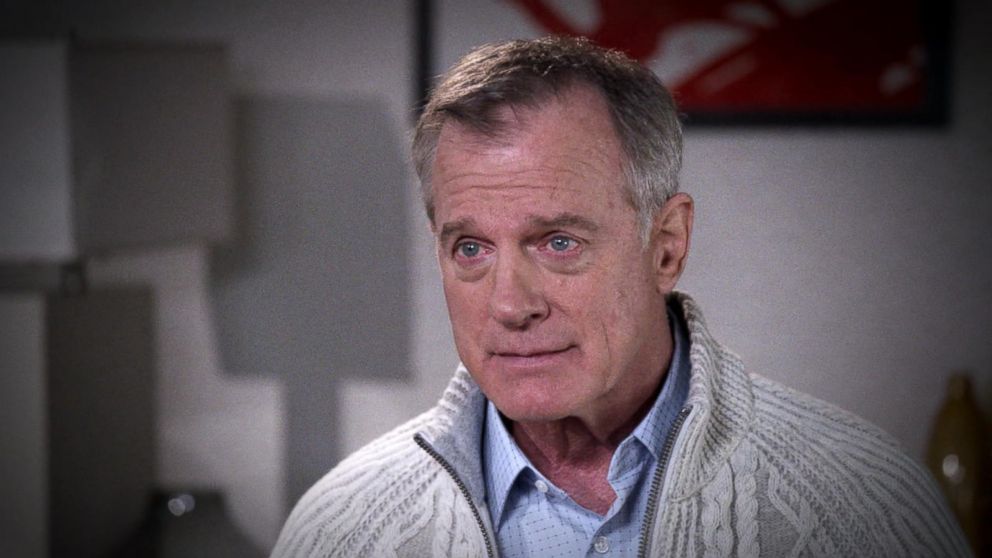
In his first major interview following the leak, Collins attempted to frame his admissions as a step toward healing and accountability. However, the market’s reaction was one of rejection. This highlights a critical truth in brand strategy: an apology is only effective if the brand still has “social capital” left to spend. Collins had depleted his social capital entirely.
The Permanent Digital Footprint
In the 1980s or 90s, a scandal might fade into the archives of physical newspapers. Today, the digital footprint is permanent. Any search for “Stephen Collins” will forever be dominated by the 2014 scandal. This permanence means that for certain types of brand failures, there is no “rebranding.” The search engine results page (SERP) becomes the brand’s permanent tombstone.
Lessons for the Modern Influencer and Public Figure
While Stephen Collins was a product of the traditional Hollywood studio and network system, the lessons of his brand’s demise are incredibly relevant to today’s influencers and corporate leaders who manage their own personal brands online.
1. The Requirement of Transparency
Modern audiences have a high “cynicism quotient.” They are trained to look for cracks in the facade. For a personal brand to be sustainable, it must be built on a foundation that can withstand scrutiny. If there is a fundamental disconnect between the “Brand Story” and the “Real Story,” a collapse is inevitable.
2. Diversifying Brand Identity
One of Collins’s mistakes was allowing himself to be entirely defined by a single persona. When that persona was compromised, he had no other facets of his brand to pivot to. Strategic personal branding involves building a multifaceted identity so that if one area is challenged, the entire structure doesn’t necessarily fall.

3. The Ethical Imperative
Ultimately, a brand is a promise. If that promise is built on a lie, the brand is a fraud. The case of Stephen Collins serves as a grim reminder that personal branding is not just about aesthetics, social media metrics, or public relations. It is about the fundamental alignment of one’s public actions with their private character. When that alignment fails on a moral level, no amount of marketing or crisis management can save the brand.
The disappearance of Stephen Collins from public life was not an accident; it was the logical conclusion of a total brand failure. In the economy of attention and trust, he went bankrupt because he could no longer provide the one thing his audience demanded: the integrity he had spent decades pretending to possess. For brand strategists, the story remains one of the most significant case studies in how the “National Dad” became a national pariah, proving that the more wholesome the brand, the more devastating the reveal of its shadow.
aViewFromTheCave is a participant in the Amazon Services LLC Associates Program, an affiliate advertising program designed to provide a means for sites to earn advertising fees by advertising and linking to Amazon.com. Amazon, the Amazon logo, AmazonSupply, and the AmazonSupply logo are trademarks of Amazon.com, Inc. or its affiliates. As an Amazon Associate we earn affiliate commissions from qualifying purchases.