
The word “fecal” often evokes visceral reactions, typically confined to the realm of biology and sanitation. However, a closer examination, particularly through the lens of modern technology, reveals a surprisingly rich and rapidly evolving landscape of innovation. Far from being a mere biological byproduct, fecal matter is emerging as a potent source of data, a subject of sophisticated analytical tools, and a critical component in advancements across various technological sectors. This exploration delves into the technological frontiers of fecal analysis, demonstrating how cutting-edge science and engineering are transforming our understanding and utilization of this once-overlooked substance.
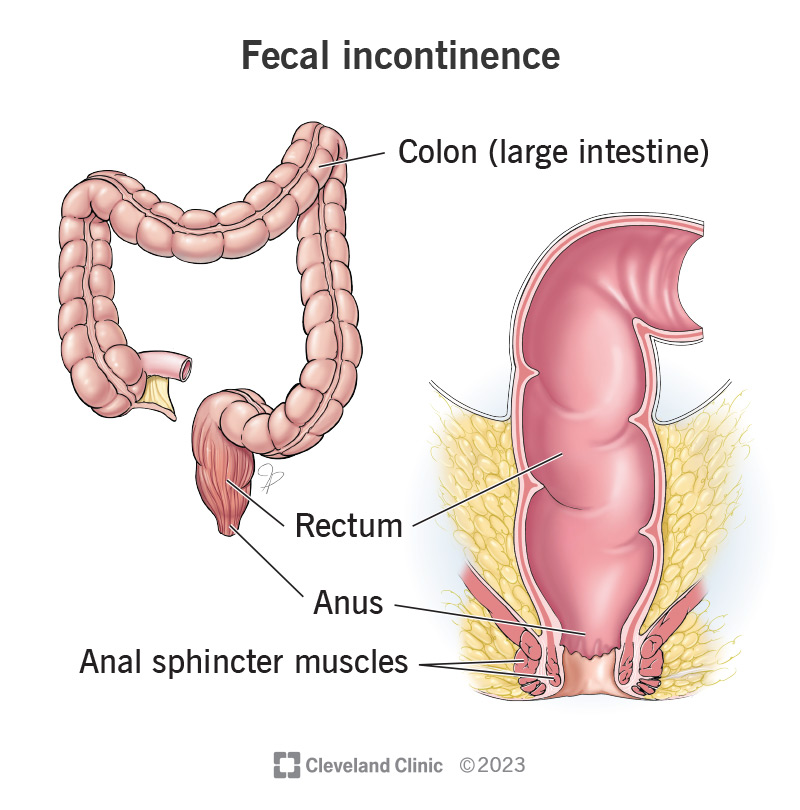
Decoding Health and Disease: The Rise of Advanced Fecal Diagnostics
The traditional understanding of fecal analysis has primarily been rooted in clinical diagnostics, identifying pathogens or indicators of gastrointestinal distress. However, contemporary technology is propelling this field into unprecedented territory, offering non-invasive, highly accurate, and data-rich insights into human health. This involves sophisticated laboratory techniques, novel sensor technologies, and the increasing integration of artificial intelligence and machine learning.
Microbiome Mapping and Metagenomics: Unveiling the Inner Ecosystem
Perhaps the most significant technological revolution impacting fecal analysis is the advancement in microbiome research, specifically through metagenomics. The human gut harbors trillions of microorganisms – bacteria, fungi, viruses, and archaea – collectively known as the gut microbiome. Fecal matter serves as a direct window into this complex ecosystem. Technological breakthroughs have enabled the rapid and cost-effective sequencing of microbial DNA present in stool samples.
Next-Generation Sequencing (NGS): Technologies like Illumina sequencing have dramatically reduced the time and expense associated with determining the genetic makeup of microbial communities. This allows researchers and clinicians to identify the specific species present, their relative abundance, and even their functional potential (what genes they possess that can perform specific metabolic tasks). This information is crucial for understanding dysbiosis – imbalances in the gut microbiome – which are increasingly linked to a wide array of health conditions, including inflammatory bowel disease (IBD), obesity, diabetes, allergies, and even neurological disorders like depression and Parkinson’s disease.
Bioinformatics and Computational Biology: The sheer volume of data generated by metagenomic sequencing necessitates powerful computational tools. Advanced bioinformatics pipelines are developed to process, analyze, and interpret this complex data. Machine learning algorithms are employed to identify patterns, classify microbial communities associated with specific diseases, and predict treatment responses. This computational power is transforming raw genetic sequences into actionable health insights.
Biomarker Discovery and Liquid Biopsies: Early Detection and Personalized Medicine
Beyond the microbiome, fecal matter contains a wealth of other biomarkers indicative of health and disease. Technological advancements are making it possible to detect these biomarkers with remarkable sensitivity and specificity.
Fecal Immunochemical Tests (FITs) and Guaiac-Based Tests: While not new, these technologies have been refined for greater accuracy and ease of use in detecting occult blood, a key indicator of colorectal cancer. Advanced FITs utilize highly specific antibodies to detect human hemoglobin, offering a non-invasive alternative to colonoscopies for screening purposes.
Circulating Tumor DNA (ctDNA) Analysis: Emerging technologies are enabling the detection of ctDNA shed from tumors into the gastrointestinal tract and subsequently excreted in feces. This “liquid biopsy” approach offers the potential for early cancer detection, monitoring treatment efficacy, and detecting recurrence without invasive procedures. Sophisticated amplification and sequencing techniques are being developed to identify minute quantities of cancer-specific DNA fragments in stool.
Proteomics and Metabolomics: Beyond DNA, proteins and metabolites present in fecal samples offer further insights into physiological processes and disease states. Advanced mass spectrometry techniques and high-throughput screening platforms are being used to identify and quantify thousands of proteins and metabolites, creating detailed molecular profiles of an individual’s health. These profiles can reveal inflammation, metabolic dysfunction, or the presence of specific disease markers.
Innovations in Waste Management and Environmental Monitoring
The technological applications of fecal analysis extend far beyond human health. The efficient and sustainable management of waste, including fecal matter, is a global challenge, and technology is providing innovative solutions for treatment, resource recovery, and environmental monitoring.
Advanced Wastewater Treatment Technologies: Resource Recovery and Pathogen Elimination
Wastewater treatment plants, which process large volumes of fecal matter, are increasingly leveraging advanced technologies for greater efficiency and resource recovery.
Anaerobic Digestion and Biogas Production: This well-established technology is being optimized through advanced reactor designs and microbial consortia selection. Anaerobic digestion breaks down organic matter in the absence of oxygen, producing biogas (primarily methane and carbon dioxide), a valuable renewable energy source. Technological advancements focus on maximizing biogas yield, capturing and purifying the gas for various applications, and managing digestate, the nutrient-rich byproduct, for use as fertilizer.
Membrane Bioreactors (MBRs): MBRs combine biological treatment with membrane filtration, offering superior effluent quality compared to conventional systems. The membranes act as a physical barrier, removing suspended solids and pathogens, resulting in cleaner water that can be reused for non-potable purposes. This technology is crucial for water scarcity mitigation.
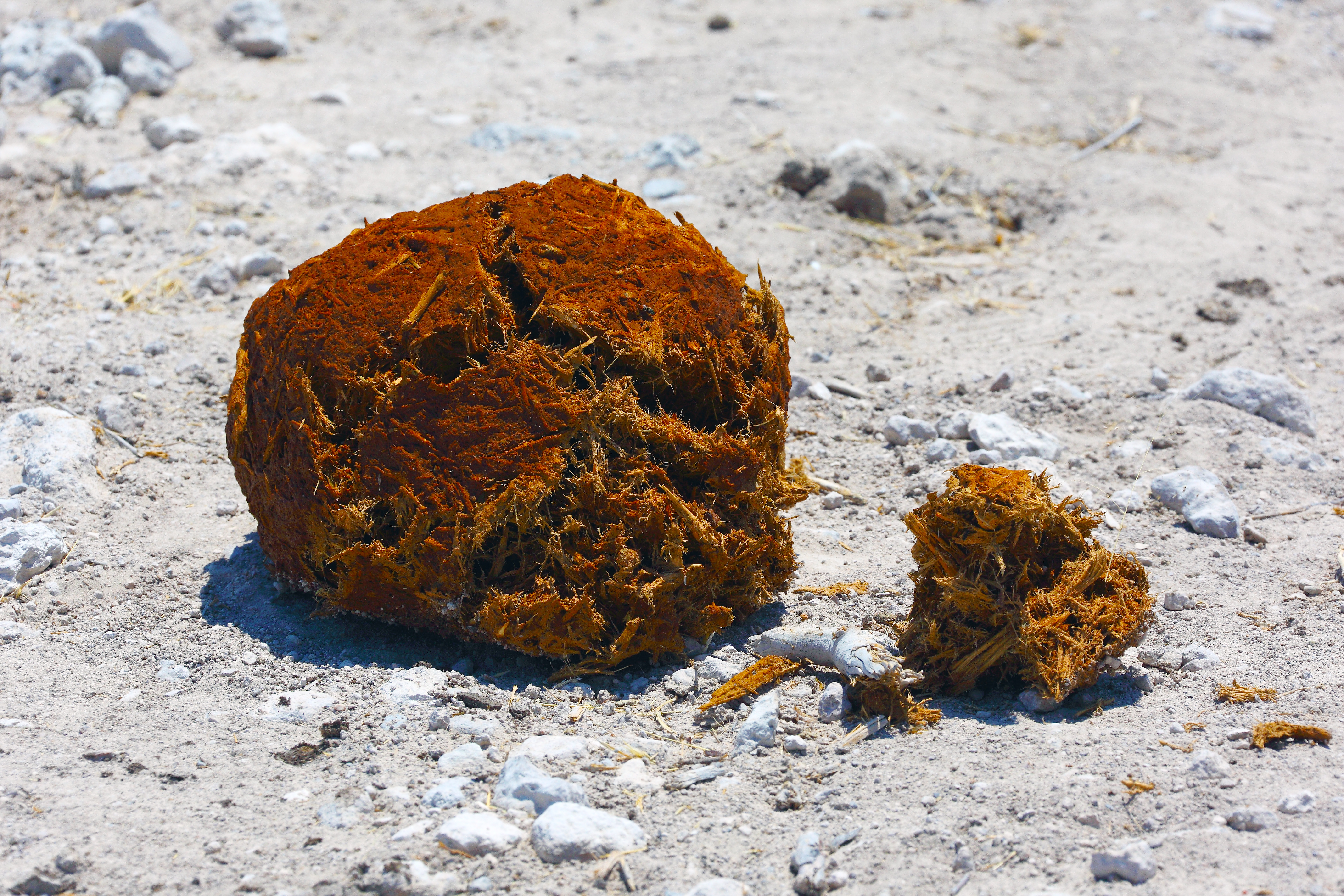
Nutrient Recovery Technologies: Fecal matter is rich in essential nutrients like nitrogen and phosphorus. Advanced technologies are being developed to recover these nutrients from wastewater, reducing reliance on synthetic fertilizers and mitigating eutrophication of water bodies. Techniques include struvite precipitation, biological nutrient removal processes, and membrane-based separation.
Environmental Sensing and Pathogen Surveillance: Protecting Public Health and Ecosystems
The presence of fecal matter in the environment can be a significant indicator of pollution and potential public health risks. Technological advancements are enabling more effective monitoring and surveillance.
Fecal Indicator Bacteria (FIB) Detection: Rapid and sensitive methods for detecting FIB (e.g., E. coli, enterococci) in water sources are crucial for assessing fecal contamination. Technologies range from traditional culture-based methods to rapid molecular assays and online biosensors that provide real-time monitoring of water quality in rivers, lakes, and coastal areas.
Pathogen Identification and Tracking: Advanced molecular techniques, such as PCR and whole-genome sequencing, are being used to identify specific human and animal pathogens in environmental samples. This allows for the tracking of disease outbreaks, identification of contamination sources, and the development of targeted public health interventions.
Remote Sensing and GIS Applications: Satellite imagery and Geographic Information Systems (GIS) are increasingly used to map potential sources of fecal contamination, such as agricultural runoff or sewage overflows. This data, combined with on-the-ground sensor data, provides a comprehensive picture for environmental management and disaster response.
The Future of Fecal Tech: AI, Robotics, and Beyond
The trajectory of technological innovation in fecal analysis points towards increasingly sophisticated and automated systems. The convergence of artificial intelligence, robotics, and advanced sensing will undoubtedly reshape this field further.
AI-Powered Fecal Analysis Platforms: From Raw Data to Actionable Insights
Artificial intelligence is poised to revolutionize how fecal data is interpreted. As mentioned earlier, machine learning algorithms are already crucial for analyzing metagenomic data. However, their applications are expanding.
Predictive Health Analytics: AI models can learn from vast datasets of fecal microbiome profiles, genetic markers, and clinical outcomes to predict an individual’s risk of developing certain diseases. This allows for proactive health management and personalized preventative strategies.
Automated Diagnostic Tools: AI-powered image recognition and analysis can be used to automate the examination of stool samples, identifying visual cues that might indicate disease. This could augment the capabilities of laboratory technicians and pathologists.
Drug Discovery and Development: The gut microbiome plays a significant role in drug metabolism and efficacy. AI can analyze fecal data to understand these interactions, potentially leading to the development of more effective and personalized drug therapies.
Robotics and Automation in Sample Handling and Processing
The manual nature of fecal sample collection and processing presents challenges in terms of consistency, throughput, and potential for human error. Robotics and automation offer solutions.
Automated Sample Collection Devices: While still largely in development, robotic systems for automated and standardized fecal sample collection could improve data quality and reduce the burden on individuals.
High-Throughput Screening Robots: Laboratory automation is already a reality in many research settings. Robots can precisely handle and process large numbers of fecal samples for various analyses, from DNA extraction to biochemical assays, significantly increasing efficiency and reducing turnaround times.
On-Site Analysis Devices: The development of portable, automated analyzers for on-site fecal analysis could enable rapid diagnostics in remote settings or during public health emergencies. These devices could integrate sample preparation, reagent delivery, and data interpretation, providing immediate results.
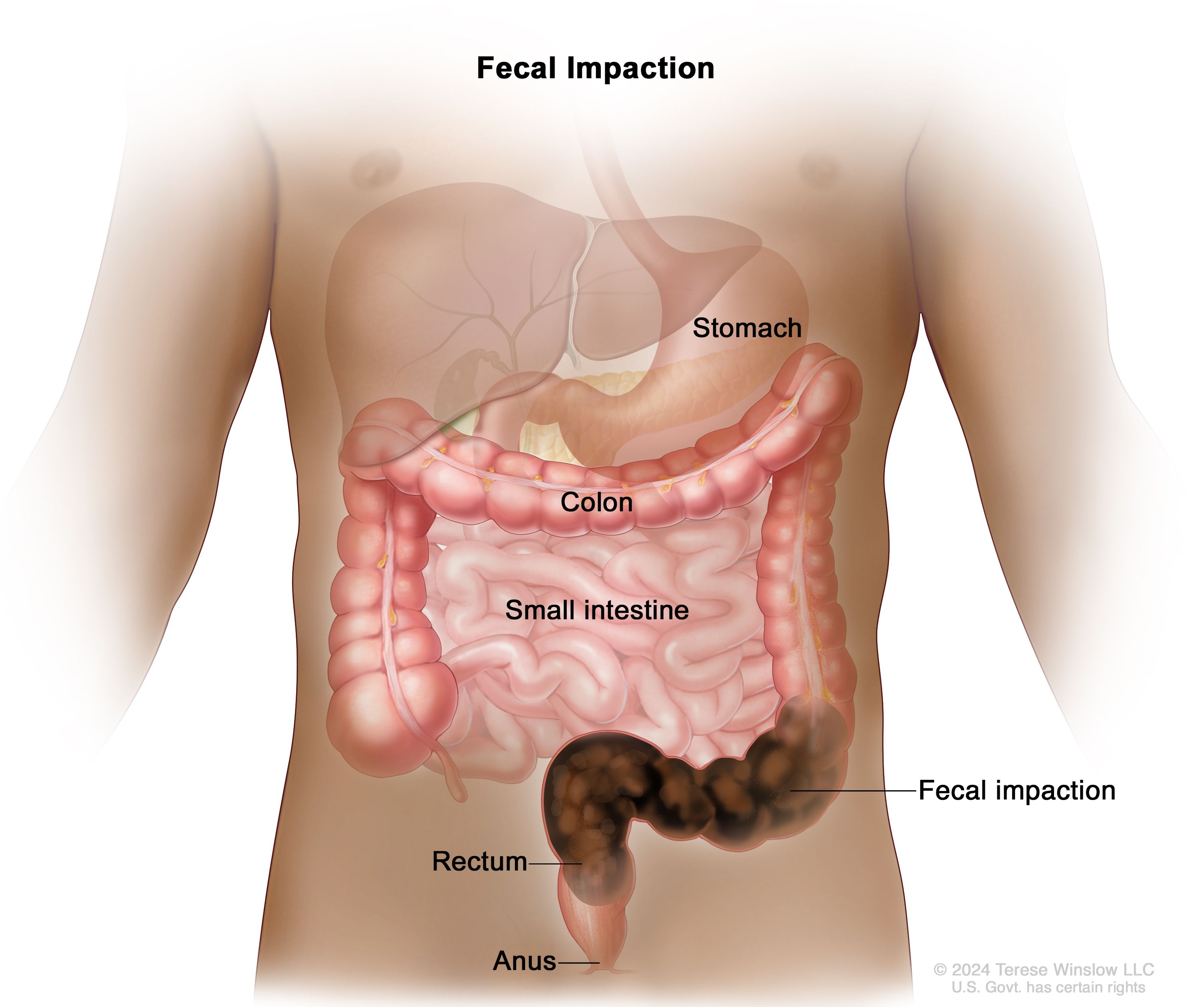
Conclusion: A Paradigm Shift in Fecal Understanding
The term “fecal”, once relegated to a narrowly defined biological context, is now at the nexus of significant technological advancement. From revolutionizing healthcare diagnostics and enabling personalized medicine through microbiome and biomarker analysis, to driving sustainability in waste management and environmental protection, technology is unlocking the immense potential held within fecal matter. The ongoing integration of AI, advanced robotics, and novel sensing technologies promises to further accelerate this paradigm shift, transforming our understanding and utilization of this fundamental aspect of life. The future of fecal technology is not just about analyzing biological material; it’s about harnessing data, driving innovation, and ultimately, improving human health and environmental well-being on a global scale.
aViewFromTheCave is a participant in the Amazon Services LLC Associates Program, an affiliate advertising program designed to provide a means for sites to earn advertising fees by advertising and linking to Amazon.com. Amazon, the Amazon logo, AmazonSupply, and the AmazonSupply logo are trademarks of Amazon.com, Inc. or its affiliates. As an Amazon Associate we earn affiliate commissions from qualifying purchases.