
In the rapidly evolving landscape of personal finance, the boundary between traditional banking and digital liquidity has become increasingly blurred. At the forefront of this transformation is the Cash App Card—officially known as the “Cash Card.” While many recognize Cash App as a peer-to-peer (P2P) payment service used to split dinner bills or pay friends, the Cash Card elevates the platform from a simple transfer utility into a robust financial tool.
Understanding the Cash Card is essential for anyone looking to optimize their daily spending, manage their digital assets, and navigate the world of modern fintech. It is not merely a piece of plastic; it is a physical extension of a digital wallet that offers unique advantages in budgeting, rewards, and financial security.
The Mechanics of the Cash Card: Bridging Digital and Physical Finance
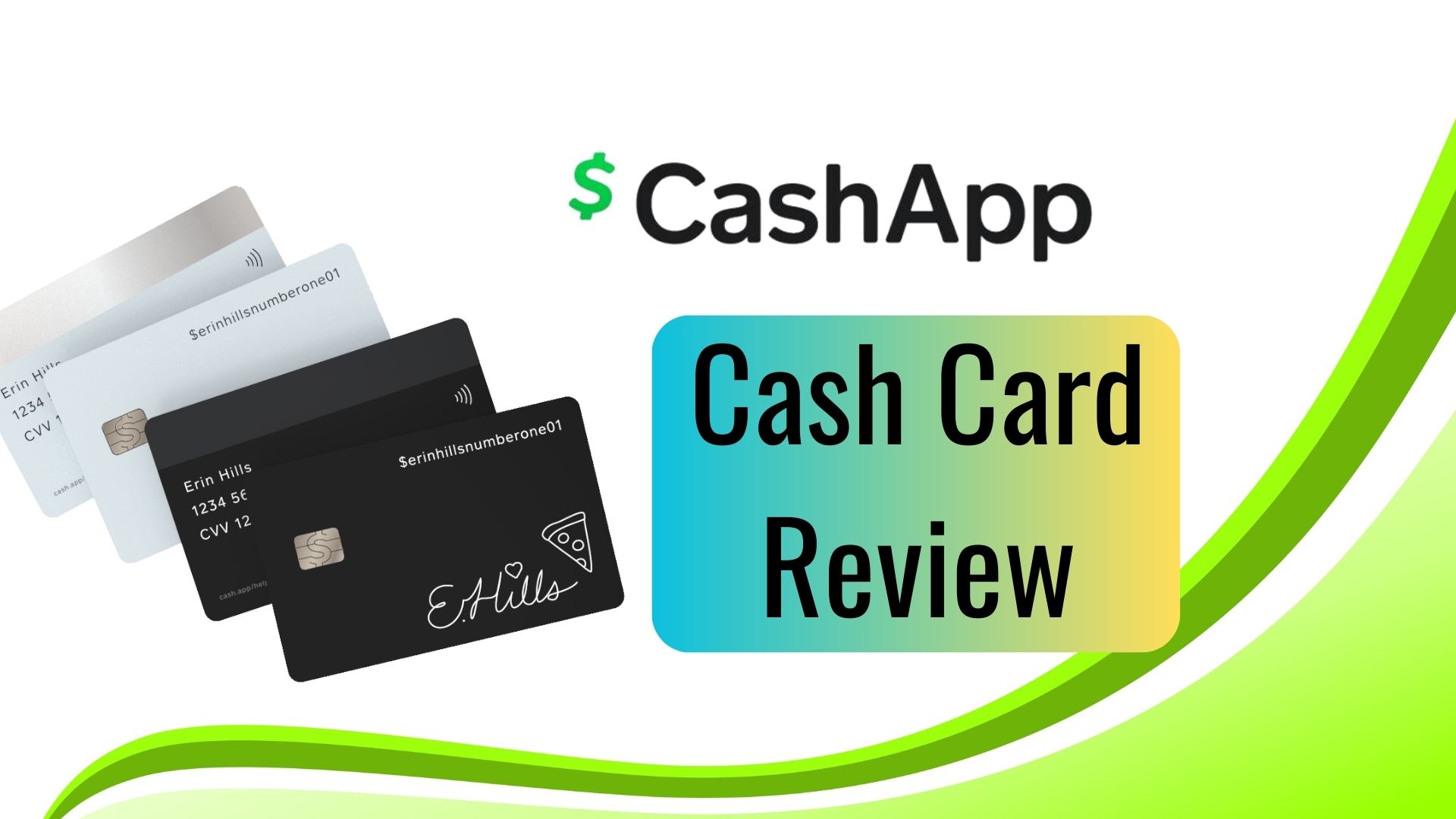
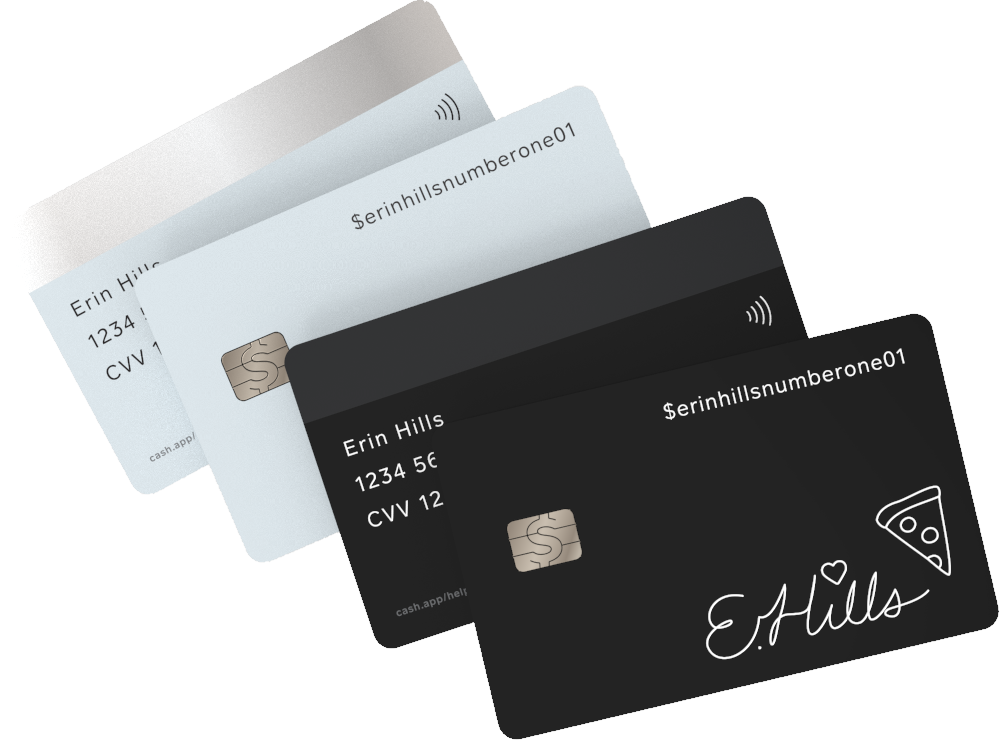
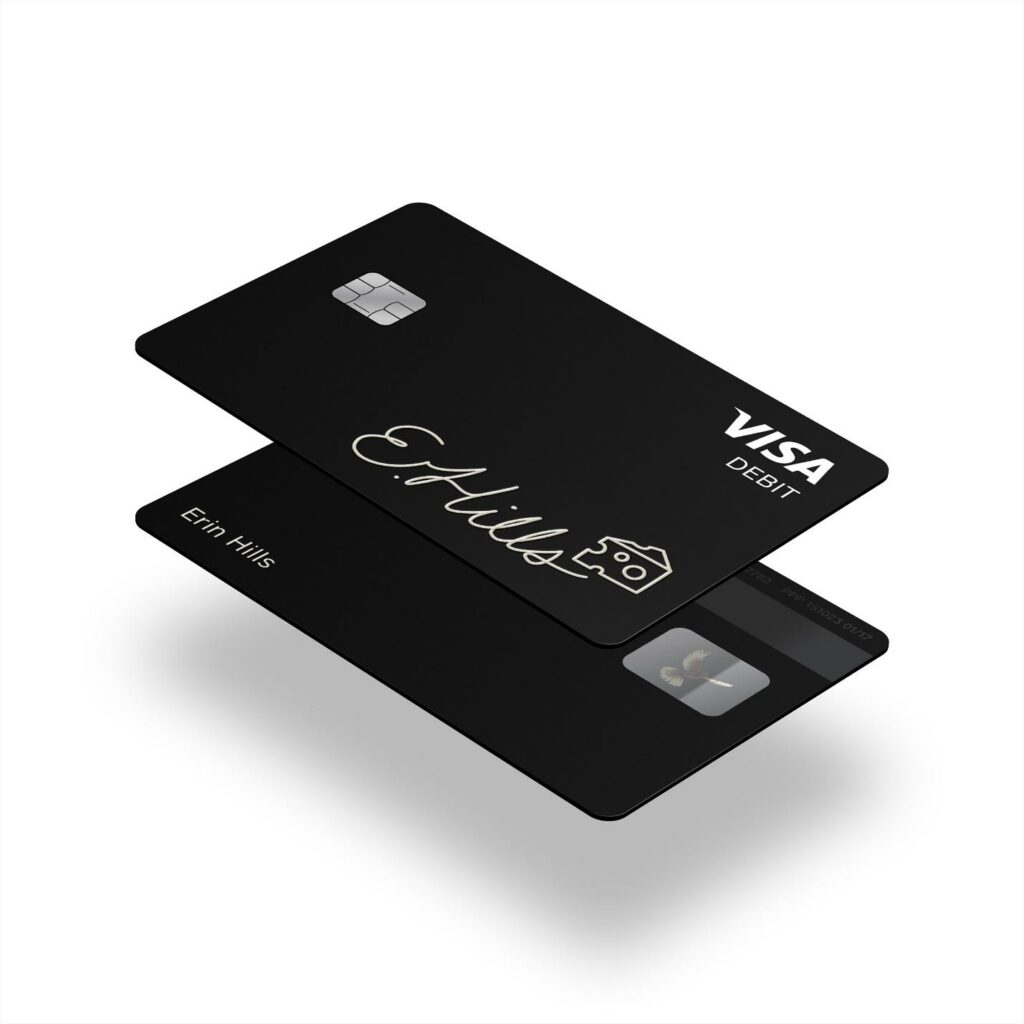
The Cash Card is a customizable Visa debit card linked directly to your Cash App balance. Unlike traditional bank cards that pull funds from a checking or savings account at a brick-and-mortar institution, the Cash Card draws from the “stored value” within your Cash App account. This distinction is critical for understanding its role in a modern financial portfolio.
How It Integrates with Your Cash App Balance
When you receive money through Cash App—whether it’s a transfer from a friend, a direct deposit from an employer, or a tax refund—that money sits in your digital balance. Without a Cash Card, accessing that money usually requires a “Standard” transfer to a traditional bank (which takes 1–3 business days) or an “Instant” transfer (which incurs a fee). The Cash Card eliminates this friction. By using the card, you gain immediate, real-time access to your funds for physical or online purchases, effectively turning your Cash App balance into a liquid spending account.
Visa Integration and Global Acceptance
Because the Cash Card is issued on the Visa network, its utility is nearly universal. It is accepted by millions of merchants worldwide, both in-store and online. This allows users to move away from the limitations of digital-only payments. Whether you are paying for groceries at a local supermarket, booking a flight, or setting up a recurring subscription for a streaming service, the Cash Card functions with the same reliability as a card issued by a national bank.
The Cost Structure: Fees and Limits
From a personal finance perspective, the cost of a tool is just as important as its utility. The Cash Card is free to order, and there are no monthly maintenance fees, inactivity fees, or foreign transaction fees. However, users should be aware of ATM policies. While Cash App charges a small fee for ATM withdrawals, these fees are often reimbursed for users who receive at least $300 in direct deposits per month. Understanding these nuances is key to using the card as a cost-effective alternative to traditional banking.
Maximizing Personal Finance with “Cash Boosts” and Rewards
One of the most compelling reasons to integrate the Cash Card into your financial routine is the “Cash Boost” program. In a world where credit card rewards often require high credit scores and complex point systems, Cash App offers a simplified, instant alternative that caters to the everyday consumer.
Understanding the Instant Discount Mechanism
“Boosts” are essentially instant-savings coupons that are applied directly to your Cash Card transactions. Unlike traditional “cash back” programs where you might wait a month to see a statement credit, Boosts are applied at the moment of purchase. For example, a user might activate a “10% off at any grocery store” Boost. If they spend $100, only $90 is deducted from their Cash App balance. This immediate feedback loop is an excellent tool for psychological reinforcement in saving money.
Strategic Spending for Maximum Savings
To use the Cash Card effectively as a financial tool, one must master the art of the Boost. Users can only have one Boost active at a time, but they can swap them out as often as they like. A savvy consumer might use a coffee shop Boost in the morning, swap it for a grocery Boost in the afternoon, and change it to a gas station Boost in the evening. This level of active engagement with one’s spending habits encourages more mindful consumption and can lead to significant monthly savings.
Comparison with Traditional Credit Card Rewards
While premium credit cards may offer higher percentage returns on specific categories (like travel), they often come with annual fees and the risk of accruing high-interest debt. The Cash Card, being a debit tool, limits your spending to what you actually own. For individuals focused on debt avoidance and simple budgeting, the instant gratification of a Boost often outweighs the long-term accumulation of credit card points.
Security and Risk Management in Modern Banking
As we shift our financial lives online, security remains a top priority. The Cash Card is designed with several layers of protection that provide users with more control than most traditional debit cards.
Real-Time Transaction Monitoring and “Lock” Features
The most powerful security feature of the Cash Card is the “Lock” toggle within the app. If you misplace your card, you can instantly disable it with a single tap. This prevents any unauthorized transactions while you search for the card. If you find it, you can unlock it just as easily. This eliminates the need to call customer service or permanently cancel a card due to a temporary loss. Furthermore, every transaction triggers a push notification on your smartphone, providing an immediate alert if your card is used without your permission.
Protecting Your Funds from Fraud
Because the Cash Card is a debit card, it lacks some of the robust federal protections afforded to credit cards under the Fair Credit Billing Act. However, Cash App employs sophisticated encryption and fraud-detection patterns. From a money management standpoint, a common strategy is to keep only a specific “spending” amount in the Cash App balance, while keeping the bulk of one’s savings in a separate, disconnected account. This “compartmentalization” limits the potential damage in the event of a compromised card.
FDIC Insurance and Regulatory Safeguards
A common question regarding fintech tools is: “Is my money safe?” While Cash App itself is a financial platform and not a bank, the funds in your account are held by partner banks (such as Lincoln Savings Bank or Community Federal Savings Bank). If you have a Cash Card, your balance is eligible for FDIC “pass-through” insurance up to $250,000. This provides the same level of institutional security that you would find at a traditional commercial bank, ensuring that your capital is protected against bank failure.
The Cash Card as a Tool for Budgeting and Financial Independence
For many, the Cash Card serves as a primary vehicle for achieving financial independence, especially for those who find traditional banking systems cumbersome or inaccessible.
Managing Daily Expenses Without Overdrafts
One of the greatest pitfalls of traditional checking accounts is the “overdraft fee.” If a user spends more than they have, banks often charge $30 or more per transaction. The Cash Card generally prevents this by simply declining transactions that exceed the available balance. This “hard limit” is a built-in budgeting tool that forces users to live within their means, making it an excellent choice for students, young professionals, or anyone looking to break the cycle of banking fees.
Using the Card for Alternative Income Streams
In the era of the “gig economy,” many people earn income through side hustles, freelance work, or selling goods online. Cash App has become a standard for receiving these payments. By utilizing the Cash Card, a freelancer can receive payment for a project and immediately use those funds to pay for business expenses or personal needs. This high “velocity of money” is essential for small business owners and independent contractors who need to manage cash flow efficiently.
The Role of the Cash Card in an Underbanked Economy
Millions of people worldwide are “underbanked,” meaning they lack access to traditional financial services. The Cash Card provides a low-barrier entry point into the formal economy. With the ability to receive direct deposits, pay bills, and save money—all without a credit check or a physical branch visit—the Cash Card acts as a bridge to financial literacy and stability for a diverse demographic of users.
Conclusion: The Future of Personalized Financial Tools
The Cash App Card represents more than just a way to pay for coffee; it is a symbol of the democratization of financial tools. By combining the ease of a mobile app with the universal utility of a Visa debit card, it empowers users to take active control of their money.
Whether you are using it to shave 5% off your weekly grocery bill through Boosts, protecting your main savings through account compartmentalization, or simply enjoying the convenience of instant access to your gig-economy earnings, the Cash Card is a versatile instrument in the modern financial toolkit. As the world continues to move away from physical currency and toward digital ecosystems, tools like the Cash Card will remain essential for anyone looking to navigate their personal finances with precision, security, and savvy.
aViewFromTheCave is a participant in the Amazon Services LLC Associates Program, an affiliate advertising program designed to provide a means for sites to earn advertising fees by advertising and linking to Amazon.com. Amazon, the Amazon logo, AmazonSupply, and the AmazonSupply logo are trademarks of Amazon.com, Inc. or its affiliates. As an Amazon Associate we earn affiliate commissions from qualifying purchases.