
In the rapidly evolving landscape of automotive engineering, the term “FBO” has transitioned from niche enthusiast jargon to a foundational concept in performance technology. Standing for “Full Bolt-On,” an FBO car represents a specific philosophy of vehicle modification. Unlike traditional engine rebuilding, which requires invasive mechanical surgery, the FBO approach focuses on optimizing the engine’s external components and its digital control systems to unlock latent potential.
This technological evolution is driven by the desire to maximize volumetric efficiency—the ability of an engine to move air and fuel in and out of its cylinders. In the modern era, being “FBO” is as much about software calibration as it is about hardware installation. To understand what an FBO car truly is, one must look at the intersection of mechanical engineering, fluid dynamics, and electronic control unit (ECU) programming.
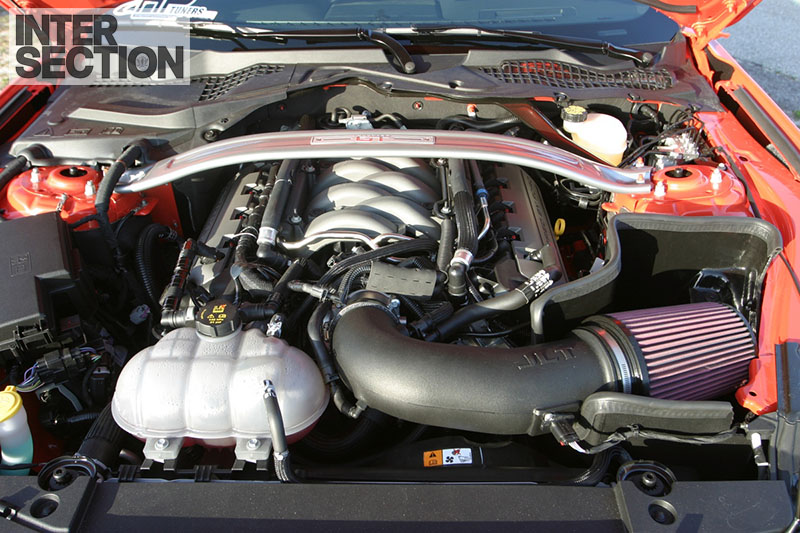
Defining the FBO Landscape: Mechanical and Software Integration
At its core, an FBO car is a vehicle that has been equipped with every significant external performance upgrade possible before one must resort to “opening the block”—meaning internal modifications like forged pistons, rods, or cams. It is the pinnacle of “plug-and-play” performance tech.
The Anatomy of a Bolt-On Component
A “bolt-on” part is defined by its installation method. These components are designed to replace factory parts using existing mounting points, requiring no permanent alteration to the vehicle’s chassis or engine structure. From a technological standpoint, these parts are engineered to bypass the compromises made by original equipment manufacturers (OEMs). OEMs must balance performance with noise vibration harshness (NVH) levels, cost-efficiency, and conservative emissions targets. FBO components strip away these compromises to prioritize data-driven performance metrics.
Why “Full” Bolt-On? The Synergy of Parts
The “Full” in FBO signifies a state of synergy. Installing a high-flow intake without an upgraded exhaust, or vice versa, creates a bottleneck in the system. An FBO build ensures that the entire “breathing” cycle of the engine is optimized. The technology works in a closed loop: more air enters through the intake, the fuel system is adjusted to match the increased oxygen, and the exhaust system is widened to expel the resulting gases faster. Without the complete suite of parts, the vehicle’s computer cannot fully capitalize on the hardware changes.
The Core Technological Components of an FBO Build
To achieve FBO status, a vehicle typically undergoes a series of hardware upgrades that target the bottlenecks of the internal combustion process. Each of these components utilizes advanced materials and design principles to enhance efficiency.
High-Flow Intake Systems and Airflow Dynamics
The first step in any FBO transformation is the intake system. Modern performance intakes utilize Computational Fluid Dynamics (CFD) to ensure that air enters the engine with minimal turbulence. Technology such as “velocity stacks” and “cold air boxes” ensures that the air is not only moving fast but is also as dense as possible. Denser air contains more oxygen molecules per cubic inch, which is the fundamental requirement for a more powerful combustion event.
Exhaust Architecture: Reducing Backpressure for Efficiency
On the exit side, FBO cars utilize high-performance exhaust manifolds (headers), downpipes, and cat-back systems. The goal here is the reduction of backpressure. In turbocharged vehicles, this is particularly critical. A high-flow downpipe allows the turbocharger to spool up faster by reducing the resistance the exhaust gases face as they leave the turbine housing. Advanced materials like T304 stainless steel or titanium are often used to manage the extreme thermal loads while reducing the overall weight of the vehicle.
Intercoolers and Thermal Management Tech
For forced induction vehicles (turbocharged or supercharged), an upgraded intercooler is a mandatory piece of the FBO puzzle. As air is compressed, it heats up, becoming less dense. High-efficiency intercoolers use advanced fin-and-tube or bar-and-plate technology to heat-exchange that energy with the ambient air. Keeping “Intake Air Temperatures” (IATs) low is essential for preventing “knock” or detonation, allowing the engine to run more aggressive timing safely.
The Role of ECU Tuning and Electronic Control Systems

While the hardware provides the potential, the software realizes it. In modern automotive tech, a car is only as fast as its code. This is where the FBO transition becomes truly sophisticated.
Re-mapping the Engine’s Digital Brain
The ECU (Electronic Control Unit) is the brain of the vehicle, managing everything from fuel injection pulse width to ignition timing and boost pressure. Factory ECU maps are designed for 87-octane fuel and extreme weather durability. An FBO tune—often referred to as a “Stage 2” or “Stage 3” map—overwrites these conservative parameters.
Technicians use specialized software to adjust the “Target Lambda” (air-fuel ratio) and “Ignition Advance.” By telling the engine exactly how much extra air is coming in from the FBO hardware, the software can command the fuel injectors to stay open longer and the spark plugs to fire at the precise millisecond for maximum pressure.
Data Logging and Real-Time Performance Analytics
Modern FBO technology heavily relies on data logging. Enthusiasts and tuners use OBD-II (On-Board Diagnostics) interfaces to monitor dozens of sensors in real-time. This allows for “Iterative Tuning,” where a car is driven, its performance data is analyzed on a graph, and the software is refined to smooth out any dips in power or inconsistencies in delivery. This level of digital scrutiny ensures that the FBO modifications are working in harmony rather than fighting against the factory safety limiters.
Engineering Challenges and Reliability in High-Performance Modifications
Upgrading a vehicle to FBO status is not without its engineering hurdles. Pushing a machine beyond its factory-intended output requires a deep understanding of mechanical stress and heat soak.
Balancing Power Output with Component Longevity
When you increase the horsepower of an engine by 30% or 50% through FBO mods, you are putting additional stress on the drivetrain. Tech-savvy builders must consider “supporting mods,” such as upgraded clutch packs for dual-clutch transmissions or reinforced engine mounts. The engineering challenge lies in finding the “sweet spot”—the maximum power the stock internal components can handle before the risk of mechanical failure becomes too high.
Legal and Environmental Compliance Technology
A significant challenge in the FBO world is emissions technology. Many FBO components, particularly high-flow catalytic converters or “test pipes,” can interfere with a vehicle’s ability to pass environmental inspections. To combat this, the industry has seen a rise in “Green” high-flow cats—components that use advanced precious metal coatings (platinum, palladium, and rhodium) to provide the airflow of a straight pipe while still chemically scrubbing the exhaust gases. This intersection of performance and environmental tech is a burgeoning field within the automotive sector.
The Future of FBO: Hybrid and Electric Performance Tech
As the automotive industry shifts toward electrification, the definition of an FBO car is undergoing a radical transformation. The “bolt-on” components of the future may look very different from the pipes and filters of today.
EV Performance Modules and Battery Management
In the realm of Electric Vehicles (EVs), “FBO” is beginning to refer to upgraded power inverters, high-discharge battery cooling systems, and software “un-corking.” Rather than optimizing airflow, the technology focuses on electron flow. High-voltage cabling with lower resistance and advanced thermal management for lithium-ion cells are the new headers and intakes.

Hybrid Synergy: The Best of Both Worlds
We are currently seeing a crossover era where hybrid performance cars utilize both traditional mechanical FBO parts and digital battery optimizations. This dual-pathway technology allows for a vehicle that has the visceral sound and mechanical character of a tuned combustion engine, supplemented by the instant torque of an electric motor.
In conclusion, an FBO car is a testament to the power of modern automotive technology. It represents a holistic approach to vehicle tuning where every component—from the physical air filter to the digital lines of code in the ECU—is synchronized for peak performance. Whether it is a classic turbocharged sports car or a modern performance sedan, the FBO philosophy remains the gold standard for enthusiasts looking to push the boundaries of what a factory machine can achieve without sacrificing its fundamental DNA.
aViewFromTheCave is a participant in the Amazon Services LLC Associates Program, an affiliate advertising program designed to provide a means for sites to earn advertising fees by advertising and linking to Amazon.com. Amazon, the Amazon logo, AmazonSupply, and the AmazonSupply logo are trademarks of Amazon.com, Inc. or its affiliates. As an Amazon Associate we earn affiliate commissions from qualifying purchases.