
In the evolving landscape of 21st-century education, the traditional “zero-tolerance” approach to school discipline is being replaced by a more nuanced, empathetic framework known as restorative practices. While the core of this movement is rooted in human connection and social-emotional learning, its modern implementation is increasingly driven by sophisticated EdTech solutions. By shifting the focus from punishment to reconciliation, restorative practices aim to repair harm and rebuild relationships. To scale these practices across large districts and diverse student bodies, technology has become an indispensable ally.
The Digital Evolution of Conflict Resolution: Defining Restorative Practices
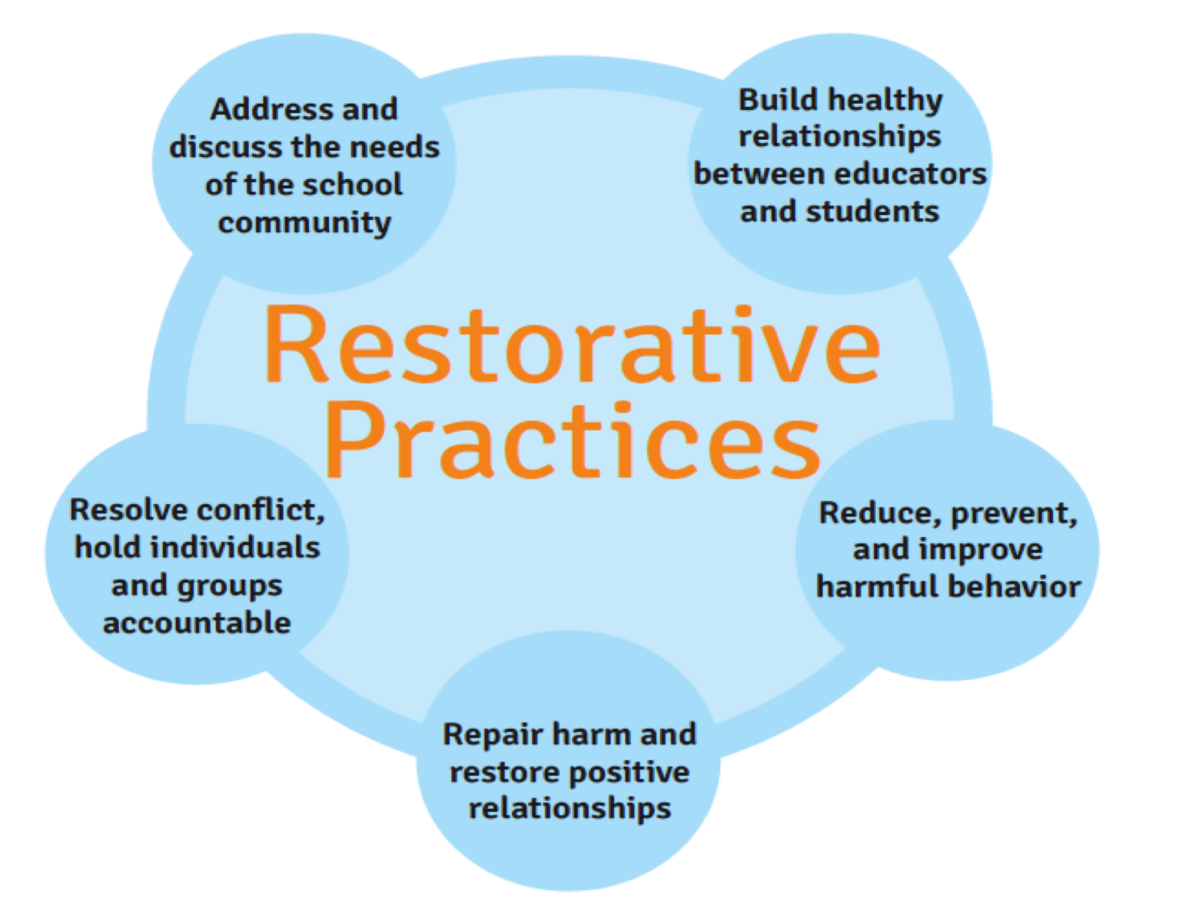
Restorative practices represent a social science that studies how to build social capital and achieve social discipline through participatory learning and decision-making. In a school setting, this means moving away from exclusionary measures—like suspensions or expulsions—which data shows are often ineffective and disproportionately impact marginalized communities. Instead, schools are adopting digital tools to facilitate “restorative circles,” peer mediation, and affective questioning.
From Punitive to Proactive: The Core Philosophy
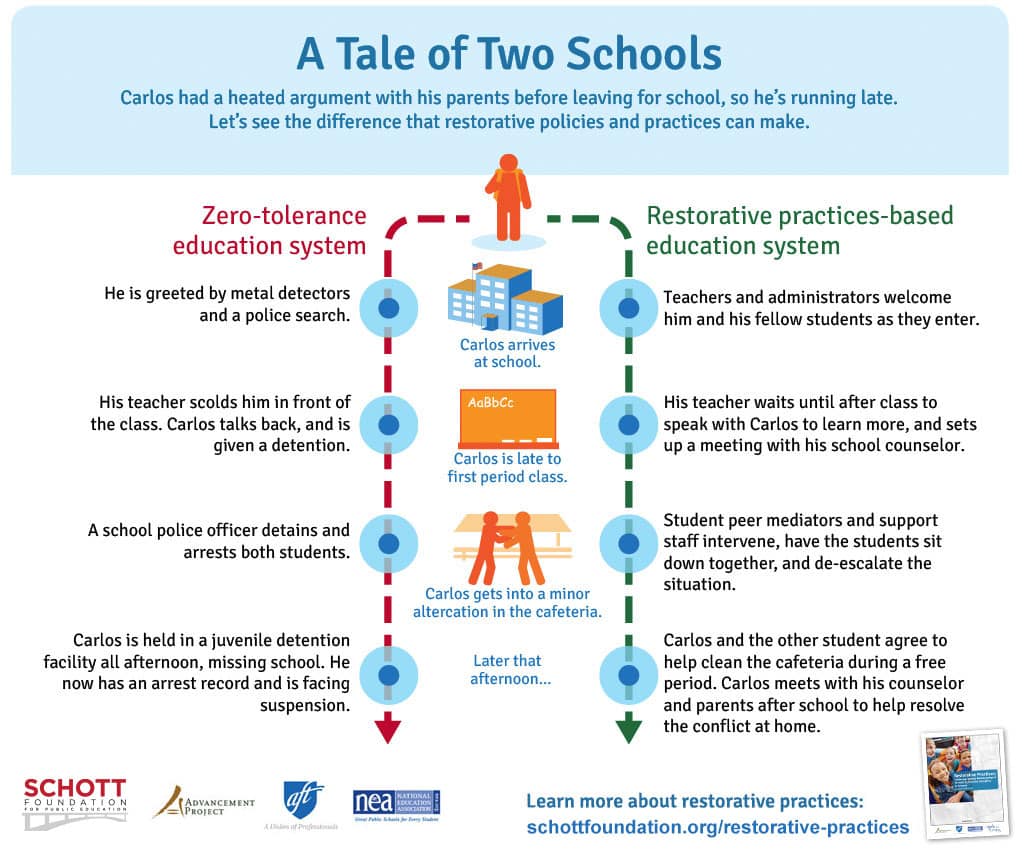
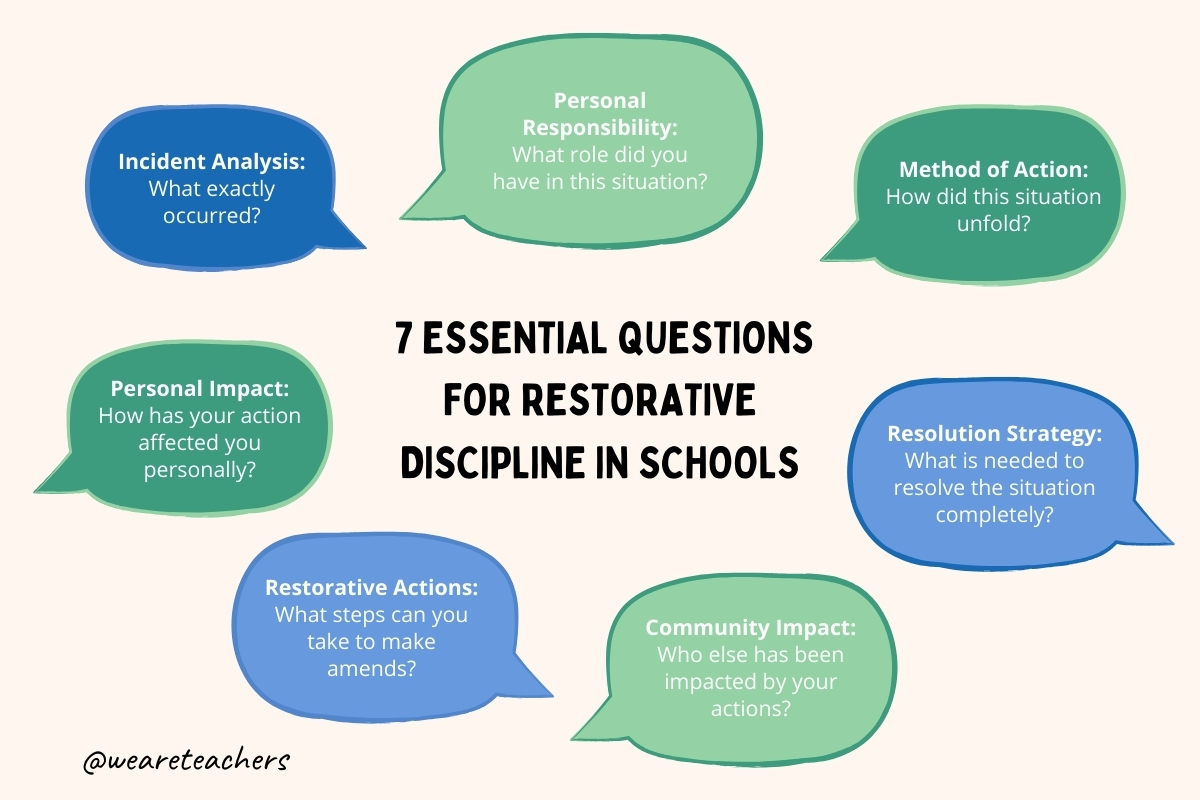
The traditional disciplinary model asks three questions: What rule was broken? Who broke it? What is the punishment? In contrast, the restorative model, often supported by behavioral tracking software, asks: What happened? Who was affected? What needs to happen to make things right?
This shift requires a massive cultural overhaul. Technology aids this transition by providing a structured framework for these conversations. Digital platforms can guide teachers through the “affective statements” and “restorative questions” necessary to de-escalate a situation, ensuring that even educators new to the practice have the tools to succeed at their fingertips.
The Role of Digital Platforms in Facilitating Circles
Restorative circles are the hallmark of this practice, where students and teachers meet to discuss issues and build community. Modern EdTech platforms now offer “Circle Apps” and scheduling modules that allow teachers to integrate these meetings into the daily digital calendar seamlessly. These tools provide prompts, timers, and digital “talking pieces” to ensure equity of voice, making the process more accessible for students who may be more comfortable communicating through a digital interface than in person.
EdTech Tools Facilitating Restorative Justice
To implement restorative practices effectively, schools need more than just a change in mindset; they need a robust technological infrastructure. The current market for educational software has expanded to include specialized modules designed specifically for behavioral management and social-emotional learning (SEL).
Incident Management and Reporting Software
Gone are the days of carbon-copy referral slips. Modern school management systems (SMS) and specialized platforms like Kickboard or Hero K12 allow for real-time reporting of both negative incidents and positive restorative actions. These tools enable teachers to log a “restorative intervention” as easily as they would a disciplinary infraction. By digitizing this process, schools can ensure that every step of a restorative agreement—such as a student performing a service or participating in a mediation—is tracked and followed through to completion.
Social-Emotional Learning (SEL) Apps and Mood Trackers
Technology serves as an early warning system in a restorative environment. Apps like Nearpod or specialized SEL platforms allow students to “check in” digitally at the start of the day. By analyzing these “mood checks” through data dashboards, administrators can identify students who may be at risk of conflict before an incident even occurs. This proactive use of technology allows for “pre-restorative” interventions, where a counselor can intervene based on digital triggers, thereby maintaining the school’s harmony.
Communication Portals for Inclusive Dialogues
A critical component of restorative justice is involving all stakeholders, including parents and guardians. Cloud-based communication portals bridge the gap between school and home. When a restorative circle is scheduled, automated notifications can be sent to parents, inviting them to participate via video conferencing. This ensures that the “repairing of harm” extends beyond the classroom and into the student’s broader support network, facilitated by seamless, secure digital communication.
Data Analytics: Quantifying Behavioral Transformation
One of the most significant advantages of integrating technology into restorative practices is the ability to collect and analyze behavioral data. For school boards and administrators, proving the efficacy of restorative practices is essential for continued funding and support.
Identifying Trends and Red Flags through AI
Artificial Intelligence (AI) and machine learning are beginning to play a role in school safety and discipline. By analyzing historical incident data, AI can identify patterns that are invisible to the human eye. For example, a data-driven dashboard might reveal that conflicts are most likely to occur in a specific hallway during a specific transition period. This allows the school to deploy restorative resources—like a “peace room” or additional staff—to that specific “hot spot,” using tech to inform physical presence.
Measuring the Impact on School Climate
Technology allows schools to move beyond tracking “bad behavior” to measuring the growth of “positive culture.” Digital surveys and climate-assessment tools provide real-time feedback on how students and staff perceive the school’s environment. By correlating these survey results with the frequency of restorative interventions logged in the system, schools can generate comprehensive reports that show the ROI (Return on Investment) of their restorative initiatives in terms of improved attendance, higher graduation rates, and reduced teacher burnout.
Implementing a Tech-Driven Restorative Framework
Adopting a restorative mindset is a journey, and technology can accelerate the onboarding process for staff and students alike. However, the implementation must be strategic to ensure the tools enhance, rather than hinder, the human connection at the heart of the practice.
Training and Professional Development via Virtual Learning
Professional development is the biggest hurdle for restorative practices. Virtual Reality (VR) and Augmented Reality (AR) simulations are now being used to train teachers in conflict de-escalation. These immersive experiences allow educators to practice facilitating a restorative circle in a safe, digital environment, receiving real-time feedback on their tone, body language, and questioning techniques. Additionally, Learning Management Systems (LMS) can host “micro-credentialing” courses in restorative justice, allowing teachers to upskill at their own pace.
Ensuring Privacy and Ethical Data Handling
As schools collect more data on student behavior and emotional states, digital security and ethics become paramount. Tech-driven restorative practices must comply with strict data privacy laws like FERPA and GDPR. It is essential that the software used is secure and that the data is used to support student growth, not to create a “digital permanent record” that follows a student negatively. Ethical tech implementation involves setting clear boundaries on who can access restorative logs and ensuring that the data is used through a lens of equity and support.
The Future of Restorative EdTech: AI and Beyond
The intersection of technology and restorative practices is still in its infancy. As we look forward, the role of tech will likely become even more integrated into the fabric of school culture.
We can expect to see more sophisticated “empathy-building” software, where students use VR to see a conflict from another student’s perspective. We may also see AI-driven “conflict coaches” that provide students with real-time suggestions on how to resolve a peer disagreement through a chat interface.
Furthermore, as schools move toward more personalized learning models, restorative tech will likely merge with academic tech. For example, if a student’s “mood tracker” indicates high stress, the LMS might automatically adjust the student’s workload or suggest a mindfulness break. In this future, the “restorative” element isn’t just a response to a fight; it is a holistic, tech-supported environment that prioritizes the well-being of the individual as the foundation for academic success.
Ultimately, restorative practices in schools represent a return to the fundamentals of human relationship-building, but it is technology that provides the scalability, data, and communication tools necessary to make these practices a reality in the modern, complex educational landscape. By leveraging the right software and data analytics, schools can move away from the “school-to-prison pipeline” and toward a “school-to-community” model that empowers students to take responsibility for their actions and grow through their mistakes.
aViewFromTheCave is a participant in the Amazon Services LLC Associates Program, an affiliate advertising program designed to provide a means for sites to earn advertising fees by advertising and linking to Amazon.com. Amazon, the Amazon logo, AmazonSupply, and the AmazonSupply logo are trademarks of Amazon.com, Inc. or its affiliates. As an Amazon Associate we earn affiliate commissions from qualifying purchases.