
In the ever-evolving landscape of technology, we interact with a multitude of devices daily. From smartphones and laptops to smart home appliances and networking equipment, these gadgets streamline our lives and connect us to the digital world. But what happens when things go awry? When a device behaves erratically, a setting is misconfigured, or we simply want to start fresh, a powerful tool often comes into play: the factory default reset. The term “factory default” is ubiquitous, but understanding its implications, benefits, and potential drawbacks is crucial for any tech-savvy individual.

This article will delve into the concept of factory default, exploring what it truly means for your devices. We’ll examine its relevance across various technological categories, its connection to digital security, and how understanding this reset point can even impact your personal and corporate branding, as well as financial considerations.
The Genesis of Factory Default: Returning to the “As-Is” State
At its core, a factory default refers to the original settings and configurations that a device has when it leaves the manufacturer’s assembly line. Think of it as the device’s pristine, unadulterated state. When you purchase a new electronic product, it comes pre-loaded with a specific operating system, pre-installed applications, default network settings, user preferences, and often, a basic security configuration. All of these elements constitute its factory default.
The term “default” itself implies a standard or preset option. When applied to a factory setting, it signifies the established baseline for that particular model and its intended functionality. This baseline is meticulously determined by the engineers and designers responsible for creating the device. They establish these defaults to ensure optimal performance, user accessibility, and a consistent experience for all users.
Understanding the Scope of a Factory Default Reset
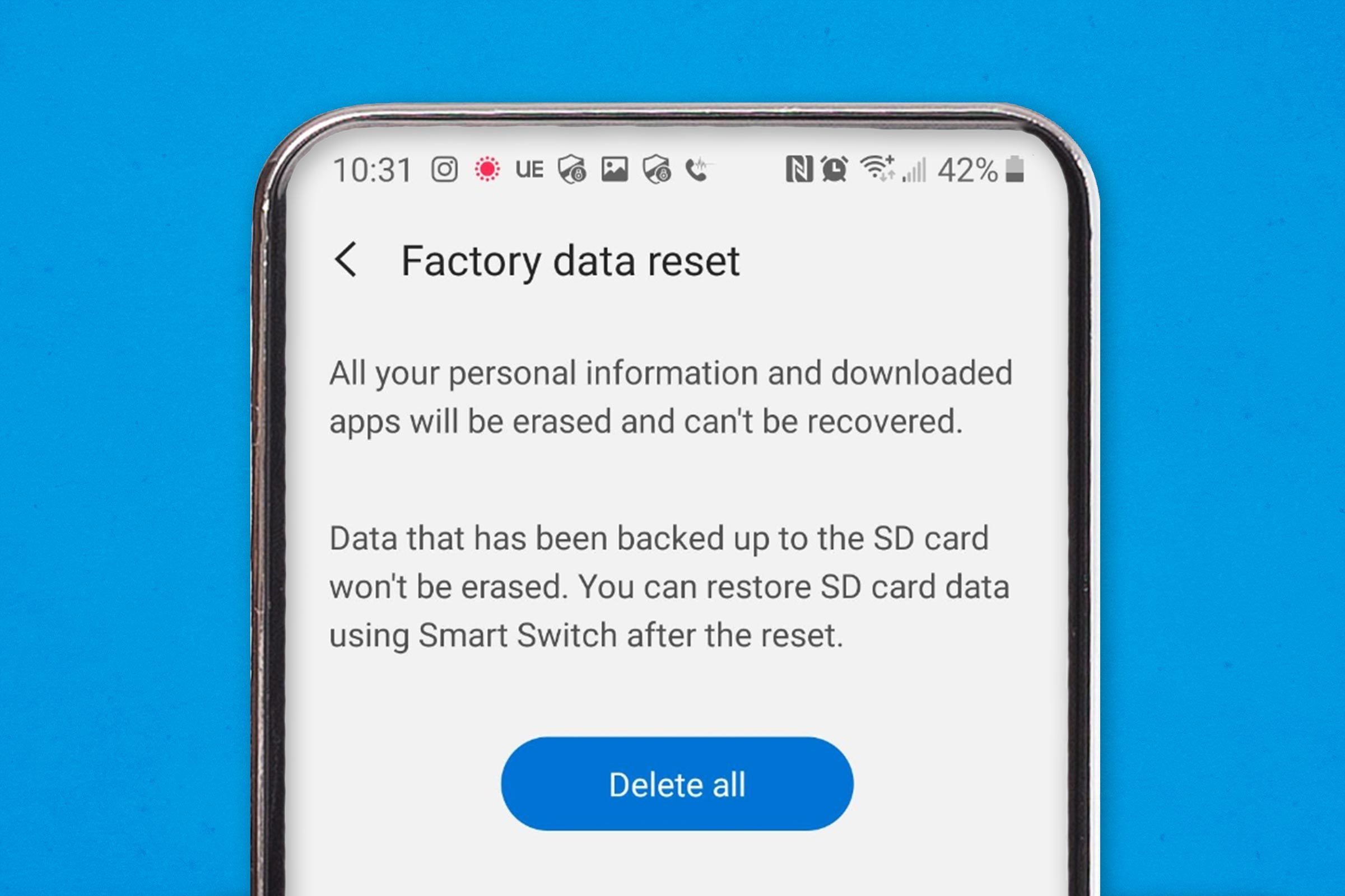
When you initiate a factory default reset, you are essentially instructing the device to wipe all user-installed data, custom settings, downloaded applications, and any modifications made since its initial setup. It reverts everything back to its original factory configuration. This process can be likened to a digital scrub, removing all traces of your personal usage and returning the device to a clean slate.
The specific data that gets erased can vary slightly depending on the device. However, in most cases, you can expect the following to be removed:
- User Accounts and Credentials: Any login information for accounts you’ve added (email, social media, app logins) will be purged.
- Downloaded Applications: All apps that you’ve installed from app stores or elsewhere will be uninstalled.
- Personal Files and Data: Photos, videos, documents, music, and any other files stored directly on the device’s internal storage will be deleted. It’s crucial to note that this often does not include data stored on external storage like SD cards or cloud backups.
- Custom Settings and Preferences: This includes Wi-Fi passwords, Bluetooth pairings, display brightness, sound profiles, wallpaper, app permissions, and any other user-defined adjustments.
- Network Configurations: Saved Wi-Fi networks, VPN settings, and other network-related configurations will be reset.
- System Software Updates: While the core operating system will be restored to its factory version, it’s important to remember that subsequent software updates might still be present if they were integrated into the firmware at a later manufacturing stage. However, the data associated with those updates, such as cached files or temporary data, will likely be removed.
It is imperative to emphasize that a factory default reset is a destructive process for user data. Before proceeding, it is always recommended to back up any essential information you wish to preserve.
Why Would You Need to Trigger a Factory Default Reset?
The utility of a factory default reset extends across a wide spectrum of scenarios, particularly within the realms of technology and even extending into brand management and financial considerations.
Technical Troubleshooting and Performance Enhancement
This is perhaps the most common reason for initiating a factory reset. When a device becomes sluggish, unresponsive, or exhibits unusual behavior, a reset can often resolve the issue.
- Software Glitches and Corruption: Over time, software can become corrupted due to bugs, incomplete updates, or conflicts between applications. A factory reset reinstalls a clean version of the operating system, effectively eliminating these software-related problems.
- Performance Degradation: As you install more apps and store more data, a device’s performance can gradually degrade. A reset can help reclaim storage space and remove background processes that might be hogging resources, leading to a faster and more responsive experience.
- Resolving App Conflicts: Sometimes, newly installed applications can cause unexpected issues or conflicts with existing software. A reset can help isolate the problem by removing all user-installed apps and allowing you to reinstall them selectively.
- Malware and Virus Removal: While not a foolproof solution for all forms of malware, a factory reset can effectively remove most viruses and malicious software that have infected the device. This is because the reset wipes the system clean, including any persistent malware that might have embedded itself.
Preparing a Device for Resale or Donation
When you decide to sell, trade-in, or donate a device, ensuring that your personal data is completely erased is paramount. A factory default reset is the most effective way to achieve this.
- Protecting Personal Privacy: Failing to properly wipe a device before parting with it can expose your sensitive information to the next owner. This includes passwords, financial details, personal photos, and browsing history. A factory reset acts as a digital privacy shield.
- Ensuring a Clean Slate for the New User: A reset provides the new owner with a device that is ready to be set up as if it were brand new, offering them a fresh and uncluttered experience.
Security Best Practices and Vulnerability Mitigation
In the digital security domain, a factory reset can be a crucial step in mitigating potential vulnerabilities.
- Removing Persistent Threats: If you suspect your device has been compromised by sophisticated malware or spyware that is difficult to remove through conventional means, a factory reset is a robust solution. It ensures that any deeply embedded malicious code is purged.
- Starting with a Secure Baseline: For devices that have undergone extensive customization or have been exposed to potentially insecure configurations, a reset allows you to start again with the manufacturer’s default security settings, which are generally designed to be secure. This is particularly relevant for network devices like routers.
Factory Defaults and Your Digital Footprint: Beyond the Hardware
The concept of “factory default” isn’t confined solely to the technical specifications of a gadget. It has significant implications when we consider our personal and corporate brands, and even our financial well-being.
The Brand Implications of Defaults
In the world of Brand strategy, the idea of a “factory default” resonates with the concept of a brand’s core identity.
- Corporate Identity: For businesses, their corporate identity is their “factory default” – the fundamental essence of what they are. When a company undergoes rebranding or experiences a crisis, they might need to “reset” their public perception, much like a device reset. This involves re-establishing core values, visual identity, and messaging to return to a desired, or perhaps a more refined, “default” state.
- Personal Branding: For individuals, their personal brand is their default setting in the professional and social spheres. If one’s reputation is damaged or their online presence is misaligned with their goals, a strategic “reset” might be necessary. This could involve curating social media, updating professional profiles, and actively re-engaging with their audience to redefine their perceived “default.”
- Product Design and User Experience: When designing products or software, manufacturers establish default settings that aim to provide an intuitive and accessible user experience. These defaults are the initial impression users get of the product’s usability. Poorly designed defaults can lead to frustration and a negative perception of the brand, while well-thought-out defaults can enhance user satisfaction and brand loyalty.
Financial Considerations and Default Settings
The realm of Money also touches upon the concept of factory defaults, particularly in how they can affect our financial habits and decisions.
- Financial App Defaults: Many personal finance and investing apps come with pre-set default settings for budgeting, savings goals, or investment allocation. Understanding these defaults is crucial. Are they aligned with your financial philosophy? For instance, a default savings rate might be too low for aggressive wealth accumulation. You need to actively adjust these defaults to match your financial objectives.
- Online Banking and Security: Default security settings on financial platforms are designed for a baseline level of protection. However, to truly safeguard your money, you often need to go beyond these defaults. Enabling two-factor authentication, setting up transaction alerts, and adjusting privacy settings are all ways of customizing your “factory default” security to a higher standard.
- Credit Card and Loan Defaults: In the financial world, “default” also refers to the failure to meet the legally binding obligations of a loan or credit agreement. This is a severe consequence that deviates from the “default” expectation of timely repayment. Understanding the terms and conditions, and thus the expected “default” behavior of a financial product, is vital to avoid such negative outcomes.
- Investment Platform Defaults: When setting up investment accounts, platforms often have default investment options or portfolio allocations. It’s important to review these and ensure they align with your risk tolerance and investment horizon, rather than blindly accepting the “factory default” recommendation.
The Nuances of Factory Default: What You Need to Know Before Resetting
While a factory default reset can be a powerful solution, it’s not a magic wand and comes with certain considerations.
Heading3: What Happens to Firmware and Software Updates?
As mentioned earlier, a factory default reset typically restores the device’s operating system to the version it shipped with. However, this can be a point of confusion.
- Firmware vs. User Data: Firmware is the low-level software that controls the hardware. It’s generally more deeply embedded than user-installed applications or data. A factory reset usually affects user-generated data and settings, not the core firmware itself.
- Impact on Latest Updates: If you have installed significant operating system updates since purchasing the device, a factory reset will revert you to the older, factory-installed version. This means you will likely need to re-download and install all available updates after the reset to get your device back to its most current and secure state. For some devices, like routers, the firmware might be updated during a reset if a newer version is embedded in the reset process itself, but this is less common for consumer electronics.
Heading3: Data Recovery After a Factory Default Reset
The short answer is: usually not easily, and often not at all. A factory default reset is designed to be a thorough erasure.
- Overwriting Data: When a factory reset occurs, the device’s storage is essentially formatted, and all existing data is marked as available space. New data is then written over this space, making the original data increasingly difficult, if not impossible, to recover.
- Professional Data Recovery: In some highly specialized and costly scenarios, professional data recovery services might be able to retrieve some fragments of data, especially if the reset was not a complete “secure erase” function. However, for typical users, this is not a practical or affordable solution.
- The Importance of Backups: This underscores the critical importance of regular backups. Cloud storage services, external hard drives, and built-in backup features are your best defense against data loss from a factory reset.

Conclusion: Embracing the “Reset” as a Tool for Control
The concept of “factory default” is a fundamental aspect of our interaction with technology. It represents the original state of a device, a baseline from which all our personalizations and modifications stem. Understanding what a factory default reset entails, why and when to use it, and its broader implications for our digital lives is empowering.
From troubleshooting a sluggish smartphone to safeguarding your privacy before selling a device, the factory default reset is a powerful tool in your technological arsenal. Furthermore, by drawing parallels to brand strategy and financial management, we see how the underlying principle of returning to a foundational state, or consciously deviating from it, can inform our decisions in diverse areas of our lives. By embracing the “reset” not as a last resort, but as a deliberate option for control and optimization, we can navigate the complexities of the digital world with greater confidence and efficiency.
aViewFromTheCave is a participant in the Amazon Services LLC Associates Program, an affiliate advertising program designed to provide a means for sites to earn advertising fees by advertising and linking to Amazon.com. Amazon, the Amazon logo, AmazonSupply, and the AmazonSupply logo are trademarks of Amazon.com, Inc. or its affiliates. As an Amazon Associate we earn affiliate commissions from qualifying purchases.