
Facet arthropathy of the lumbar spine, often referred to as lumbar facet joint osteoarthritis, is a common and frequently misunderstood condition. While the term itself might sound intimidating, understanding its intricacies is crucial for anyone experiencing persistent lower back pain. This article aims to demystify facet arthropathy lumbar, exploring its underlying mechanisms, common symptoms, diagnostic approaches, and importantly, how modern technological advancements and strategic approaches can empower individuals in managing this condition. We’ll also touch upon the financial implications and how to navigate them effectively.
The lumbar spine, the lower part of your backbone, is a marvel of biomechanical engineering. It supports the weight of your upper body, facilitates movement, and protects the spinal cord. At its core are the facet joints, small joints located on the back of each vertebra. These joints are lined with cartilage, which acts as a shock absorber, allowing the vertebrae to glide smoothly against each other during movements like bending, twisting, and extending. They also play a vital role in stabilizing the spine.
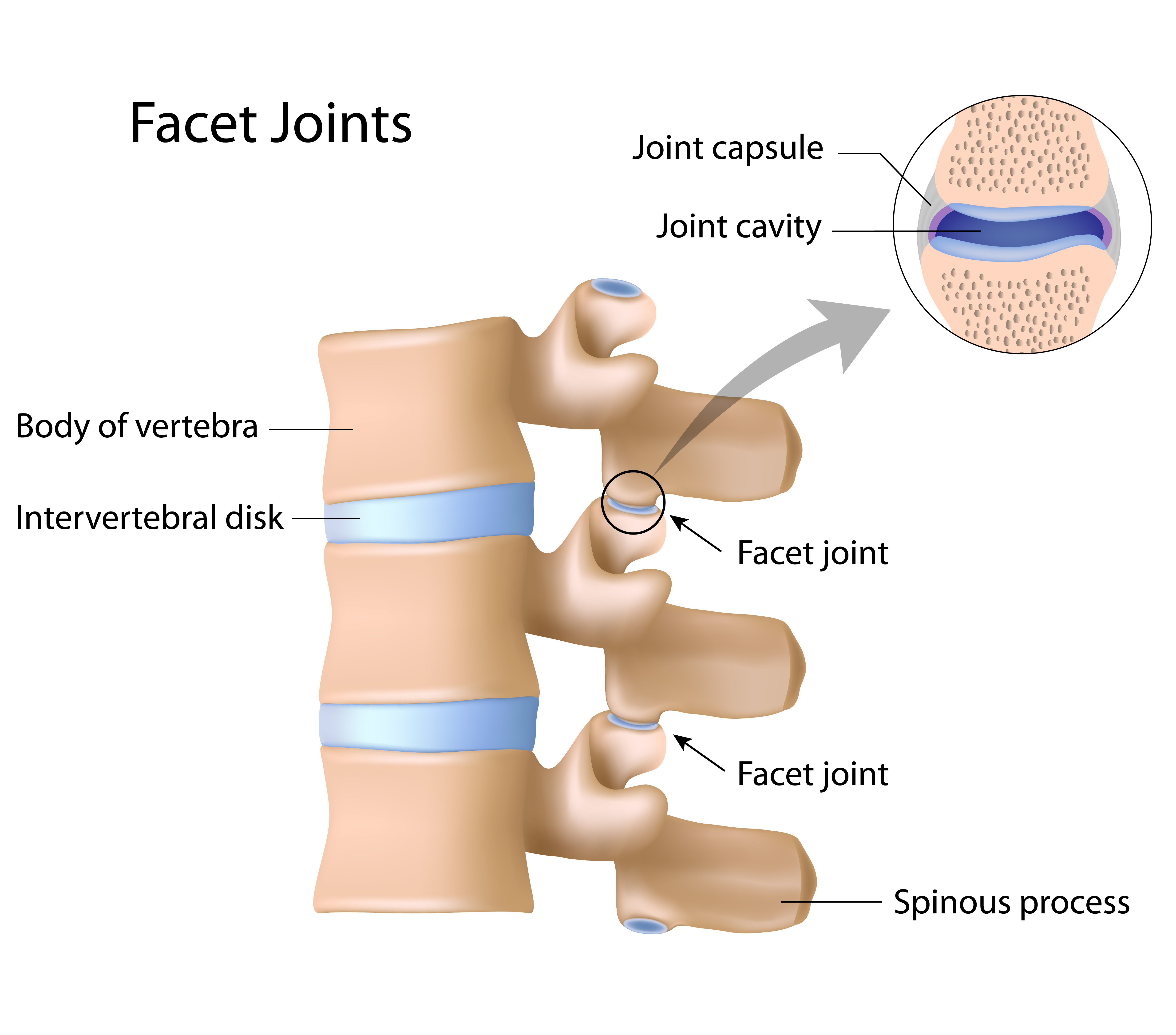
Facet arthropathy lumbar occurs when the cartilage within these facet joints begins to degenerate. This breakdown can lead to pain, inflammation, stiffness, and a decrease in spinal mobility. Think of it like the wear and tear on the hinges of a door; over time, the smooth gliding action is compromised, leading to friction and discomfort.
The Biomechanics of Lumbar Facet Arthropathy: Understanding the Wear and Tear
To truly grasp what facet arthropathy lumbar is, we need to delve into the biomechanical factors that contribute to its development and progression. This condition is fundamentally a degenerative process, meaning it happens gradually over time due to repeated stress, aging, and other contributing factors.
The Role of Cartilage and Synovial Fluid
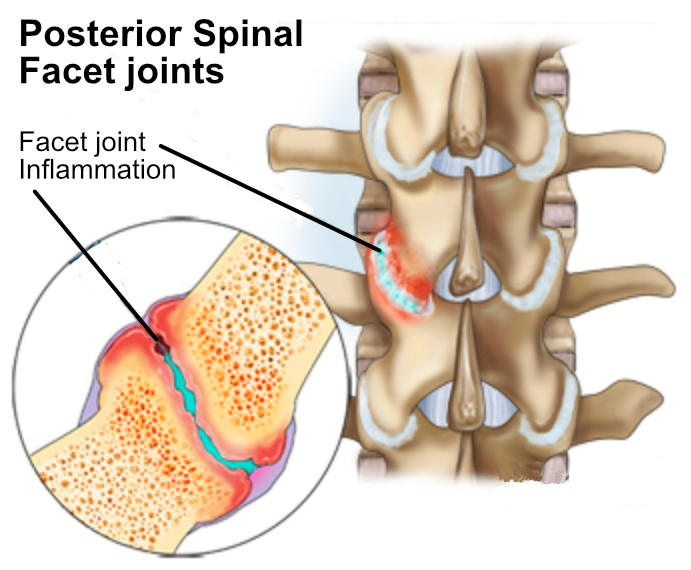
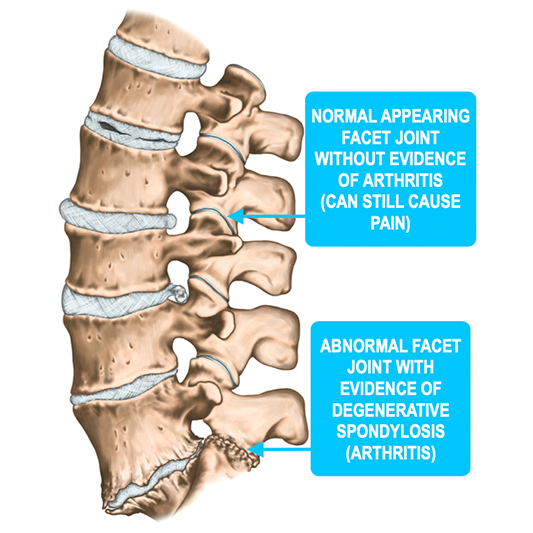
The facet joints are synovial joints, characterized by a joint capsule filled with synovial fluid. This fluid acts as a lubricant, reducing friction between the articular cartilage that covers the ends of each facet. The cartilage itself is a smooth, resilient tissue that absorbs impact and allows for effortless movement. In facet arthropathy, this cartilage thins and breaks down, exposing the underlying bone. As the cartilage wears away, the joint space narrows, and the bones can rub directly against each other. This friction can lead to the formation of bone spurs (osteophytes), which are bony outgrowths that can further irritate the joint and surrounding nerves.
Factors Contributing to Degeneration
Several factors can accelerate or initiate the degenerative process in the lumbar facet joints:
- Age: As we age, the natural wear and tear on our joints accumulate. Cartilage loses its hydration and elasticity, making it more susceptible to damage.
- Genetics: Some individuals may be predisposed to developing osteoarthritis due to their genetic makeup, which can influence cartilage health and joint structure.
- Mechanical Stress and Overuse: Repetitive movements, heavy lifting, and prolonged poor posture can place excessive stress on the lumbar facet joints. Occupations that involve significant physical labor or athletes participating in sports with high spinal impact are at increased risk.
- Trauma and Injury: Previous injuries to the lumbar spine, such as fractures or dislocations, can disrupt the normal mechanics of the facet joints and accelerate degeneration.
- Obesity: Excess body weight places increased mechanical load on the spine, including the facet joints, contributing to faster wear and tear.
- Spondylolisthesis and Other Spinal Abnormalities: Conditions like spondylolisthesis, where one vertebra slips forward over another, can misalign the facet joints and lead to abnormal stress and degeneration.
The interplay of these factors can create a vicious cycle. Degenerated cartilage leads to increased friction, which can cause inflammation and further cartilage breakdown. This inflammation can also affect the synovial fluid, reducing its lubricating properties.
Recognizing the Symptoms: When Facet Arthropathy Lumbar Makes Itself Known
The manifestation of facet arthropathy lumbar can vary significantly from person to person. Some individuals may experience mild discomfort, while others suffer from debilitating pain. The symptoms often tend to be worse with certain movements and improve with rest.
Common Symptom Presentation
- Localized Lower Back Pain: The most prominent symptom is pain that is often described as a dull ache or stiffness in the lower back. This pain can be more pronounced on one side or spread across the lower back.
- Pain with Extension and Twisting: Movements that involve arching the back (extension) or twisting the torso typically exacerbate the pain. This is because these movements put direct pressure on the facet joints.
- Morning Stiffness: Many individuals report stiffness in their lower back, particularly in the morning, which may improve as they move around.
- Referred Pain: In some cases, the pain from the facet joints can radiate. This referred pain can travel into the buttocks or even down the back of the thigh, though it typically doesn’t extend below the knee. This is an important distinction from sciatica, which often involves nerve compression and can cause more intense radiating pain and numbness/tingling.
- Tenderness: The area over the affected facet joints may be tender to the touch.
- Pain with Prolonged Standing or Sitting: While rest can offer relief, prolonged periods of standing or sitting, especially in certain positions, can also aggravate the pain.
It’s important to note that the presence of bone spurs on imaging does not automatically equate to pain. Many individuals have facet joint degeneration visible on X-rays or MRIs without experiencing any symptoms. The pain is usually a result of inflammation within the joint, irritation of the surrounding nerves, or the mechanical consequences of the altered joint structure.
Navigating Diagnosis and Treatment: A Multifaceted Approach
Diagnosing facet arthropathy lumbar involves a combination of a thorough medical history, physical examination, and imaging studies. Once diagnosed, treatment strategies aim to alleviate pain, improve function, and slow the progression of the condition.
Diagnostic Pathways
- Medical History and Physical Examination: A healthcare professional will ask detailed questions about your pain, its onset, aggravating and relieving factors, and any past injuries. A physical examination will involve assessing your range of motion, palpating your back for tenderness, and performing specific maneuvers to evaluate facet joint involvement.
- Imaging Studies:
- X-rays: These are often the first-line imaging modality. They can reveal narrowing of the joint space, bone spurs, and other degenerative changes in the facet joints.
- MRI (Magnetic Resonance Imaging): MRI provides more detailed images of soft tissues, including cartilage, and can better assess the extent of degeneration, inflammation, and any potential involvement of surrounding nerves.
- CT Scan (Computed Tomography): CT scans offer excellent visualization of bone detail and can be particularly useful for evaluating bone spurs and structural abnormalities.
- Diagnostic Facet Joint Injections: In some cases, a diagnostic injection of a local anesthetic and corticosteroid into the suspected facet joint can be performed. If this injection provides significant, albeit temporary, pain relief, it strongly supports the diagnosis of facet arthropathy as the source of pain.
Treatment Modalities
The treatment approach for facet arthropathy lumbar is typically conservative and aims to manage symptoms rather than cure the underlying degeneration.
- Conservative Management:
- Physical Therapy: This is a cornerstone of treatment. A tailored exercise program can help strengthen the muscles that support the spine, improve flexibility, and enhance posture. Therapists will focus on exercises that avoid exacerbating facet joint pain.
- Pain Management: Over-the-counter or prescription pain medications, such as nonsteroidal anti-inflammatory drugs (NSAIDs), can help reduce pain and inflammation.
- Lifestyle Modifications: Weight management is crucial for reducing the load on the spine. Improving posture through ergonomic adjustments at work and home can also make a significant difference.
- Heat and Cold Therapy: Applying heat or cold packs can provide temporary relief from pain and stiffness.
- Interventional Procedures:
- Facet Joint Injections: Therapeutic injections, similar to diagnostic ones, can be used to deliver corticosteroids directly into the facet joint to reduce inflammation and provide longer-lasting pain relief.
- Radiofrequency Ablation (RFA): This procedure involves using heat generated by radiofrequency energy to “burn” the small nerves that transmit pain signals from the facet joints. This can offer significant pain relief for a period, typically several months to a couple of years.
- Surgical Intervention: Surgery is rarely the first-line treatment for facet arthropathy lumbar. It is typically considered only when conservative and interventional treatments have failed to provide adequate relief, and the condition is significantly impacting quality of life. Surgical options may include fusion of the affected vertebrae to stabilize the spine.
Leveraging Technology and Strategy for Enhanced Management
While facet arthropathy lumbar is a physical condition, the journey of managing it can be significantly enhanced by embracing technological advancements and strategic approaches, particularly those that fall within the domains of Tech and Brand.
Tech-Enabled Solutions for Monitoring and Rehabilitation
The Tech landscape offers a wealth of tools that can empower individuals with facet arthropathy lumbar:
- Wearable Fitness Trackers and Sensors: These devices can track daily activity levels, monitor posture throughout the day, and even provide feedback on movement patterns. By understanding which activities exacerbate pain and when, individuals can make informed adjustments. Advanced sensors can potentially detect subtle changes in gait or spinal alignment, offering early warnings for potential flare-ups.
- Telehealth and Remote Physical Therapy Platforms: For individuals who find it challenging to attend in-person appointments, telehealth platforms offer a convenient way to consult with healthcare professionals and receive personalized guidance. Remote physical therapy programs, often incorporating video demonstrations and progress tracking apps, can ensure adherence to exercise regimens and allow therapists to monitor progress effectively, even from afar.
- AI-Powered Pain Management Apps: Emerging AI applications are being developed to analyze pain patterns, suggest personalized coping strategies, and even offer guided meditation or mindfulness exercises to help manage chronic pain. These apps can act as digital companions, providing support and insights into managing the condition.
- Virtual Reality (VR) for Rehabilitation and Pain Distraction: VR technology is showing promise in physical rehabilitation by creating immersive environments for exercises that might otherwise be painful or monotonous. It can also be used as a distraction therapy, diverting the brain’s attention from pain signals.
- 3D Printing for Orthotics and Bracing: While not a direct treatment for facet arthropathy, custom-designed orthotics or spinal braces, potentially created using 3D printing technology, can offer personalized support and improve biomechanical alignment, indirectly alleviating stress on the facet joints.
Brand Building and Personal Empowerment Through Information and Community
The “Brand” aspect is not just for corporations; it’s about how you present yourself and your journey, and how you leverage resources to build a strong personal narrative around managing your health.
- Curating Reliable Information Sources: In an age of information overload, it’s crucial to build a “brand” of knowledge by identifying and relying on reputable sources of information about facet arthropathy lumbar. This includes established medical websites, research journals, and patient advocacy groups. Avoiding misinformation is key to making informed decisions about your health.
- Personal Branding as an Advocate for Your Health: By actively learning about your condition, understanding your treatment options, and communicating effectively with your healthcare team, you are essentially building a personal brand as an empowered patient. This proactive approach can lead to better outcomes and a greater sense of control.
- Building a Support Network (Community): Connecting with others who have similar conditions, whether through online forums or local support groups, can be incredibly beneficial. Sharing experiences, coping strategies, and encouragement can foster a sense of community and reduce feelings of isolation. This network can become a valuable part of your personal “brand” of resilience.
- Utilizing Design and Visual Aids for Understanding: While the website topics don’t directly address medical visuals, think about how clear infographics, diagrams, or even well-designed patient education materials can significantly improve understanding of complex medical information. This is an application of design principles to personal health literacy.
Financial Considerations and Smart Money Management
The journey of managing a chronic condition like facet arthropathy lumbar inevitably involves financial considerations. Smart financial planning and leveraging available resources can ease this burden.
Navigating Healthcare Costs and Insurance
- Understanding Your Insurance Coverage: Thoroughly understand your health insurance policy, including deductibles, co-pays, and coverage for physical therapy, diagnostic injections, and potential surgical procedures. Being proactive in this area is akin to a business understanding its budget.
- Exploring Out-of-Pocket Costs: For services not fully covered by insurance, be prepared for out-of-pocket expenses. This might involve costs for medications, specialized equipment, or alternative therapies.
- Seeking Financial Assistance Programs: Many hospitals and healthcare systems offer financial assistance programs for patients who demonstrate financial need. Don’t hesitate to inquire about these options.
- Negotiating Medical Bills: In some instances, it may be possible to negotiate payment plans or even reduce the cost of medical bills, especially for large expenses.
Investing in Your Well-being: A Long-Term Perspective
While facet arthropathy lumbar can be a source of pain, viewing your health as an investment rather than just an expense can shift your perspective.
- Prioritizing Proactive Care: Investing in regular check-ups, adhering to physical therapy recommendations, and adopting healthy lifestyle habits are investments in preventing further degeneration and maintaining your quality of life.
- Exploring Side Hustles or Flexible Income Streams (if applicable): For some, managing chronic pain might impact their ability to work full-time. Exploring flexible side hustles or income streams that can be managed from home or on a flexible schedule can provide financial stability and a sense of purpose without exacerbating their condition.
- Long-Term Financial Planning: If the condition has long-term implications for your earning potential or requires ongoing medical care, incorporating these considerations into your long-term financial planning is essential. This might involve adjusting retirement savings goals or ensuring adequate disability insurance.
In conclusion, facet arthropathy lumbar is a complex degenerative condition of the lumbar spine. By understanding its biomechanics, recognizing its symptoms, and adopting a multifaceted approach to diagnosis and treatment, individuals can effectively manage its impact. Furthermore, by strategically leveraging technological advancements for monitoring and rehabilitation, building a strong personal narrative around health empowerment, and practicing astute financial management, individuals can navigate the challenges of facet arthropathy lumbar with greater confidence and a higher quality of life. It’s about a holistic approach, combining medical expertise with intelligent personal strategies.
aViewFromTheCave is a participant in the Amazon Services LLC Associates Program, an affiliate advertising program designed to provide a means for sites to earn advertising fees by advertising and linking to Amazon.com. Amazon, the Amazon logo, AmazonSupply, and the AmazonSupply logo are trademarks of Amazon.com, Inc. or its affiliates. As an Amazon Associate we earn affiliate commissions from qualifying purchases.