
In the hyper-competitive landscape of the global cosmetics industry, the emergence of face primer stands as a masterclass in brand strategy and category creation. Once a specialized tool reserved for professional makeup artists on film sets and high-fashion runways, face primer has been repositioned by savvy brand architects as an indispensable step in the daily beauty ritual of the average consumer. To understand “what is face primer makeup” from a branding perspective is to understand the art of the “bridge product”—a strategic innovation designed to fill the gap between skincare and color cosmetics, thereby increasing customer lifetime value and expanding market share.
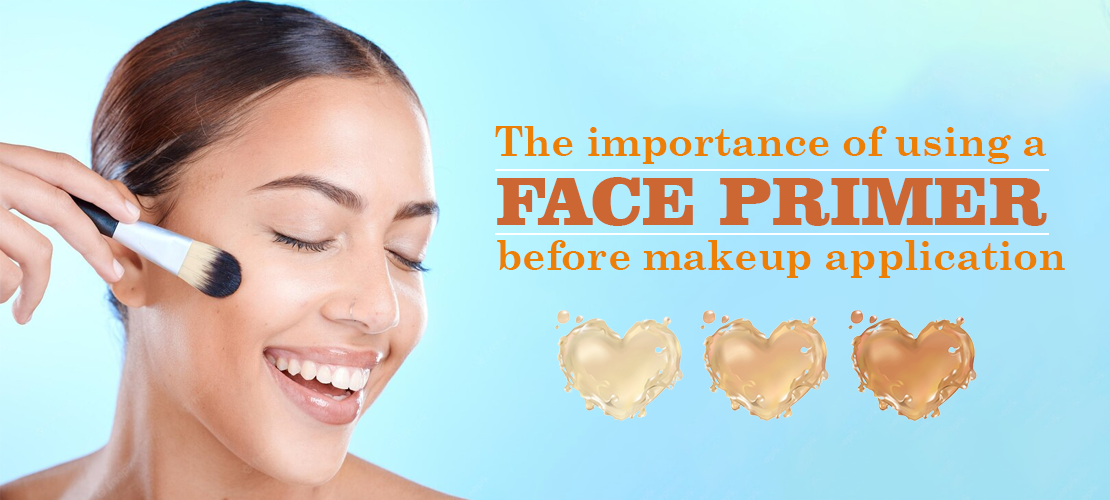
The Anatomy of a Category Creator: Defining Face Primer in the Modern Market
From a brand strategy standpoint, a face primer is more than just a preparatory base; it is a solution-oriented product designed to optimize the performance of subsequent layers. For decades, the consumer journey went directly from moisturizer to foundation. This gap represented a “friction point” in the user experience—foundation often faded, settled into fine lines, or changed color due to oxidation.
From Backstage Secret to Retail Staple
The transformation of primer from a niche professional secret to a retail powerhouse began in the late 1990s and early 2000s. Iconic brands like Smashbox were among the first to realize that the “problem” of makeup longevity could be packaged into a “solution” sold at a premium. By branding the product as a “Photo Finish” necessity, they tapped into the consumer’s desire for professional-grade results at home. This shift effectively created a new category in the beauty aisle, forcing competitors to follow suit or lose relevance in the burgeoning “high-definition” era of cosmetics.
The Psychology of “The Perfect Canvas”
The marketing of face primer relies heavily on the metaphor of the “perfect canvas.” In brand communications, the skin is rarely described as a living organ; instead, it is framed as a surface that requires “prepping,” “priming,” and “perfecting.” By using language borrowed from the world of fine art and industrial design, brands elevate the act of applying makeup into a disciplined process. This psychological positioning justifies the additional step in a consumer’s routine, transforming a “nice-to-have” luxury into a “need-to-have” foundation for any successful look.
Strategic Positioning: How Brands Sell the Invisible
One of the greatest challenges in branding a face primer is that the product is designed to be invisible. Unlike a lipstick or an eyeshadow, the success of a primer is measured by what the consumer doesn’t see—pores, shine, or makeup breakdown. This requires a sophisticated marketing approach focused on functional utility and emotional benefits.
Functional Utility vs. Emotional Benefit
Successful brands bifurcate their primer messaging. The functional utility focuses on the chemistry: silicone-based formulas for smoothing, water-based formulas for hydration, and aluminums for oil control. However, the emotional benefit is where the brand loyalty is built. Brands like Hourglass or Laura Mercier position their primers as “confidence in a bottle,” promising that the user will not have to worry about their appearance throughout a long workday or a special event. They are selling peace of mind and the promise of “all-day perfection.”
Segmenting the Market through Specific Solutions
As the category matured, brands moved away from a “one-size-fits-all” primer to hyper-segmented offerings. This is a classic brand expansion strategy. Today, a single brand might offer five different primers:
- Mattifying Primers: Targeted at younger demographics or those with oily skin types.
- Hydrating Primers: Positioned for aging populations or dry-skin concerns.
- Color-Correcting Primers: Utilizing color theory (green for redness, peach for dark spots) to solve specific dermatological complaints.
- Illuminating Primers: Tapping into the “glass skin” and “glow” trends popular in Eastern beauty markets.
This segmentation allows a brand to capture a wider “share of wallet” by providing highly specific solutions to every conceivable skin concern.
The Role of Packaging and Visual Identity in Primer Branding
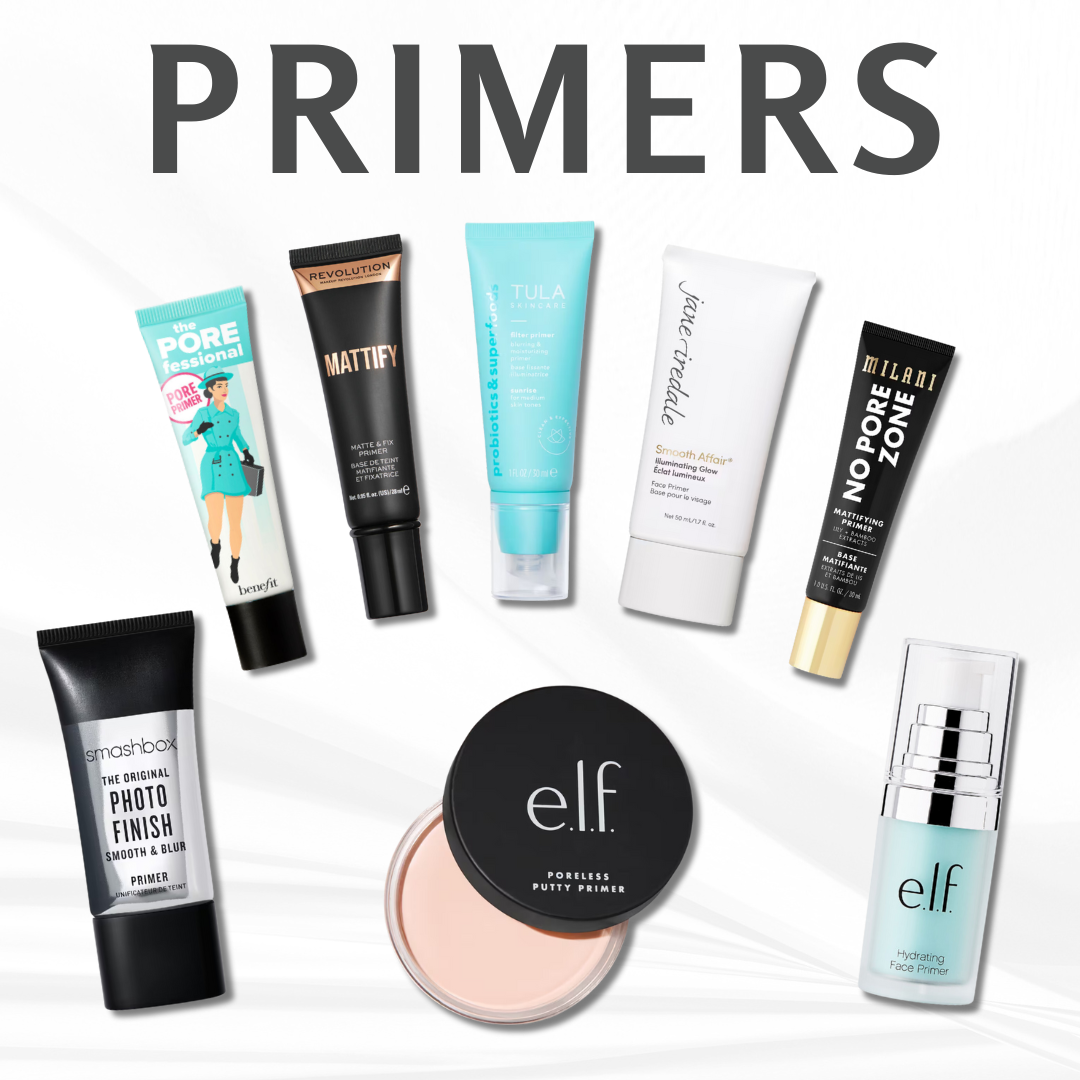
In the beauty industry, the medium is often the message. The packaging and visual identity of a face primer must communicate its specific promise before the consumer even touches the formula.
Minimalist Aesthetic and Clinical Authority
Many high-end brands opt for a “clinical” or “prestige” aesthetic for their primers. Frosted glass bottles, minimalist typography, and airless pumps suggest a level of scientific rigor. This branding strategy aligns the primer more closely with skincare than with the “playfulness” of color cosmetics. By positioning the primer as a serious, efficacious tool, brands can command a higher price point, often rivaling the cost of the foundation itself.
Sensory Branding and Texture as a Value Proposition
Because primers are all about the tactile experience, the “hand-feel” of the product is a vital part of the brand identity. Brands like Tatcha have built entire identities around the texture of their primers—such as the “Silk Canvas”—which evokes a sense of luxury and traditional craftsmanship. The way a product feels as it glides over the skin is a primary driver of brand advocacy and repeat purchases. In digital marketing, brands use high-definition “macro shots” of the product texture to convey this sensory experience to a screen-bound audience.
Digital Marketing and the Influencer Ecosystem
The rise of digital media has been the single most significant factor in the global explosion of the primer category. The way face primers are marketed today is inextricably linked to the “Zoom effect” and the demands of high-definition digital cameras.
The “Zoom Effect” and High-Definition Expectations
With the ubiquity of high-resolution smartphone cameras and the rise of video conferencing, consumers have become hyper-aware of their skin’s texture. Brands have capitalized on this “digital dysmorphia” by marketing primers as “real-life filters.” The brand promise is no longer just about how the makeup looks in person, but how it translates through a lens. This has led to the development of “blurring” primers, a term directly borrowed from photo-editing software like Photoshop.
Leveraging Tutorials for Educational Marketing
Primer is an “educational” sale. Brands utilize YouTube and TikTok influencers to demonstrate the “before and after” effects of a primed face. These tutorials serve as a soft-sell marketing tool, where the influencer validates the brand’s claims in a relatable, peer-to-peer format. By showing the primer’s ability to “grip” foundation or “smooth” pores in real-time video, brands bypass traditional skepticism and build immediate trust with the consumer.
Future-Proofing the Brand: Innovation and Sustainability in Primer Formulations
As consumer values shift toward transparency and environmental responsibility, makeup brands must evolve their primer strategies to remain competitive. The next frontier for face primers lies in “clean beauty” and the blurring of lines between makeup and medicine.
Clean Beauty and Transparent Sourcing
Modern consumers are increasingly wary of silicones and parabens—staples of traditional primer formulas. Brands that successfully pivot to “clean” or “natural” primers are winning over the Gen Z and Millennial cohorts. This involves a total rebranding of the product’s “engine.” Instead of petroleum-derived smoothers, brands are marketing plant-based alternatives like marshmallow root or agave extract. The brand narrative shifts from “chemical perfection” to “botanical performance.”
The Integration of Skincare and Cosmetics (The Hybridization Trend)
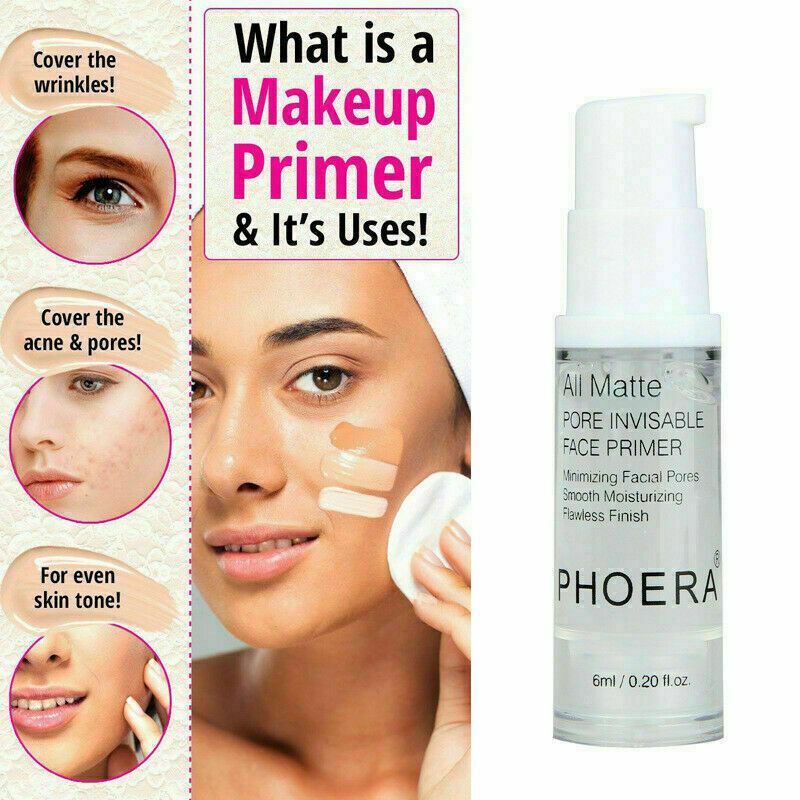
The most significant trend in current brand strategy is “skinification.” Consumers no longer want a primer that just sits on top of the skin; they want one that treats the skin underneath. Brands are now infusing primers with active ingredients like Hyaluronic Acid, Niacinamide, and Vitamin C. This “hybrid” approach allows the brand to market the product as a multi-tasker, appealing to the “minimalist” consumer who wants fewer steps but better results.
By positioning the face primer as a treatment-first product, brands are able to secure a place in both the skincare and makeup routines of their customers. This strategic convergence ensures that the “invisible” step of the makeup routine remains a visible part of the brand’s bottom line for years to come. In conclusion, face primer is not just a cosmetic product; it is a tactical triumph of modern branding, designed to solve problems, create desire, and ultimately, bridge the gap between the skin we have and the skin we want the world to see.
aViewFromTheCave is a participant in the Amazon Services LLC Associates Program, an affiliate advertising program designed to provide a means for sites to earn advertising fees by advertising and linking to Amazon.com. Amazon, the Amazon logo, AmazonSupply, and the AmazonSupply logo are trademarks of Amazon.com, Inc. or its affiliates. As an Amazon Associate we earn affiliate commissions from qualifying purchases.