
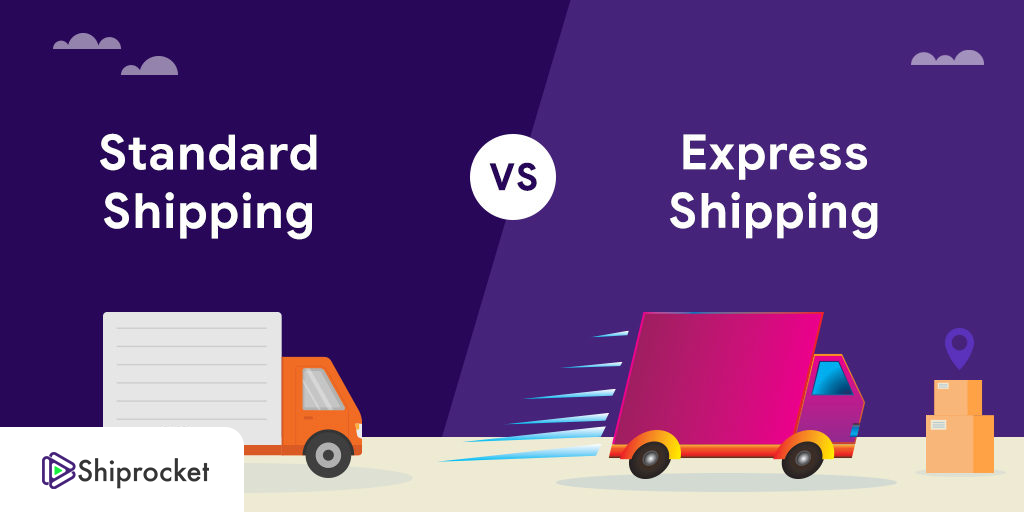
In the era of instant gratification, the term “express delivery” has evolved from a premium service into a global standard. At its core, express delivery refers to the expedited shipping of goods, typically ensuring that a package reaches its destination within 24 to 72 hours. While the concept sounds simple, the infrastructure required to move a parcel across continents or crowded urban centers in less than a day is an engineering and technological marvel.
In the modern landscape, express delivery is no longer just about faster trucks or more planes; it is about the seamless integration of artificial intelligence, real-time data analytics, and autonomous hardware. This article explores the technological architecture that defines express delivery, from the algorithms that predict consumer behavior to the robotics that manage the “last mile.”

The Digital Backbone: Logistics Management Systems and Real-Time Tracking
The foundation of any express delivery network is its software stack. Unlike traditional shipping, which might rely on batch processing and scheduled routes, express delivery operates on a dynamic, real-time model. This is made possible through advanced Logistics Management Systems (LMS) and the Internet of Things (IoT).
Automated Route Optimization
One of the most significant technological hurdles in express delivery is the “Traveling Salesperson Problem”—finding the most efficient route for a vehicle to visit multiple locations. Modern express carriers use AI-driven route optimization software that processes millions of data points in milliseconds. These algorithms account for real-time traffic patterns, weather conditions, road closures, and even the time of day a specific curb is likely to have available parking. By constantly recalculating the most efficient path, technology reduces fuel consumption and ensures that “express” remains true to its name.
IoT and Real-Time Visibility
For the modern consumer and the logistics provider, visibility is paramount. IoT sensors and GPS-enabled devices are now embedded in containers, pallets, and even individual packages. This “track and trace” technology provides a granular view of a shipment’s journey. Beyond just location, smart sensors can monitor environmental variables such as temperature (critical for pharmaceutical express delivery) and humidity. This data is fed into a cloud-based dashboard, allowing logistics managers to intervene the moment a delay or a deviation from the route is detected.
Warehouse 4.0: Automation and AI-Driven Fulfillment
Express delivery starts long before a package hits the road. The speed of delivery is dictated by the speed of fulfillment. The rise of “Warehouse 4.0” has seen traditional storage facilities transformed into high-tech hubs where human intervention is minimized and speed is maximized.
Smart Sorting Systems and Robotics
In an express delivery hub, every second counts. Traditional manual sorting is far too slow to meet the demands of overnight shipping. Today, high-speed automated sorters use Computer Vision (CV) to scan barcodes or RFID tags as packages fly down conveyor belts at speeds exceeding 10 feet per second. Meanwhile, Autonomous Mobile Robots (AMRs) navigate warehouse floors, bringing shelves of products to human pickers or, in some cases, fully automated robotic arms. These systems operate 24/7, ensuring that an order placed at midnight can be sorted and loaded onto a transport vehicle by 2:00 AM.
Predictive Analytics for Demand Forecasting
The most advanced express delivery providers use Big Data to stay ahead of the clock. Predictive analytics allow companies to anticipate demand in specific geographic regions before orders are even placed. By analyzing historical data, social media trends, and seasonal spikes, AI models can prompt companies to move inventory to “forward-deployed” warehouses closer to the end consumer. This concept, often called anticipatory shipping, leverages machine learning to reduce the physical distance a package must travel, which is the ultimate shortcut in express delivery.
The Last-Mile Revolution: Drones and Autonomous Hardware
The “last mile”—the final leg of a package’s journey from a distribution center to the customer’s doorstep—is the most expensive and complex part of the logistics chain. Technology is currently disrupting this segment to make express delivery even faster and more cost-effective.
Drones and UAVs (Unmanned Aerial Vehicles)
In many regions, road congestion makes traditional van delivery inefficient for express timelines. Drone technology is the tech industry’s answer to this. Companies are increasingly testing and deploying Unmanned Aerial Vehicles (UAVs) equipped with sophisticated collision-avoidance systems and GPS navigation. Drones can bypass traffic and geographical barriers, delivering lightweight express packages (such as urgent medical supplies or high-value electronics) in a fraction of the time it would take a vehicle.
Sidewalk Delivery Robots
For dense urban environments, sidewalk delivery robots are becoming a common sight. These autonomous bots use Lidar (Light Detection and Ranging), radar, and cameras to navigate pedestrian walkways safely. They are integrated into the city’s digital twin—a virtual map that is updated in real-time—allowing them to deliver express food or retail items within a small radius. The technology relies on deep learning to distinguish between a stationary fire hydrant and a moving toddler, ensuring that the “express” nature of the service does not compromise public safety.
The Infrastructure of Speed: Hyper-Local Micro-Fulfillment Centers
To achieve sub-two-hour or same-day express delivery, the industry has shifted away from massive, distant warehouses toward “Micro-Fulfillment Centers” (MFCs). These are small, highly automated storage spaces located within urban centers, often in the back of retail stores or in “dark stores” (closed-to-the-public retail spaces).
API Integration and the “On-Demand” Economy
The connectivity between e-commerce platforms and these micro-fulfillment centers is managed via Application Programming Interfaces (APIs). When a customer clicks “buy,” the API instantly checks local inventory, calculates the delivery window, and pings a nearby courier or autonomous vehicle. This interconnectedness allows for a seamless flow of information between the buyer, the seller, and the delivery infrastructure. Without this sophisticated software integration, the hardware of express delivery would have no direction.
The Role of 5G in Logistics
The rollout of 5G technology is a game-changer for express delivery. The high bandwidth and low latency of 5G allow for more reliable communication between thousands of IoT devices and autonomous vehicles. In an express delivery ecosystem, 5G enables “Vehicle-to-Everything” (V2X) communication, where delivery vans can talk to smart traffic lights to prioritize their route or alert other vehicles of their presence. This level of synchronization is what will push express delivery from “next day” to “within the hour.”
Security and Cybersecurity in Express Logistics
As express delivery becomes increasingly reliant on technology, the “digital” package is just as important as the physical one. Protecting the data that powers these systems is a critical component of modern logistics.
Protecting Data in the Supply Chain
Express delivery involves a massive amount of sensitive data, including customer addresses, payment information, and proprietary routing algorithms. Cybersecurity is now a pillar of logistics tech. Blockchain technology is being explored to create immutable ledgers of a package’s journey, ensuring that records cannot be tampered with and that the chain of custody is clear. This is particularly vital for the express delivery of high-value tech gadgets or sensitive legal documents.
Hardware Security and Anti-Theft Tech
The tech behind express delivery also focuses on the physical security of the goods. Smart lockers, which are unlocked via a one-time code sent to a user’s smartphone, provide a secure “dead-drop” for express packages. Additionally, some delivery vehicles are now equipped with AI-enhanced cameras that monitor for “porch piracy” or unauthorized access to the vehicle’s cargo area, using facial recognition and behavior analysis to alert authorities of potential theft in real-time.
Conclusion: The Future is Automated
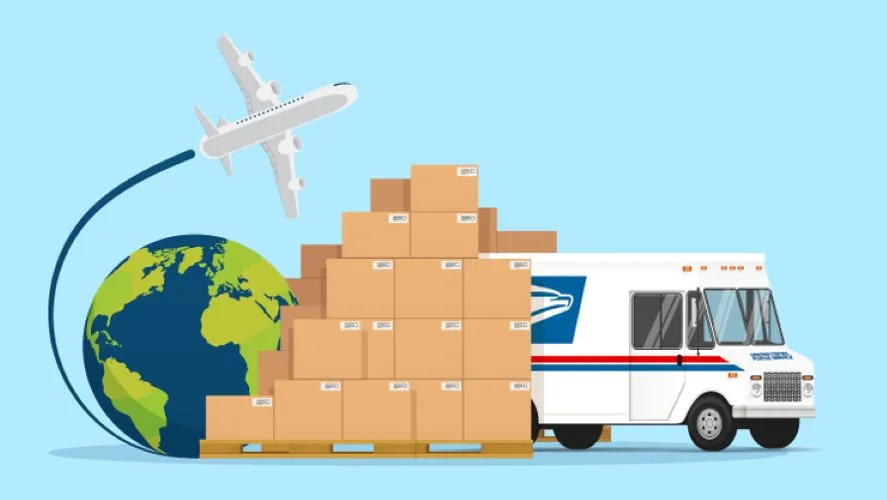
What is express delivery? It is the pinnacle of logistics, powered by an intricate web of software, hardware, and data science. It is the result of AI calculating the perfect route, robots picking items with surgical precision, and a global network of sensors ensuring that nothing goes astray.
As we look forward, the distinction between “shipping” and “technology” will continue to blur. Express delivery will become faster, more autonomous, and more integrated into our daily lives through the advancement of 6G, even more sophisticated AI, and the widespread adoption of green tech like electric autonomous fleets. In the world of tech-driven logistics, speed is the goal, but innovation is the engine.
aViewFromTheCave is a participant in the Amazon Services LLC Associates Program, an affiliate advertising program designed to provide a means for sites to earn advertising fees by advertising and linking to Amazon.com. Amazon, the Amazon logo, AmazonSupply, and the AmazonSupply logo are trademarks of Amazon.com, Inc. or its affiliates. As an Amazon Associate we earn affiliate commissions from qualifying purchases.