
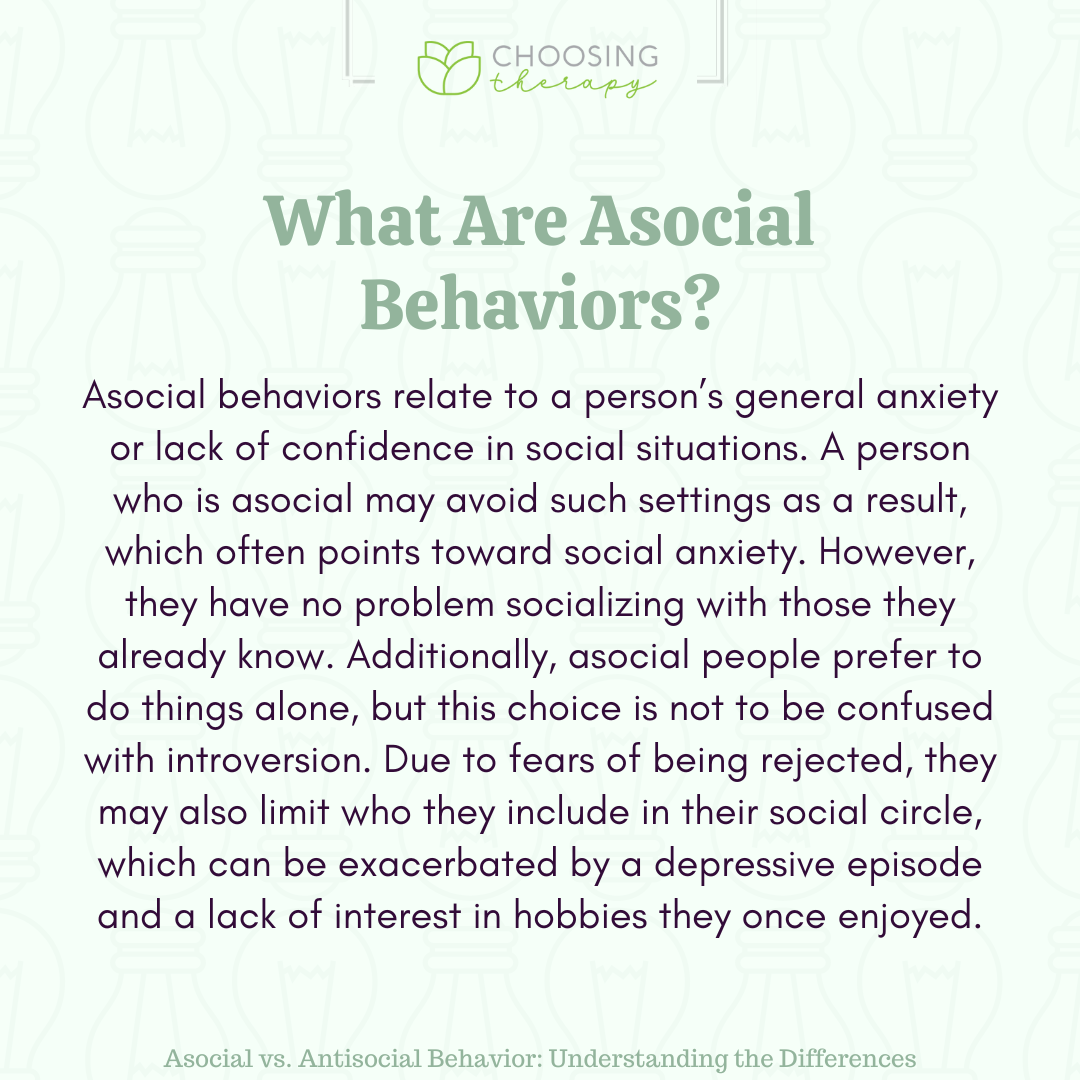
In the hyper-connected landscape of the 2020s, the prevailing wisdom in brand management has been “engagement at all costs.” Companies are told they must be present on every platform, responsive to every mention, and constantly “joining the conversation.” However, a new paradigm is shifting the way we perceive corporate identity. The term “asocial,” traditionally used to describe individuals who lack a motivation for social interaction, is being repurposed as a high-level strategic maneuver. In branding, being asocial does not mean being broken or dysfunctional; it means being intentional, self-contained, and purposefully distant from the cacophony of digital noise.
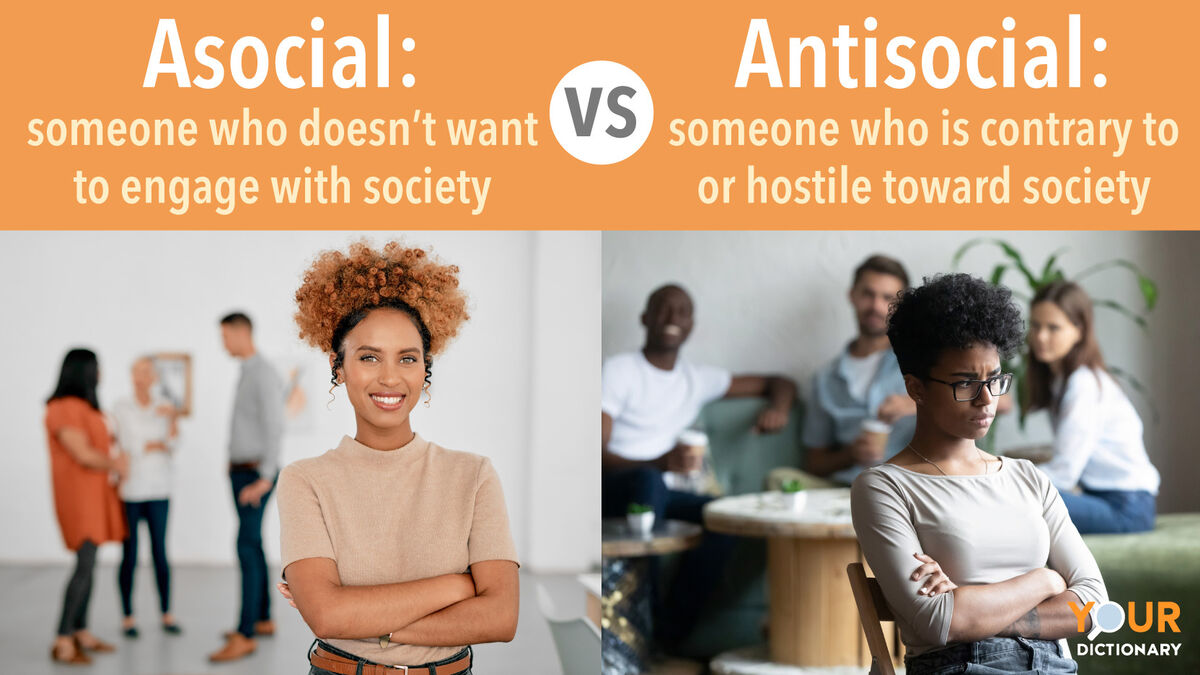
Understanding what asocial means in a professional branding context requires a departure from traditional marketing metrics. It is a move away from “likes” and “shares” toward a strategy of curated presence and psychological scarcity. As the digital world becomes increasingly saturated, the most powerful brands are finding that sometimes, the loudest statement a company can make is to stop talking.
Defining Asociality in the Context of Modern Branding
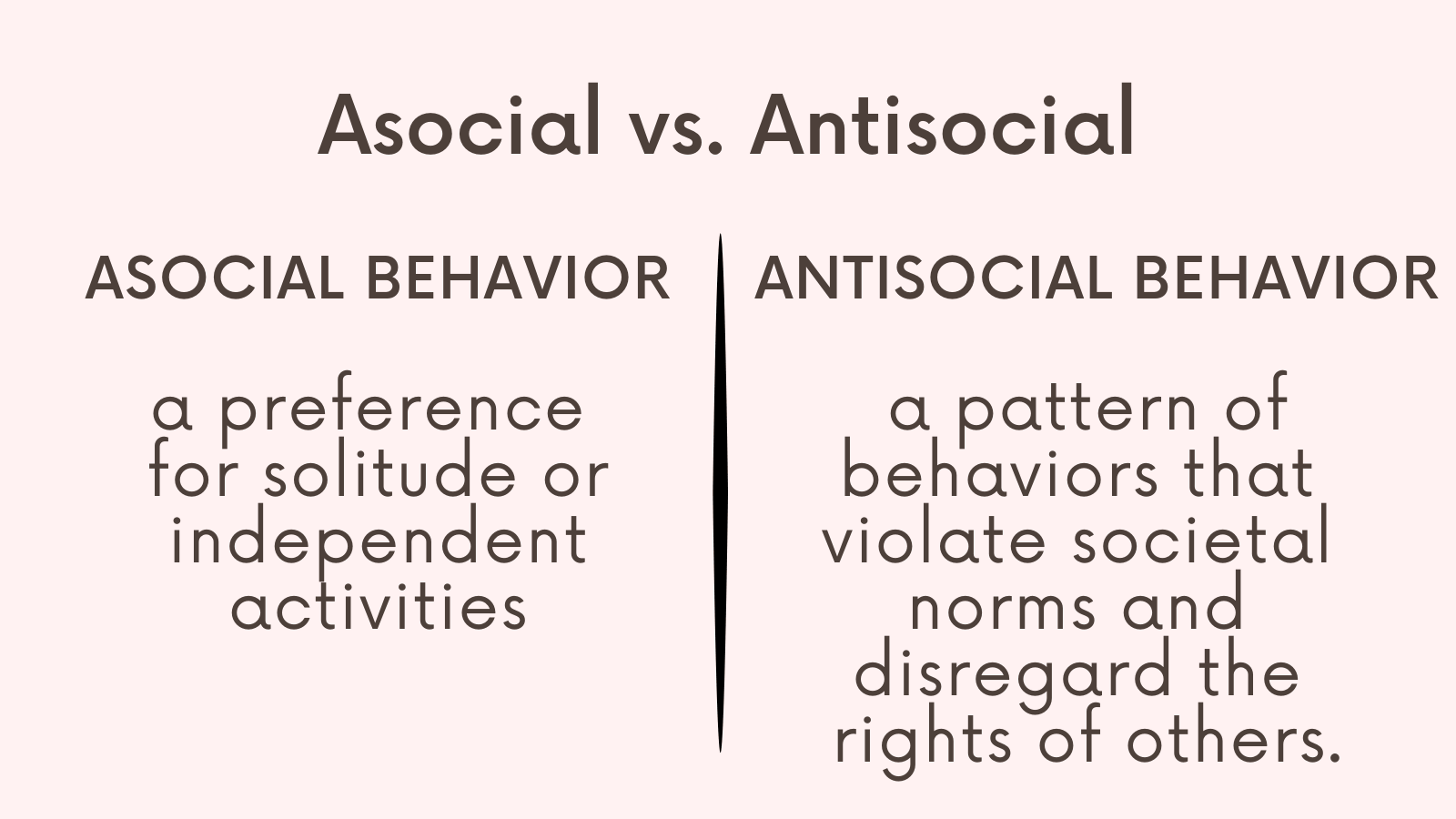
To grasp the “asocial” strategy, one must first distinguish it from being “anti-social.” In a social context, anti-social behavior is antagonistic or disruptive. In branding, an anti-social brand might actively pick fights with competitors or troll users for engagement. Conversely, an asocial brand is simply indifferent to the traditional social loop. It exists on its own terms, focusing on internal excellence rather than external validation.
Moving Beyond the “Always-On” Mandate
For the last decade, brand strategy has been dominated by the “always-on” philosophy. This required constant content production to satisfy algorithms. An asocial brand strategy rejects this treadmill. It posits that a brand’s value is not derived from its frequency of appearance on a timeline, but from the depth of its core identity. By stepping back from the constant social churn, these brands reclaim their time and resources to focus on product innovation and high-level storytelling.
The Psychology of Scarcity and Exclusivity
Human psychology dictates that we value what is scarce. When a brand is “too social”—constantly popping up in advertisements, memes, and comments—it becomes a commodity. It is common, accessible, and eventually, ignorable. An asocial brand identity creates a vacuum. By choosing not to participate in the democratic noise of social media platforms, a brand signals that it does not need to chase the consumer. This creates a powerful aura of exclusivity. The consumer must go to the brand, rather than the brand begging for the consumer’s attention.
Strategic Absence: Case Studies in High-Level Brand Identity
The transition toward asocial branding isn’t just theoretical; it is being executed by some of the most successful and prestigious organizations in the world. These entities have recognized that “engagement” is often a distraction from “equity.”
The Bottega Veneta Blueprint
Perhaps the most famous example of asocial branding occurred in early 2021 when the luxury fashion house Bottega Veneta deleted its Instagram, Facebook, and Twitter accounts. At a time when every other brand was doubling down on digital influencers, Bottega chose total silence.
This was not a retreat, but a redefinition of their corporate identity. They replaced the “rented” social space with a digital quarterly journal and a focus on physical, tactile experiences. The result? Their cultural relevance skyrocketed. By being asocial, they forced the fashion world to talk about them rather than talking with them. They transformed from a participant in the social media ecosystem into the subject of the ecosystem’s fascination.
Apple’s Controlled Social Footprint
While Apple is a tech giant, its branding strategy is a masterclass in asocial behavior. For years, Apple’s official Twitter (X) account remained a blank egg with zero tweets, used only for paid advertising during key launches. Apple does not engage in “banter” with users or other brands.
This asocial stance reinforces their identity as an “arbiter of taste” rather than a “peer.” By maintaining a professional distance, Apple ensures that when they do speak—usually through highly produced keynotes—the world stops to listen. They avoid the brand dilution that occurs when a corporate entity tries to act like a person’s digital friend.
Building a “Quiet” Corporate Identity
Implementing an asocial brand strategy requires a courageous shift in internal culture. It involves moving away from the dopamine hits of viral metrics and focusing on long-term brand equity.
Quality Over Engagement Metrics
In an asocial model, the product or service becomes the primary marketing vehicle. When a brand stops focusing on “socializing,” it must ensure its core offering is beyond reproach. This is often referred to as “Quiet Luxury” or “Silent Marketing.” The goal is to build a reputation so strong that the brand’s “asocial” nature is seen as a mark of confidence. If your product is truly the best in its class, you do not need to remind people of that fact every Tuesday with a TikTok dance.
Trust-Based Marketing vs. Hype-Based Marketing
Social media is often a factory for hype—short-lived bursts of excitement that dissipate quickly. Asocial branding focuses on trust. This is built through consistent, high-quality touchpoints that happen outside the social sphere: elite customer service, premium packaging, exclusive physical events, and long-form intellectual content. This approach builds a deeper, more resilient connection with a core audience that values substance over digital flash.
The Implementation: How to Execute an Asocial Strategy
For a brand to successfully navigate an asocial identity, it cannot simply “disappear.” It must replace social noise with strategic presence. This is about owning the ecosystem rather than renting space on a third-party platform.
Owning Your Digital Ecosystem
The greatest risk of social media branding is the “rented land” problem. If an algorithm changes, your brand visibility vanishes. Asocial brands mitigate this by investing heavily in their own platforms. This includes:
- Proprietary Apps: Creating a destination where the brand controls 100% of the user experience.
- Curated Newsletters: Direct-to-consumer communication that bypasses the “social” filter.
- Bespoke Web Experiences: Moving away from standard templates to websites that feel like digital flagships.
Curated Community vs. Mass Following
Asocial doesn’t mean “no people”; it means “selected people.” Instead of aiming for 10 million followers who may or may not care about the brand, an asocial strategy might focus on 10,000 “true believers.” These are individuals who are invited into a closed ecosystem—private forums, exclusive clubs, or early-access tiers. This creates a sense of belonging that is far more potent than the shallow “connection” of a social media follow. It shifts the brand from a public utility to a private passion.
The Future of Brand Identity in an Over-Connected World
As we move further into an era dominated by Artificial Intelligence and automated content, the digital landscape will likely become even more cluttered. AI can generate social posts, respond to comments, and simulate “human” interaction at an infinite scale. In this environment, the “social” brand will become indistinguishable from a bot.
The asocial brand, therefore, represents the future of human-centric prestige. By refusing to participate in the automated churn, a brand signals its humanity and its commitment to real-world value. Silence becomes a differentiator. Distance becomes a sign of strength.
In conclusion, “asocial” in the branding world is not a negative trait. It is a sophisticated strategy for the modern era. It is about recognizing that in a world where everyone is shouting for attention, the person who remains silent is the one who eventually commands the room. For brands looking to build lasting legacy and true luxury, the path forward is not more engagement, but more intention. By embracing an asocial identity, a brand can transcend the fleeting trends of the digital age and establish itself as a permanent fixture in the cultural consciousness.
aViewFromTheCave is a participant in the Amazon Services LLC Associates Program, an affiliate advertising program designed to provide a means for sites to earn advertising fees by advertising and linking to Amazon.com. Amazon, the Amazon logo, AmazonSupply, and the AmazonSupply logo are trademarks of Amazon.com, Inc. or its affiliates. As an Amazon Associate we earn affiliate commissions from qualifying purchases.